Game Industry Veterans Clash Over AI's Role in Video Game Development and Human Creativity


13 Sources
[1]
Super Smash Bros. creator thinks AI will make a lot of games, most won't make money
Serving tech enthusiasts for over 25 years. TechSpot means tech analysis and advice you can trust. GenAI Doh: During his career, Masahiro Sakurai created a few extremely successful game franchises, including Kirby and Super Smash Bros. Now, the Japanese designer is weighing in on the generative
[2]
Creator of Super Smash Brothers Offers Blistering Takedown of AI-Generated Games
Go ahead and use AI to make your video game -- if you want the result to be derivative trash, that is. Masahiro Sakurai, the creator of the iconic Super Smash Bros and Kirby franchises, recently unloaded on how developers are using AI to "churn out" video games, saying the tech is speeding up
[3]
Square Enix vets say devs of the future will need to 'master the use of AI', but the human touch will still be vital
AI's a touchy subject in the development industry, but in other areas it's a lot less controversial -- take Japan, for instance, which is embracing the technology a lot more than audiences in the West are. That's not to say there isn't any push back at all, mind. Still, an example of how there's
[4]
Nintendo Shigeru Miyamoto says even if gen-AI "were to eventually handle everything, there will always be a role left" for human designers
Legendary Nintendo developer Shigeru Miyamoto - who led development on classic games such as Super Mario 64 and The Legend of Zelda: Ocarina of Time - has argued that the rise of generative AI tools won't necessarily replace human talent. Next month, Shigeru Miyamoto will become the first ever
[5]
Peter Molyneux believes 'it's almost impossible to code now without using AI'
The father of the god game weighs in on AI use in the gaming industry Recently, I travelled to Guildford, England, to interview developer Peter Molyneux, the legendary game developer behind Populous, Theme Park, Dungeon Keeper, Black & White and Fable, among others. And, as part of that
[6]
Super Smash Bros. creator thinks gen-AI will cause a surge of unoriginal games, but says human creativity can't be replicated
Masahiro Sakurai has spoken about the pitfalls of generative AI use in game development, saying that while he believes the technology will result in a surge of unoriginal video games, human creativity - such as that shown by designers like Ico's Fumito Ueda - can't be replicated. In an interview
[7]

Zero Escape Writer Is Pro-AI, Believes His New Studio's Game Wouldn't Have Been Canceled If He'd Used It To Cut Costs - Kotaku
Kotaro Uchikoshi understands the resistance to AI, but feels it is necessary to cut costs and make games faster The reputation that Kotaro Uchikoshi has developed for surreal and metatextual storytelling through games like Hundred Line: Final Defense Academy and the Zero Escape series means that
[8]

On AI in game dev, Final Fantasy and Mana veterans say humans will always need to "turn zero into one," but robots "can improve efficiency"
There's no telling what the role of generative AI in game development will look like in the future, but if there's anyone who can predict that trajectory with any sense of authority, it's a team of veterans with more than 100 years of experience leading some of the most beloved franchises of all
[9]
Shigeru Miyamoto Doesn't Know If AI Can Take Over Creativity, But Says It Could Be An 'Opportunity' To Define What It Means To Create - Kotaku
The legendary Nintendo developer made his comments while receiving a national award for his contributions to culture Every year to mark Culture Day in Japan, the government -- on behalf of the Emperor of Japan -- honors people whose cultural contributions have had a major impact on shaping the
[10]

AI Will Be the Biggest Creative Leap for Small, Medium and Big Studios Once the Slop Is Fixed, Peter Molyneux Argues
Peter Molyneux, the legendary game designer behind classics like Populous, Dungeon Keeper, Black & White, and the Fable franchise, was recently interviewed by PC Gamer. The conversation ranged over a number of topics, starting with his most recent and supposedly final game, Masters of Albion
[11]
Nintendo mastermind Shigeru Miyamoto says AI "provides an opportunity to reflect on what's really important" in game dev, "which I think is a positive thing"
Shigeru Miyamoto, the Nintendo representative director and executive fellow behind titles like Super Mario and The Legend of Zelda, sees AI - as controversial as it may be - as a natural progression of technology. The Nintendo mastermind says as much during a press conference reported by GameWatch
[12]
Nintendo's Shigeru Miyamoto Has a Surprisingly Positive Outlook on Generative AI: "We'll Have Opportunities to Think About What's Truly Important
Yesterday, legendary game designer Shigeru Miyamoto spoke at a press conference following the news that he's scheduled to receive the prestigious Order of Culture award from Emperor Naruhito on November 3. Established in 1937, the Order of Culture rewards outstanding contributions to the nation's
[13]

'Low-Quality Goods' -- Masahiro Sakurai Shrugs Off AI Games as 'Unprofitable Titles' as Clones and Mods Boom
Super Smash Bros creator Masahiro Sakurai explained why the boom in AI-created games isn't likely to create a lasting demand for such projects, comparing them to "low-quality goods" that could never compare to human-made titles like Shadow of the Colossus. Sakurai made these remarks in an
Share
Copy Link
Legendary developers including Super Smash Bros. creator Masahiro Sakurai and Nintendo's Shigeru Miyamoto share conflicting views on AI in game development. While Sakurai warns of an explosion of unprofitable AI-generated games, Molyneux argues it's nearly impossible to code without AI tools today.
Game Development Veterans Debate AI's Growing Influence
The video game industry faces a heated debate as legendary developers share starkly different perspectives on AI in game development. Masahiro Sakurai, creator of Super Smash Bros. and Kirby, delivered a sharp critique of generative AI's impact on video games during an interview with Denfaminicogamer
1
. He warned that while AI tools for developers will trigger an explosion of new titles, the vast majority will be unprofitable, derivative works. Steam's numbers illustrate this trend dramatically—the platform hosted around 275 new releases in 2010, but now sees over 19,000 new projects launch annually1
. Generative AI's impact on video games threatens to push these figures even higher, flooding the market with low-quality titles.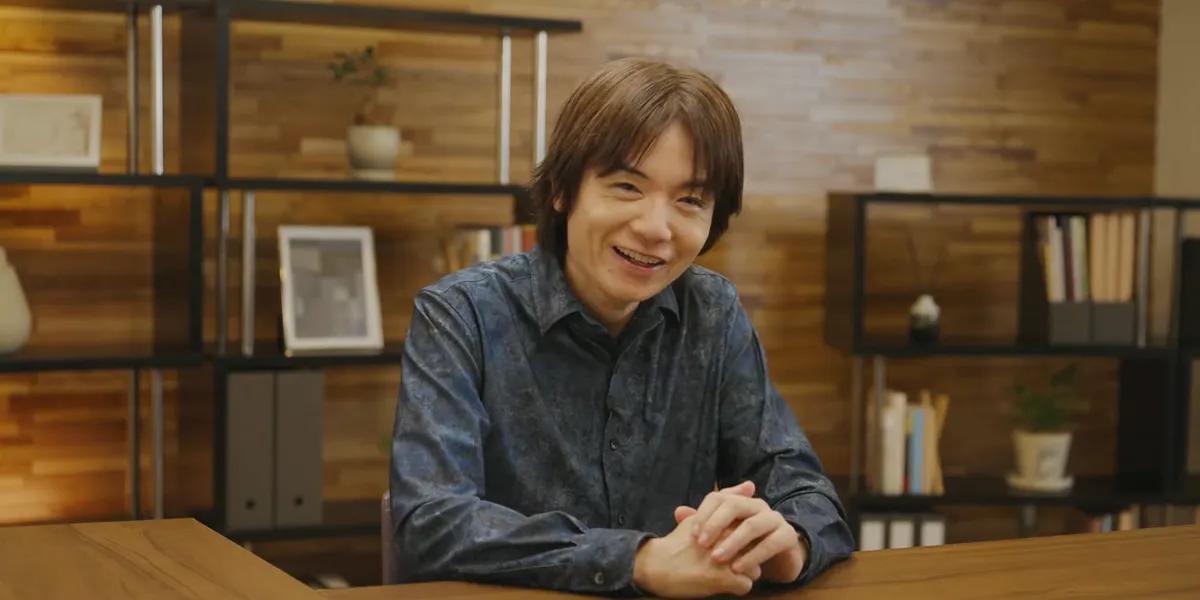
Source: Eurogamer
The Originality Problem with AI-Generated Games
Sakurai emphasized that human creativity remains irreplaceable when developing truly original concepts. AI-generated games will likely consist of systems lifted directly from existing titles, he argued, as the technology excels at imitation rather than innovation
2
. The role of human designers becomes critical in this context. Sakurai cited how the indie game Librarian: Tidy Up The Arcane Library immediately spawned numerous imitators, demonstrating how unoriginality in AI games spreads rapidly2
. He contrasted this with his own work on Super Smash Bros., which required a genuinely novel approach to stand out from traditional fighting games. According to a recent CESA survey, more than 85% of Japanese developers now use some form of LLM-based solution in their workflows1
, yet artistic vision remains uniquely human territory.Nintendo's Measured Approach to AI Tools
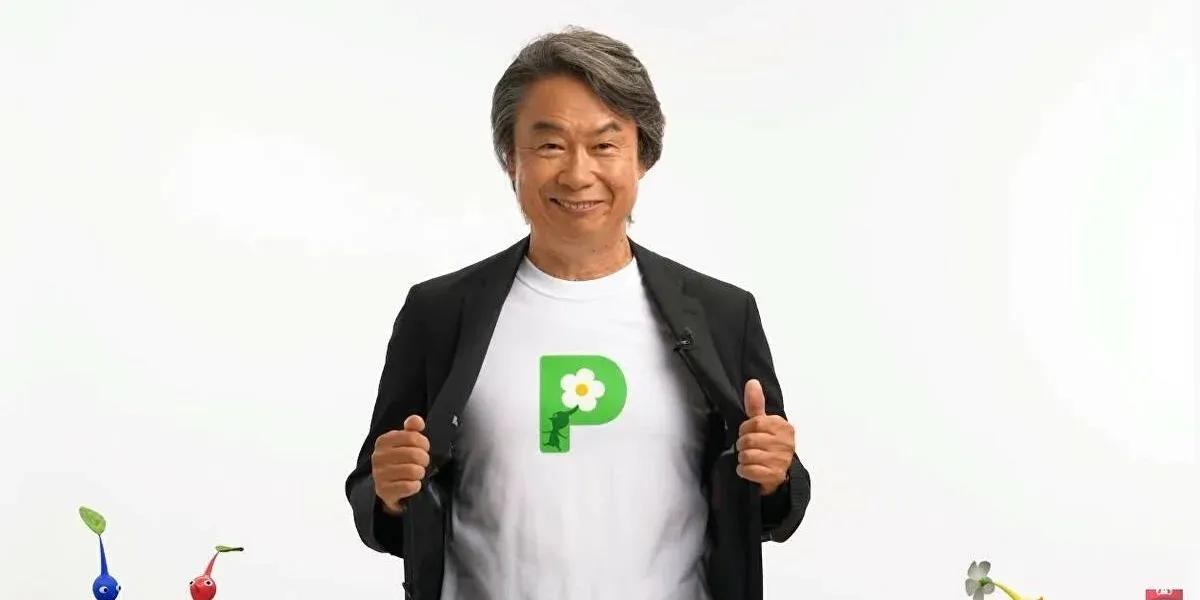
Shigeru Miyamoto, Nintendo's legendary developer behind Super Mario 64 and The Legend of Zelda: Ocarina of Time, offered a more measured perspective on the future of game development. Speaking at a press conference before receiving the Order of Culture from the Emperor of Japan, Miyamoto suggested that even if generative AI eventually handles everything, there will always be a role left for human designers
4
. He argued that as technology advances and handles more labor-intensive tasks, a designer's true capabilities come to the fore. Miyamoto warned against finding satisfaction in labor itself rather than the creative process, noting that work created by copying and pasting rarely stands the test of time4
. Nintendo has maintained that its games will retain a human touch, with former Nintendo of America president Doug Bowser stating that what makes their games special is their developers' artistic capabilities4
.
Source: Eurogamer
Industry Veterans See AI as Development Accelerator
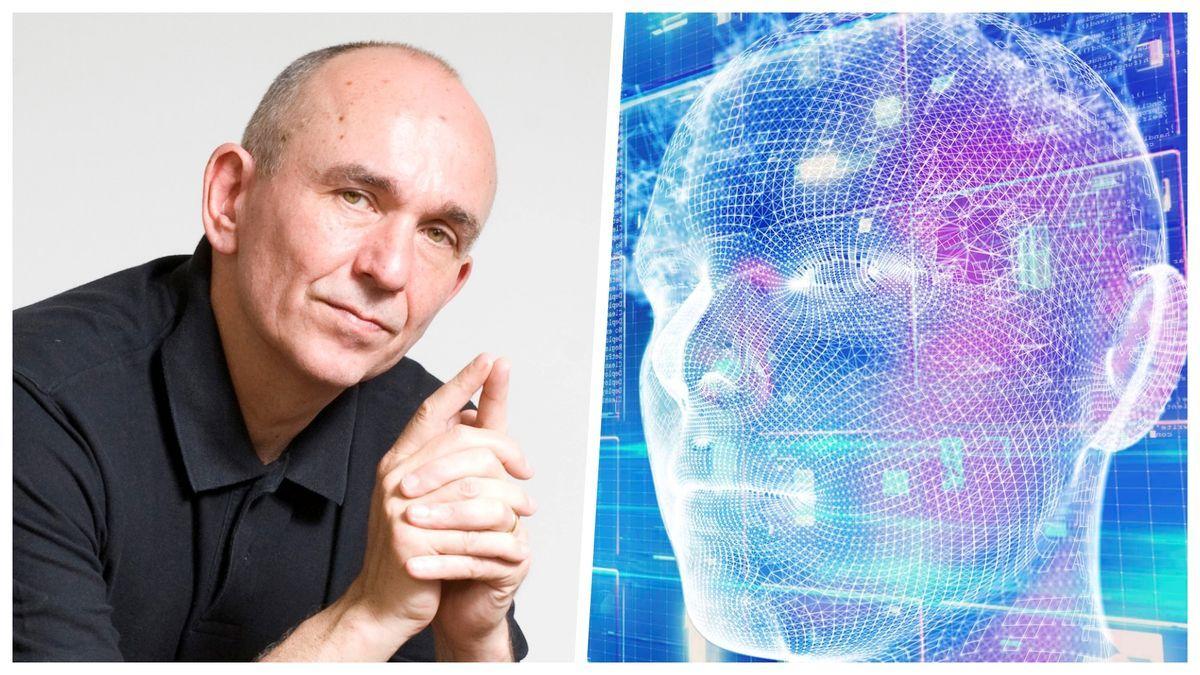
Peter Molyneux, father of the god game genre and creator of Populous, Black & White, and Fable, presented a contrarian view during a recent interview. He declared that it's almost impossible to code now without using AI, describing it as the biggest advance in creativity for studios of all sizes
5
. Molyneux blamed ChatGPT and Gemini for creating negative perceptions by releasing models that produced inappropriate materials, leading 12% of consumers to refuse buying games with any AI involvement5
. He revealed that the industry pretends not to use AI to avoid ticking Steam's AI disclosure box, yet nearly every title released in the past year has utilized AI for line completion and code generation. Molyneux illustrated how AI tools for developers dramatically compress timelines—concept art that once took weeks can now be produced in five minutes, and character prototyping that required months can be completed in a day5
.
Source: PC Gamer
Related Stories

Square Enix Embraces AI Mastery as Competitive Advantage
Square Enix veterans echoed optimistic sentiments about AI adoption in a Famitsu interview. Hiromichi Tanaka, who worked on numerous Final Fantasy games, stated that future creations will definitely come down to how well people can master the use of AI
3
. Yoshinori Kitase, current producer on Final Fantasy 7: Revelation, added that major game companies will need to rethink their development methods to avoid being swept away by this wave3
. However, both acknowledged that humans need to be involved in turning zero into one—the initial creative spark that generates original ideas. Kitase warned this would transform the industry into a competition of ideas, though indie developers face mounting challenges from game cloning and drowning in AI slop3
.
Source: PC Gamer
Steam Users Demand Protection from AI Flooding
The practical impact of generative AI's impact on video games has become painfully visible on Steam, where this year's Next Fest event suffered from AI slop overflow. Paying PC customers increasingly lament the situation and are asking for an official no-AI filter to make interesting demos easier to discover
1
. The flooding has real consequences for independent developers—the creators of Moonlighter recently had to remove their ReVamp demo from Steam because it was being cloned3
. This represents a troubling trend where indie developers, already struggling with discoverability in an unkind industry, face threats from both direct cloning and being buried under waves of low-quality titles. The role of human designers becomes even more critical as platforms grapple with distinguishing quality content from AI-generated games that replicate gameplay mechanics players have already experienced elsewhere1
.References
Summarized by

Navi
Related Stories
Gaming industry splits as Dragon Age creator condemns generative AI while Epic CEO champions it
30 Jun 2026•Technology
Gaming industry splits on AI as EA touts creativity boost while Steam data reveals 53% review penalty
16 Jun 2026•Entertainment and Society

Take-Two CEO Calls AI a 'Parlor Trick' That Can't Create Hit Games Like Grand Theft Auto
22 Oct 2025•Technology

Recent Highlights


Recent Highlights
Today's Top Stories








Don’t drown in AI news. We cut through the noise - filtering, ranking and summarizing the most important AI news, breakthroughs and research daily. Follow topics that matter to you and stay ahead.


