SwitchBot AI Art Frame turns text prompts into wall art, but AI gaffes reveal limitations


2 Sources
[1]
This AI-Powered Photo Frame Turns Your Words Into Art (or Slop)
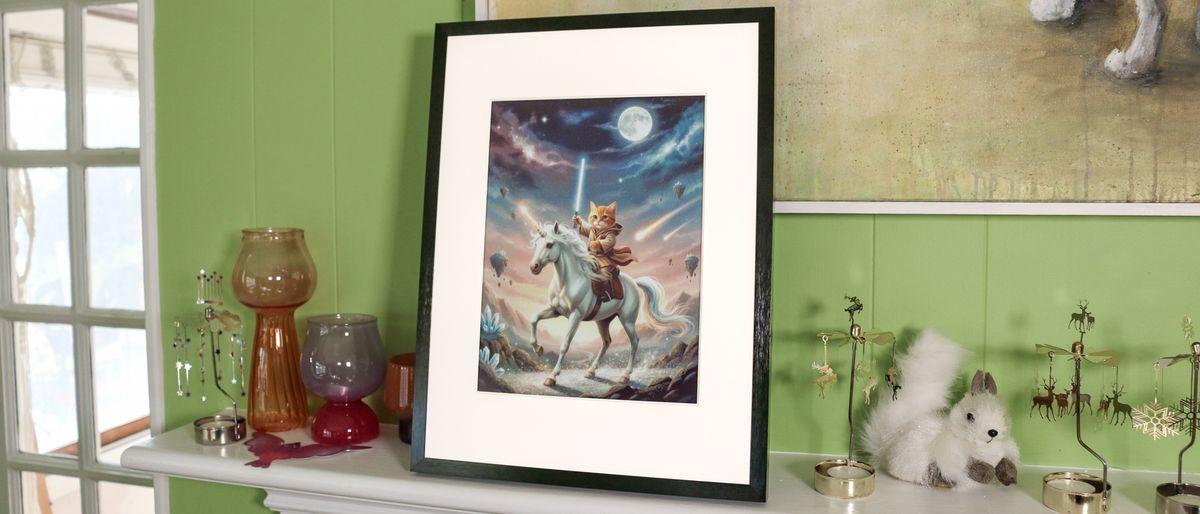
SwitchBot's AI Art Frame, which comes in 7.3-. 13.3,- and 31.5-inch sizes, is desk- and wall-mountable. Its E Ink Spectra 6 display is like that of the Kindle Paperwhite; its nonreflective screen produces no glare and looks a lot like actual printed material. To get your ideas or photo into the
[2]
Switchbot AI Art Frame review: E-paper meets artificial intelligence
The Switchbot AI Art Frame is one of the first of a new type of digital photo frames, one that uses E Paper rather than an LED display to show off all your images. While this means that your pictures won't look as vibrant, these E Paper frames have much longer battery life -- up to two years -- so
Share
Copy Link
SwitchBot launched its AI Art Frame with E Ink display technology and AI image generation powered by Google's Nano Banana model. Available in three sizes from $149 to $1,299, the cord-free display promises two-year battery life but requires a $4 monthly subscription for AI features. Early reviews reveal the frame struggles with spelling errors and copyrighted content while offering limited photo management compared to traditional digital frames.
SwitchBot Introduces AI-Powered Photo Frame With E Ink Technology
The SwitchBot AI Art Frame marks a notable entry into the digital photo frame market by combining e-paper digital photo frame technology with AI image generation capabilities. Available in 7.3-inch ($149), 13.3-inch ($349), and 31.5-inch ($1,299) sizes, the device features an E Ink Spectra 6 display similar to the Kindle Paperwhite, delivering a glare-free display that mimics actual printed material without reflective glare
1
. The cord-free display design allows wall mounting without visible cables, supported by rechargeable batteries that SwitchBot claims can last up to two years per charge2
.
Source: Tom's Guide
Google's Nano Banana Powers AI Image Generation Features
The AI image generator functionality relies on Nano Banana, Google's AI model for image generation also known as Gemini 2.5 Flash Image, which powers the AI Studio function within the SwitchBot app
1
. Users can generate images from text prompts through their smartphones, with the frame receiving images wirelessly via Bluetooth. The process takes several minutes as the E Ink display cycles through colors to materialize each image. After a 30-day trial period, the subscription-based service costs $4 per month, allowing users to generate up to 400 images monthly, excluding personal photos or free content from the SwitchBot Gallery1
.AI Slop and Spelling Errors Plague Image Quality
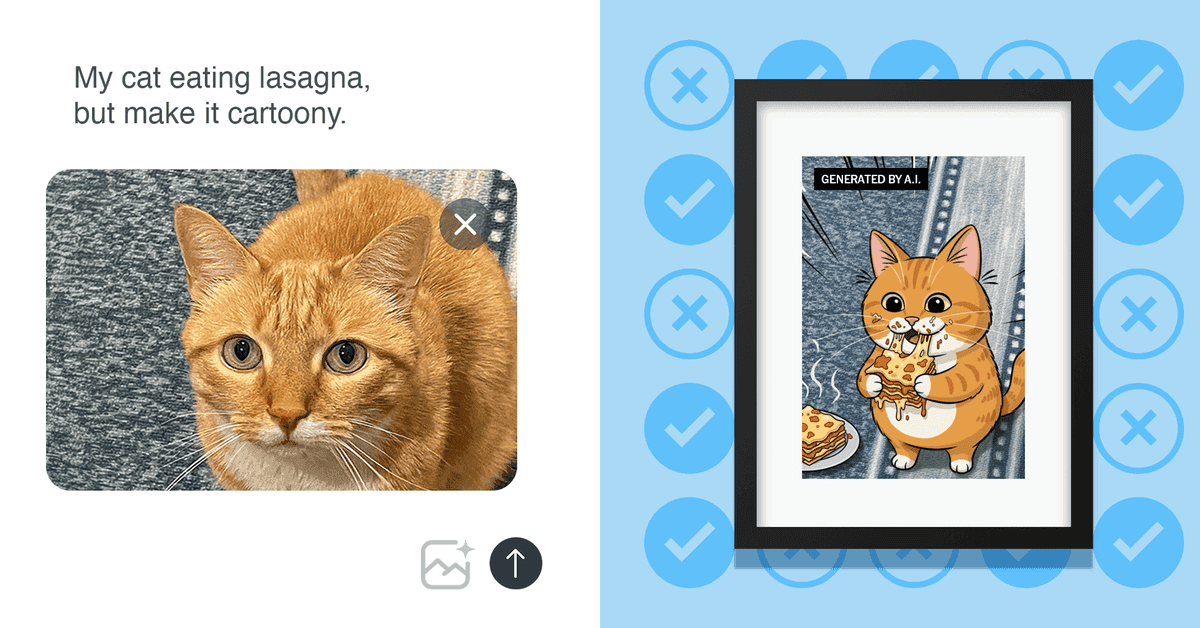
Testing revealed significant limitations in the AI Art Frame's generation capabilities. When attempting to create disaster movie posters, the system produced typo-riddled titles including "Apocalyopse Now" and "Global Colcapse," demonstrating AI's notorious spelling weaknesses
1
. A Led Zeppelin poster request resulted in the band name spelled three different incorrect ways across multiple attempts, despite correct spelling in the original text prompts. The system struggled with lesser-known public figures and produced what reviewers described as AI slop, though it successfully generated recognizable images of celebrities like Tom Cruise, Beyoncé, and Harrison Ford1
.
Source: NYT
Limited Photo Management Compared to Traditional Frames
The SwitchBot app, designed primarily for the company's smart home products ranging from robot vacuums to smart locks, shows the company's inexperience with digital photo frames
2
. Users can only upload one photo at a time with a maximum of 10 images synced to the frame simultaneously. The app lacks integration with Google Photos or Apple Photo libraries and offers no collaboration features for family members to add photos remotely—a significant drawback for those considering it as a gift for parents or grandparents2
. The frame also lacks physical buttons, requiring app access for all photo changes.Related Stories



E Ink Display Quality Shows Mixed Results
The E Ink display technology delivers images that closely resemble actual photographs but with notable limitations. High-contrast images, such as subjects against bright white backgrounds or beach scenes with intense sunlight, don't render well compared to LED displays
2
. Reviewers found most images appeared darker than expected, which SwitchBot representatives confirmed was intentional, though no brightness adjustment options exist1
. The 1600 x 1200 resolution on the 13.3-inch model provides adequate detail, while the 7.3-inch version's 800 x 480 resolution creates an odd aspect ratio suitable mainly for landscape images.Subscription Costs and Value Proposition Under Scrutiny
At $3.99-$4 per month for AI Studio access, the value proposition faces questions given the availability of free AI image generators like Nano Banana elsewhere
2
. The included Gallery feature offers artwork from famous painters, though searches return limited results—Michelangelo queries produced only sketches rather than famous works, while Monet searches yielded just 20 pieces total2
. This contrasts sharply with Samsung's The Frame TV, which partners with over 80 galleries and museums featuring 800-plus artists, offering unlimited art for $5 monthly or $50 annually1
. For those watching this space, the question remains whether AI-powered photo frame technology will mature enough to justify premium pricing or if traditional digital frames with better photo management will continue to dominate the market.References
Summarized by

Navi
Related Stories
Recent Highlights



Recent Highlights
Today's Top Stories






Don’t drown in AI news. We cut through the noise - filtering, ranking and summarizing the most important AI news, breakthroughs and research daily. Follow topics that matter to you and stay ahead.


