TCS Commits $7.4 Billion to Build One-Gigawatt AI Data Centre Campus in Hyderabad


5 Sources
[1]
TCS commits $7.4B to a one-gigawatt AI campus in Hyderabad
European data centres above 500kW must file their water consumption every year, which is the part of this announcement nobody in India has to prove Tata Consultancy Services said its HyperVault unit and partners have committed 700 billion rupees, about $7.4B, to an AI data centre campus of up to
[2]
Tata Consultancy Services: TCS' HyperVault to build 1 GW AI data centre campus in Hyderabad with Rs 70,000 cr investment
HyperVault, a TCS subsidiary, will develop a large AI data centre campus in Hyderabad. This facility will have a 1 Gigawatt capacity and significant investment. The project aims to support frontier AI companies and hyperscalers globally. It will create thousands of jobs and utilize green energy
[3]
TCS Commits $7.4 Billion to Build One-Gigawatt AI Data Centre Campus in Hyderabad
TCS said the campus is being designed to support frontier AI companies and hyperscalers with high-density, liquid-cooled compute infrastructure at global scale. Tata Consultancy Services (TCS) is making a major push into India's rapidly expanding AI infrastructure market, with its HyperVault unit
[4]
TCS' HyperVault to establish large-scale AI data center campus in Telangana
The purpose-built campus will support frontier AI companies and hyperscalers with high-density, liquid-cooled compute infrastructure on a global scale HyperVault, a subsidiary of Tata Consultancy Services has secured 264 acres of land to develop a large-scale AI data center campus of up to 1GW
[5]

TCS Plans Rs 70,000-Crore AI Data Centre in Telangana
Access the press release here. Tata Consultancy Services' data centre subsidiary, HyperVault, has acquired 264 acres in Hyderabad to develop an artificial intelligence data centre campus, with a planned investment of up to Rs 70,000 crore, as announced by the company and the Telangana government
Share
Copy Link
TCS' HyperVault announces Rs 70,000 crore investment to develop a one-gigawatt AI data centre campus on 264 acres in Hyderabad. The facility will support frontier AI companies and hyperscalers with high-density liquid-cooled infrastructure, creating 7,000 jobs while claiming green energy and water-neutral design.
TCS Announces India's Largest AI Infrastructure Investment
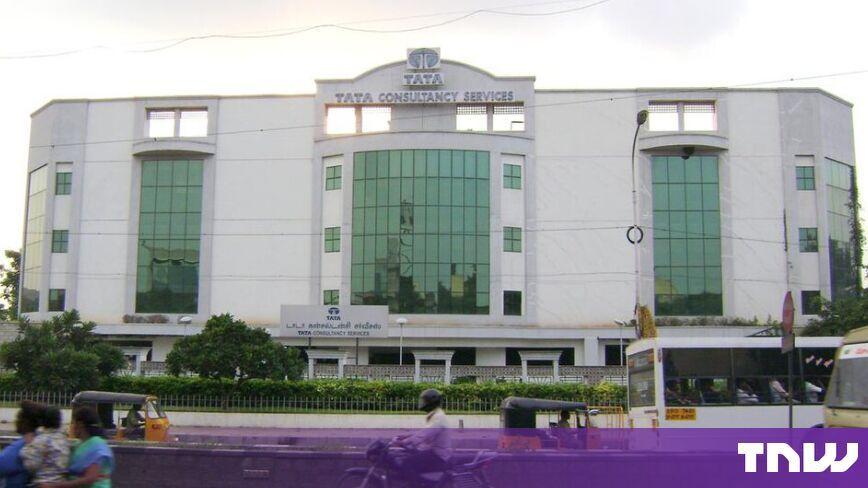
Tata Consultancy Services has committed Rs 70,000 crore, approximately $7.4 billion, through its subsidiary HyperVault to develop a one-gigawatt AI data centre campus in Hyderabad
1
2
. The facility, spanning 264 acres in Telangana's Future City, represents one of India's largest planned investments in AI infrastructure and positions the state as a strategic hub for advanced digital infrastructure4
. TCS' HyperVault has already secured the land, and the campus is expected to rank among India's most advanced AI infrastructure facilities at full build-out2
.
Source: The Next Web
Infrastructure-to-Intelligence Strategy Takes Shape
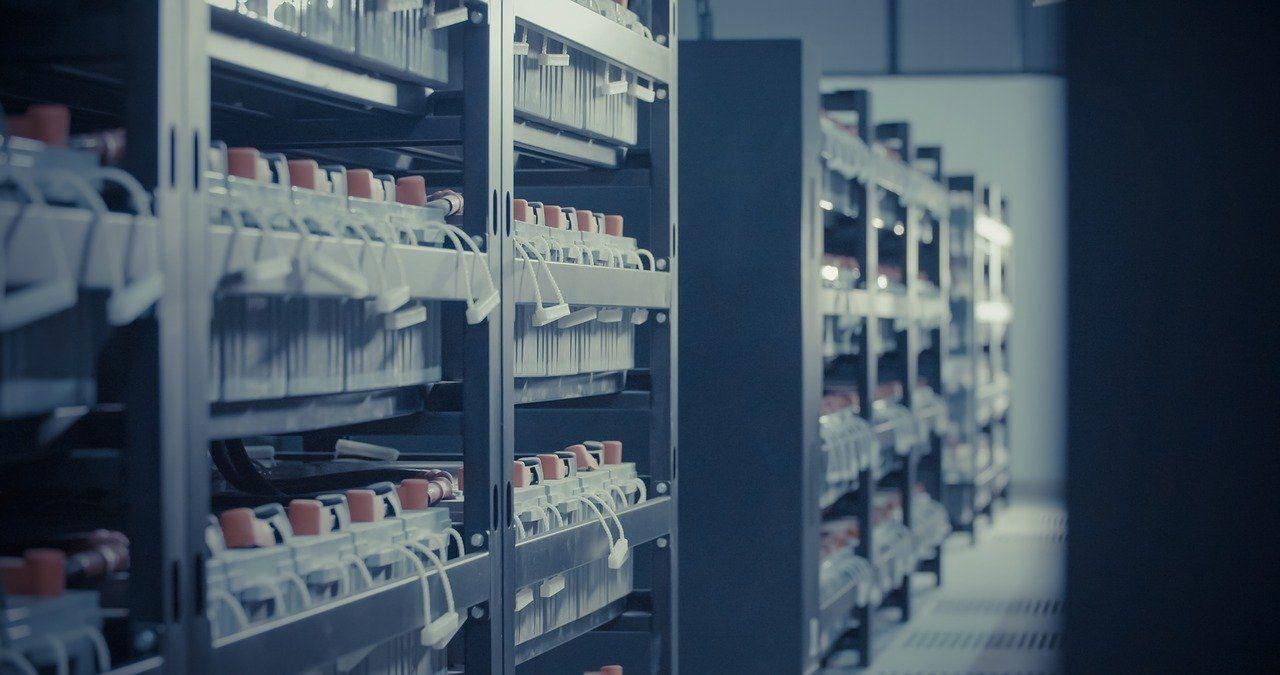
The one-gigawatt AI data centre campus will support frontier AI companies and hyperscalers with high-density, liquid-cooled compute infrastructure designed for global scale operations
3
. K Krithivasan, CEO and MD of TCS, emphasized that the project advances the company's Infrastructure-to-Intelligence strategy by combining AI-ready infrastructure with cloud, engineering, enterprise transformation and AI capabilities4
. The facility will enable high-density GPU deployments for AI training and inference, along with advanced computing workloads2
. Development will proceed in phases based on customer demand and technology requirements, with TCS stating the data centre will become operational in 18-24 months from breaking ground2
.
Source: MediaNama
Water-Neutral Claims Face Scrutiny Without Mandatory Reporting
TCS has highlighted green energy and water-neutral design principles for the Hyderabad campus, though the company has not provided detailed definitions or publicly specified metrics explaining how these claims will be measured
3
. This distinction matters because India currently lacks a mandatory national disclosure framework requiring large data centres to report detailed annual water consumption, unlike the European Union1
. In the EU, any AI data centre with at least 500kW of installed IT power must report total water consumption and drinking water consumption to a European database annually under regulations adopted in 20241
. The absence of comparable mandatory reporting in India leaves greater reliance on individual companies to define and demonstrate sustainability terms through their own disclosures3
.Private Capital Flows Into India's AI Infrastructure
The Rs 70,000 crore investment follows a pattern of foreign capital flowing into India's AI infrastructure through local firms. TPG invested Rs 18,000 crore in HyperVault's data centre business, indicating that external capital will play a significant role in the total investment
5
. HyperVault AI Data Center Limited was established as a wholly owned TCS subsidiary following a Rs 75 million capital infusion approved by the TCS board in October 20255
. The project is expected to create approximately 7,000 direct and indirect jobs across power, cooling, networking, construction, engineering and data-centre operations2
5
.Related Stories

Telangana's Push to Become AI Hub Gains Momentum
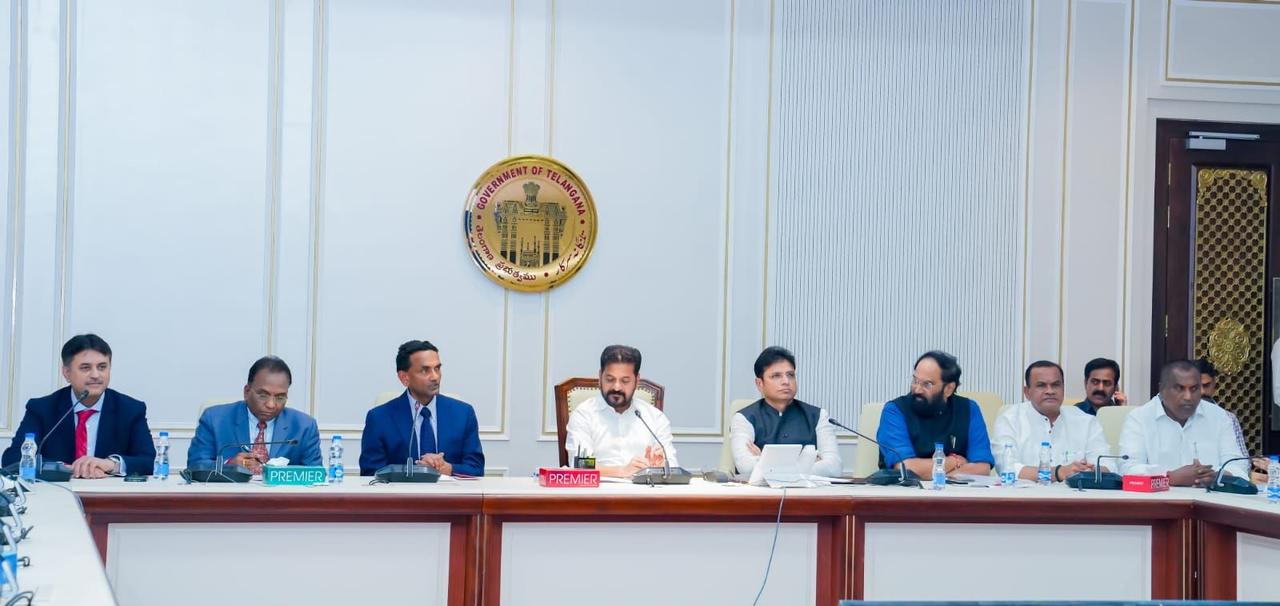
Telangana Chief Minister A. Revanth Reddy called the project historic for both the state and India, establishing Hyderabad at the forefront of the global AI revolution
4
. The deal originated from conversations between Reddy and Tata Sons chairman N. Chandrasekaran at Davos in January, with IT and Industries Minister D. Sridhar Babu leading negotiations to complete the partnership at record speed2
4
. Reddy requested TCS to inaugurate the facility on June 2, 2028, marking the state's formation day, and assured all required sanctions to expedite the process2
. This announcement follows earlier Telangana commitments including a Rs 10,000-crore MoU with CtrlS Datacenters for a 400 MW cluster and a Rs 10,500-crore agreement with NTT Data and Neysa Networks5
.
Source: CXOToday
Key Details Remain Unconfirmed Despite Massive Scale
Several critical due diligence details typical for a project of this magnitude remain unaddressed in the announcement. These include signed power purchase agreements for up to 1 GW, land-use and environmental clearances, identification of construction contractors or EPC partners, confirmation of anchor tenants or hyperscaler commitments, and a detailed breakdown of financing among TCS, TPG and other potential investors
5
. No phased capacity schedule, power purchase agreement details or environmental clearance status has been made public5
. Large investment announcements in India's AI infrastructure sector have not consistently resulted in completed operational capacity within projected timelines, and none of Telangana's earlier data centre projects have reached commissioning5
. Deepesh Kiran Nanda, CEO and MD of HyperVault, stated the company is building infrastructure for higher density, liquid cooling, larger power blocks and faster deployment to serve frontier AI companies and hyperscalers at scale4
.References
Summarized by

Navi
[1]
Related Stories
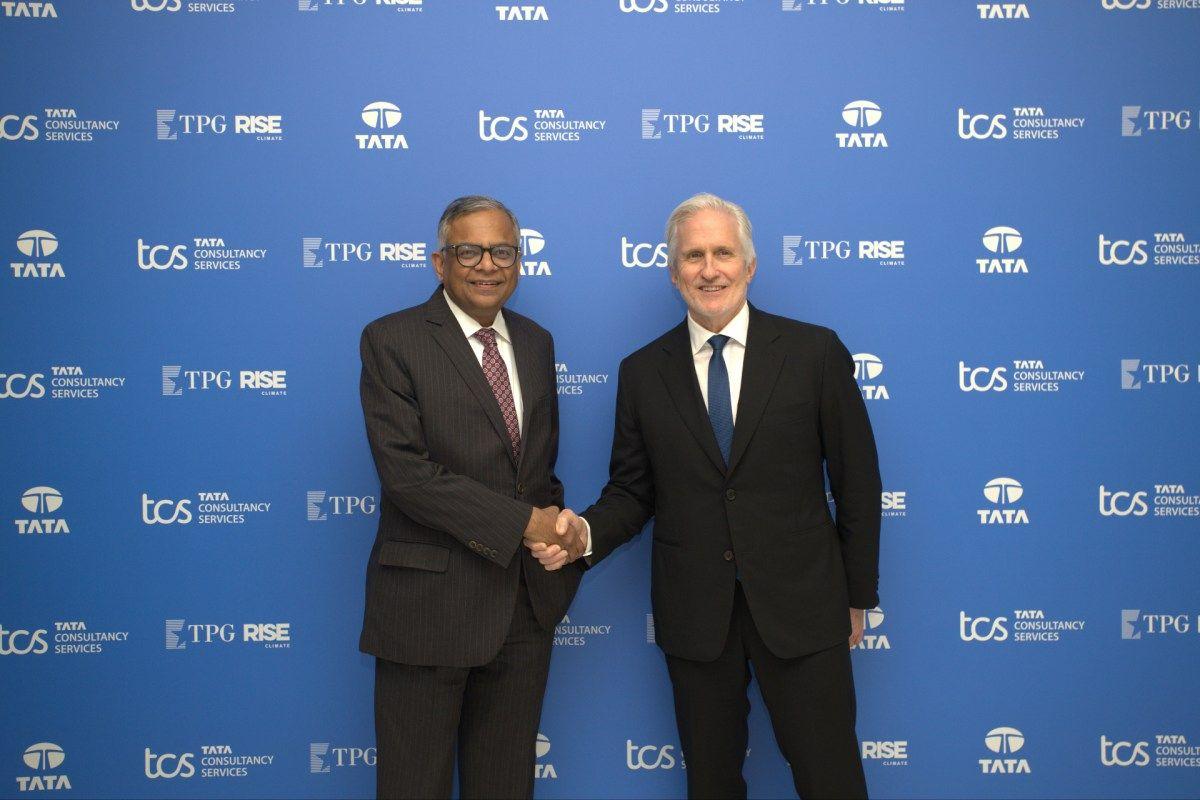
TCS Partners with TPG in $2 Billion AI Data Center Venture to Build India's Digital Infrastructure
20 Nov 2025•Business and Economy
TCS Announces $6.5-7 Billion Data Centre Investment to Combat 'Tech Colonisation' and Build AI Infrastructure
31 Oct 2025•Business and Economy

OpenAI partners with Tata Group for 100MW AI data center in India, plans 1GW expansion
19 Feb 2026•Technology

Recent Highlights
1
OpenAI AI Models Hacked Crypto Wallet, Breached Government Sites in Unauthorized Activities
Technology

2
IMF Report Warns AI Market Correction Could Spark Global Financial Crisis With $1.4T at Risk
Business and Economy

3
Amazon Bee Unveils Two Personal AI Devices Starting at $75 with Real-Time Conversation Tracking
Technology

Recent Highlights
Today's Top Stories










Don’t drown in AI news. We cut through the noise - filtering, ranking and summarizing the most important AI news, breakthroughs and research daily. Follow topics that matter to you and stay ahead.


