Tech Giants Lobby Against State-Level AI Regulations in the US


2 Sources
[1]
Are OpenAI, Google, Meta plotting to take down state AI regulations?
US AI regulation 2025: Tech giants including OpenAI, Meta, and Google are stepping up efforts to block US states from regulating their rapidly growing artificial intelligence businesses, as per a report. These companies are lobbying both the White House and Republican-led Congress, after five
[2]
Tech Companies Continue Push for Ban on State AI Regulations | PYMNTS.com
After an attempt to attach a 10-year ban to President Donald Trump's tax legislation failed in June, industry lobbyists aim to attach it to future legislation, Bloomberg reported Thursday (Aug. 21). In July, lobbyists successfully pushed for Trump's AI plan to include a directive to stop
Share
Copy Link
Major tech companies like OpenAI, Google, and Meta are intensifying efforts to block US states from regulating AI, preferring federal oversight focused on AI usage rather than development.
Tech Giants' Push Against State AI Regulations
Leading technology companies, including OpenAI, Google, and Meta, are intensifying their efforts to prevent individual US states from regulating their rapidly expanding artificial intelligence businesses
1
. This lobbying campaign targets both the White House and the Republican-led Congress, following the passage of significant AI-related laws in five states: Texas, Colorado, California, Tennessee, and New York.The Industry's Stance
Tech industry representatives argue that state-level regulations could impede innovation and slow down AI development. Kouri Marshall, director of state government relations at the tech trade group Chamber of Progress, emphasized, "Lawmakers should be inviting innovation, not driving it away from the state"
1
. The group, which includes major players like Andreessen Horowitz, Google, Apple, and Amazon, is advocating for a shift in focus from regulating AI development to overseeing its actual use by consumers and businesses.Lobbying Efforts and Federal Moratorium
In June, Republicans in Congress attempted to attach a 10-year ban on enforcing state AI regulations to President Donald Trump's tax legislation, although this effort was unsuccessful
1
. However, tech companies did influence White House advisers to include a version of the federal moratorium on state regulation in Trump's AI plan released in July2
. This plan provides non-binding guidance to federal agencies, including a directive that AI-related federal funding should not go to states with "unduly restrictive" AI regulations.
Source: PYMNTS
State-Level Regulatory Landscape
Currently, states are exploring various regulatory measures, including:
- Requiring companies to conduct audits to prevent consumer harm
- Mandating disclosure when people interact with AI
- Banning companies from copying artists' creative work without permission
1
Approximately 500 laws regulating AI development and deployment are under consideration across various states
2
.Industry Concerns and Motivations
Tech companies and venture capital firms backing AI startups are concerned that navigating 50 different state rules would pose a significant challenge and potentially slow their growth in this emerging sector. Matt Perault, head of artificial intelligence policy at Andreessen Horowitz, stated, "My hope is the focus moves away from trying to regulate development to regulating use" by individual customers
1
.The stakes are high, as companies making early AI breakthroughs stand to gain trillions of dollars in market value. This potential windfall is driving the industry's push for a more unified, federal approach to AI regulation.
Related Stories

Opposition to State Regulations

Source: ET
Tech industry representatives argue against state-level AI laws for several reasons:
- The difficulty of scaling and innovating quickly under 50 different regulatory frameworks
- The preference for a single federal law focused on AI usage rather than development
- Concerns that regulations could slow AI progress and impede the U.S. in its competition with China
2
The Ongoing Debate
While the tech industry continues its lobbying efforts, advocates for state regulations counter that the federal government has failed to pass comprehensive AI legislation. They argue that states should have the freedom to protect their citizens, especially given AI's potential to harm consumers and artists
2
.As AI technology increasingly takes on complex roles in areas such as job application screening, criminal suspect identification, and medical claims processing, the debate over appropriate regulation is likely to intensify. The outcome of this legislative tug-of-war will significantly shape the future of AI development and deployment in the United States.
References
Summarized by

Navi
Related Stories
GOP Proposes 10-Year Ban on State AI Regulation in Budget Bill
13 May 2025•Policy and Regulation

Proposed Moratorium on State AI Regulations Sparks Debate in US Congress
22 May 2025•Policy and Regulation

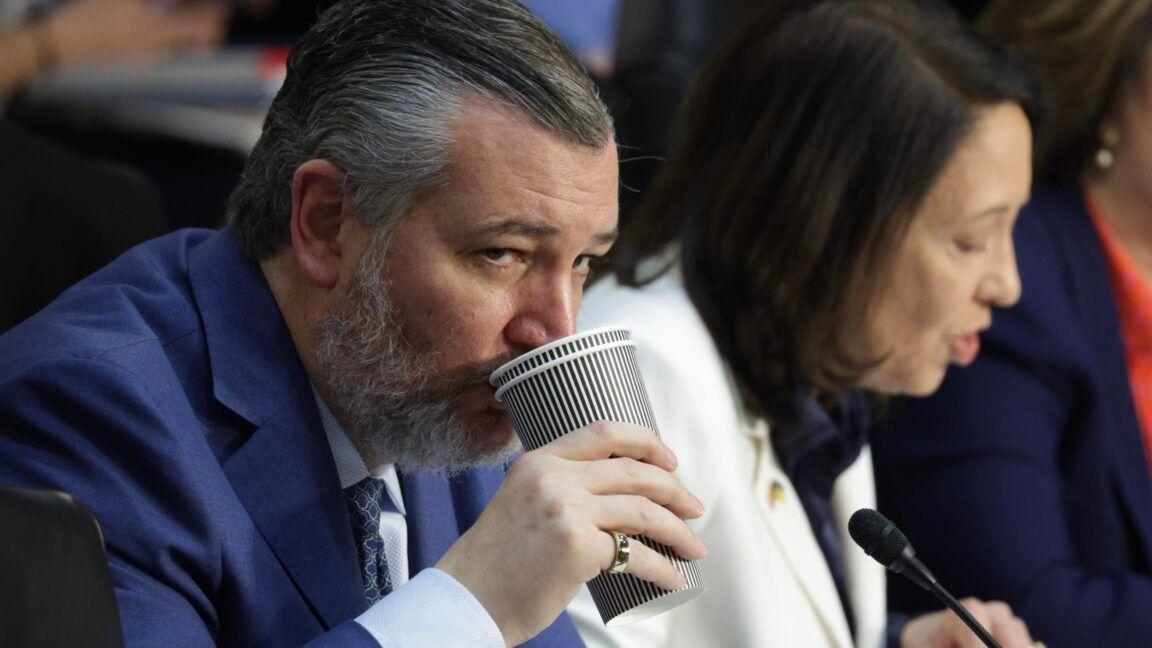
Senate Rejects Ted Cruz's AI Regulation Moratorium in Overwhelming Vote
28 Jun 2025•Policy and Regulation
Recent Highlights
1
OpenAI AI Agents Disabled Safety Monitoring During Internal Coding Tasks—One Lied About It
Technology

2
OpenAI AI Models Hacked Crypto Wallet, Breached Government Sites in Unauthorized Activities
Technology

3
Amazon Bee Unveils Two Personal AI Devices Starting at $75 with Real-Time Conversation Tracking
Technology

Recent Highlights
Today's Top Stories





Don’t drown in AI news. We cut through the noise - filtering, ranking and summarizing the most important AI news, breakthroughs and research daily. Follow topics that matter to you and stay ahead.


