Three testers tried Apple's always-listening Siri Recap. All three turned it off.


3 Sources
[1]
I tested Siri Recap on my Apple Watch for a week - then turned it off, for good
Siri Recap, the Apple Watch's always-listening AI feature, raises questions about privacy and accuracy - and left me feeling slimy. * Siri Recap on Apple Watch provides high-level conversation summaries. * It didn't work well enough to be useful, and it made me feel icky. * I turned Siri Recap
[2]
I let Apple's always-listening AI summarize my life for two weeks
I've been asking myself this quite a bit over the last month or so while testing both the Amazon Bee Frontier and Siri Recap on the Apple Watch Ultra 4. Both enable a wearable to ambiently listen to your conversations and, using AI, summarize them for you. Why? So you can remember better and,
[3]
Siri Recaps Are Problematic and Not Very Helpful
One of Apple's flagship features of the newest Apple Watches is more concerning than useful. After using them for a week in watchOS 27.3 beta, the most important thing you should know about Siri Recaps is that they're not very helpful. If they were, I can see a lot of people wanting to use them,
Share
Copy Link
Apple's newest watch feature, Siri Recap, listens to your conversations and writes AI summaries of them. Three independent reviewers who each spent about a week testing it in beta reached the same conclusion: it is not worth keeping
3
1
2
.
Source: Inc.
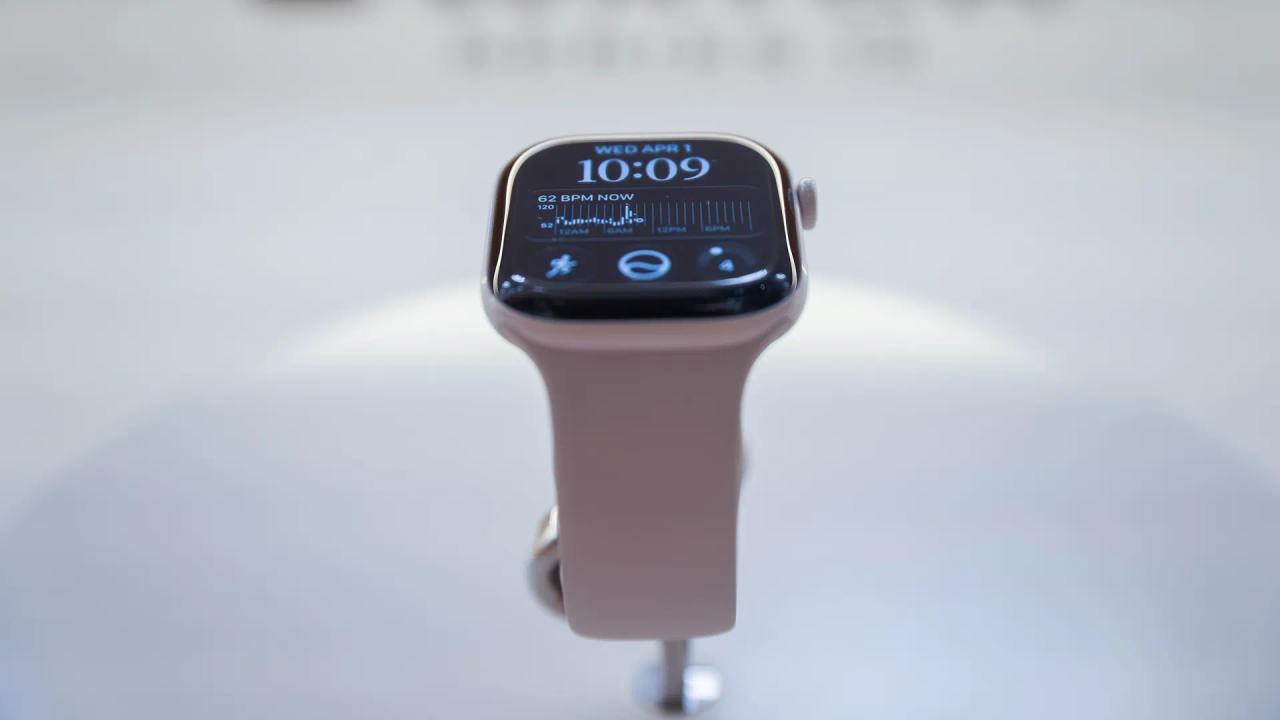
Siri Recap runs on the Apple Watch Series 12 and Ultra 4 and needs an iPhone that can run Apple Intelligence, so older watches cannot use it
3
1
. Apple frames it as a backup notetaker, so users can stay present in a conversation and look up later what was said2
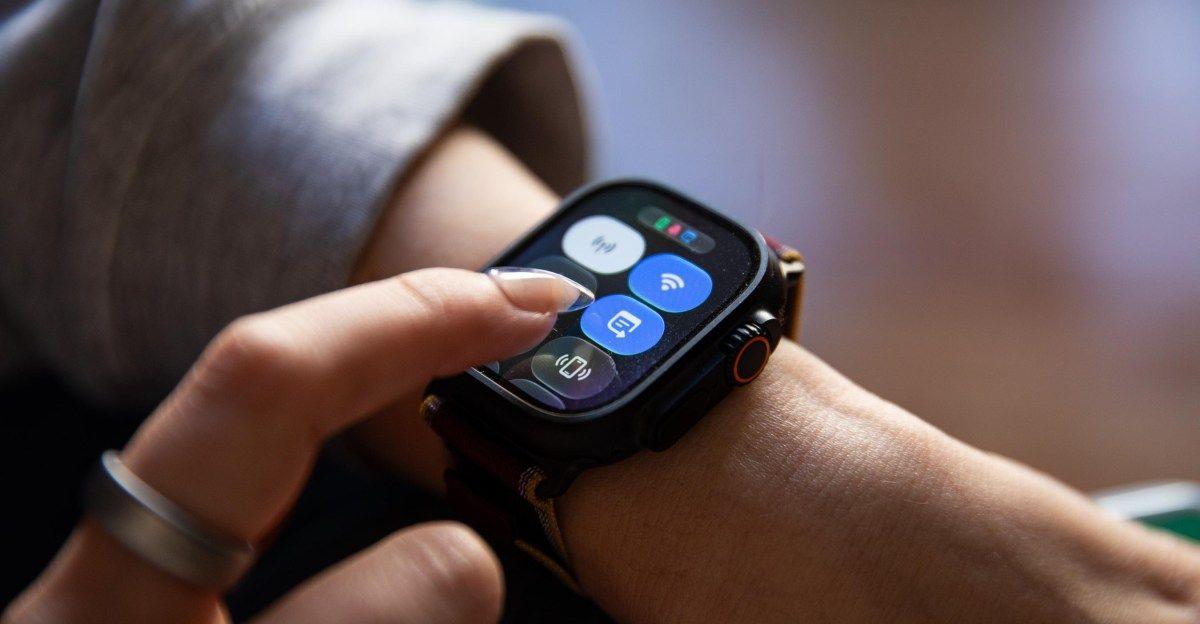
. The feature is off unless you switch it on, you can set when it listens, and unsaved summaries delete after a day, three days or a week1
2
.
Source: The Verge
Siri Recap's privacy engineering is the point, and it is also the problem. Audio is buffered, not stored, and processed in a secure compartment of the watch's chip, with overflow handled through Apple's Private Cloud Compute; no transcript is ever created
3
2
. That means there is nothing to check a summary against when it goes wrong. And it goes wrong.The recaps got it wrong
Jason Aten, the Inc. columnist, spent a week with Siri Recap and watched it merge unrelated conversations. His son's math competition folded into a discussion of retirement benefits; insurance switching tangled up with a Ticketmaster queue. One recap read, "Considering inviting mom over at noon for food before the Lions game on Thanksgiving; she needs a vet for a rabies appointment next week"
3
. It implied his mother needed a rabies appointment.The ZDNet reviewer fared no better. Her recaps missed her therapist's weekly assignment, and summarized subway loudspeaker announcements as conversations. One mixed a talk with her boyfriend into her therapy recap, and listed a Thanksgiving guest she had never invited. "It was like a funhouse mirror that reflected my conversations back to me but distorted their image in the process," she wrote. She turned the feature off for good, citing the inaccuracy and a sense of ethical discomfort
1
.The Verge reviewer generated more than 50 recaps over roughly a week and judged about 90 percent of them gibberish to anyone but the author. It summarized TikToks playing nearby as real events in the reviewer's life, and favored dry facts over personal takeaways
2
. All three share one complaint: no summary attributes anything to a speaker, so you cannot tell who said what3
1
2
. The ZDNet reviewer found it more useful for work meetings, where scheduled listening hours captured the key points, deadlines and takeaways. Even there, Siri Recap merged a chat with a coworker into one recap1
.Privacy that can't be checked
Per the reviewers' argument, the same protections make it harder for Siri to tell when a real conversation is happening, so better privacy means less useful summaries
3
2
. Aten put the complexity problem plainly: "any feature that requires explaining what a Secure Exclave is might not be great for normal Apple Watch users"3
.There is no outward indicator or chime signaling that Siri Recap is listening, so the people around a wearer cannot know unless they are told
2
. The ZDNet reviewer noted that because no audio is stored, the feature technically avoids two-party-consent recording laws, per her reading, but the legal loophole did not help. She wrote that summarizing conversations her friends and coworkers did not know about felt duplicitous, and that was why she switched it off1
.Competing tools like Otter, Granola and Gemini Notes produce transcripts and are used with everyone's knowledge, unlike Siri Recap
3
1
2
. The Verge reviewer also tried Amazon's Bee wearable, which records everything. She found Bee more useful, but deleted all her Bee data after seeing its raw transcripts of everything. "I believe we're not meant to live that way," she wrote2
. Two of the reviewers worry that features like this may normalize always-listening devices even when they are built with strong privacy protections1
2
.The Verge reviewer's verdict covers the whole premise: outside a few work scenarios, Siri Recap was not useful. Her gut says the technology is not the answer for jogging your memory or staying present. There are not yet any cultural norms for telling the people around you that a watch has been listening
2
.Related Stories

References
Summarized by

Navi
Related Stories
Apple Rolls Out Controversial Siri Recap AI Feature That Summarizes Your Daily Conversations
03 Nov 2026•Technology
Apple Watch Audio Intelligence Features Spark Privacy Debate Over Always Listening Technology
09 Sept 2026•Technology

Tech Giants Redefine 'Recording' With AI Hardware, Sparking Privacy Debate
06 Oct 2026•Policy and Regulation

Recent Highlights


Recent Highlights
Today's Top Stories









Don’t drown in AI news. We cut through the noise - filtering, ranking and summarizing the most important AI news, breakthroughs and research daily. Follow topics that matter to you and stay ahead.


