3 Sources
[1]
Tesla's Autopark is about to get a lot smarter, Musk claims
Tesla's FSD is getting several major upgrades soon. Credit: Tesla Automatic parking is one of those features that sound great in theory, but in practice you often just take over and park the car yourself, be it because the car is too slow or it chooses the wrong parking spot. According to Tesla CEO Elon Musk ,destination parking on Full Self-Driving is "by far the biggest reason people now intervene with FSD." But the company is working to fix this, and Autopark should be getting a big upgrade soon. "Upcoming releases of FSD will remember your parking preferences, so that the car goes to the right location at your home, office, school drop off, etc," he wrote on X. Musk did not share any details about timing and availability. In a different tweet, he replied to someone asking when Tesla drivers will be able to use Tesla's built in AI chatbot Grok to issue driving commands. "Need to be able to converse w/ Grok like we can with an Uber driver: "Hey Grok, turn right here." "Drop us off right here, we'll walk due to traffic." "Drop at entrance first, then park far away," said the tweet. "This functionality will be there in about 3 months or so," wrote Musk.
[2]
Tesla teases new FSD features -- but it's still not the self-driving promised
Elon Musk says Tesla's Full Self-Driving will soon remember your parking preferences and let you talk to it through Grok, like giving directions to an Uber driver. The features sound useful, and they reflect how genuinely impressive FSD has become -- but they also underscore that it remains a supervised driver-assist system, not the unsupervised self-driving Tesla has sold to owners for years. What Musk announced In a post on X on Wednesday, Musk said upcoming FSD releases "will remember your parking preferences, so that the car goes to the right location at your home, office, school drop off, etc." He was responding to Y Combinator partner Tom Blomfield, who praised FSD and shared a screenshot showing 96% autonomous usage and a 13-day streak, noting he rarely intervenes except for a tricky garage maneuver. Musk added a telling data point: "Destination parking is by far the biggest reason people now intervene with FSD. Critical safety interventions are extremely rare." Separately, Musk said Tesla owners could soon talk to FSD through Grok -- issuing natural-language commands like "turn right here" or "drop us off here" -- and estimated the feature could arrive in "about 3 months or so." Parking has been a persistent weak spot. When FSD enters a lot, it tends to grab the first open space it detects, forcing drivers to take over when the car picks a spot too close to other cars or too far from the entrance. The new feature would have the car learn from past parking behavior instead. It builds on a string of recent parking-focused work, including Tesla's 33% speed increase to Actually Smart Summon in the v14.3.3 update, which unified the AI models powering consumer FSD, the Robotaxi fleet, and Summon into a single architecture. The features are real -- and so is the gap There's no question FSD has gotten good. We recently described the latest builds as so smooth they create a complacency problem, where the system performs well enough that drivers risk trusting it more than they should. That's the point worth sitting with. Remembering parking spots and taking voice commands are quality-of-life upgrades to an advanced driver-assistance system. They are not steps that turn a supervised system into an unsupervised one. Tesla has sold FSD as a car that will drive itself without human input since 2016, when it began charging for the feature on the promise of full autonomy. A decade later, the company's own framing of Wednesday's news -- that parking is "by far the biggest reason people now intervene" -- confirms that people are still intervening. That matters, because "intervene" is doing heavy lifting. A system that requires the driver to take over, for parking or anything else, is by definition still supervised. Musk's claim that "critical safety interventions are extremely rare," but he doesn't share any data to show how rare we are talking about. Current crowdsource data points to a critical intervention every ~3,000 miles, which is good, but nowhere near a human or unsupervised level. The timeline problem, again Musk put the Grok voice feature at "about 3 months or so" and gave no date at all for parking preferences -- though Tesla has been shipping new FSD versions every few weeks, so the parking update could land soon. The bigger promise is the one that keeps slipping. Musk said again in May that unsupervised FSD would be "widespread" in the US by year-end -- a target he has now moved repeatedly. On the Q1 earnings call, Tesla pushed unsupervised FSD for personal cars to Q4 2026 "at the earliest." Meanwhile, the unsupervised product that does exist remains tiny. Tesla's "Robotaxi" service expanded to the entire Austin metro this month with only about 20 vehicles, a year after launch. Electrek's Take Let's be fair: FSD is one of the most impressive driver-assistance systems on the road, and these new features will make it nicer to use. Learning your preferred parking spot is exactly the kind of polish that comes from a mature product, and voice control through Grok could be a real convenience. But we have to measure Tesla against what it sold, not just against other driver-assist systems. Tesla has charged customers for "Full Self-Driving" for nearly a decade on the explicit promise that the car would eventually drive itself with no one behind the wheel. By Tesla's own description this week, drivers are still intervening -- the company is just working to reduce how often. That's the whole story in one announcement. When the headline feature is "the car will remember where you like to park so you stop having to take over," you are describing a sophisticated assistant, not an autonomous vehicle. Reducing interventions is not the same as eliminating the driver, and "extremely rare" safety interventions are still safety interventions. The features are good. The product is impressive. It's just still not the thing it's named after -- and after ten years, the gap between "Full Self-Driving" and full self-driving is the only number that really matters. How many more features arrive before that one closes? If you're a Tesla owner, powering your EV with home solar is one of the smartest ways to lock in low driving costs. With electricity rates climbing nearly 10% last year, home solar protects you against future rate increases. And with lease and PPA options, you can go solar with zero upfront cost and start saving immediately. If you want to find the best deal, check out EnergySage. It's a free service with hundreds of pre-vetted installers competing for your business, so you save 20 to 30% compared to going it alone. No sales calls until you pick an installer. Get your free quotes here.
[3]
Elon Musk Says Tesla FSD Will Remember 'Parking Preferences' At Home, Office And School Drop-Off In Upcom
Musk Says FSD Will Remember Parking Preferences "Upcoming releases of FSD will remember your parking preferences, so that the car goes to the right location at your home, office, school drop off, etc.," Musk wrote on Wednesday on X. Musk said destination parking remains "by far" the biggest reason people intervene while using FSD. He added that "critical safety interventions are extremely rare." The comment came in response to a post from entrepreneur and Y Combinator partner Tom Blomfield, who praised Tesla's Full Self-Driving and said he rarely intervenes except for a tricky garage maneuver. His post included a screenshot showing 96% autonomous usage, a 13-day streak and consistent monthly self-driving mileage. Parking Remains A Weak Spot For FSD Parking has remained a weak spot for Tesla's driver-assistance system. According to a Teslarati report, when FSD enters a parking lot, it often targets the first open space it detects. That can force drivers to intervene if the car chooses a spot too close to other vehicles, too far from an entrance, or otherwise inconvenient. Musk did not give a release date. But Tesla has been rolling out new FSD versions every few weeks, suggesting the parking update could arrive soon if testing holds. The feature fits into Tesla's broader effort to reduce human input from start to finish of a trip. Electrek recently reported that Tesla upgraded its Actually Smart Summon parking-lot feature with unified AI models, raising its top speed to 8 mph and improving responsiveness. Musk has also hinted at fixes for multi-level parking garages. Safety Scrutiny Shadows New Software Push Price Action: Tesla shares closed 2.05% at $396.38 on Wednesday. Shares were up 0.33% to $397.66 during the after-hours trading. According to Benzinga Edge Rankings, Tesla stock provides excellent Growth and Quality, while also offering a favorable price trend in the Short, Medium and Long term. Photo Courtesy: Frederic Legrand - COMEO on Shutterstock.com Market News and Data brought to you by Benzinga APIs To add Benzinga News as your preferred source on Google, click here.
Share
Copy Link
Tesla is upgrading its Full Self-Driving system to remember where users prefer to park at home, work, and school drop-offs. Elon Musk revealed that destination parking is the top reason drivers intervene with FSD, with critical safety interventions being extremely rare. The update aims to reduce manual takeovers, though the system remains supervised rather than fully autonomous.
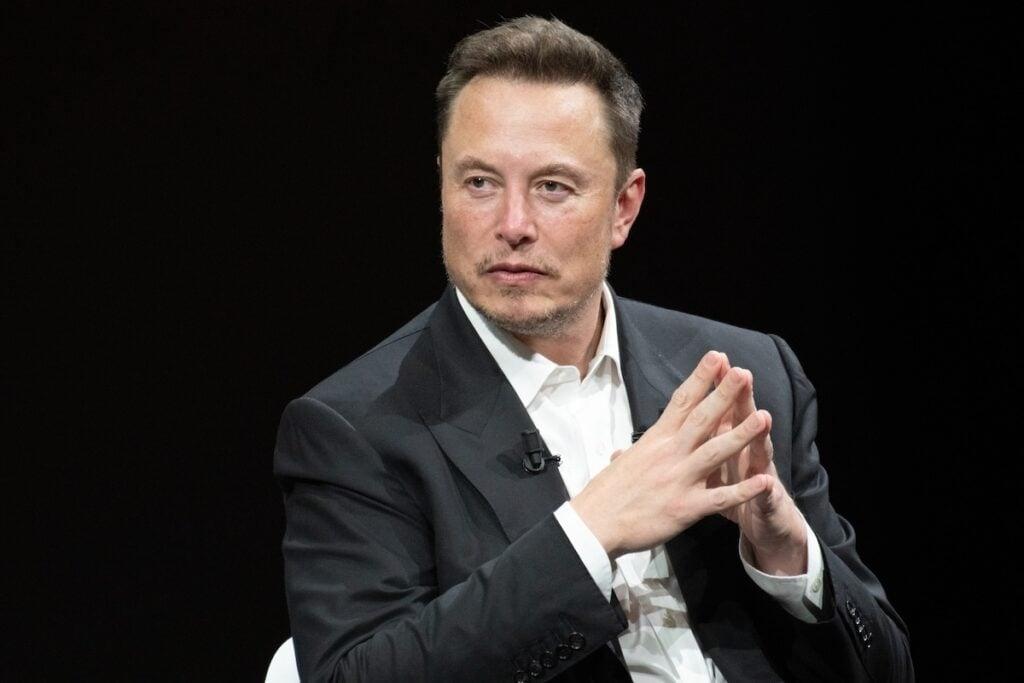
Tesla is preparing to roll out significant upgrades to Autopark feature that will fundamentally change how its Full Self-Driving system handles destination parking. Elon Musk announced on X that upcoming releases of Tesla FSD will remember parking preferences, allowing vehicles to automatically navigate to preferred spots at home, office, school drop-offs, and other frequent destinations
1
2
. The announcement came as Musk revealed that destination parking remains "by far the biggest reason people now intervene with FSD," while noting that critical safety interventions are extremely rare3
.
Source: Benzinga
Musk was responding to Y Combinator partner Tom Blomfield, who shared data showing 96% autonomous usage and a 13-day streak with his Tesla, noting he rarely intervenes except for a tricky garage maneuver
2
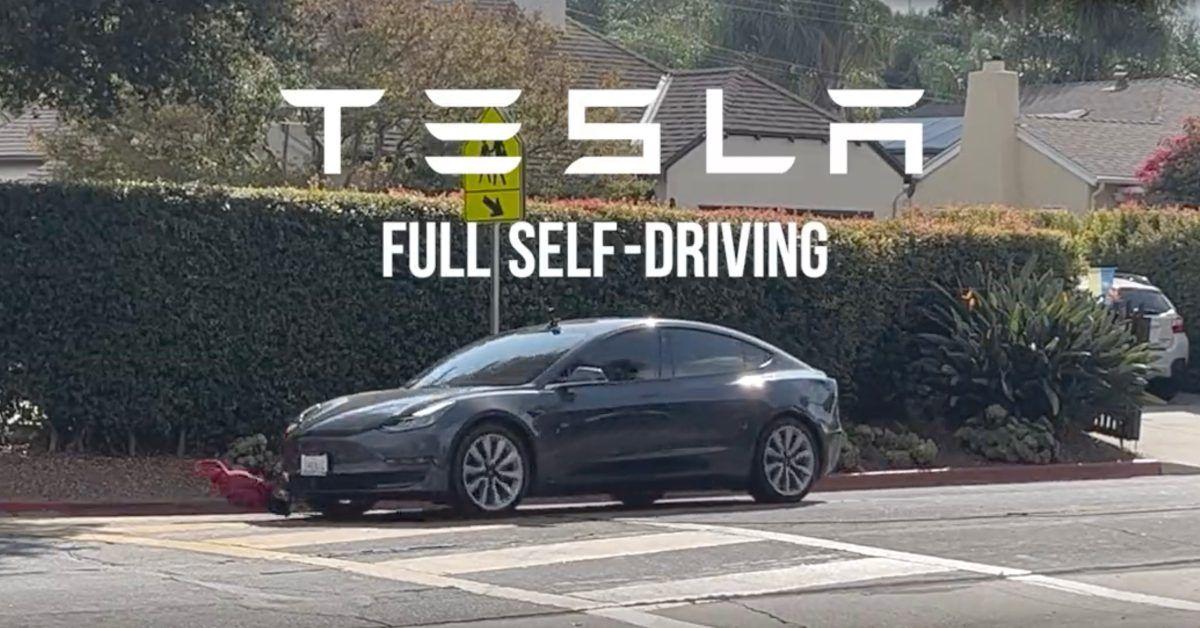
. This user feedback highlights the persistent gap in Tesla's AI-driven autonomous driving capabilities when it comes to parking execution.The current Full Self-Driving system struggles with parking lot navigation, often targeting the first open space it detects rather than making contextually appropriate choices
3
. This forces drivers to take manual control when the vehicle selects spots too close to other cars, too far from entrances, or otherwise inconvenient. The planned upgrade would have Tesla FSD learn from past parking behavior instead of defaulting to the nearest available space.
Source: Electrek
This development builds on recent parking-focused improvements, including a 33% speed increase to Actually Smart Summon in the v14.3.3 update, which unified AI models powering consumer FSD, the Robotaxi fleet, and Summon into a single architecture
2
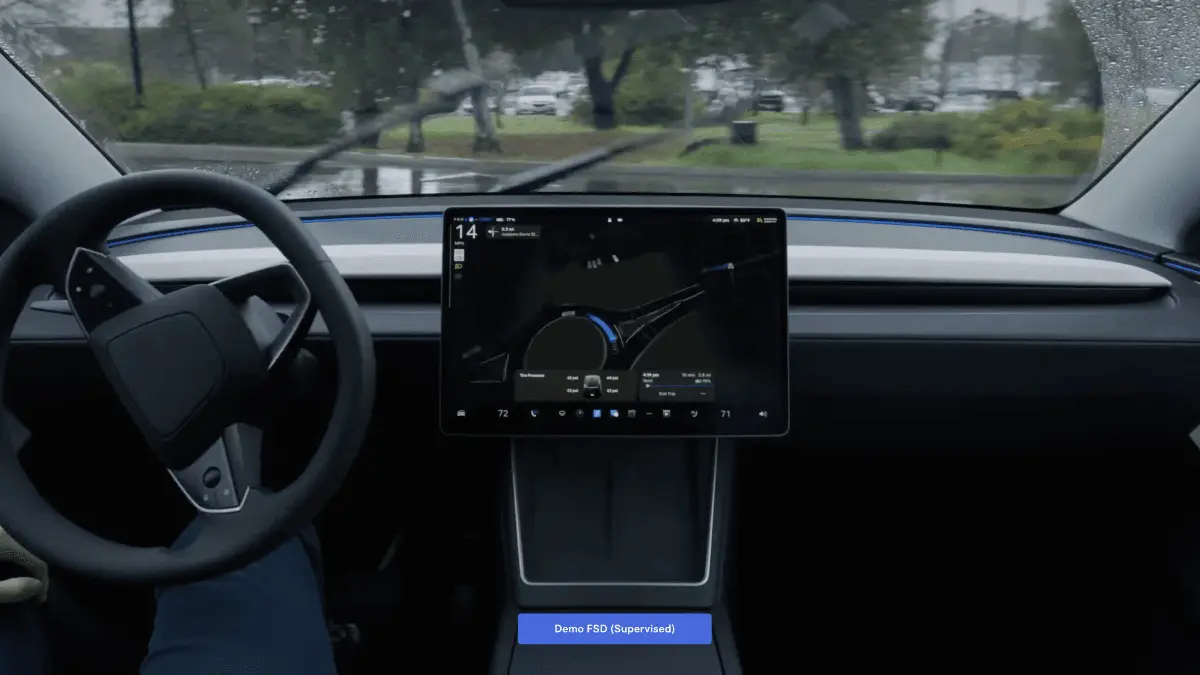
. Musk has also hinted at addressing challenges with multi-level parking garages.In a separate announcement, Musk said Tesla owners will soon control FSD through Grok voice commands, enabling natural-language instructions like "turn right here" or "drop us off here, we'll walk due to traffic"
1
. He estimated this in-car AI assistance feature could arrive "in about 3 months or so"1
. This would create an experience similar to directing an Uber driver, adding flexibility to the supervised driver-assist system.
Source: Mashable
While Musk provided no specific timeline for the parking preferences feature, Tesla has been shipping new FSD versions every few weeks, suggesting the update could land soon.
Related Stories
These upgrades to Autopark feature represent quality-of-life improvements to an advanced system, but they underscore that Tesla FSD remains a supervised driver-assist system rather than the unsupervised self-driving capability Tesla has marketed since 2016
2
. Current crowdsource data points to a critical intervention approximately every 3,000 miles, which represents progress but falls short of human-level reliability or true autonomy2
.Musk stated in May that unsupervised FSD would be "widespread" in the US by year-end, though Tesla pushed the timeline for unsupervised FSD in personal cars to Q4 2026 "at the earliest" during the Q1 earnings call
2
. Meanwhile, Tesla's Robotaxi service expanded to the entire Austin metro with only about 20 vehicles, a year after launch2
.For Tesla owners and the broader autonomous vehicle industry, these updates signal continued refinement of AI-driven autonomous driving technology. The focus on reducing interventions through learned preferences and voice control demonstrates how machine learning can adapt to individual user patterns. However, the acknowledgment that parking remains the primary intervention trigger reveals the distance between current capabilities and the fully autonomous future Tesla has promised for nearly a decade.
Summarized by
Navi
1
Policy and Regulation

2
Policy and Regulation

3
Policy and Regulation