Tesla Reverses Course, Now Building AI-Based Mapping System for Full Self-Driving Technology


2 Sources
[1]
Tesla now says it needs its own maps for FSD after years of dismissing maps
Tesla says it's building its own maps to fix some of the most common problems with its "Full Self-Driving" system, including reading speed limits, parking, and choosing routes. The company's head of AI described the effort on Tesla's Q3 2026 earnings call. It's a notable shift for a company whose
[2]
Tesla Is Building AI-Powered Maps for Self-Driving - Tesla (NASDAQ:TSLA)
Tesla Inc (NASDAQ:TSLA) is building an AI-based mapping system that will draw on information from its vehicle fleet and learn from both individual preferences and patterns across its cars. That could make mapping more integral to autonomous driving -- but Tesla has not said it is directly trying
Share
Copy Link
Tesla announced it's developing its own AI-powered maps using data from its vehicle fleet to address persistent issues with its Full Self-Driving system. The shift marks a significant departure from CEO Elon Musk's years-long stance against mapping technology, as the company now acknowledges vision-based AI alone cannot reliably handle speed limits, parking and route selection.
Tesla Announces AI-Based Mapping System for Autonomous Driving
Tesla is building its own AI-based mapping system to address persistent problems with its Full Self-Driving system, marking a significant strategic shift for the automaker. During Tesla's Q3 2026 earnings call, Ashok Elluswamy, VP of AI at Tesla, confirmed the company is developing "an entirely new architecture with essentially AI-based mapping and navigation."
1
The announcement addresses three critical issues: reading speed limits, parking and destination handling, and route selection—areas where Tesla's Full Self-Driving system continues to struggle despite years of development.Fleet Data Powers New Navigation System
The AI-powered maps for self-driving will draw directly from data from Tesla's fleet, with Elluswamy explaining that "the collective intelligence of all the cars is going to flow into making the maps and navigation be super cool."
2
This fleet-based approach means millions of Tesla vehicles will contribute real-world observations to build and continuously update the mapping layer. The system is designed to learn both individual driver preferences and fleet-wide patterns, creating a personalized yet collectively informed navigation experience. Elluswamy stated during the shareholder Q&A that "we shouldn't be depending on external people's maps," signaling Tesla's intent to move away from third-party mapping providers.2
Dramatic Departure from Previous Stance
This represents a dramatic reversal from Tesla CEO Elon Musk's long-held position on mapping technology. At Tesla's 2019 Autonomy Day, Musk called relying on high-precision maps "a really bad idea" that makes self-driving systems "extremely brittle."
1
For years, Musk argued that Tesla's vision-based AI approach using cameras alone would solve autonomous driving anywhere, without needing the detailed maps that competitors like Waymo rely on. The shift suggests that camera-only approach has proven insufficient for reliably understanding the driving environment, particularly for fundamental tasks like reading speed limit signs.Speed Limit Problems Highlight Vision System Limitations
Real-world testing has exposed serious flaws in Tesla's Full Self-Driving system's ability to interpret basic road information. Last month, a Belgian road safety group found that FSD sped in 55% of the 30 km/h zones tested in Brussels, averaging 44 km/h—nearly 50% over the limit.
1
The problem stemmed from the car's screen displaying incorrect 50 km/h limits in most tested zones. In the United States, the National Highway Traffic Safety Administration is considering an investigation into claims that Tesla Robotaxis speed through active school zones, covering approximately 1,000 Model Y and Cybercab vehicles.1
These incidents underscore the regulatory scrutiny Tesla faces as it expands its robotaxi service while struggling with fundamental perception tasks.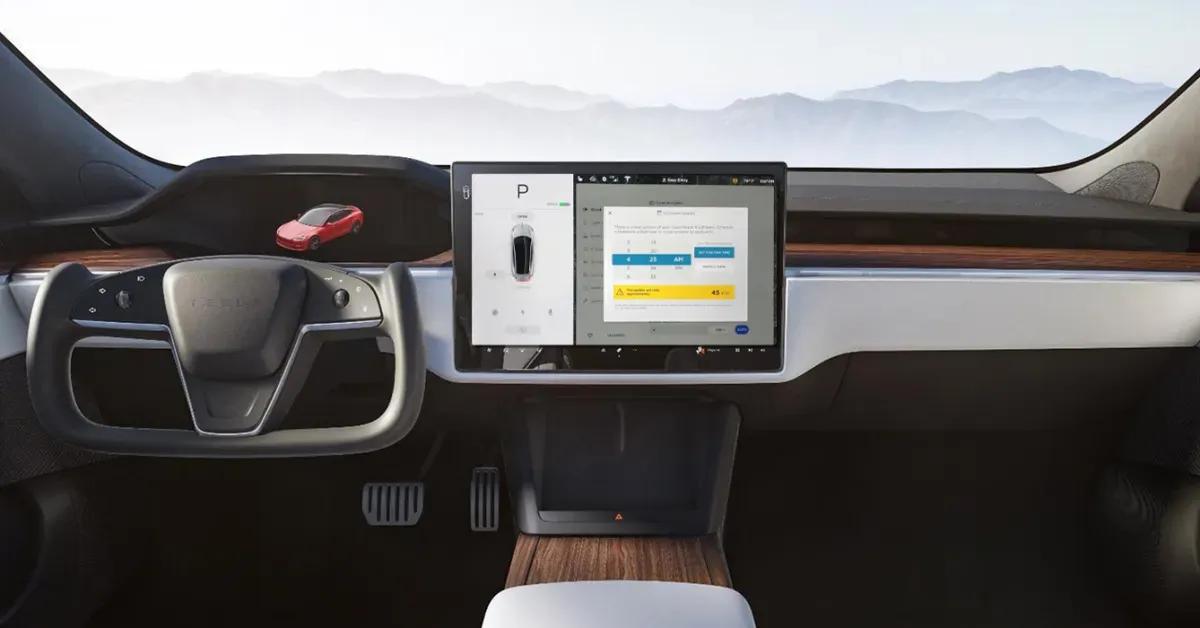
Source: Electrek
Rollout Timeline and Parking and Destination Handling
Tesla plans to implement the new mapping capabilities in stages, beginning with FSD v15. Elluswamy indicated the technology will start handling trip start and end points "pretty soon" with the V15 release.
2
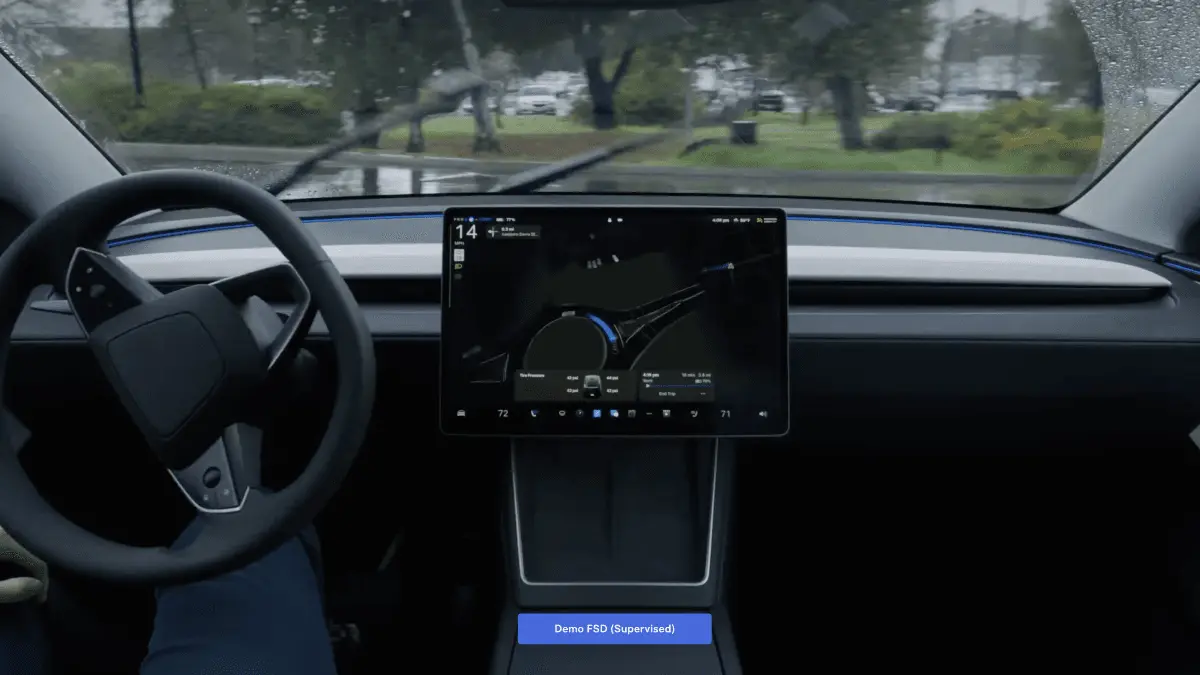
Over subsequent months, the system will progressively take over navigation functions, parking and destination handling. The phased approach suggests Tesla recognizes these are complex challenges requiring careful validation before full deployment. For investors and users, the critical test will be whether the AI-based mapping system can actually solve the speed limit, parking, and route selection problems that have plagued the Full Self-Driving system.Related Stories



Convergence with Waymo's Approach
Tesla's fleet is now functioning as a mapping fleet, collecting environmental data to build maps that help every vehicle drive better—an approach remarkably similar to Waymo's methodology. Waymo maps cities by driving sensor-equipped vehicles through them before launching service, then keeps those maps updated as its fleet operates.
1
The primary difference is Waymo uses lidar sensors while Tesla relies on cameras. Additionally, Tesla's robotaxi service operates city by city within small geofenced areas with Tesla managing fleet operations, mirroring Waymo's deployment strategy rather than the "drive anywhere" vision Musk originally promoted. While Tesla isn't currently discussing centimeter-level HD maps, a fleet-built map that continuously gains detail could evolve in that direction.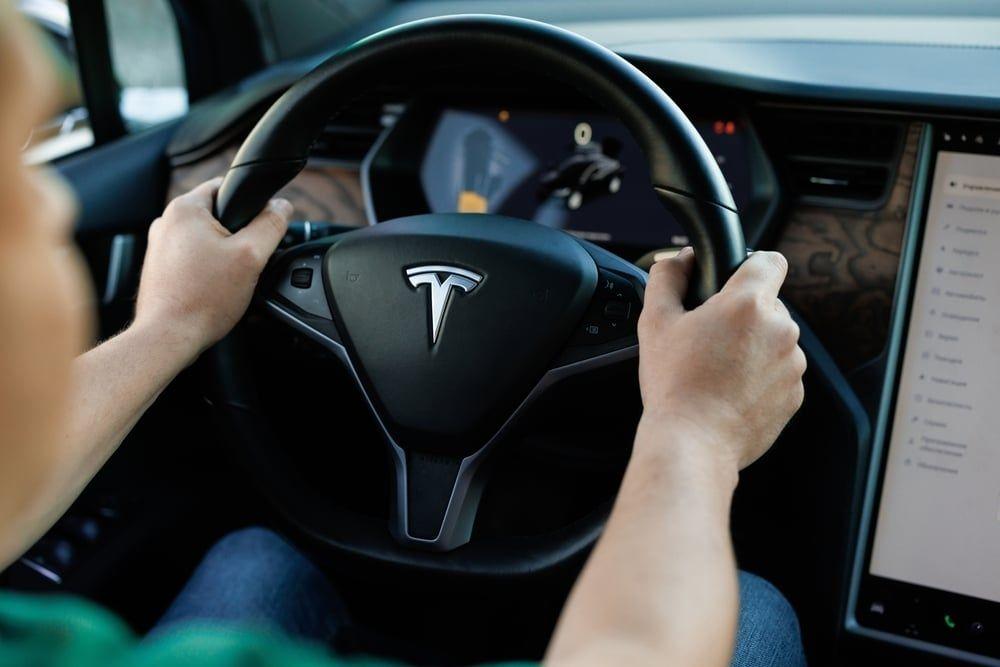
Source: Benzinga
Strategic Implications for Autonomy Stack
The mapping initiative carries significant implications for Tesla's autonomy stack and competitive positioning in autonomous driving. The system is expected to go beyond simple turn-by-turn directions, learning personalized preferences plus fleet preferences to improve both individual and collective performance.
2
While Tesla hasn't indicated plans to directly challenge Google Maps as a consumer application, the project suggests autonomous vehicles require mapping and navigation system tools designed specifically around vehicle needs rather than human route selection. For Tesla's expanding robotaxi service, reliable parking and destination handling could become critical operational capabilities. However, the camera-only approach continues to face severe scrutiny from safety advocates and federal regulators who warn about visibility vulnerabilities inherent in vision-only systems.2
Watch for FSD v15 deployment speed and real-world evidence that the new navigation system actually resolves the fundamental perception problems that have limited Tesla's Full Self-Driving system for years.References
Summarized by

Navi
Related Stories
Recent Highlights



Recent Highlights
Today's Top Stories


Don’t drown in AI news. We cut through the noise - filtering, ranking and summarizing the most important AI news, breakthroughs and research daily. Follow topics that matter to you and stay ahead.


