Tesla's Ambitious Robotaxi Plans: Promises and Challenges for 2025 Launch


5 Sources
[1]
Will Paid Robotaxis Be a Reality in 2025?
Paid robotaxis have generated much speculation and excitement due to Tesla's recent plans. Elon Musk's ambitious goal is to launch a fully autonomous ride-hailing service in 2025. However, this idea is quite challenging. This article examines the current state of Tesla's robotaxi plans. We will
[2]
Tesla promises paid robotaxis next year, but significant hurdles remain
Tesla CEO Elon Musk on Wednesday said the electric vehicle maker will roll out driverless ride-hailing services to the public in California and Texas next year, a claim likely to face significant regulatory and technical challenges. "We think that we'll be able to have driverless Teslas doing paid
[3]
Tesla promises paid robotaxis next year, but significant hurdles remain
(Reuters) - Tesla CEO Elon Musk on Wednesday said the electric vehicle maker will roll out driverless ride-hailing services to the public in California and Texas next year, a bold claim likely to face significant regulatory and technical challenges. "We think that we'll be able to have driverless
[4]
Tesla Promises Paid Robotaxis Next Year, but Significant Hurdles Remain
(Reuters) - Tesla CEO Elon Musk on Wednesday said the electric vehicle maker will roll out driverless ride-hailing services to the public in California and Texas next year, a bold claim likely to face significant regulatory and technical challenges. "We think that we'll be able to have driverless
[5]

Tesla's Robotaxis Could Arrive on Texas and California Roads by 2025
The general public may hail a Tesla self-driving robotaxi as early as 2025 - and employees are already testing it out on some San Francisco Bay Area roads. On an earnings call on Wednesday, CEO Elon Musk said the company plans to launch its self-driving robotaxis in Texas and California next year.
Share
Copy Link
Tesla CEO Elon Musk announces plans to launch driverless robotaxis in California and Texas by 2025, facing regulatory hurdles and technical challenges.

Tesla's Bold Vision for Autonomous Ride-Hailing
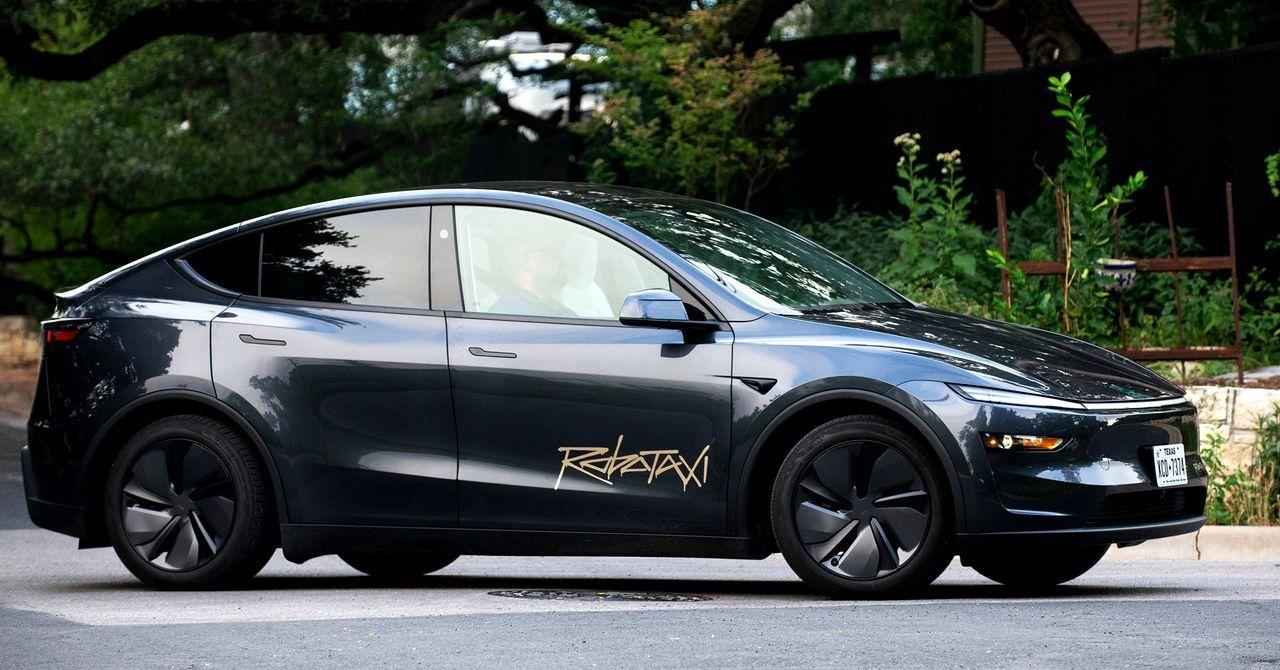
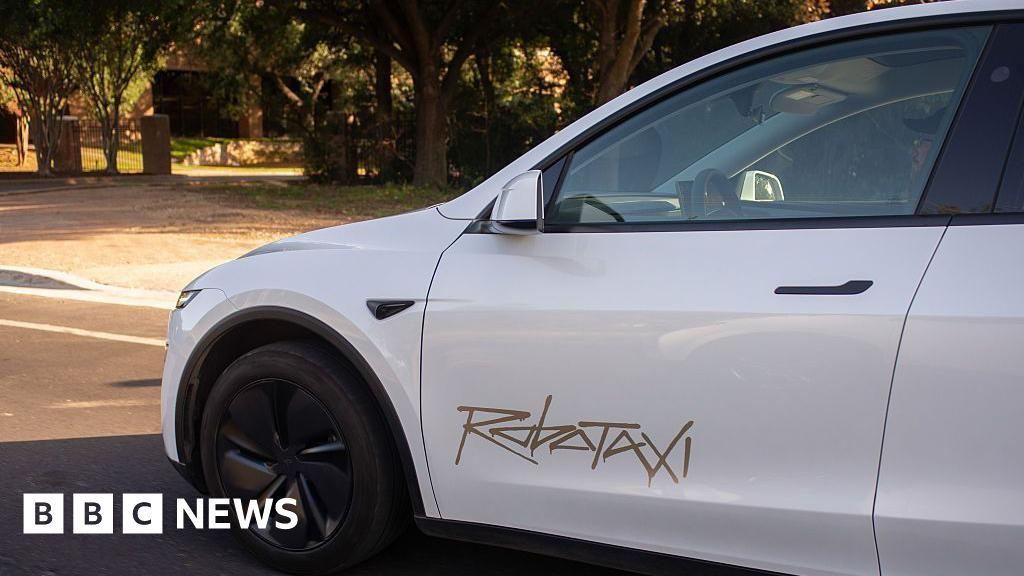
Elon Musk, CEO of Tesla, has announced ambitious plans to launch driverless robotaxis in California and Texas by 2025. This move represents a significant step towards Tesla's vision of autonomous transportation, with Musk claiming, "We think that we'll be able to have driverless Teslas doing paid rides next year"
2
3
4
.The Cybercab: Tesla's Autonomous Vehicle
At the heart of Tesla's robotaxi plans is the "Cybercab," a two-seater, two-door vehicle unveiled at a recent event. This futuristic vehicle lacks a steering wheel and pedals, relying instead on sophisticated artificial intelligence and cameras for navigation
1
2
. Musk projects that the Cybercab will cost "below $30,000" and will charge via induction5
.Current Testing and Development
Tesla is already testing its robotaxi service internally in the San Francisco Bay Area. Employees can summon autonomous vehicles using a prototype app, allowing the company to gather valuable data on the Cybercab's operational capabilities
1
2
. However, these test rides currently include a human driver who can intervene if necessary5
.Regulatory Challenges
The rollout of Tesla's robotaxi service faces significant regulatory hurdles, particularly in California. The California Department of Motor Vehicles reported that Tesla last used its autonomous vehicle testing permit in 2019, which required a safety driver. Currently, Tesla has not applied for a permit to test vehicles without a driver
2
3
4
.In contrast to Tesla's ambitious timeline, companies like Alphabet's Waymo spent years logging millions of miles of testing before receiving their first permit from the California Public Utilities Commission
2
3
4
.Technical Challenges and Safety Concerns
Tesla's Full Self-Driving (FSD) software, which underpins its robotaxi ambitions, has faced scrutiny from regulators. Recently, the U.S. National Highway Traffic Safety Administration (NHTSA) opened an investigation into 2.4 million Tesla vehicles equipped with FSD after four reported collisions, including a fatal crash in 2023
2
3
4
.Despite these concerns, Musk remains confident about the safety of Tesla's autonomous technology, claiming that it will eventually be "much safer than a human driver by mid-2025"
1
.Related Stories


Market Impact and Competition
The announcement of Tesla's robotaxi plans has already impacted the ride-hailing market, with shares of companies like Uber and Lyft dropping 2.3% in post-market trading
2
3
. This highlights the potential disruption that successful implementation of robotaxis could bring to the transportation industry.Tesla's entry into the autonomous ride-hailing market puts it in competition with established players like Waymo, which already offers paid rides in autonomous vehicles in several U.S. cities, and emerging competitors like Amazon's Zoox
5
.The Road Ahead
While Tesla's plans are ambitious, the path to widespread robotaxi deployment is fraught with challenges. Regulatory approval, particularly in California, remains a significant hurdle. Musk acknowledged this, stating, "It's not something we totally control," but expressed confidence in obtaining approval by next year
2
3
4
.As Tesla moves forward with its robotaxi plans, the company is poised to transform from a vehicle and battery company into a key player in the autonomous transportation revolution. The success of this venture could significantly impact the future of urban mobility and Tesla's position in the automotive industry.
References
Summarized by

Navi
[1]
[3]
Related Stories
Recent Highlights



Recent Highlights
Today's Top Stories






Don’t drown in AI news. We cut through the noise - filtering, ranking and summarizing the most important AI news, breakthroughs and research daily. Follow topics that matter to you and stay ahead.


