Texas Gov. Abbott Pauses Flock Camera Funding as Public Backlash Against AI Surveillance Intensifies


2 Sources
[1]
Editorial: Gov. Abbott's Flock camera pause deserves deeper questions
By The Dallas Morning News Editorial Board, The Dallas Morning News The Tribune Content Agency The backlash against Flock cameras and AI data centers crosses every sort of boundary - political, rural/urban and racial. When so many people are so upset about the world rising up around them,
[2]
Gov. Abbott's Flock camera pause deserves deeper questions - The Korea Times
It says data centers have become a target of community opposition as the AI revolution has taken root, with concerns ranging from job losses to existential fears. The backlash against Flock cameras and AI data centers crosses every sort of boundary -- political, rural/urban and racial. When so
Share
Copy Link
Greg Abbott has paused state funding for additional Flock cameras in Texas following widespread public opposition to AI-powered surveillance technologies and data centers. The backlash crosses political, geographic, and racial lines, reflecting growing concerns about surveillance capitalism, data privacy, and technological intrusion into communities.
Gov. Abbott's Flock Camera Pause Signals Broader Technology Concerns
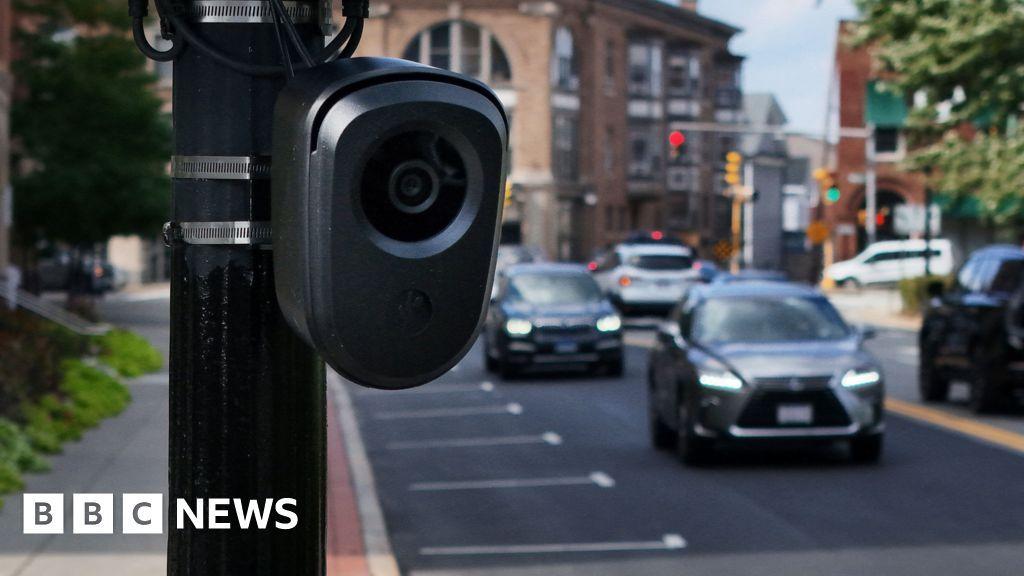
Greg Abbott has decided to pause state funding for additional Flock cameras in Texas, responding to mounting public backlash against AI surveillance technologies.
1
The opposition to Flock cameras and AI data centers crosses every political, rural/urban, and racial boundary, signaling a deeper frustration with how technology is reshaping communities.2
While thousands of Flock cameras are already installed around Texas and have proven effective as law enforcement tools, they have also been abused, raising questions about the balance between public safety and privacy rights.1
Understanding the Public Backlash Against AI-Powered Surveillance
The current resistance to AI-driven surveillance technologies represents something larger than opposition to specific devices. Americans are now nearly a generation into what Harvard researcher Shoshana Zuboff termed "surveillance capitalism," where data privacy has become virtually non-existent.
2
Social media companies, web browsers, online marketplaces, smart TVs, and public Wi-Fi have all been used to profile citizens, harvesting information about family status, home addresses, age, race, sex, and intimate concerns.1
Unlike these invisible data collection methods that operate behind complex privacy policies, Flock cameras and data centers represent a visible, physical presence that communities can see and reject.2
How Flock Cameras Extend Beyond Traditional Surveillance
Flock cameras don't simply capture images or measure speed. These AI-driven surveillance technologies collect extensive profiling information from license plate data to bumper stickers, creating what critics describe as a Big Brother power that conflicts with American values of independence from state control.
1
While Ring doorbell cameras have watched streets, sidewalks, and front porches for years, providing evidence of crimes and social media content, Flock cameras represent a technological intrusion that takes surveillance to a new level.2
The distinction lies in their systematic, government-funded deployment and the comprehensive nature of data collection they enable.Related Stories

Data Centers and the Societal Impact of AI Technologies
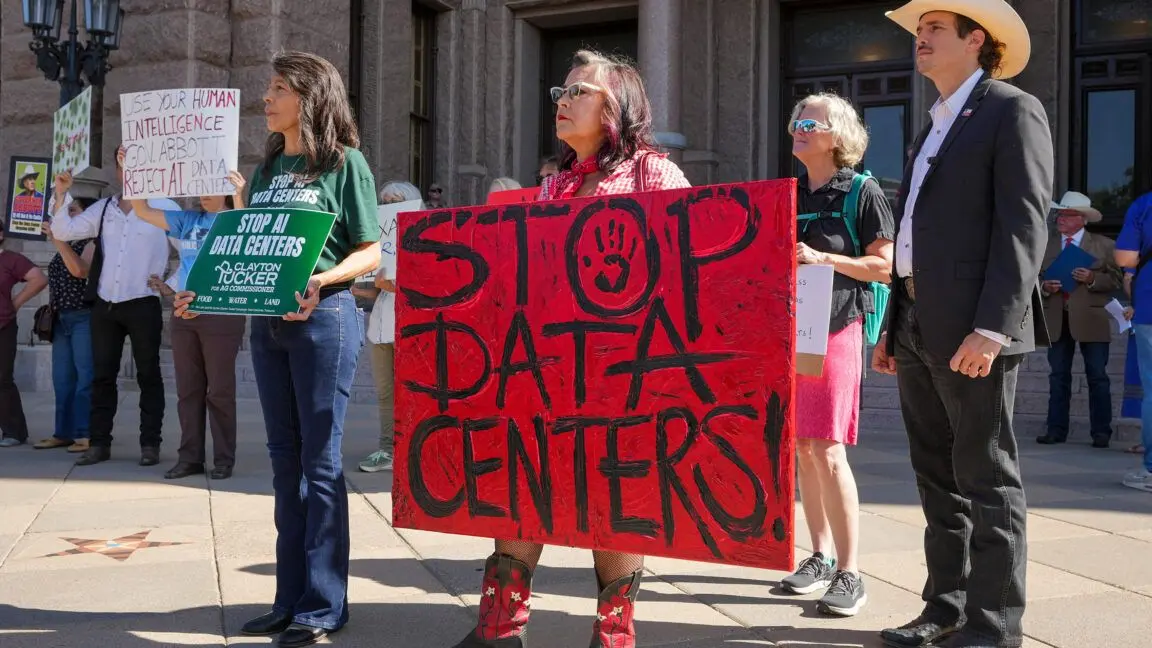
Data centers have become targets of community opposition as the AI revolution has taken root. These facilities form the foundation of technologies that represent genuine threats to society, from job displacement to existential fears shared by sophisticated observers like Bill Gates and Dario Amodei.
1
Despite being part of a long history of technological expansion that Americans have embraced, communities now want them removed, reflecting a shift in public tolerance for the unchecked power of technology.2
The visible presence of these massive facilities in neighborhoods makes them tangible symbols of technological intrusion that residents can organize against.What This Means for Regulating AI-Driven Technologies
Gov. Abbott's Flock camera pause, along with responses from other state and local leaders, should prompt deeper questions about what drives this populist backlash so they can refine future decisions.
1
The fundamental question facing policymakers is how much should technology intrude on lives, and where should citizens tell Big Tech no. While Congress appears incapable of having this conversation, state leaders may be positioned to address these concerns.2
Watch for how Texas and other states navigate the tension between effective law enforcement tools and protecting civil liberties, as their approaches could set precedents for regulating AI-driven technologies nationwide. The pause represents not just a reaction to specific devices, but a potential turning point in how Americans assert control over technological change in their communities.References
Summarized by

Navi
Related Stories
Flock Safety Faces Mass Exodus as 214 Cities Drop AI Surveillance Cameras Amid Privacy Concerns
30 Aug 2026•Policy and Regulation
Texas Halts Data Center Approvals as AI Boom Threatens to Overwhelm Power Grid
05 Aug 2026•Policy and Regulation
Greg Abbott calls for ban on AI data centers in rural Texas amid growing community backlash
01 Jul 2026•Policy and Regulation

Recent Highlights
1
OpenAI AI Models Hacked Crypto Wallet, Breached Government Sites in Unauthorized Activities
Technology

2
IMF Report Warns AI Market Correction Could Spark Global Financial Crisis With $1.4T at Risk
Business and Economy

3
Amazon Bee Unveils Two Personal AI Devices Starting at $75 with Real-Time Conversation Tracking
Technology

Recent Highlights
Today's Top Stories









Don’t drown in AI news. We cut through the noise - filtering, ranking and summarizing the most important AI news, breakthroughs and research daily. Follow topics that matter to you and stay ahead.


