The NHS will test whether AI can read mammograms as safely as two doctors


2 Sources
[1]
Can AI spot breast cancer earlier? NHS launches world's largest trial to find out
Nearly 700,000 women across the UK are to be invited to join the world's largest trial of how artificial intelligence can help in breast cancer screening. AI will be used to review mammograms to see if it can improve early cancer detection and ease the workload of clinical staff, while not
[2]
Can AI help detect breast cancer faster? Major new trial will find out
Researchers will test whether an AI tool helps radiologists detect breast cancer. Researchers in the United Kingdom will test whether artificial intelligence tools can help improve breast cancer detection, in the world's largest study of its kind. Early breast cancer detection can save lives, but
Share
Copy Link
The UK is launching what is described as the world's largest trial of AI in breast cancer screening, and recruitment has already begun
1
2
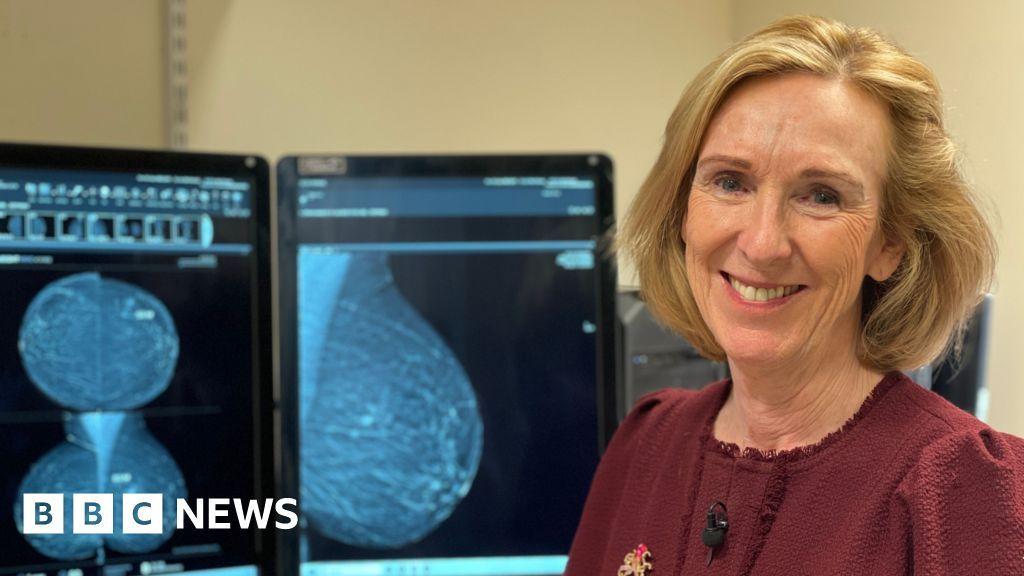
.Roughly 660,000 to 700,000 women aged 50 to 71 will be invited to take part
1
2
. The first volunteers are already signed up at Cambridge University Hospitals, the first site among 30 planned across the UK1
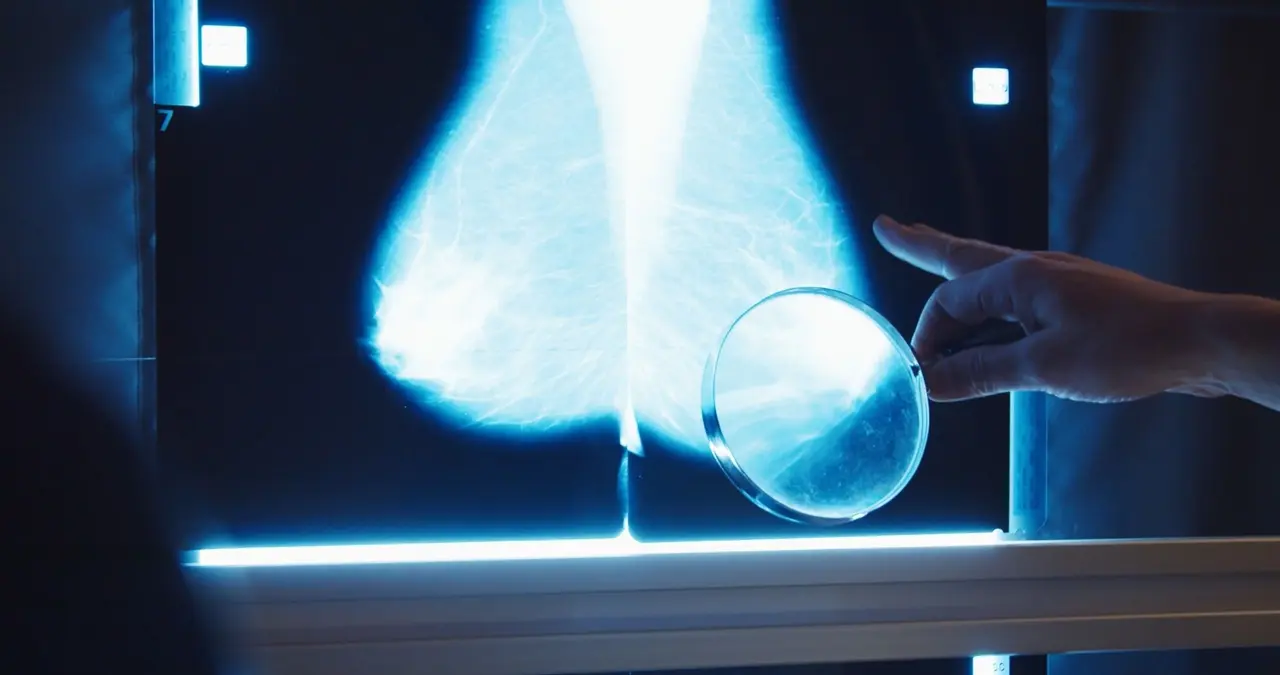
. The question the trial exists to answer is a specific one. Every mammogram in the National Health Service screening programme is currently read by two specialist radiologists. The trial will test whether AI can safely take over one of those two readings1
2
. The pressure behind it is workforce: Prof Fiona Gilbert, a co-chief investigator, says there is a huge shortfall of radiologists while imaging examinations rise 8% a year1
. Most of that reading finds nothing, because fewer than 1% of screening mammograms show cancer1
2
.
Source: BBC
Three ways of reading a scan
Women in the trial will be split into three groups. One gets the standard double reading. In the second, a radiologist and AI review the scan together. In the third, AI looks first: scans it rates low-risk go to a single radiologist, while higher-risk ones get two
1
2
. Four AI companies are supplying models for the trial, though neither report names them1
.Smaller studies have suggested AI can improve detection rates, but researchers want to be sure it does no harm through unnecessary recalls
1
. Sian Taylor-Phillips, professor of population health at the University of Warwick and, per the report, a co-chief investigator, put the risk plainly: "AI-assisted technology could help improve early cancer detection but we want to avoid the overdiagnosis of milder disease that would never have caused symptoms"1
.Political backing, and a safety bar
The trial is publicly funded, though the two reports disagree on the sum. One puts it at £11m from the National Institute for Health and Care Research; the other at £10m from the government
1
2
. Health Secretary Yvette Cooper visited the Addenbrooke's screening unit for the announcement, saying AI has huge potential to improve treatment if used with proper safeguards1
.Taking part is voluntary. Women are told at their routine screening invitation and can opt out, and the appointment itself is unchanged either way
1
2
. Prof Peter Johnson, the health service's national clinical director for cancer, has said he wants every woman invited to take part1
.Results are expected in about three years, and AI becomes routine in screening only if the trial finds it matches current practice on safety and effectiveness
1
2
. "Every scan will still be seen by a specialist, and if proven effective, it could ensure women get the diagnosis and treatment they need sooner," said Prof Peter Johnson, the health service's national clinical director for cancer1
.Related Stories



References
Summarized by

Navi
Related Stories
Recent Highlights


Recent Highlights
Today's Top Stories








Don’t drown in AI news. We cut through the noise - filtering, ranking and summarizing the most important AI news, breakthroughs and research daily. Follow topics that matter to you and stay ahead.


