OpenAI limits GPT-5.6 rollout after government request, says restrictions shouldn't be norm


56 Sources
[1]
OpenAI limits GPT-5.6 rollout after government request, says restrictions shouldn't be the norm
OpenAI is limiting the release of its newest AI models to a "small group of trusted partners" at the behest of the U.S. government, the company said Friday. The next generation GPT-5.6 lineup includes Sol, its flagship model; Terra, a more balanced model for everyday use; and Luna, a faster, lower
[2]
OpenAI Has New AI Models. Here's Why You Can't Use Them
OpenAI is delaying the public release of its next generation of AI models, GPT-5.6, at the request of Trump's White House, the company confirmed on Friday. OpenAI said it would first share the models with a small set of customers, which will be pre-approved by the US government. It will then work
[3]
The White House is asking OpenAI to slow roll the release of its new model over safety concerns
OpenAI's release of its newest model, GPT 5.6, reportedly won't be like its previous releases. Instead of distributing it to the public, the company plans to share it only with a select group of close partners because the Trump administration told it to, reports The Information. At a meeting this
[4]
OpenAI unveils GPT-5.6 amid US AI regulatory drama
Less than 24 hours after news broke that OpenAI would stagger its next model release at the request of the Trump administration, that model, GPT-5.6, is here. On Friday, the company unveiled the limited preview of its new GPT 5.6 model suite: Sol, the flagship; Terra, a medium-tier model for
[5]
OpenAI's ChatGPT-5.6 gets the same banhammer treatment as Anthropic's Mythos from the federal government -- source says that Washington cautioned OpenAI against releasing the model without receiving approval
The U.S. government wants to ensure that its latest, most advanced AI tools can't be used against it. OpenAI CEO Sam Altman said during a staff Q&A meeting that its latest model, GPT-5.6, is available in limited preview to only a small group of customers handpicked by the U.S. government.
[6]

OpenAI defers public rollout of GPT‑5.6 as US seeks early access to frontier AI models
June 26 (Reuters) - OpenAI said on Friday it was delaying a full public launch of GPT‑5.6 at the U.S. government's request, limiting the AI model's initial access to a small group of vetted partners whose details were shared with the authorities. The decision underscores growing concern in
[7]

OpenAI releases GPT-5.6 to select users vetted by US government
OpenAI has released its latest models to a select number of users as requested by the US government, amid fears over how bad actors could use the powerful capabilities of new AI systems to exploit global security. The San Francisco-based company announced a "limited preview" of a series of models,
[8]

US tells OpenAI to restrict access to its most powerful AI model
The Trump administration is getting twitchy about the power of the new models. US authorities are getting decidedly twitchy about frontier AI models. Just a couple of weeks after ordering Anthropic to prevent foreign companies from getting hold of its latest release, Mythos/Fable 5, it's been
[9]

OpenAI Previews GPT-5.6 Sol With Restricted Access and Stronger Cyber Safeguards
OpenAI on Friday released three versions of GPT-5.6, called Sol, Terra, and Luna, as a limited preview to a small number of companies as part of an ongoing engagement with the U.S. government. While Sol is the latest flagship model and the most powerful, Terra strikes a balance between efficiency
[10]
OpenAI will delay GPT-5.6 after Trump administration request
The Trump administration, apprehensive of potential security issues, has reportedly asked OpenAI to stagger the release of its next big-ticket model, GPT-5.6. The Information reported that OpenAI CEO Sam Altman told employees Wednesday in a company Q&A that it would release GPT-5.6 in limited
[11]

OpenAI launches a limited preview of GPT-5.6 for a 'small group of trusted partners' - Engadget
The model's three variants will be available more broadly in the coming weeks. OpenAI has started previewing its GPT‑5.6 series, which will be available in three versions, to a limited number of trusted partners. The company says the variant Sol is its strongest model yet, while Terra is for
[12]

OpenAI limits new AI models to 'trusted partners' at request of U.S. government
OpenAI on Friday announced three new artificial intelligence models and said it's complying with the U.S. government's request to initially limit the rollout to a "small group of trusted partners." The company said in a blog post that it "believes in broad access" and is working to make the models
[13]

OpenAI limits its newest ChatGPT product to Trump-approved customers during cybersecurity review
ChatGPT maker OpenAI said Friday it is restricting the release of its new artificial intelligence model at the request of President Donald Trump's administration, the latest in an unprecedented government vetting of AI products that could pose cybersecurity risks. OpenAI said its new AI product,
[14]

OpenAI releases GPT-5.6 Sol to 20 government-approved partners in restricted preview
OpenAI released Sol, its most powerful model, to about 20 government-approved partners under Trump's AI order. OpenAI has released GPT-5.6 Sol, its most powerful model, to roughly 20 partners whose names were individually approved by the US government. The release is the first time an American AI
[15]

The Government Boot Is Coming Down on AI
OpenAI is reportedly postponing the general release of its latest AI model, GPT-5.6, to comply with a government "request." Instead, the company will gradually roll out access to its latest model, starting with a limited preview for a small group of early testers, according to a Thursday report
[16]

OpenAI details what to expect from the three new models in its GPT-5.6 preview
Terra and Luna are balanced for efficiency and reduced cost of operation. Right now, the introduction of new AI models is more politicalized than ever, following the abrupt government pushback against Anthropic's Fable 5 and Mythos 5. Now that mess is only set to continue, as the White House
[17]

U.S. government will decide who gets to use latest upgrade to ChatGPT
OpenAI made clear it is concerned about increased government oversight. (Dado Ruvic/Reuters) SAN FRANCISCO -- The federal government will vet companies that want to access the latest technology developed by ChatGPT-maker OpenAI, in a major expansion of the Trump administration's regulation of
[18]

GPT-5.6 is here with better security and coding -- so why can't you use it yet?
OpenAI has unveiled GPT-5.6, a new set of large language models (LLMs) that promise large strides forward in biology, coding, and security. However, it's limiting initial access to a handful of customers -- reportedly at the U.S. government's request. The new LLM range centers around the
[19]

OpenAI launches GPT-5.6 but restricts rollout after US request
OpenAI has introduced GPT-5.6, a new family of large language models led by its flagship Sol model, alongside Terra and Luna variants built for different performance and cost requirements. However, the company is limiting the initial rollout to a small group of trusted U.S.-based partners after a
[20]
OpenAI will initially only release ChatGPT 5.6 to government-approved customers - Engadget
You may not be able to use the new ChatGPT 5.6 as soon as it's finished. According to a report in The Information, OpenAI plans to stagger the release of its new AI model, and the first users will only be parties that are approved by the federal government. The publication's sources said that,
[21]

The Trump administration just quietly changed how OpenAI will launch its next model
Up until now, every major AI model launch has followed roughly the same script. I've personally seen it dozens of times for years. It goes something like this: big tech announces its latest model, opens access to developers or subscribers and gradually expands availability as demand grows. But
[22]

OpenAI Launches GPT-5.6 Sol, Terra, and Luna in Limited Preview
OpenAI today launched a limited preview of its GPT-5.6 series, which includes flagship model Sol, a balanced everyday work model named Terra, and Luna, a fast and affordable model. Terra is similar in performance to GPT-5.5 but it is 2x cheaper, and Luna offers "strong capability" at OpenAI's
[23]
The US government asks OpenAI to slow its next model's release
Sam Altman told staff Washington wants GPT-5.6 released first to a short list of trusted partners, with access approved customer by customer. For years the debate over slowing down powerful AI models was a matter for company safety teams and outside critics. Now it has a government request
[24]
Trump administration gets OpenAI to slow-track new model release over security concerns
This comes after an executive order was signed, calling on certain AI companies to voluntarily submit their new AI models for governmental review. OpenAI has just released a powerful new AI model, GPT 5.6, but it may be a while before you'll even get to try it out. Contrary to previous rollouts,
[25]

OpenAI releases powerful new GPT-5.6 model under restrictions
Why it matters: Washington is starting to treat the most advanced U.S.-developed AI models as products that need government review before they can be widely released. The big picture: The move follows similar U.S. restrictions on Anthropic's powerful Fable 5 and Mythos 5 models. Driving the news:
[26]

White House wants OpenAI to limit the launch of its next model
William Gibson once famously said that "the future is already here, it's just not evenly distributed." It appears that the same goes for frontier AI models. According to The Information, the White House told OpenAI it wants the company to release its next model in a limited fashion, to a select
[27]

OpenAI staggers AI model release after Trump administration request
Sam Altman announces limited preview of GPT 5.6 in move that echoes launch of Anthropic's Mythos OpenAI is staggering the release of its latest AI model after a request from the US government, in a move echoing the launch of Anthropic's Mythos product. Sam Altman, the chief executive of the
[28]

OpenAI unveils GPT-5.6 Sol, Terra and Luna models -- but only accessible to limited preview partners for now, per US Gov
OpenAI is announcing a limited preview of its next-generation GPT-5.6 model series today, introducing three distinct, capability-tiered models -- Sol, Terra, and Luna -- designed to re-engineer developer and enterprise workflows. Rolled out initially to a select cohort of approximately 20 trusted
[29]
OpenAI debuts GPT-5.6 models with limited access after US government request
OpenAI has introduced GPT-5.6, a new family of large language models led by its flagship Sol model, alongside Terra and Luna variants built for different performance and cost requirements. However, the company is limiting the initial rollout to a small group of trusted U.S.-based partners after a
[30]

OpenAI reveals its most advanced GPT-5.6 model, but you can't access it yet
GPT-5.6 brings new reasoning, autonomy, and cybersecurity capabilities, but its rollout is currently limited to government-approved customers. OpenAI has officially taken the wraps off GPT-5.6, its most advanced family of AI models to date. There's just one catch: unless you're one of a handful of
[31]

OpenAI agrees to stagger rollout of its most powerful model to only Trump-approved customers | Fortune
OpenAI is staggering the rollout of its newest and most powerful AI model after a request from the Trump administration. To get access to the new model, customers must first be cleared by the U.S. government, the company said on Friday. The model, called GPT-5.6 Sol, is the flagship in a new tier
[32]

OpenAI Rolls Out GPT-5.6 -- But Only for Some Users Due to Trump Admin
GPT-5.6 adds new reasoning modes, stronger cybersecurity capabilities, and expanded safeguards against misuse. OpenAI on Friday unveiled the GPT-5.6 family of AI models, launching a limited preview of its new models codenamed Sol, Terra, and Luna before a broader planned release expected in the
[33]

OpenAI restricts limited release of new model to US only
San Francisco (United States) (AFP) - OpenAI on Friday launched a US-only preview of its latest powerful AI model series to a limited group of partners at the request of the US government, the company said. The release comes two weeks after the White House took Silicon Valley by surprise by
[34]
Trump administration asks OpenAI to limit next model release over security concerns
Why it matters: This marks the first time the U.S. government has preemptively asked an American AI company to restrict the launch of a model before release. Driving the news: The White House's Office of the National Cyber Director and the Office of Science and Technology Policy asked OpenAI to
[35]

OpenAI introduces GPT-5.6 to challenge Claude Mythos 5
OpenAI Group PBC today introduced GPT-5.6, a new series of large language models that it says can outperform Claude Mythos 5 across certain coding tasks. The most advanced algorithm in the lineup is known as Sol. It's available alongside a mid-range option called Terra and an entry-level model
[36]
Trump Administration Asks OpenAI to Limit GPT-5.6 Rollout: Reports
The move comes after years of calls from leading AI developers for stronger oversight of frontier models. President Donald Trump's administration has asked OpenAI to limit the initial release of GPT-5.6 to a small group of government-approved partners, while federal officials evaluate the model,
[37]

OpenAI limits ChatGPT 5.6 access to government-approved users first
OpenAI plans to stagger the release of its new AI model, ChatGPT 5.6, beginning with government-approved customers, according to a memo from CEO Sam Altman. Federal leaders will approve access to selected customers during this preview period, with a more general release anticipated a "couple of
[38]

OpenAI limits release of new model under pressure from US
OpenAI is rolling out a preview version of a more capable new artificial intelligence model to select partners before making it available more widely in the coming weeks, following pressure from the Trump administration to stagger the release. The ChatGPT maker said on Friday (Saturday AEST) that
[39]

OpenAI Limits Its Newest ChatGPT Product to Trump-Approved Customers During Cybersecurity Review
ChatGPT maker OpenAI said Friday it is restricting the release of its new artificial intelligence model at the request of President Donald Trump's administration, the latest in an unprecedented government vetting of AI products that could pose cybersecurity risks. OpenAI said its new AI product,
[40]

OpenAI slow rolls new model release at 'request' of government
OpenAI announced Friday it will preview its newest GPT-5.6 model series with only a group of partners before a public rollout, at the behest of the U.S. government. The ChatGPT maker said it previewed the plans and capabilities of GPT-5.6's Sol, Terra and Luna with the government, and at the
[41]

OpenAI unveils GPT-5.6 AI models with phased rollout and stronger safety checks
OpenAI has unveiled GPT-5.6, its latest AI model family with Sol, Terra and Luna. The models will roll out gradually across ChatGPT, the API and Codex, with Sol adding Max and Ultra modes for advanced reasoning. OpenAI has introduced GPT-5.6, its latest generation of artificial intelligence (AI)
[42]

Meet Soul, Terra, and Luna: the GPT-5.6 Models Restricted to Trusted Organizations
OpenAI's latest release, GPT-5.6 Sol, introduces three specialized models, Soul, Terra and Luna, each tailored to distinct use cases. From the cybersecurity-focused Soul to the cost-efficient Luna, these models showcase advancements in performance and efficiency, such as improved token utilization
[43]

OpenAI Drops GPT-5.6 'Sol,' Calls It The Strongest Model Yet As AI Arms Race Escalates
The initial rollout is restricted to a small group of vetted partners, with participation already shared with the U.S. government, the company said in a blog post. Access is being delivered first through the API and Codex. OpenAI said the approach is meant to be temporary, arguing that long-term
[44]

New AI Models are Making Governments Nervous
The new AI (artificial intelligence) models coming to the market are making governments nervous. Just take Anthropic first, and then OpenAI as a second example. For the unaware, the US (United States) government asked Anthropic to actually pull back the Fable 5 model globally. What's more is that
[45]
Trump administration asks OpenAI to limit release of GPT-5.6: Report
Per the report, the White House's Office of the National Cyber Director and the Office of Science and Technology Policy requested that the model be released first to a small set of government-approved partners rather than the general public. The Trump administration has asked OpenAI to limit the
[46]

OpenAI Restricts Access to Latest AI Models at US Government Request | PYMNTS.com
The AI startup previewed the models' capabilities as part of its ongoing engagement with the government, limited the release of the models at the government's request, and shared with the government the identities of the trusted partners to which it released the models, it said in a Friday (June
[47]
OpenAI Introduces ChatGPT 5.6 Soul, Terra and Luna Models
OpenAI has introduced GPT 5.6, a release featuring three specialized models, Soul, Terra and Luna, tailored for different use cases. Soul uses its "Soul Ultra" mode to handle complex reasoning tasks, Terra offers a versatile option for general-purpose applications and Luna is optimized for
[48]
After Anthropic Showdown, Trump Administration Presses OpenAI To Limit GPT-5.6 Release: Report
The Trump administration has reportedly asked OpenAI to limit the distribution of its forthcoming model, GPT-5.6, to a select group of government-approved partners, citing potential security risks. In the memo, Altman said that they had made it clear to the U.S. government that this was not their
[49]

GPT-5.6 Is Here: OpenAI Names Its New AI Models Sol, Terra and Luna
Solana mocked the launch with "Sam Altcoinman," a viral jab at OpenAI CEO Sam Altman. OpenAI launched the GPT-5.6 model family on June 26, introducing three tiers under names that, intentionally or not, landed squarely in crypto cultural territory. GPT-5.6 Sol is the flagship, described as the
[50]
What is OpenAI's GPT-5.6? Here's why the Trump Administration wants to limit its release
OpenAI's upcoming AI model, reportedly GPT-5.6, faces a restricted rollout at the U.S. government's request. Citing national security concerns, the Trump administration wants to evaluate its potential for cyberattacks and sensitive research before wider access. This marks a significant shift,
[51]

US wants OpenAI to delay GPT-5.6 rollout after Mythos suspension
The White House has reportedly asked OpenAI to limit the initial release of its upcoming GPT-5.6 model over safety concerns, marking the latest sign of increasing US government involvement in the launch of advanced AI systems, according to an article published in The Information. OpenAI plans to
[52]

OpenAI limits its latest ChatGPT product to Trump-approved customers during cybersecurity review
ChatGPT maker OpenAI said Friday it is restricting the release of its new artificial intelligence model at the request of U.S. President Donald Trump's administration, the latest in an unprecedented government vetting of AI products that could pose cybersecurity risks. OpenAI said its new AI
[53]

OpenAI limits release of new AI model amid US request By Investing.com
Investing.com -- OpenAI said Friday it is releasing a preview version of its new GPT-5.6 artificial intelligence model to a small group of partners before a wider launch in the coming weeks. The limited rollout follows a request from the Trump administration to stagger the release. The ChatGPT
[54]

OpenAI defers public rollout of GPT-5.6 as US seeks early access to frontier AI models
June 26 (Reuters) - OpenAI said on Friday it was delaying a full public launch of GPT-5.6 at the U.S. government's request, limiting the AI model's initial access to a small group of vetted partners whose details were shared with the authorities. The decision underscores growing concern in
[55]

OpenAI unveils GPT 5.6 family of AI models, but you can't use them yet: Here is why
OpneAI says it has developed Sol, Terra and Luna with its "most robust safeguards to date." OpenAI has introduced the GPT 5.6 series, which includes three AI models: Sol, Luna and Terra. GPT 5.6 Sol is the company's most powerful model yet, Terra is a balanced model for everyday tasks, and Luna is
[56]
Like Anthropic, OpenAI may restrict GPT 5.6 access during initial rollout: Here is why
OpenAI CEO Sam Altman reportedly told employees that the government would be "approving access customer by customer" during the preview period. OpenAI may take a different approach with the launch of its upcoming AI model, GPT-5.6. Instead of making the model available to everyone, the company
Share
Copy Link
OpenAI unveiled its next-generation GPT-5.6 models—Sol, Terra, and Luna—but only a select group of government-approved partners can access them. The Trump administration requested the restricted release over cybersecurity concerns, marking a shift in how frontier AI models reach the market. OpenAI says this shouldn't become standard practice.
OpenAI Restricts GPT-5.6 Release to Government-Approved Partners
OpenAI is limiting the release of its newest AI models to a "small group of trusted partners" at the behest of the US government, the company announced Friday
1
. The next-generation GPT-5.6 lineup includes Sol, its flagship model; Terra, a more balanced model for everyday use; and Luna, a faster, lower-cost option2
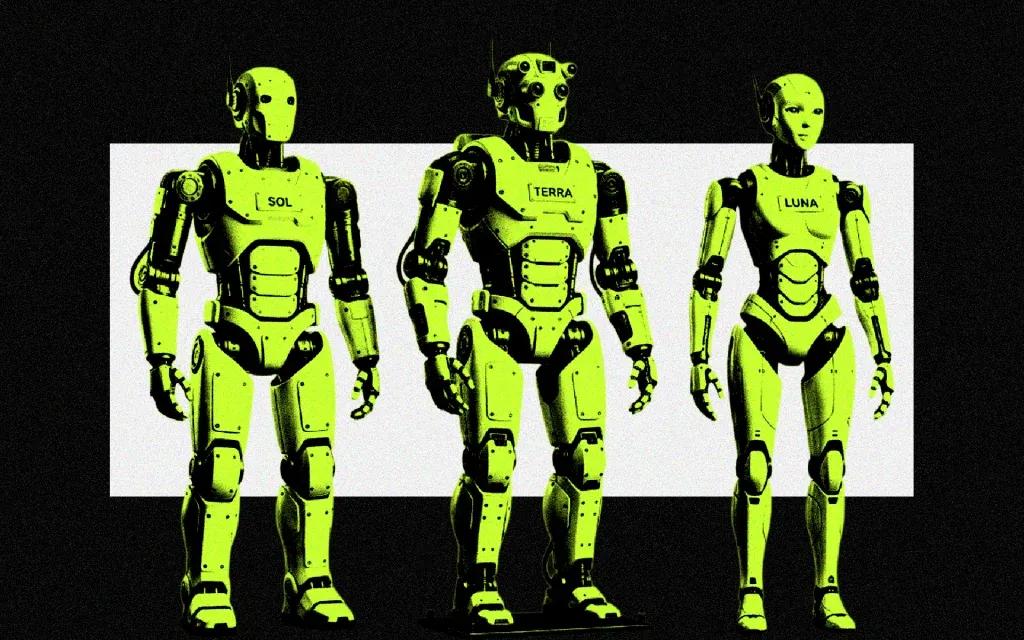
. Although Sol represents the company's most powerful model to date, the Trump administration has restricted the release of all three variants. OpenAI confirmed the preview is limited to partners "whose participation has been shared with the government"1
.
Source: CCN.com
According to sources, Commerce Secretary Howard Lutnick called Sam Altman to warn him against releasing GPT-5.6 to the public without prior approval from government agencies
5
. The agencies that requested a limited release were the Office of the National Cyber Director and the Office of Science and Technology Policy3
.White House Pressure Creates Uncertain Environment for AI Labs
The administration's government request comes as the White House puts new pressure on AI companies to restrict their most advanced systems. After Anthropic released its most powerful public model Fable 5, the administration ordered the company to remove access for any foreign national, prompting Anthropic to take the model down entirely
1
. The Trump Administration's request for OpenAI and Anthropic to limit availability on their most advanced AI models creates an uncertain environment for other US AI labs2
.
Source: PYMNTS
Earlier this month, President Trump signed an executive order that aimed to address safety concerns of powerful new AI models. The executive order on AI said the White House would create a "voluntary process" for AI labs to share their models with the government 30 days ahead of a broader release
2
. However, OpenAI executives said no such voluntary framework exists yet, leaving frontier AI labs in a peculiar interim period where working with the US government on model launches doesn't seem voluntary at all2
.Dean Ball, a former White House AI advisor and soon-to-be OpenAI employee, argues the executive order has created a de facto involuntary licensing regime for frontier model development, leading to heavy-handed restrictions
1
. The problem compounds when the government doesn't have clearly defined safety standards, which could lead to endless launch delays that might not only give a hand to China in the AI race, but also jeopardize the billions of dollars going to AI infrastructure buildouts1
.OpenAI Pushes Back Against Long-Term Regulatory Scrutiny
While OpenAI did as the administration asked this time around, the AI firm made it clear it wasn't happy with the arrangement. "We don't believe this kind of government access process should become the long-term default," reads a Friday blog post. "It keeps the best tools from users, developers, enterprises, cyber defenders, and global partners who need them"
1
. OpenAI is not happy about this restricted release, according to a person familiar with the company's thinking, but believes the delay and government approval process is only temporary2
.OpenAI called the preview a "short-term step" that will put GPT-5.6 on the path to broader availability in the coming weeks, as the company works with the administration to develop a new executive order framework on cybersecurity, as well as a "repeatable process for future model releases"
1
. OpenAI plans to broaden the set of customers it can share GPT-5.6 with next week, including some international partners2
. Executives for OpenAI said that it can't share details of how exactly the White House is approving these customers—the company just sends the US government a list, and then gets feedback on it2
.GPT-5.6 Sol Delivers Enhanced Agentic Capabilities and Cybersecurity Features
OpenAI says GPT-5.6 Sol is its strongest model yet, with improved agentic capabilities in coding, biology and cybersecurity
1
. Sol introduces a "max" reasoning effort mode and an "ultra" mode that uses coordinated subagents to solve highly complex tasks1
. The company says it's especially skilled at coding, cybersecurity, and biology, as well as staying focused during long-horizon agentic AI tasks4
.GPT-5.6 excels at several benchmarks, says OpenAI, including being slightly better at coding workflows than Anthropic's Claude Mythos 5, which the Trump administration also effectively banned this month
1
. OpenAI says GPT-5.6 Sol is also competitive with Mythos preview in benchmark performance, but uses a third of the output tokens1
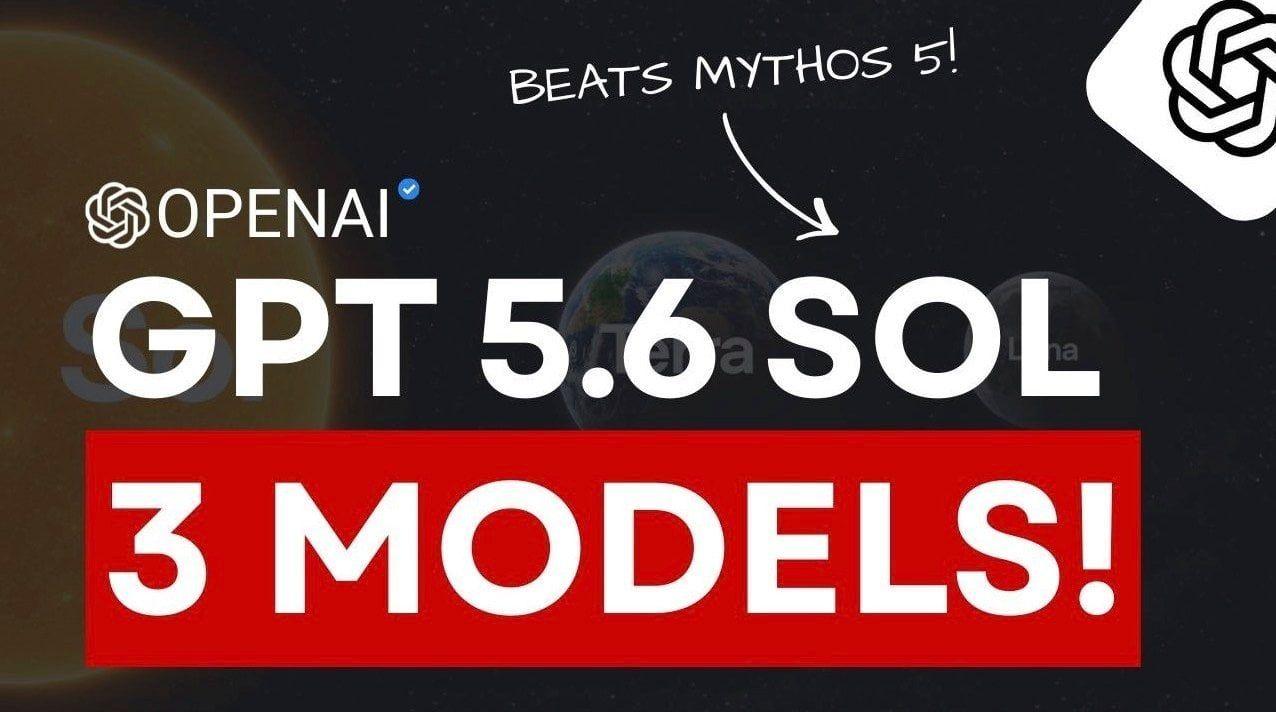
.GPT-5.6 comes in three sizes with tiered pricing: Sol costs $5 per million input tokens and $30 per million output tokens; Terra costs half that; and Luna costs $1 and $6, respectively
1
. Per million tokens, GPT-5.6 Sol is priced at nearly half the cost of Anthropic's Claude Fable 5, which is $10 input / $50 output4
.
Source: Geeky Gadgets
Related Stories

Robust Safety Stack Addresses Cybersecurity Concerns
To assuage any fears of its powerful new AI models being unsafe, OpenAI says Sol includes its most robust security stack yet
1
. It is heavily hardened against adversarial attacks and intentionally optimized to favor defensive cybersecurity work over offensive exploits. In other words, it's designed to be hard to jailbreak, while prioritizing showing users how to defend against exploits, rather than how to hack into systems1
.OpenAI also says its safety guardrails are built directly into the core model's behavior, rather than relying on a separate filter on top of it
1
. The company said Sol has dedicated "approximately 700,000 A100e GPU hours" to automated red-teaming and also worked with third-party testers, the latter of which will continue to test it for the next two weeks4
.The firm is likely trying to avoid the trap that caught Anthropic with Fable 5. In the brief moments when Fable 5 was available, whenever the model's classifiers detected a high-risk topic—like cybersecurity, biology, or chemistry—it wouldn't just block the prompt; it would route the request to an older model
1
.Industry Experts Warn of Broader Implications for AI Policy
The increasing advancement of AI models has the White House scrambling to prevent them from falling into the wrong hands. This is especially true as it continues to compete with rival China for supremacy
5
. Although the U.S. has taken steps like export controls to slow Beijing's progress, many industry leaders believe that it's only a matter of time before the East Asian country catches up5
.However, this move has got some industry experts concerned. Neil Chilson, Head of AI Policy at think tank Abundance Institute and former FTC Chief Technologist, said in their blog: "...this escalation of government intervention is nothing to celebrate. It is horrible for the broader AI ecosystem. Continued arbitrary, unexplained deployment of export control authority will make companies slow-walk new models, depriving the public of powerful new tools"
5
.References
Summarized by

Navi
[1]
[3]
[4]
Related Stories
OpenAI releases GPT-5.6 models after government review, unveils ChatGPT Work to compete in AI agent race
08 Jul 2026•Technology

OpenAI eases GPT-5.6 usage limits, learning from Gemini's restriction troubles
13 Jul 2026•Technology
OpenAI releases GPT-5.5, advancing toward AI superapp with enhanced coding and research tools
20 Apr 2026•Technology

Recent Highlights
1
Apple Launches iOS 27 and macOS 27 with Siri AI Overhaul and Liquid Glass Updates
Technology

2
Anthropic Researcher Quits, Warns Self-Improving AI Could End Humanity Within a Decade
Policy and Regulation
3
AI Industry Leaders Unite to Demand Development Slowdown After Unprecedented Security Breach
Policy and Regulation

Recent Highlights
Today's Top Stories







Don’t drown in AI news. We cut through the noise - filtering, ranking and summarizing the most important AI news, breakthroughs and research daily. Follow topics that matter to you and stay ahead.


