OpenAI releases GPT-5.6 models after government review, unveils ChatGPT Work to compete in AI agent race


36 Sources
[1]
OpenAI's GPT-5.6 Is Dropping on Thursday: What's Different About Sol, Terra and Luna
OpenAI is getting ready to release its next generation of AI models. The GPT-5.6 series, which includes a trio of new models, will be released on Thursday, CEO Sam Altman confirmed in a post on X Wednesday. The flagship model is called GPT-5.6 Sol. It's meant to handle deep reasoning tasks and
[2]
OpenAI rolls out GPT-5.6 after government green light -- and announces 'ChatGPT Work'
About two weeks after OpenAI's GPT-5.6 was caught up in regulatory drama -- rolled out only to government-approved organizations during a "limited preview" period -- the company has received the Trump administration's green light for a public rollout of the model. To celebrate, OpenAI also
[3]
OpenAI to release delayed models Thursday amidst a sea of regulatory confusion
After the administration initially requested restriction of access to the models, a US government statement now says that no permission for their release was ever required. As enterprises struggle to manage their AI strategies, the US AI regulatory environment is sending a wide range of
[4]
OpenAI's newest AI model is 54% more token efficient on agentic coding, Altman tells CNBC
OpenAI CEO Sam Altman told CNBC on Thursday that GPT-5.6 Sol, the company's latest artificial intelligence model, is 54% more token efficient on agentic coding tasks, and that it's "as good or better" than competing models on the market. "Every enterprise now is thinking about spend and the value
[5]

OpenAI gets permission to roll out GPT-5.6 to the public on July 9 - Engadget
OpenAI will publicly launch all three of GPT-5.6's variants -- Sol, Luna and Terra -- this Thursday, July 9, the company has announced on X. "We're expanding preview access globally now," it added. The company initially made the new model series available to a "small group of trusted partners" in
[6]

OpenAI Releases GPT-5.6 Sol, Its Most Powerful AI Model Yet
The new release was delayed after the U.S. government restricted the latest artificial intelligence models over cybersecurity concerns. OpenAI has publicly released its flagship artificial intelligence technology, GPT-5.6 Sol, its most powerful model yet, alongside a new tool to assist with
[7]

OpenAI releases GPT-5.6 after US government approval
The public launch ends weeks of government-gated access and sets a first: an American frontier model cleared for release through a federal review OpenAI has made GPT-5.6 publicly available after receiving approval from the Trump administration. The release ends weeks in which the model was
[8]

White House Denies Giving OpenAI 'Green Light' to Publicly Release Its Latest Model
There seems to be some confusion around who has the authority to approve the release of new AI models in the United States. OpenAI announced in an X post on Tuesday night that its latest model, GPT-5.6 -- which comes in three tiers: Sol, Terra, and Luna -- will be publicly available starting
[9]

OpenAI shares update on GPT-5.6 availability after holding back release
OpenAI unveiled GPT-5.6 at the end of June, but the public release was held back while the U.S. government reviewed the new AI models. Now the company has shared an update on when customers will be able to use the upgraded model: this week. GPT-5.6 is coming on Thursday To recap, OpenAI announced
[10]
OpenAI wins US clearance for a broad GPT-5.6 rollout after weeks of government testing
The Commerce Department has signed off on a wide release, ending a restricted preview that had held the model to about 20 vetted partners. OpenAI has been cleared to release its most advanced model widely, after the US government signed off on a broader rollout of GPT-5.6 that had been held back
[11]

GPT-5.6 Sol, Terra, and Luna are here. See which one's best for you.
Before building anything, let's first figure out which model to use. Credit: OpenAI/YouTube These days, new versions of AI chatbots don't just launch; they're unshackled and released to the public following government scrutiny. OpenAI's new GPT-5.6 models were - like Anthropic's Claude Mythos and
[12]

OpenAI releases latest ChatGPT model after delay over White House cybersecurity concerns
Staggered release of ChatGPT 5.6 follows similar restrictions on rival firm Anthropic's latest AI models OpenAI released its latest advanced AI model, called ChatGPT 5.6, on Thursday after earlier delaying the public rollout over US government concerns about cybersecurity. The Trump administration
[13]

OpenAI releases GPT-5.6 and ChatGPT Work tool
Why it matters: The leading players in AI are all speeding forward at breakneck speed, but the increasing power of the latest models has the Trump administration rethinking its previous hands-off approach. Driving the news: OpenAI is releasing three flavors of GPT-5.6: * Sol is the most powerful
[14]

If you've grown tired of babysitting ChatGPT, the new GPT-5.6 models might be the fix
OpenAI seems to have a new AI model waiting in the wings every few months, and today is no different. The company has officially unveiled the GPT-5.6 family, bringing three new models to ChatGPT, Codex, and its API. The big star of the show is GPT-5.6 Sol, but it's joined by Terra and Luna, which
[15]

OpenAI launches GPT-5.6 Sol after U.S. government approval
OpenAI began rolling out GPT-5.6 Sol to the general public on Thursday after the Trump administration approved a broad release, ending weeks of restricted access to a small group of government-vetted partners. Speaking to CNBC, CEO Sam Altman said Sol achieves 54% greater token efficiency on
[16]

OpenAI Releases GPT-5.6 Sol: Here's How It Stacks Up Against Other AI Models
OpenAI's GPT-5.6 Sol is now public. The company released its new flagship model to general users today, launching alongside two smaller siblings, Terra and Luna, after the U.S. Department of Commerce kept a preview restricted to about 20 trusted partners for two weeks. The naming strategy is new
[17]

OpenAI to launch new model after US freeze
San Francisco (United States) (AFP) - ChatGPT maker OpenAI said its latest powerful artificial intelligence model series will be released to the public on Thursday, as the US government reportedly approved a broader launch. The company's new GPT-5.6 offerings and other cutting-edge AI models,
[18]
GPT-5.6 buzz builds. Here's what to know about OpenAI's new Sol model
The big picture: GPT-5.6's public rollout will intensify competition among the leading AI developers, just days after Anthropic (re-)launched the widely praised Fable 5. What's happening: Excitement for OpenAI's new Sol Ultra model of GPT-5.6 surged overnight after OpenAI announced Sol's release
[19]

Altman says new GPT-5.6 model 54pc more token efficient
The AI giant also released its much awaited 'superapp' in the form of ChatGPT Work. Token efficiency takes centre stage with OpenAI's latest family of AI models that supposedly outperforms rival Anthropic's Claude Fable 5 on some tasks. The models are being launched at a limited capacity at the
[20]

OpenAI launches GPT-5.6 with Sol, Terra, and Luna models
OpenAI unveiled its latest family of models, GPT-5.6, on Thursday, introducing three variants: Sol, Terra, and Luna. These models aim to enhance efficiency in enterprise work, coding, and scientific research. CEO Sam Altman stated that Sol is 54% more token efficient for AI coding tasks compared
[21]
Scoop: Trump administration lifts restrictions on OpenAI's GPT 5.6
Why it matters: The government and the world's most advanced AI companies are negotiating how people get access to powerful technologies case-by-case, in real time. Driving the news: OpenAI expects to do a wide release of GPT 5.6 this week following additional testing and meetings between the
[22]

OpenAI will publicly release advanced GPT model after government-requested delay
OpenAI will release its most advanced model series, GPT 5.6, to the public Thursday after delaying the public rollout at the request of the Trump administration. The company announced the move on the social media platform X late Tuesday night. CEO Sam Altman added "happy building" in a separate
[23]

Sam Altman says OpenAI made 'many changes' during talks with US
In an interview with CNBC on Thursday, Altman said the ChatGPT maker had a "collaborative back and forth" with top US officials, including Commerce Secretary Howard Lutnick and Treasury Secretary Scott Bessent, in the weeks leading up to the wide release of GPT-5.6. OpenAI Chief Executive Officer
[24]

Deploy the ChatGPT 5.6 Sol Variant for High-Demand Workflows
The release of ChatGPT 5.6 marks a significant shift in the trajectory of artificial intelligence, moving beyond task-based systems to embrace a more objective-driven approach often referred to as "AI 2.0." Matt Maher explores how this evolution is embodied in GPT-5.6's three distinct model
[25]
OpenAI GPT-5.6 rollout begins July 9: New features, models and everything else to know
OpenAI will launch its GPT-5.6 model family starting July ninth. These new models offer improved reasoning and coding capabilities for users. GPT-5.6 Sol, Terra, and Luna cater to diverse user needs and tasks. Enhanced safety features and cybersecurity improvements are also included in the
[26]

OpenAI Debuts New Model Following Input From US Government | PYMNTS.com
Speaking with CNBC Thursday (July 9), Sam Altman described the AI startup's work with the government as a "collaborative back and forth," where the government would conduct tests and surface problems for the company to address. "If you want broad access, which we do, and you have powerful models,
[27]
ChatGPT 5.6 vs Claude Fable 5: Which AI Actually Comes Out on Top?
The ongoing debate between ChatGPT 5.6 Sol and Fable 5 highlights the nuanced differences in their capabilities and use cases. Future Tech Pilot explores how GPT 5.6 Sol sets itself apart with features like native image generation and its focus on cost efficiency, making it an appealing option for
[28]

OpenAI launches GPT-5.6 family with Sol, Terra, Luna models and ChatGPT Work
OpenAI has announced the general availability of the GPT-5.6 family of artificial intelligence models, introducing GPT-5.6 Sol, GPT-5.6 Terra, and GPT-5.6 Luna. The company has also introduced ChatGPT Work for research and long-form deliverables while expanding Codex capabilities for software
[29]
OpenAI Readies GPT-5.6 Launch as White House Lifts Restriction Request | PYMNTS.com
The artificial intelligence company announced its plans in a Wednesday (July 8) post on X, adding that it is already expanding preview access to the models globally. OpenAI CEO Sam Altman said in a Wednesday post on X: "GPT-5.6 Sol launches Thursday! Happy building." Axios reported Wednesday that
[30]
GPT-5.6: OpenAI says powerful new model to launch publicly on Thursday
ChatGPT maker OpenAI said its latest powerful artificial intelligence model series will be released to the public on Thursday, as the US government reportedly approved a broader launch. It follows a similar story at OpenAI's archrival Anthropic, which last week said it would begin restoring access
[31]
GPT 5.6 Sol vs Fable 5: Strategic and Creative Tasks Tested
GPT 5.6 Sol and Fable 5 represent two distinct approaches to AI functionality, each tailored to specific use cases. According to Nate Herk, GPT 5.6 Sol emphasizes speed and cost efficiency, making it particularly effective for tasks like large-scale data processing or summarization where volume and
[32]

Trump administration clears broad rollout of OpenAI's GPT-5.6, Axios reports By Investing.com
Investing.com-- The Trump administration has lifted restrictions on the release of OpenAI's latest artificial intelligence model, clearing the way for a broader rollout after weeks of government review, Axios reported on Tuesday. The U.S. Department of Commerce has approved a wide launch of
[33]
OpenAI GPT-5.6: OpenAI gets US approval for broad GPT-5.6 rollout
OpenAI, White House, and the U.S. Department of Commerce did not immediately respond to a Reuters request for comment. The U.S. Department of Commerce has approved a broad launch of OpenAI's advanced GPT 5.6 model, Axios reported on Tuesday, citing a person familiar with the matter. OpenAI
[34]
New ChatGPT 5.6 Sol Model Undercuts Fable 5 on Operational AI Costs
ChatGPT 5.6 Sol has entered the AI field as a competitor to established models like Fable 5, emphasizing cost efficiency and performance. Prompt Engineering highlights its ability to optimize token utilization, which reduces operational costs while maintaining fast processing speeds. This makes it
[35]

US denies approving OpenAI GPT 5.6 release: Here is what we know
Officials said AI companies do not need approval to launch models. OpenAI has reportedly received approval from the US government for the global launch of GPT 5.6. A new report claims that the company evaluated the upcoming model for potential national security risks along with the Department of
[36]
OpenAI confirms GPT 5.6 Sol, Terra and Luna rollout after US govt review
OpenAI will make its GPT 5.6 AI models available to everyone this Thursday. The new lineup includes three models: GPT 5.6 Sol, Terra and Luna. The announcement comes weeks after the company introduced the models in a limited preview for a small group of trusted partners. At the time, OpenAI said it
Share
Copy Link
OpenAI is launching its GPT-5.6 model family—Sol, Terra, and Luna—on July 9 after receiving government approval following weeks of regulatory review. The flagship Sol model delivers 54% better token efficiency on agentic coding tasks and fewer hallucinations than previous versions. Alongside the AI model release, OpenAI unveiled ChatGPT Work, a new AI agent combining ChatGPT and Codex capabilities to compete directly with Anthropic's Claude Cowork in the race to make AI agents useful for everyday consumers.
OpenAI GPT-5.6 AI Models Clear Government Approval for Public Release
OpenAI confirmed on Wednesday that GPT-5.6 Sol, along with GPT-5.6 Terra and GPT-5.6 Luna, will launch publicly on Thursday, July 9, marking the end of a regulatory review period that highlighted growing government oversight of AI innovation
1
. Sam Altman, OpenAI's CEO, announced the public release on X after the company had initially limited access to a "small group of trusted partners" at the request of the Trump administration5
.
Source: Digit
` The delay stems from President Trump's early June executive order requiring AI developers to voluntarily share frontier AI models with the Defense Department for a 30-day government review before public release
1
. OpenAI voluntarily complied with this process, though a White House official clarified that government approval was not technically required under the executive order1
. This regulatory confusion has left enterprises struggling to navigate an AI regulation landscape filled with contradictory signals3
.GPT-5.6 Sol Delivers 54% Better Token Efficiency on Agentic Coding
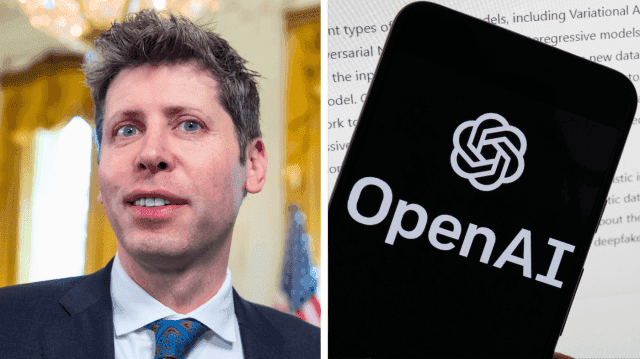
Altman told CNBC that GPT-5.6 Sol achieves 54% better token efficient performance on agentic coding tasks compared to previous models, positioning it as "as good or better" than competing AI models on the market
4
. "Every enterprise now is thinking about spend and the value they're getting in exchange for AI, and this is what we really want to do," Altman explained4
.
Source: The Hill
The flagship model Sol is designed for deep reasoning tasks and managing agents, with OpenAI claiming it makes fewer factual errors or hallucinations compared to previous OpenAI models
1
. The company positions Sol as setting "a new standard for intelligence and efficiency," particularly in coding, cybersecurity, and science applications2
. The three models represent a "meaningful step up in cybersecurity capabilities" while maintaining advanced AI safety guardrails1
.Pricing Tiers Target Cost-Conscious Enterprises
OpenAI structured the GPT-5.6 model family around different pricing tiers to address enterprise cost concerns. Sol costs $5 per million input tokens and $30 per million output tokens
5
. GPT-5.6 Terra serves as the middle option, promising similar performance to GPT-5.5 while being twice as cheap at $2.50 per million input tokens and $15 for output5
. GPT-5.6 Luna represents the quickest and cheapest option at $1 per million input tokens and $6 for output5
. OpenAI is marketing these models as lower-cost alternatives to competitors' most powerful models amid industry-wide concerns about AI lab costs being passed onto customers2
.Related Stories

ChatGPT Work Enters Competition with Claude Cowork
Alongside the AI model release, OpenAI unveiled ChatGPT Work, a new AI agent that combines ChatGPT and Codex capabilities to allow non-technical users to leverage Codex for non-coding tasks
2
. Powered by the GPT-5.6 model suite, ChatGPT Work "can gather context from the apps, files, and workflows you choose and create finished materials such as documents, spreadsheets, presentations, and web apps," according to OpenAI's blog post2
. A unified plugins directory enables connections to tools like Slack, Gmail, Google Drive, calendars, and CRMs2
.
Source: PYMNTS
The product directly competes with Anthropic's Claude Cowork, which combines Claude and Claude Code
2
. Companies including OpenAI, Anthropic, Google, and Apple have been racing to develop AI agents useful for average consumers, with varying results2
. Mac and Windows users worldwide, including free ChatGPT users, should have immediate access to ChatGPT Work via the desktop app, while mobile and web access will roll out gradually with Pro, Enterprise, and Edu users receiving access first2
.Government Review Process Signals Shift in AI Regulation Approach
Altman described the company's collaboration with Commerce Secretary Howard Lutnick, Treasury Secretary Scott Bessent, and U.S. National Cyber Director Sean Cairncross as a "collaborative back and forth" where the government conducted tests and raised concerns for OpenAI to address
4
. The Department of Commerce's Center for AI Standards and Innovation conducted additional testing, with OpenAI sending technical experts to Washington to immediately address questions5
."If you want broad access, which we do, and you have powerful models, you really want to be able to be confident in your safety claims, because otherwise the world is going to get uncomfortable very fast," Altman stated
4
. This marks a significant shift from the Trump administration's previous stance that regulation would slow AI innovation and cause the U.S. to lose the global AI race to China1
. Anthropic has faced similar regulatory scrutiny, with its Mythos cybersecurity and Fable models temporarily blocked to ensure compliance with government orders preventing foreign national access5
.References
Summarized by

Navi
Related Stories
OpenAI releases GPT-5.5, advancing toward AI superapp with enhanced coding and research tools
20 Apr 2026•Technology

OpenAI Releases GPT-5.1 with Customizable Personalities Amid Growing Legal Pressures
12 Nov 2025•Technology

OpenAI Releases GPT-5.4, New AI Model Built for Agents and Professional Work
05 Mar 2026•Technology
Recent Highlights
1
Microsoft and Nvidia Launch Surface Laptop Ultra: A $2,599 AI-Ready PC With RTX Spark Chip
Technology

2
OpenAI Releases 722 AI-Generated Math Papers on GitHub, Igniting Fury Among Mathematicians
Science and Research

3
Trump Consulted Grok AI Before Ordering Venezuela Invasion and Capture of Nicolás Maduro
Policy and Regulation

Recent Highlights
Today's Top Stories











Don’t drown in AI news. We cut through the noise - filtering, ranking and summarizing the most important AI news, breakthroughs and research daily. Follow topics that matter to you and stay ahead.


