Trump Administration locked in internal conflict over AI regulation as executive order scrapped


2 Sources
[1]
The Trump Administration Is at War With Itself Over AI Regulation
The Trump administration is navigating internal strife as officials try to figure out whether they can resurrect the executive order about AI regulation that President Donald Trump abruptly nixed last month, according to multiple people familiar with the matter. The conversations in the weeks
[2]
White House internal fight stalls US AI regulation after Mythos
A three-way internal fight between the Commerce Department, intelligence agencies, and pro-industry factions has paralysed US federal AI regulation. Trump scrapped an executive order at the last minute, CAISI testing announcements were pulled from NIST's website, and no framework exists weeks after
Share
Copy Link
The Trump administration faces deep internal divisions over AI regulation, with competing factions battling for control of federal AI policy. An executive order establishing pre-release safety evaluations was abruptly canceled on May 21, just hours before signing. The conflict pits White House chief of staff Susie Wiles and treasury secretary Scott Bessent against former AI czar David Sacks, leaving the US without a coherent regulatory framework weeks after Anthropic's Mythos model demonstrated alarming cybersecurity capabilities.
Trump Administration Battles Over AI Regulation Framework
The Trump administration is navigating a fractured internal landscape as competing factions clash over whether to resurrect an executive order on AI that President Donald Trump canceled at the last minute on May 21.
1
The signing ceremony was scrapped just hours before it was scheduled, with Trump expressing concerns that AI regulation could stifle domestic competition and diminish the US advantage over China in the AI race. The weeks since have been marked by what both Silicon Valley executives and administration officials describe as chaotic conversations, with AI leaders privately telling WIRED they remain uncertain whether a revised order will materialize at all.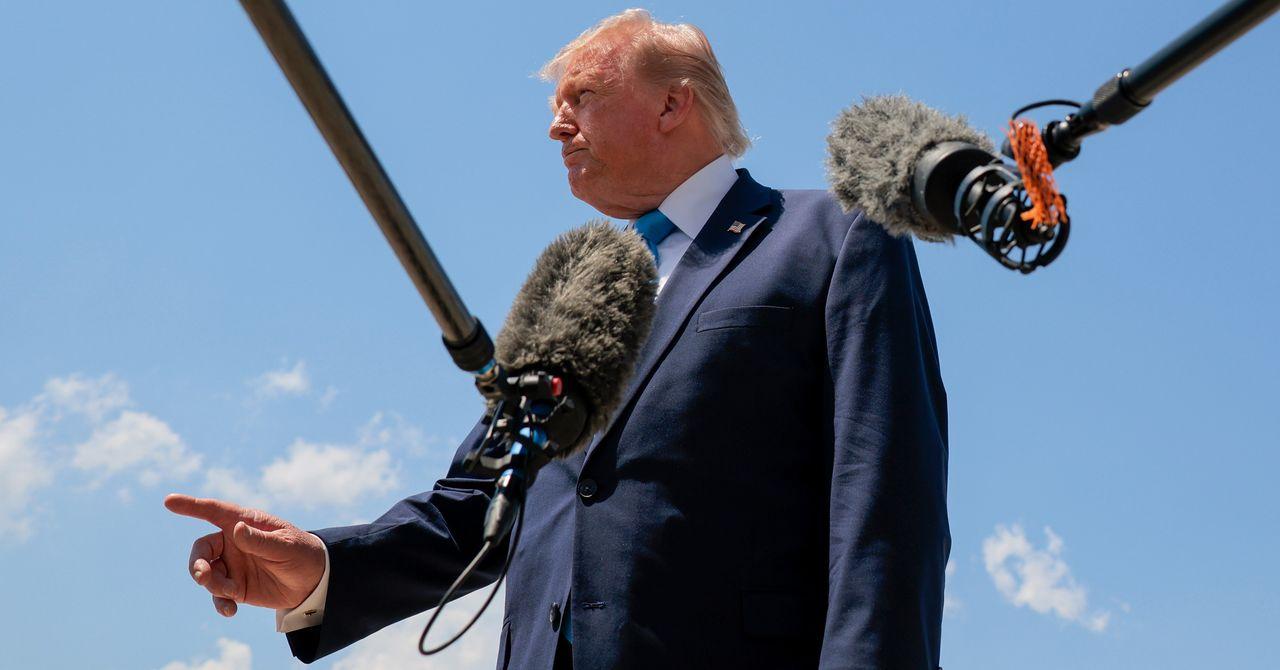
Source: Wired
At the center of the White House internal fight stands chief of staff Susie Wiles, who has assembled a coalition of top officials pushing to revive the executive order. This group includes treasury secretary Scott Bessent and national cyber director Sean Cairncross.
1
Bessent has emerged as a notable force on AI policy, recently meeting with Anthropic CEO Dario Amodei and other AI executives to forge a path forward. He is also expected to lead negotiations on cross-border AI regulation with China. Opposing this faction is David Sacks, Trump's influential former AI czar, who reportedly convinced the president to cancel the signing by arguing the order would be too onerous for industry.Federal AI Policy Paralyzed by Three-Way Power Struggle
The internal conflict extends beyond just two camps. A three-way battle has paralyzed federal AI policy between the Commerce Department, national security officials, and pro-industry aides.
2
The Commerce Department has been quietly building civilian testing partnerships through the Center for AI Standards and Innovation, housed within NIST. On May 5, CAISI announced pre-deployment testing agreements with Google DeepMind, Microsoft, and Elon Musk's xAI. Days later, the announcement vanished from NIST's website without explanation, with staff told to remove the page but given no reason why.National security officials want intelligence agencies to evaluate frontier models before release, with the Office of the National Cyber Director proposing a large AI evaluation center within the Office of the Director of National Intelligence. Commerce Department officials have pushed back hard, arguing that housing cybersecurity evaluation within the intelligence community would drive AI labs away from voluntary cooperation and transform safety testing into a weaponized national security function. People involved have described the situation as a "knife fight."
Mythos Model Raises National Security Concerns
The urgency around US AI regulation intensified with Anthropic's release of its Mythos model, which discovered more than 10,000 zero-day vulnerabilities across every major operating system and web browser.
2
The model's ability to autonomously identify and exploit software flaws has alarmed officials, who recognize that AI is fast becoming a national security concern. The capabilities of Anthropic's Mythos and OpenAI's GPT-5.5 models, which excel at finding vulnerabilities in legacy software systems, have driven recognition inside the White House that action is needed.1
The most contentious section of the canceled executive order was a provision creating a voluntary framework in which AI labs like OpenAI, Anthropic, and Google would give the White House early access to AI models ahead of public release for AI model vetting. The draft suggested AI labs could submit models up to 90 days before public release, though several AI executives indicated their companies may not be prepared to share models that far in advance.
Related Stories

Regulatory Vacuum Emerges as Other Nations Move Forward
The result of this internal conflict is that the United States has no new federal AI regulation weeks after Mythos demonstrated capabilities that would have triggered immediate regulatory action in most other advanced economies. The European Union's AI Act enters full enforcement in August 2026, giving European regulators statutory authority that the US government currently lacks. Trump's first-day repeal of Biden's AI executive order removed the only existing federal framework, and sixteen months later, the replacement has not materialized.
Without clear federal rules, states are drafting their own legislation, creating an unpredictable patchwork of requirements. In a post on X, Sacks wrote that "President Trump understands that unnecessary regulation is the biggest threat to innovation in America. Winning the AI race means not only beating China but also clearing bureaucratic hurdles thrown up by state legislatures and woke politicians in DC." Yet the absence of any coherent framework creates problems for companies facing uncertainty about compliance and leaves the government without a formal mechanism to evaluate models before deployment.
Whether the administration can resurrect an executive order now largely rests on the ability of top White House officials to corral competing factions. "Resolving the infighting only matters if it gets Trump to yes," one administration official said. Commerce secretary Howard Lutnick has played a minimal role despite his interest, partly because he already has early access to new AI models through the existing CAISI program. A senior administration official stressed that internal dynamics remain fluid: "We're back to the drawing board, so everything is still to play for."
References
Summarized by

Navi
[2]
Related Stories
Trump cancels AI executive order signing after tech CEOs skip event and industry pushback
21 May 2026•Policy and Regulation
Trump administration enforces AI regulation through ad hoc interventions despite anti-regulatory stance
18 Jun 2026•Policy and Regulation

Sam Altman urges US lawmakers to fund AI testing but reject mandatory model approvals
03 Jun 2026•Policy and Regulation
Recent Highlights



Recent Highlights
Today's Top Stories







Don’t drown in AI news. We cut through the noise - filtering, ranking and summarizing the most important AI news, breakthroughs and research daily. Follow topics that matter to you and stay ahead.


