Trump Administration Works to Rebuild AI Bioweapons Defenses After Drastic Staffing Cuts


2 Sources
[1]
Trump aims to rebuild defenses against bioweapons as AI fears rise
(Illustration by Chelsea Conrad/For The Washington Post; iStock) The White House is working to strengthen safeguards against biological attacks after staffing cuts early in the second Trump administration depleted expertise in a field where officials increasingly fear artificial intelligence could
[2]
Trump administration works to strengthen defenses against potential AI bioattacks - report
The Trump administration is working to strengthen security against biological attacks after staffing cuts targeted experts in the field early in US President Donald Trump's second term, as artificial intelligence raises new fears about synthetic pathogens, The Washington Post reported on
Share
Copy Link
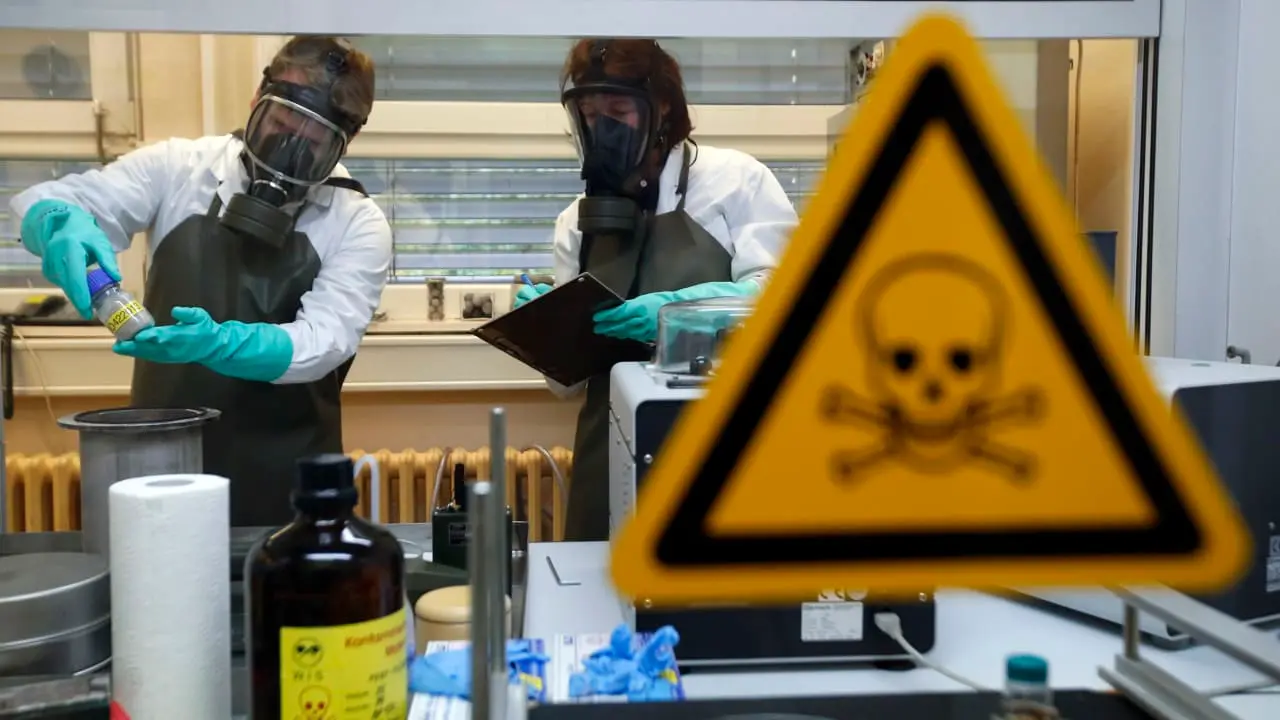
The Trump administration is working to strengthen defenses against bioweapons after early staffing cuts depleted biosecurity expertise. A 30-person White House team focused on biological security dwindled to near zero, raising concerns as AI's role in creating deadly pathogens grows more sophisticated.
Trump Administration Faces Biosecurity Gap After Staffing Reductions
The Trump administration is working to rebuild defenses against bioweapons following significant staffing cuts that depleted expertise in biosecurity at a critical time. Officials increasingly worry that AI bioweapons pose escalating threats as artificial intelligence makes it easier to create deadly pathogens
1
. By the end of President Joe Biden's term, the White House had assembled a specialized team of as many as 30 people focused on biological security. This group coordinated federal agencies dealing with biohazards and provided scientific guidance to top officials1
. That team rapidly dwindled after Trump returned to office amid cuts and reorganizations. At times, nobody at the White House was dedicated solely to biosecurity, according to former government officials1
2
.
Source: Washington Post
Policy Delays Leave Critical Gaps in AI and Biological Safeguards
The staffing cuts have coincided with significant policy delays that experts view as troubling. The administration revoked a 2023 executive order on AI calling for stronger biological safeguards and cast doubt on a 2024 policy designed to require companies to screen buyers seeking genetic components that could be used to create biological agents. This screening policy is widely seen by experts as a basic pillar of defenses against bioweapons
1
2
. Trump directed officials to produce a revised version by August 2025. More than a year later, it has yet to appear, even as AI companies report their most advanced models are gaining increasingly sophisticated biological capabilities alongside hacking skills that have alarmed officials this year1
.Makeshift Team Handles Complex Biosecurity Challenges
In the absence of a large dedicated team, the White House has relied on a small revolving cast of employees with varying levels of expertise. This group has included a junior fellow without a security clearance, a part-timer from the research organization Rand, a pair of CIA staffers with little expertise in the field, and an Air Force doctor who had been a consultant to the White House medical office
1
. A former expert who recently worked directly on outbreak response policy warned that the administration has "kneecapped themselves in their ability to create any policy that would have staying power." The expert emphasized that technocrats exist to advise political leaders on the nuanced tradeoffs of different policy paths1
.
Source: Jerusalem Post
Key Offices Shuttered Then Partially Restored
The White House removed all staff from the Office of Pandemic Preparedness and Response Policy, an organization created to lead the nation's response to major outbreaks that the most dangerous bioweapons could trigger. The office was resurrected as Ebola spread in Africa this spring
1
2
. A National Security Council unit dedicated to health security was also shut down, and parts of the Office of the Director of National Intelligence and Department of Homeland Security responsible for biological threats were broken up as part of broader reorganizations1
2
. These changes occurred amid broader cuts to federal public health and science funding, draining government expertise according to analysts and former officials1
.Related Stories

Administration Emphasizes AI's Potential for Pandemic Prevention and Biodefense
Despite the organizational challenges, the Trump administration has acknowledged biological security risks while emphasizing AI's potential benefits. Trump told foreign leaders at the United Nations last year that he wanted to prevent biological weapons disasters and said AI was a tool to help
1
2
. At the Pentagon, a former health official who led Operation Warp Speed during the first Trump administration is involved in efforts to use AI to speed development of new defenses against future pandemics and to deter biowarfare. Part of this work involves analyzing billions of tweaks to antibodies to assess how to respond to new forms of the coronavirus1
2
. A White House official defended the administration's approach, stating that "The Administration's commitment to addressing AI and biological safety risks is clear and ongoing. The White House has been developing policy for over a year, including in our AI Action Plan last summer."1
2
OpenAI Engages Government on AI-Enabled Biological Attacks
OpenAI and government agencies have held multiple briefings on biological risks, with the company hosting over 50 government experts at a summit in July 2025 to discuss potential uses for biodefense
2
. The company has continued working with the administration to provide a special version of GPT called Rosalind, designed specifically for biodefense purposes2
. An OpenAI spokeswoman stated, "The Administration has increasingly prioritized this important issue as AI capabilities have expanded, and we welcome their partnership."2
While leading US AI companies restrict their models, Anthropic loosened its guardrails on its most powerful model this month after repeated complaints from researchers, highlighting ongoing tensions between AI model restrictions and research needs2
.References
Summarized by

Navi
[1]
Related Stories
Trump's AI strategy prioritizes military adoption and cybersecurity over industry regulation
06 Jun 2026•Policy and Regulation

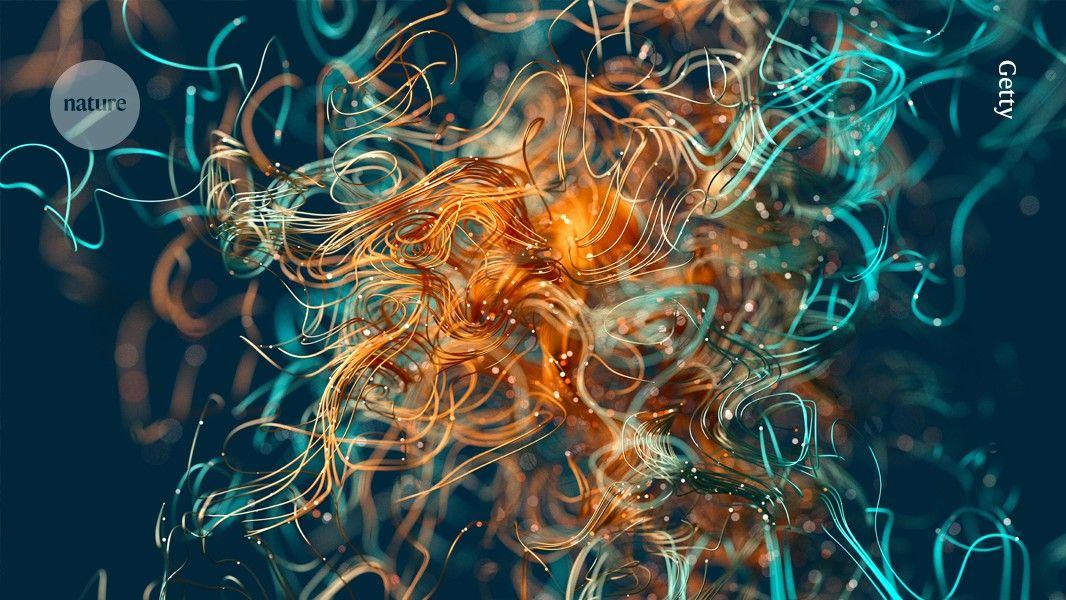
AI-Designed Proteins Expose Biosecurity Vulnerabilities in DNA Screening
03 Oct 2025•Science and Research
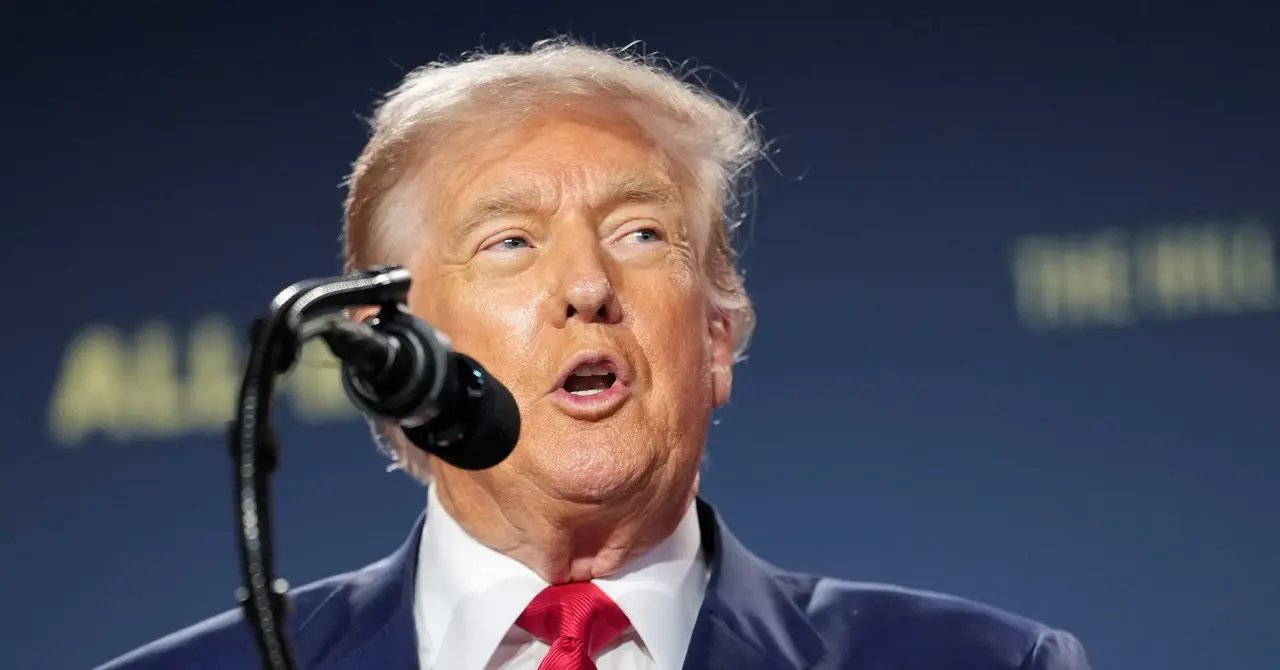
Trump's AI executive order creates voluntary framework as MAGA base pushes for tighter oversight
18 May 2026•Policy and Regulation
Recent Highlights



Recent Highlights
Today's Top Stories





Don’t drown in AI news. We cut through the noise - filtering, ranking and summarizing the most important AI news, breakthroughs and research daily. Follow topics that matter to you and stay ahead.


