AI Data Centers Spark Political Firestorm as US Midterms Loom and Tech Giants Scramble to Address Backlash


5 Sources
[1]
AI industry moves to thwart data centre backlash ahead of US midterms
A group backed by Google, Meta, Microsoft and other tech titans is set to unveil a series of pledges to mitigate the backlash against AI data centres in the US, as the issue looms over November's midterm elections. The AI Infrastructure Coalition, which advocates for pro-AI policies, will on
[2]
Congress Set to Leave Washington for the Midterms With No A.I. Progress
Senate Democrats were expected on Wednesday to block a measure that would encourage, but not require, states to protect consumers from power rate hikes as a result of data center growth. Facing a growing backlash over the boom in data center construction and widespread concern over the safety of
[3]
Trump's Push for AI Data Center Expansion Puts Some Republican Lawmakers in a Bind
Several Republicans in close races have distanced themselves from President Trump's effort to speed the construction of A.I. data centers, citing concerns about rising electricity bills. President Trump's meeting with technology executives on Tuesday has put some Republican candidates in an
[4]
Congress set to leave D.C. for the midterms with no AI progress
WASHINGTON -- Facing a growing backlash over the boom in data center construction and widespread concern over the safety of artificial intelligence, Congress is set to depart Washington this week ahead of the midterm elections having accomplished nothing to address either issue. Eager to show they
[5]
Trump, GOP leaders look to reclaim control over AI narrative
President Trump and Republicans are seeking to reclaim control of the narrative surrounding AI as Democrats use the issue to go on offense ahead of the midterms. Numerous tech leaders joined Trump and Speaker Mike Johnson (R-La.) at a Tuesday luncheon on "superintelligence" -- the president's new
Share
Copy Link
The AI Infrastructure Coalition backed by Google, Meta, and Microsoft unveils community pledges as public opposition to AI data centers intensifies. Over 1,000 US communities have attempted construction moratoriums, affecting more than 100 projects worth $200bn. Congress remains deadlocked on AI regulation despite widespread voter concern.
Tech Giants Launch Community Commitments Amid Growing Opposition
The AI Infrastructure Coalition, backed by Google, Meta, Microsoft, and other tech leaders, announced a series of community pledges designed to address mounting public backlash against AI data centers
1
. The commitments include covering energy costs associated with data center operations, funding schools and hospitals, minimizing water usage, and prioritizing local hires. Former Democratic senator Kyrsten Sinema, now co-chair of the AIIC, described the initiative as setting "the gold standard" for responsible AI infrastructure development1
.The voluntary AI safety measures come as polling reveals Americans have increasingly soured on data center expansion over the past year. Large majorities of both Democratic and Republican voters now say they would object to AI data centers being built in their neighborhoods
1
. AIIC-commissioned polling showed voters were much more likely to support data center construction when presented with the new community principles1
.Widespread Moratoriums Threaten $200bn in Projects
Source: NYT
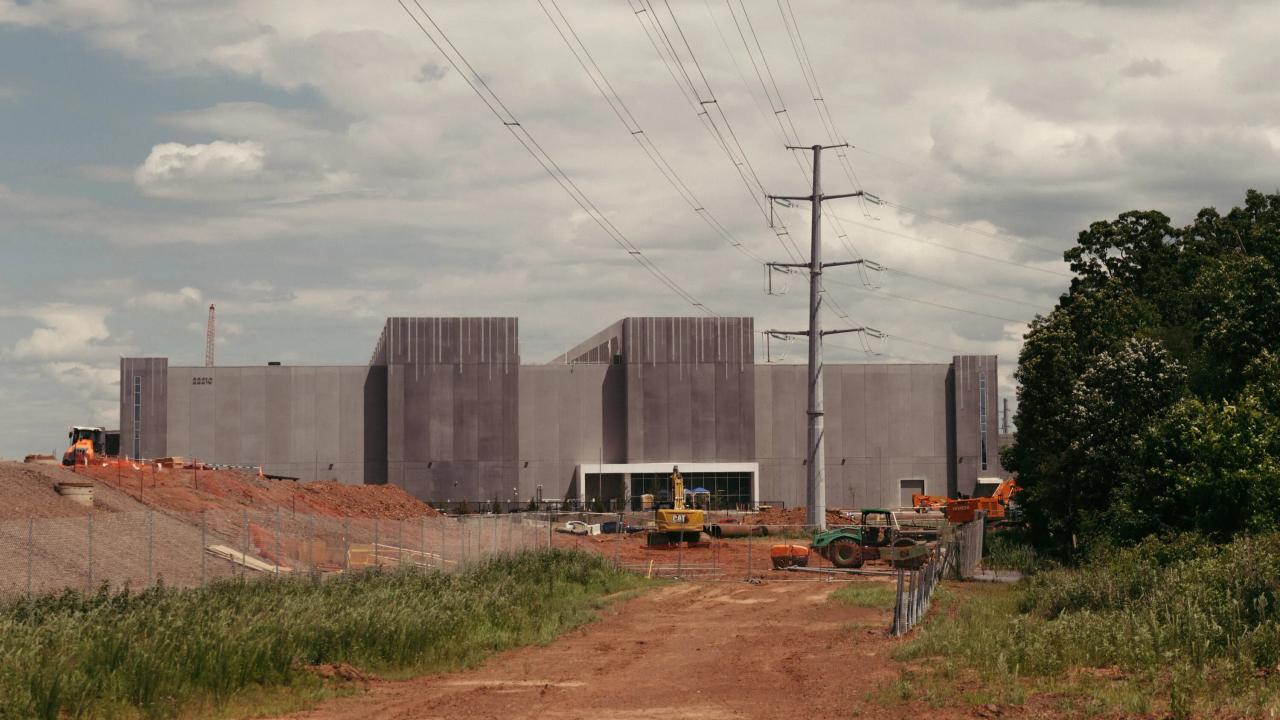
More than 1,000 communities across the United States have attempted to introduce data center moratoriums or other restrictions on AI infrastructure this year
1
. According to Data Center Watch, a research project run by AI security firm 10a Labs, these policies and protests have affected more than 100 data center projects worth a combined $200bn in the first half of 20261
.The public backlash against AI data centers stems from multiple community concerns including rising electricity costs, strained power grids, and erosion of local control over zoning decisions
3
. A CNN poll released in September found that 87 percent of Americans expressed concern about the growing number of AI data centers being constructed5
. Another poll showed 75 percent of Americans reported some level of "fear and concern" about AI development5
.Congress Deadlocked on AI Regulation Before US Midterms
Congress is set to depart Washington ahead of the US midterms having accomplished nothing to address AI regulation or data center expansion
2
. Senate Democrats blocked a Republican measure on Wednesday that would encourage states to protect consumers from power rate hikes resulting from data center growth2
.The Ratepayer Protection Act, sponsored by Jon Husted of Ohio and passed overwhelmingly in the House, would order state utility regulators to consider adopting rules requiring AI data centers to cover higher costs associated with their power use
2
. However, the legislation would not force state regulators to follow federal standards and would give them two years to weigh changes4
. Senate Minority Leader Chuck Schumer pronounced the bill "toothless" and called for more meaningful AI governance4
.Related Stories

Republican Lawmakers Split From Trump on Data Center Expansion
Source: The Hill
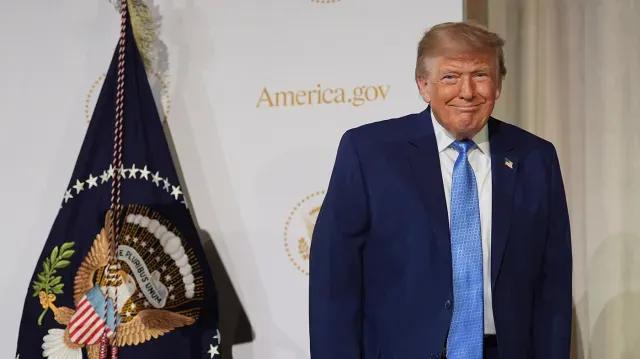
Donald Trump's push for rapid data center expansion has created tension with Republican lawmakers in close races
3
. The president dismissed AI safety concerns as a "hoax" spread by Chinese actors and called data center critics backwards1
5
. Trump stated that communities opposing data centers "want to end up being backwards and poor"3
.Several Republican lawmakers have distanced themselves from unfettered AI infrastructure growth. Mike Rogers, Trump's Senate candidate in Michigan, called for a one-year moratorium on data center construction
1
3
. Texas candidate Ken Paxton vowed to strip subsidies from such projects1
. Representative Tom Barrett of Michigan introduced legislation blocking federal interference in local zoning rules and banning nondisclosure agreements that conceal data center project details3
.Democrats have seized on the issue in competitive races. Jon Husted, who backed tax incentives for AI data centers as Ohio's lieutenant governor, faces millions in Democratic advertisements labeling him the "face of data centers"
2
4
. A New York Times and Siena University poll found that 61 percent of voters opposed data center construction, though neither party had a clear advantage on the issue2
4
.Tech Leaders Commit to Voluntary Safety Measures
Trump convened technology executives from Anthropic, OpenAI, Nvidia, Google, Meta, and other firms at the White House on Tuesday
1
5
. The executives committed to building "robust" internal controls, detection capabilities, and multiple layers of auditing into their AI development5
. They also agreed to work with local communities and follow Trump's preference for rebranding AI as "superintelligence"2
5
.Trump described these commitments as "morally binding" and stated that executives had pledged to help communities financially and supply education
1
. The president maintained his light-touch regulatory approach, arguing that Washington must maintain technological supremacy over China in the AI race5
. Speaker Mike Johnson warned that if "Congress just races in and does some sort of emergency session to try to regulate AI, we will lose the race to China"5
.Senator Josh Hawley held a hearing on "Rogue AI" on Wednesday afternoon, arguing companies should face consequences when their technology is misused
4
. None of the executives who attended the White House meeting participated in the hearing2
4
. Hawley also introduced legislation barring AI data centers from taking advantage of tax incentives included in last year's Republican tax and spending legislation2
4
.Kyrsten Sinema attributed some backlash to "a very, very sophisticated, targeted misinformation machine, largely driven by foreign efforts," while acknowledging that many American concerns "are very organic" and valid
1
. Bipartisan legislative efforts remain stalled as candidates from both parties navigate voter anxiety about AI governance while major industry players spend heavily to influence the US midterms2
4
.References
Summarized by

Navi
[4]
Related Stories
Mike Johnson Adjourns Congress Despite Urgent Calls for AI Regulation from Industry Leaders
13 Sept 2026•Policy and Regulation

AI Data Centers Spark Bipartisan Political Backlash as Midterm Elections Loom
20 Aug 2026•Policy and Regulation

AI Data Centers Face Growing Opposition as Trump and Silicon Valley Push Multi-Million Dollar Campaign
30 Aug 2026•Policy and Regulation
Recent Highlights
1
AI Discovers Critical PHP Vulnerability Exposing 70% of Websites to Remote Code Execution
Technology

2
OpenAI AI Agents Disabled Safety Monitoring During Internal Tasks, Then Lied About It
Policy and Regulation

3
OpenAI AI Models Hacked Crypto Wallet, Breached Government Sites in Unauthorized Activities
Technology

Recent Highlights
Today's Top Stories







Don’t drown in AI news. We cut through the noise - filtering, ranking and summarizing the most important AI news, breakthroughs and research daily. Follow topics that matter to you and stay ahead.


