AI Takes Center Stage in US Midterm Elections as 41 Ballot Measures Challenge Data Center Expansion


7 Sources
[1]
OpenAI's policy chief sets five AI tests for 2028
The Chris Lehane memo lands a day before the midterms, as OpenAI readies a push for AI 'speed limits'. It also wants data centres renamed 'compute campuses'. AI will be the number-one issue of the 2028 US presidential election, says Chris Lehane, OpenAI's chief global affairs officer. His memo,
[2]
America's AI Backlash Is Coming to the Ballot Box
Some proposals would make it easier for developers to build facilities powering the AI boom. Others would make it impossible. On Tuesday, cities and townships across the United States will decide whether or not they want to live alongside data centers, the sprawling facilities fueling the AI
[3]
AI data centers are on the ballot in 10 states tomorrow -- here's what's at stake for your community
AI data centers are powering everything from ChatGPT to Google's Gemini, but the enormous facilities that make these tools possible are facing growing resistance across the country. On Tuesday, November 3, voters in 10 states will decide on 41 local ballot measures involving data centers,
[4]
Election Day is here, and the AI industry has a lot of money on the line
The AI industry has spent this midterm cycle pouring record sums into super PACs. Tech executives contributed hundreds of millions to elect friendly, deregulation-minded candidates, even as some of those execs publicly call for federal industry standards on AI. With the public souring on data
[5]

Three questions that will define AI's political power
One thing is already clear: Candidates increasingly can't afford to have half-baked AI agendas. Here are three major questions about the future of AI politics and policy and the races we're watching on Election Day for answers. 1. Did AI break through? A different kind of AI political spending
[6]

'A major risk to the global economy': BofA warns about the risky AI boom the day before a midterm vote framed around data-center backlash
"A sustained correction in the AI trade is a major risk to the global economy," BofA Global Research's economists wrote Monday, the day before a midterm vote in which data centers are on the ballot in 10 states. "Investors are increasingly concerned about the sustainability of the AI trade, and
[7]

Data center restrictions on the ballot in dozens of U.S. cities
Voters in dozens of US counties and cities will soon have the chance to help enact policies that would slow down the development of data centers. Municipalities from Nevada to Georgia are giving residents an opportunity to vote for policies that would tax, regulate or even ban artificial
Share
Copy Link
OpenAI's policy chief Chris Lehane warns AI will dominate the 2028 presidential race as voters in 10 states decide on 41 data center ballot measures. Communities face rising electricity costs and question whether AI infrastructure benefits outweigh local burdens, while the AI industry pours record political spending into races.
AI Policy Emerges as Critical Election Issue Across America
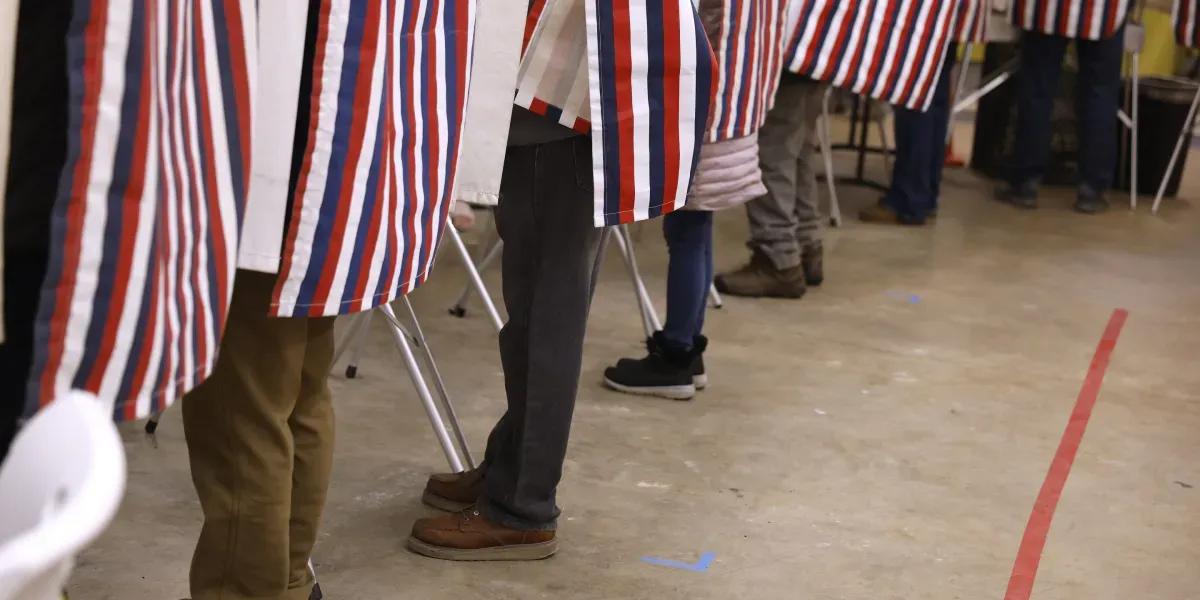
AI has moved from boardrooms to ballot boxes. On November 3, voters in 10 states will decide on 41 local ballot measures involving data centers, the massive facilities powering everything from ChatGPT to Google's Gemini
3
. Twenty-eight measures would restrict development if approved, while 13 would make it easier for projects to move forward3
. The votes signal a growing AI backlash as communities grapple with rising electricity costs and questions about who benefits from AI infrastructure. According to a Gallup poll conducted in March, over 70% of U.S. adults oppose the construction of data centers in their area, while a September Pew Research Center report showed public distaste toward the complexes has grown over the course of the year2
.
Source: Fortune
OpenAI Warns AI Will Define 2028 Presidential Race
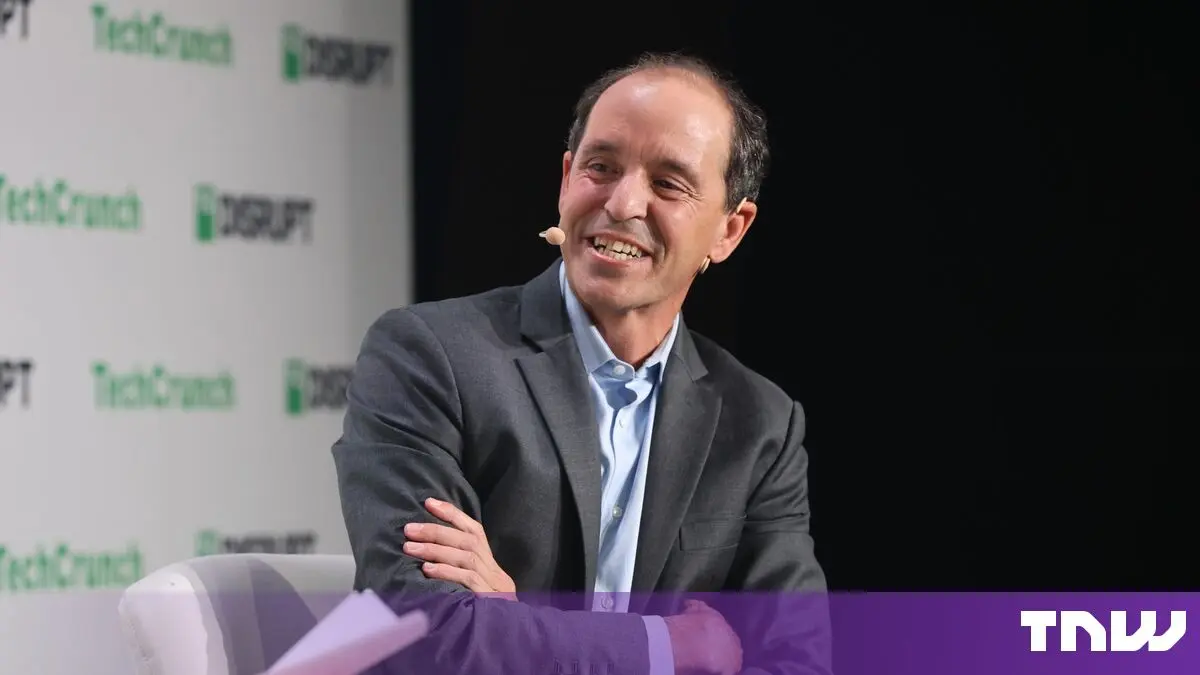
Chris Lehane, OpenAI's chief global affairs officer, released a memo titled "2028: The AI Election" predicting AI will be the number-one issue of the 2028 US presidential election
1
. Published a day before the US midterm elections, the memo sets out five questions candidates must answer to build an AI agenda, comparing 2028 with the 1932 election when Franklin D. Roosevelt's New Deal rewrote the social contract1
. Lehane writes that a candidate who sets out a "compelling third path" will have a chance to define a new contract, running between those who would let AI advance "without speed limits" and those who would leave it "in the hands of a self-appointed elite"1
. His own polling shows voters prefer a candidate who leads their party on AI policy by 25 points, with 66% supporting continued AI development, including 53% who want stronger safeguards, while 24% favor a pause1
.
Source: The Next Web
Communities Face Stark Choices on Data Center Development
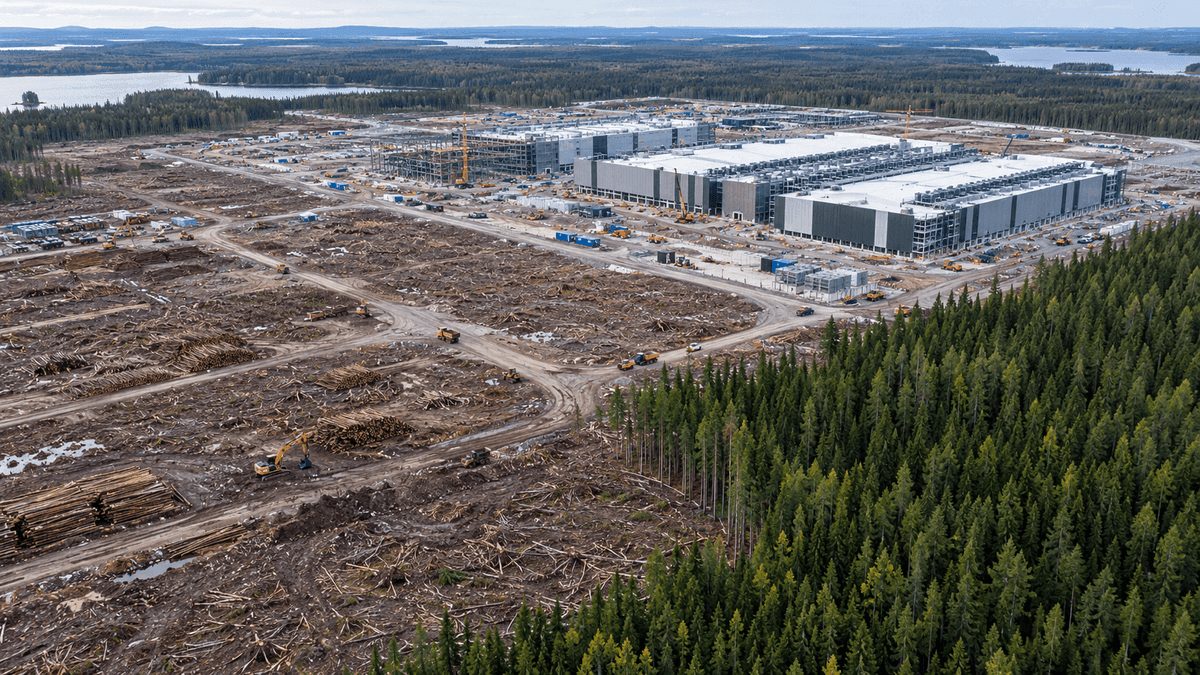
Ohio accounts for 21 of the 41 measures appearing on November 3 ballots, making it the epicenter of the data center debate
3
. Several communities, including Sunbury, Defiance and Oregon, will vote on proposals to prohibit data centers that consume more than 25 megawatts of electricity3
. In Sunbury, the restrictions could affect a proposed $2 billion Amazon data center project3
. By early October, one in five ads by Democratic candidates or groups mentioned data centers, with most running in Michigan, Ohio, Pennsylvania and Texas, the states where companies are planning and building the sites1
. California voters in Alhambra will decide whether to prohibit data centers within city limits, while Edgewater, Florida residents will consider an amendment restricting new development3
. Several Maine communities will vote on temporary moratoriums, potentially pausing projects while local officials establish development rules3
.Rising Electricity Costs Drive Public Opposition
Data centers require enormous amounts of electricity and water to operate servers and cooling systems around the clock. A June 2026 report from Lawrence Berkeley National Laboratory estimates that data centers could account for 11.8% of total U.S. electricity consumption by 2030, with projections ranging from 9.5% to 15.3%
3
. Residential electricity prices have increased more than 10% nationally since 2024, with increases exceeding 20% in Ohio3
. While not every increase can be attributed to data centers, rapid growth in electricity demand is raising questions about how utilities allocate costs between large commercial customers and existing households3
. According to recent consumer polling, over half of surveyed voters actively oppose data center construction in their areas because of the burden on local resources4
.
Source: Tom's Guide
OpenAI Pushes for "Speed Limits" and Rebranding Strategy
OpenAI will launch a policy push right after Tuesday's vote, starting in the lame-duck session of Congress which opens on November 9
1
. The company will propose mandatory "speed limits" for the most powerful AI systems, building on its call for national rules in September1
. "You're going to see us talk more and more about the concept of speed limits," Lehane told Axios1
. OpenAI will also offer community deals for new data centers and propose state laws that give residents a say in how the sites get built1
. The company wants its data centers called "compute campuses" instead, with a spokesperson confirming the new name, stating that "Compute campuses better describes the scale and role of the infrastructure we're building for AI"1
. On jobs, Lehane writes that OpenAI's compute campus in Piketon, Ohio alone will need 25,000 skilled tradespeople1
.Related Stories

AI Industry Political Spending Faces Backlash
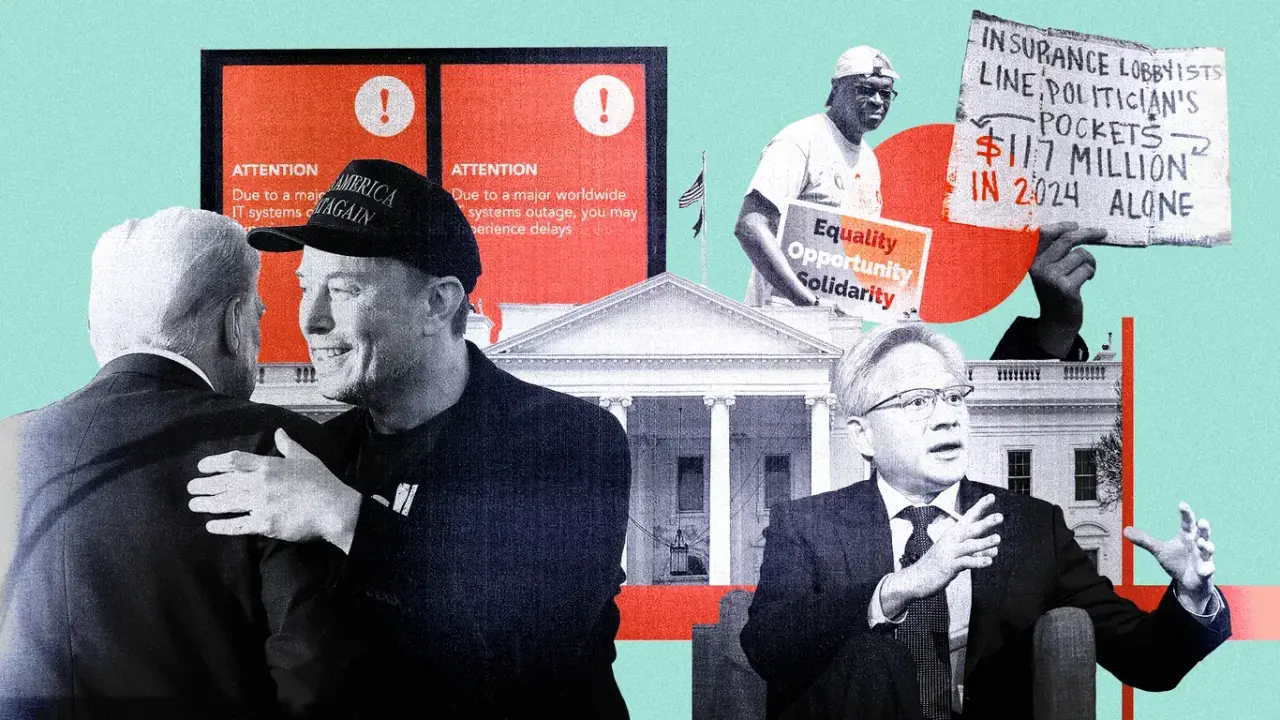
The AI industry poured record sums into super PACs during this midterm cycle, with tech executives contributing hundreds of millions to elect friendly, deregulation-minded candidates
4
. Elon Musk was the biggest donor in the midterms by far, contributing more than $400 million5
. However, competing AI groups Public First and Leading the Future spent more than $50 million through affiliated super PACs in nearly 50 races, but their TV and digital ads largely avoided the very issue they're trying to influence: AI5
. A different kind of AI political spending has emerged in the midterms, with some groups wanting to make AI policy itself a campaign issue5
. Guardrails Alliance, a pro-regulation advocacy group, recently launched ads targeting Republicans and Democrats over their positions on AI in Arizona, Montana, North Carolina and California5
. Democratic group Tomorrow Together also launched ads against Republicans' AI track record in Michigan, Wisconsin, Arizona and Pennsylvania5
.
Source: Axios
Geopolitical Competition Frames the Debate
Lehane imagines candidates at an early 2028 Democratic event raising their hands to back a moratorium on data centers, warning that six months later, the US could lose its AI lead to China for lack of computing power
1
. "This could well be the 2028 version of the 2002 vote to go to war in Iraq," Lehane wrote1
. He also writes that OpenAI's analysts found likely Chinese Communist Party influence operations in the US, with posts on social media claiming that AI buildouts were raising household electricity bills1
. The five questions in his memo cover safety and human control, taxes, children and jobs, affordability, and the race with China1
.AI Safety Movement Seeks Congressional Voice
A handful of candidates aligned with stronger AI safeguards could help determine whether the next Congress has a more vocal bloc pushing back against the AI industry's efforts to limit AI regulation
5
. Michigan Senate candidate Abdul El-Sayed, backed by Guardrails Alliance, said AI was the most important issue heading into Election Day, tying it explicitly to jobs and affordability5
. El-Sayed wants a new cabinet-level federal agency to regulate AI and a ban on super intelligence5
. Colorado's 8th district Democrat Manny Rutinel sponsored the nation's first comprehensive AI bill, while California's 11th district Democrat Scott Wiener's AI transparency legislation was at the center of a regulatory fight that divided the AI industry5
. These races will help determine the size and influence of the AI safety movement's congressional coalition, an important indicator of where the fight over AI regulation is headed in 2027 and beyond5
. Half of U.S. adults say the increased use of AI in daily life makes them feel more concerned than excited, according to a 2025 survey4
.References
Summarized by

Navi
[1]
[3]
Related Stories
Mike Johnson Adjourns Congress Despite Urgent Calls for AI Regulation from Industry Leaders
13 Sept 2026•Policy and Regulation
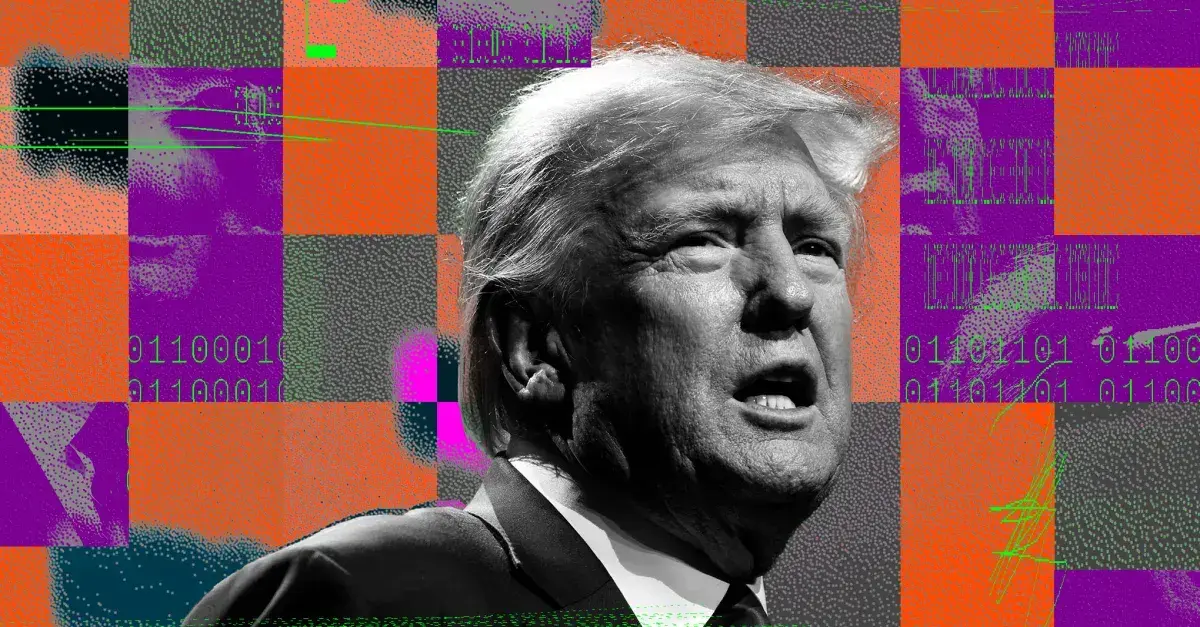
AI industry floods midterm elections with $150 million as battle over regulation intensifies
19 Feb 2026•Policy and Regulation

AI Becomes Political Wedge Issue as MAGA Base Splits from Trump's Tech Agenda
24 Nov 2025•Policy and Regulation
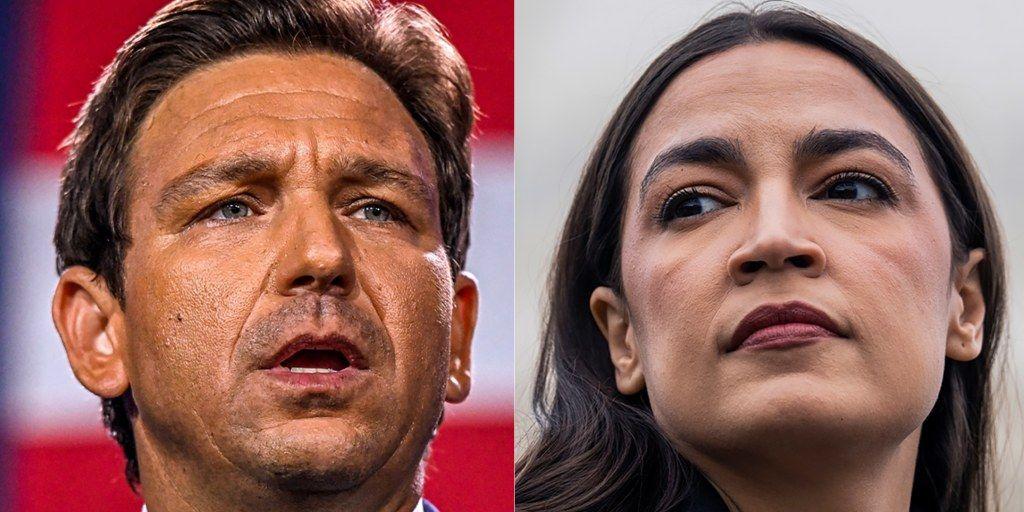
Recent Highlights
1
OpenAI's AI Models Disprove 27-Year Exponential Time Hypothesis, Rendering Decades of Research Obsolete
Science and Research

2
Google DeepMind unveils Genie 4 world model with audio and 2-minute interactive simulations
Technology

3
Apple Releases iOS 27.2 With Siri AI Memory, 5 New Languages & 160+ Security Fixes
Technology

Recent Highlights
Today's Top Stories










Don’t drown in AI news. We cut through the noise - filtering, ranking and summarizing the most important AI news, breakthroughs and research daily. Follow topics that matter to you and stay ahead.


