Google must let UK publishers opt out of AI search and add clearer attribution, CMA rules


23 Sources
[1]
Google ordered to put clearer links in AI search and let UK publishers opt out
UK regulators today ordered Google to put clearer attributions and links to publishers' content in its AI-generated search features. The UK's Competition and Markets Authority (CMA) also said Google must give publishers a way to opt out of AI features in search. "In a world first, publishers will
[2]
Google must let publishers opt out of AI Search features, rules UK
Online publishers are getting more control over whether their websites appear in Google's AI Search features, thanks to a UK regulatory ruling. The new conduct rule imposed by the Competition and Markets Authority (CMA) requires Google to let website owners keep their content out of features like
[3]
UK Forces Google to Improve AI Summary Sourcing, Give Publishers an Opt-Out
UK officials will require Google to better highlight the sources from which it pulls answers for AI Overviews, and will allow publishers to opt out of having their content included in AI summaries. Google will have nine months to make these changes, but the UK's Competition and Markets Authority
[4]
UK regulator enforces new competition requirements on Google search
Britain's competition regulator said on Wednesday it has imposed new conduct requirements on Google's search services, including allowing publishers to opt out of training the U.S. tech giant's AI models, as the watchdog ramps up its oversight. The Competition and Markets Authority has flagged
[5]

UK publishers allowed to opt out of Google AI search results
Online publishers can choose not to appear in the AI Overviews of Google search results n the UK, the Competition and Markets Authority (CMA) has announced. The competition regulator said this would "put publishers, like news organisations, in a stronger position to negotiate content deals with
[6]

UK forces Google to offer AI search opt-out for publishers
The UK's CMA has ordered Google to let publishers opt out of AI Overviews without losing their search ranking, a world-first requirement. Google began testing the controls immediately and plans to roll them out globally. For months, publishers have faced a binary choice with Google: let AI
[7]
UK regulator imposes new rules on Google search, including an AI-training opt-out
The CMA's first conduct requirements under Google's 'strategic market status' let publishers refuse to train its AI models. Britain's competition regulator has stopped consulting and started ordering. On Wednesday the Competition and Markets Authority imposed new conduct requirements on Google's
[8]

UK regulator mandates that Google should let publishers opt out of AI search
* Publishers must now be allowed to opt out of AI Overviews and AI Mode * They should not be penalized by risking visibility loss in regular search * Google given nine months to implement changes, must submit reports Britain's competition regulator, the Competition and Markets Authority (CMA),
[9]

What does the UK watchdog's new Google AI results rule mean for publishers?
Giving news websites the power to block their content from being used in AI summaries will have global ramifications The UK's competition watchdog has ordered Google to change how it uses publishers' content in its AI-powered search results, in a move that will have global ramifications. The
[10]

Google forced to allow news sites to opt out of AI scraping in 'world first,' UK watchdog says | Fortune
Google must allow news sites to opt out of having their online content scraped to feed AI overviews and other artificial intelligence services and features for British users, regulators said Wednesday. The Competition and Markets Authority said it was ordering Google to give online publishers the
[11]
Google must give UK publishers choice to block AI search summaries, says competition watchdog - business live
Good morning, and welcome to our rolling coverage of business, the financial markets and the world economy. The UK's competition watchdog has announced that web publishers and news organisations will now be able to opt out of AI overviews of Google search results. The Competition and Markets
[12]

UK orders Google to provide AI Overviews opt-out option for publishers
UK orders Google to provide AI Overviews opt-out option for publishers The UK's antitrust regulator has ordered Google LLC to give publishers more control over how their content appears in search results. The Competition and Markets Authority, or CMA, announced the move today. The order focuses
[13]

UK regulator orders Google to give publishers AI search opt-out
The UK's Competition and Markets Authority has imposed binding rules on Google's search services in a move it calls a world first. The UK's competition regulator has formally required Google to let publishers opt out of having their content used to power AI features in search, including its AI
[14]

Google search given nine months to implement UK 'conduct requirement'
New rules from the Competition and Markets Authority include measures allowing publishers to opt out of training Google's AI models. Google search is facing a series of targeted rules that a UK regulator says will secure a fairer deal for publishers and consumers, and improve its services at the
[15]
UK media groups given power to opt out of Google AI search summaries
Watchdog says 'publishers will now have effective tools to prevent content being used to power AI features in search' Publishers will be able to opt out of their content being used to train Google's AI models and power its search summaries, the UK competition watchdog has announced as it imposes
[16]

Google must let UK publishers opt out of AI search under new rules
Britain's competition watchdog has introduced new rules for Google's search. Publishers can now decide if their content powers Google's AI. This move aims to give creators more control and better deals. Google accounts for over 90% of UK searches. The changes respond to how users find information
[17]
UK regulator enforces new competition requirements on Google search
The Competition and Markets Authority has flagged concerns about Google's dominance in search services. Google accounts for more than 90% of UK queries, and the regulator had been consulting on the matter to ensure effective competition. Britain's competition regulator said on Wednesday it has
[18]

UK Regulator Orders Google to Give Publishers Greater Control Over AI Search Content | PYMNTS.com
The Competition and Markets Authority (CMA) announced the measures after formally designating Google as holding Strategic Market Status (SMS) in general search services. The designation grants the regulator authority to impose conduct requirements aimed at promoting fair competition, transparency
[19]

UK mandates Google to attribute publishers in AI search results
References: [ Press release ] & UK CMA's Google Publisher Conduct Requirement Document here: [ PDF | Archived ] "In a world first, publishers will now have effective tools to prevent their content being used to power AI features in search, such as AI Overviews," read the United Kingdom's (UK)
[20]

UK regulator requires Google to give publishers AI opt-out By Investing.com
Investing.com -- The Competition and Markets Authority imposed a conduct requirement on Google's search services on Wednesday, giving publishers the ability to prevent their content from being used in AI-powered search features. The requirement follows the CMA's designation of Google with
[21]

U.K. Regulator to Let Publishers Keep Content Out of Google Search's AI Tool -- Update
By Adria Calatayud and Edith Hancock U.K. antitrust regulators said they would allow publishers to opt out of feeding their content to power artificial-intelligence features in Google's online searches. The Competition and Markets Authority said Wednesday that the move aims to give publishers
[22]
UK watchdog introduces new rules for Google's AI search results
(Alliance News) - Alphabet Inc's Google will face tighter controls on its use of artificial intelligence going forwards, the UK Competition & Markets Authority said on Wednesday. The watchdog is implementing new conduct requirements under its digital markets regime. Online publishers will be able
[23]
U.K. Regulator to Let Publishers Keep Content Out of Google Search's AI Tool
U.K. antitrust regulators said they would allow publishers to opt out of feeding their content to power artificial-intelligence features in Google's online searches. The Competition and Markets Authority said Wednesday that the move aims to give publishers control over how their content is used by
Share
Copy Link
The UK's Competition and Markets Authority has ordered Google to give publishers control over whether their content appears in AI search features like AI Overviews. The ruling also requires clearer attribution and links to publisher content in AI-generated search results, marking a world-first requirement that aims to strengthen publishers' bargaining power for content deals.
UK Publishers Gain Control Over Google AI Search Features
The Competition and Markets Authority has imposed legally binding requirements on Google AI search, forcing the tech giant to give UK publishers unprecedented control over how their content appears in generative AI features. The CMA ruling mandates that publishers can now opt out of AI search tools like Google AI Overviews, AI Mode, and AI Overviews in Discover, marking what regulators call a "world-first" intervention in the rapidly evolving AI search landscape
1
. This decision comes after the CMA determined Google holds "strategic market status" in general search services, with the company controlling more than 90% of UK search queries4
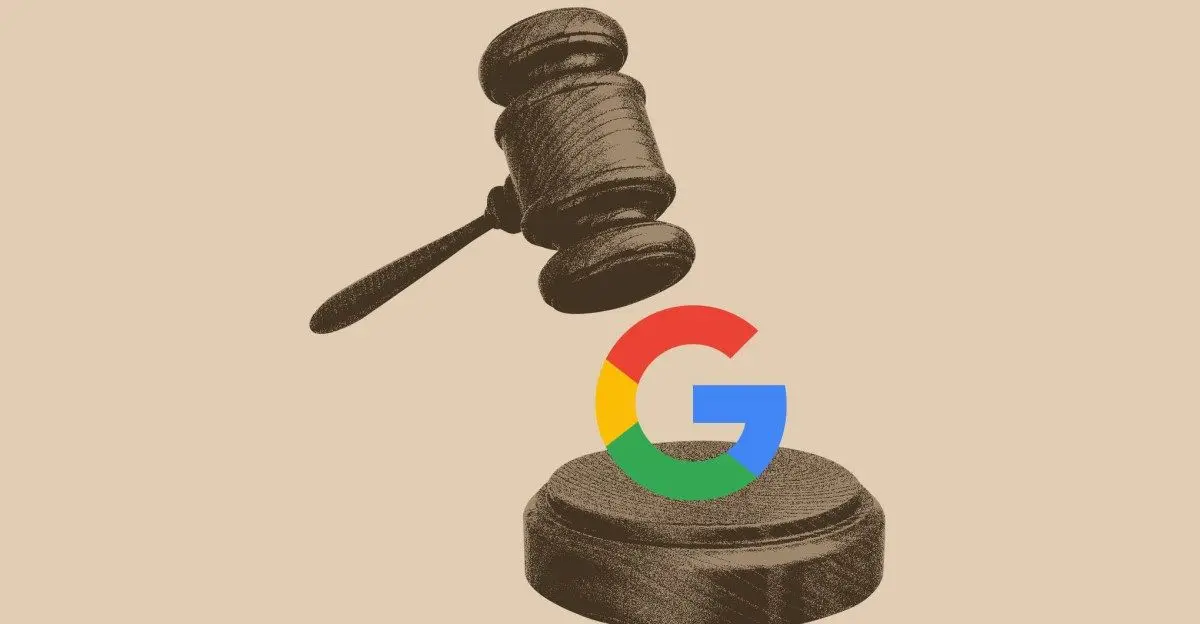
.
Source: The Verge
The new requirements address growing concerns from news organizations and website owners who have reported significant traffic declines since Google began prioritizing AI-generated summaries at the top of search results. An August survey from Digital Content Next found that median year-over-year referral traffic from Google Search dropped 10% in May and June 2025, with some publishers experiencing click-through rates declining by up to 25%
3
. By allowing publishers opt out of AI search features, the CMA aims to put them "in a stronger position to negotiate content deals with Google," according to the regulator's announcement2
.Google Must Provide Clearer Links in AI Search Results
Beyond opt-out controls, the CMA ruling requires Google to ensure proper attribution of publisher content using clearer links in AI-generated search results. This addresses concerns that Google AI Overviews often deliver confident-sounding responses to search queries without clearly indicating which sources support those claims
1
. The Competition and Markets Authority noted that stakeholders reported instances where attribution in search generative AI features has been inaccurate and that clarity could be improved.
Source: TechRadar
Google had previously opposed what it termed "excessive attribution" in its formal response to the CMA proceeding in February, arguing that it was "already motivated to strike the right balance between attribution and usability." The company warned that "excessive attribution of lots of sources may worsen the user experience and lead to fewer clicks," while acknowledging that "too little attribution and publishers may decide to opt out, depriving Google of their content"
1
. Despite these objections, Google has now committed to full compliance and says it is "continuing to experiment with a range of new link designs in our AI experiences to make them more useful."New Google Search Console Controls Roll Out
In response to the CMA ruling, Google has begun testing new controls through the Search Console that allow website owners to manage how their content appears in AI search features. The new toggle lets publishers decide whether they want their sites to appear in and help ground responses in generative AI Search features
1
. Crucially, the CMA ruled that Google cannot penalize publishers for opting out, meaning the company cannot downrank opted-out publishers in general search rankings outside of AI features1
.Website owners will also receive enhanced data through Google Search Console controls, including impressions metrics and information about which pages appear in AI responses and in what countries
1
. These features are currently rolling out to a subset of website owners in the UK for testing before expanding globally. Sites that opt out will not receive traffic or impressions from generative AI features, but Google has confirmed this control will not affect search rankings for traditional search results2
.Related Stories

Implications for Content Deals and AI Models
The CMA ruling also prevents Google from using opted-out content for fine-tuning its AI models, giving publishers additional leverage in negotiations
2
. News Media Association CEO Theo Bamber called the legally enforceable conduct requirements "a significant step towards leveling the playing field and building a fair, transparent digital economy where premium content is properly respected and fairly compensated"2
. However, he emphasized that success depends on "efficient implementation, robust enforcement and the ability to adapt and strengthen the rules if they are not working properly."
Source: PC Magazine
Google has nine months to comply with all requirements, though the CMA expects important parts of the controls to become available well before that deadline
1
. The company will be required to submit and publish compliance reports with key data and metrics explaining changes made. CMA Chief Executive Sarah Cardell stated that the regulator is "actively monitoring how Google is implementing these changes -- including assessing the implications for businesses" following Google's announcement of major search box upgrades at I/O last month3
. The CMA retains the power to bring forward additional measures to ensure fair exchange of value between Google and publishers as the situation evolves, signaling that this may be just the beginning of regulatory oversight in AI search. The regulator's focus on consumer trust and market dominance reflects broader concerns about how tech giants leverage content from news organizations and other publishers to power their AI tools without adequate compensation or attribution.References
Summarized by

Navi
Related Stories
UK Watchdog Pushes Google to Let Publishers Opt Out of AI Overviews Amid Traffic Concerns
28 Jan 2026•Policy and Regulation

Google introduces AI opt-out controls to address UK competition concerns over search dominance
18 Mar 2026•Policy and Regulation
UK watchdog orders Google to make search rankings fairer and more transparent
17 Jun 2026•Policy and Regulation

Recent Highlights



Recent Highlights
Today's Top Stories








Don’t drown in AI news. We cut through the noise - filtering, ranking and summarizing the most important AI news, breakthroughs and research daily. Follow topics that matter to you and stay ahead.


