UK Government's Controversial Advice: Delete Digital Data to Combat Drought


3 Sources
[1]
England's drought crisis sparks bizarre advice to clear inboxes as water levels plummet to record seasonal lows.
Hosepipe bans remain in place while reservoirs across England drop to alarmingly low seasonal levels The UK government has proposed an unconventional way to contribute to water conservation during the country's ongoing drought - deleting old emails and pictures. ThE suggestion came from the
[2]
The pro AI UK government has advised citizens to 'Delete old emails and pictures as data centres require vast amounts of water to cool their systems' to help reduce water consumption during national drought
We're going to be the best at AI but you lot need to delete old email and pics to save water. Folks in the UK are doing it tough right now with droughts sweeping the country. The situation has gotten so bad the government has declared it a "nationally significant incident." Alongside a release
[3]
UK Asks Citizens To Delete Old Emails, Pictures To Save Water
The UK government's Department for Environment, Food & Rural Affairs is asking its citizens to delete their old emails and pictures to minimise the usage of data centres. As five of its regions are still experiencing a drought, and another six are witnessing prolonged dry weather, the country has
Share
Copy Link
The UK government suggests deleting old emails and pictures to conserve water during a severe drought, sparking debate over the effectiveness of digital cleanup in addressing water scarcity.
UK's Drought Crisis and Unconventional Digital Solution
The United Kingdom is grappling with a severe drought, prompting the government to declare it a "nationally significant incident"
1
. As water levels plummet to record seasonal lows, authorities are exploring various strategies to conserve water. Among these, an unconventional suggestion has sparked debate: deleting old emails and pictures to reduce data center water consumption.The Digital Cleanup Proposal
The National Drought Group, comprising government agencies, water companies, and environmental experts, proposed this unusual method of water conservation
1
. The reasoning behind this advice is linked to the operation of data centers, which support services such as email hosting, cloud storage, and AI processing. These facilities use substantial amounts of water for cooling servers and maintaining optimal performance.
Source: PC Gamer
Helen Wakeham, Director of Water at the Environment Agency, stated, "Simple, everyday choices, such as turning off a tap or deleting old emails, also help the collective effort to reduce demand and help preserve the health of our rivers and wildlife"
1
.Drought Severity and Traditional Conservation Methods
Source: TechRadar
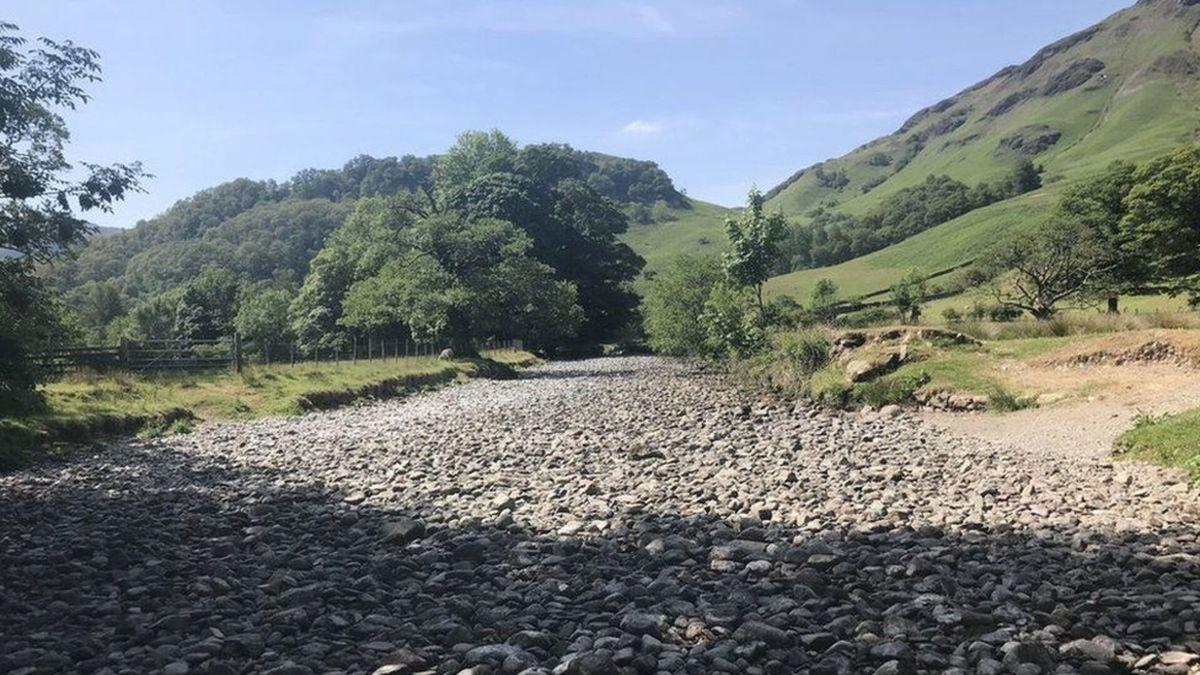
The drought has led to hosepipe bans in parts of Yorkshire, the South East, and other affected regions. Reservoirs across England have dropped to an average of 67.7% capacity, significantly below the early August norm of over 80%
1
. Some reservoirs are now below 50%, with river flows at historically low levels in certain areas.Water companies have intensified leak repairs, with some fixing over 800 each week. Traditional water-saving actions such as taking shorter showers, fixing leaking toilets, and collecting rainwater for garden use are also being promoted
1
.Data Centers and Water Consumption
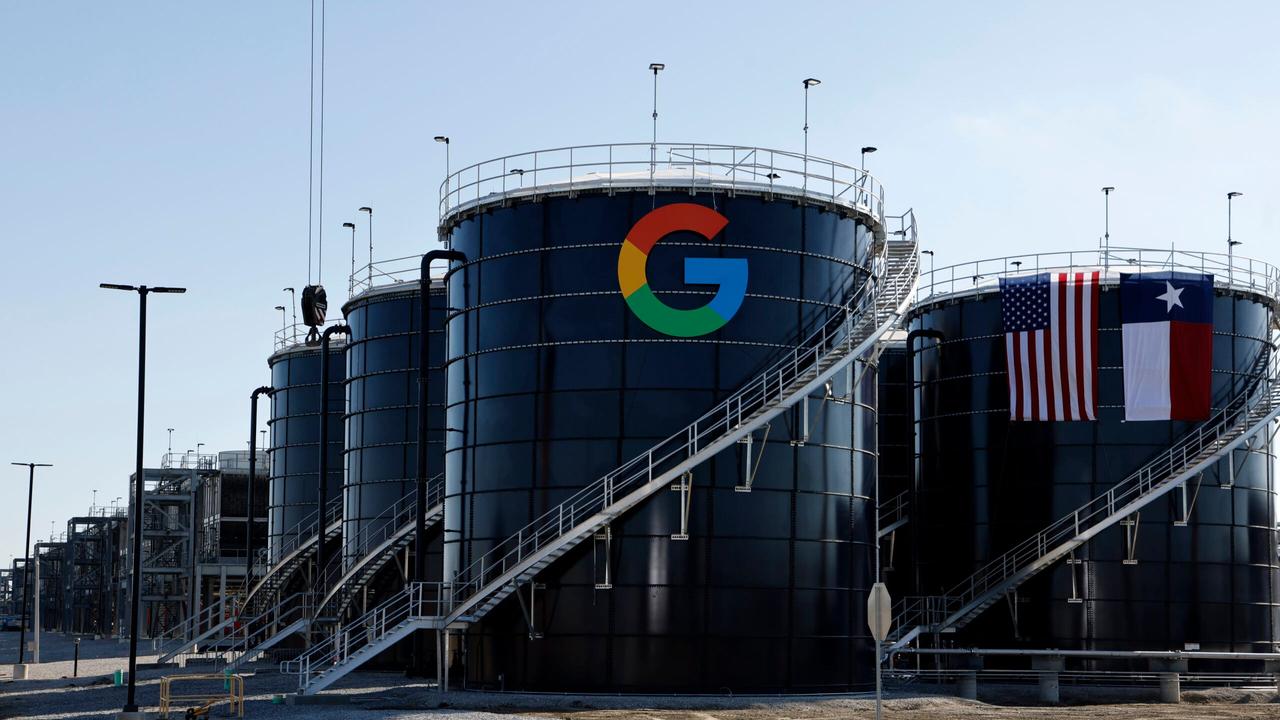
Data centers, particularly those supporting AI operations, are known for their high water consumption. They often rely on liquid cooling methods to manage the intense heat generated by high-performance computing
3
. The growing demand for cloud storage and generative AI has added to the load on data centers, with environmental reports showing measurable water use from AI processing tasks1
.Related Stories
Debate Over Effectiveness
The suggestion to delete digital data has sparked a debate among experts and critics. While data centers do consume large amounts of water, there is no clear evidence that deleting small amounts of personal data measurably reduces their cooling needs
1
.Critics argue that structural changes, such as reducing leaks and improving water infrastructure, would have a more immediate and tangible impact on water conservation
2
. Some experts suggest that the act of reviewing and deleting stored data might actually use more water than simply leaving the data untouched2
.Global Implications
The UK's situation highlights a growing global concern about the water consumption of data centers and AI technologies. As more users become familiar with AI and cloud storage, the demand for these services is increasing, potentially exacerbating water usage issues in other parts of the world
3
.While the effectiveness of digital cleanup remains questionable, the UK's drought crisis underscores the need for comprehensive strategies to address water scarcity, balancing technological advancement with environmental conservation.
References
Summarized by

Navi
[1]
Related Stories
UK's AI ambitions clash with water reality as datacenters excluded from national forecasts
21 Jul 2026•Policy and Regulation

AI's Water Crisis: Data Centers' Unsustainable Thirst Threatens Global Water Resources
17 Jun 2025•Technology

UK Experts Call for Mandatory Reporting of AI Data Center Resource Consumption Amid Environmental Concerns
07 Feb 2025•Technology

Recent Highlights



Recent Highlights
Today's Top Stories



Don’t drown in AI news. We cut through the noise - filtering, ranking and summarizing the most important AI news, breakthroughs and research daily. Follow topics that matter to you and stay ahead.


