3 Sources
[1]
Britain isn't considering datacenters' thirst for water in its 'AI superpower' ambitions
The UK government's blueprint for turning Britain into an AI superpower largely ignore the water datacenters need, prompting warnings that these facilities could end up competing with homes and businesses for supply. The warning comes as parts of southern, central, and eastern England move closer to drought, putting the pressure on water availability firmly on the agenda. MPs were told earlier this year that official forecasts of England's future water needs excluded datacenters, despite government efforts to encourage more of them to power AI development. In written evidence to a parliamentary committee, Water UK, the trade association for Britain's water industry, said the government's policies for delivering AI Growth Zones under the AI Opportunities Action Plan appear to assume the country will have ample supplies of H₂O. This, Water UK argues, limits the investment that water companies can plan for, including new reservoirs, leaving future supply constrained by forecasts that it says are already too low. The submission claims some housing projects are already being blocked and businesses barred from expanding because water isn't available. Water UK says supply is so constrained that the Environment Agency has effectively imposed a moratorium on business expansion in East Anglia and parts of Essex. Water UK is calling for new supply infrastructure to be fast-tracked and abstraction limits to be reviewed. It also wants operators to cover the infrastructure costs their facilities create, minimum efficiency standards for server farms, and requirements to use non-potable water wherever possible. Current economics push operators toward cooling methods that save energy rather than water. Where water is relatively cheap compared to energy, operators favour using more of it to use less power, as The Register previously detailed. UK energy prices are among the highest in the developed world. The submission says global datcenter water use is expected to more than double between 2025 and 2050, with services-based economies like the UK likely to account for a disproportionate share of that growth. T he UK datacenter pipeline is almost double that of the next-largest country in Europe, with ambitions to treble capacity by 2030. A government report [PDF] says most of the UK's current datacenter capacity is sited in and around London, with more than 1,000 MW located there. Europe's largest datacenter cluster is reportedly in Slough, Berkshire, home to as many as 35 facilities. The same report notes UK datacenter operators aren't required to report water use, so no official consumption figures exist, though the Water Research Centre estimates English facilities use almost 1.9 billion liters a year. According to PublicTechnology, the Government Digital Sustainability Alliance warned last year that AI is driving a significant, yet often underestimated, rise in water consumption, threatening water security both globally and in the UK A Water UK spokesperson told The Register: "We desperately want to supply the water that datacenters need. That's impossible because the UK government explicitly excludes them from its water planning framework for England." Water companies have been given approval to build ten reservoirs, but they will take years to complete, the spokesperson added. "We need planning hurdles cleared and water efficiency standards for datacenters introduced. Major businesses should pay for the water infrastructure they need so that the costs don't fall onto households." The Register also asked the relevant government department for comment, but had not received a response by the time of publication. ®
[2]
Not enough water for UK's datacentre plans, trade body says
Industry says government's failure to address cooling demands means AI growth plans are 'fatally flawed' The UK will not have enough water for future datacentres, the water industry has said in stark criticism of the government's AI growth plans. Datacentres rely on large amounts of water to manage the heat generated by densely packed servers. Cooling towers, chillers and humidification systems make direct use of this water, with large volumes also consumed indirectly through high electrical power needs. Water UK, the trade body that represents water companies in Britain and Northern Ireland, said in a publicly available written briefing to MPs that the government's water forecasts were "fatally flawed" and "explicitly exclude" datacentres. It wrote that the government "makes not a single mention of water" in its policy for delivering AI growth zones, its AI for science strategy or its AI opportunities action plan. It added that the Environment Agency's most recent national framework for water resources, published in June 2025, also failed to include an estimate of the water demands of datacentres. "There appears to be an assumption that the country will always have enough water for its economic needs," the briefing said. "Nothing could be further from the truth." In May, a House of Lords report said England faced a 5bn litre a day shortfall for public water supplies by 2055. Water UK said datacentres were already being built in water-stressed areas, with more than three-quarters located in the south and east of England. Millions of people in these regions have been placed under a hosepipe ban by water companies after prolonged extreme heat and lack of rainfall. The trade body said any new datacentre growth in these areas "may be impossible" without policy change because of existing pressure on the network. "As leakage and demand targets are already very ambitious, the only solution to deliver new supply is to increase the amount of water taken from the environment - which may be harmful - or to build new supplies, and major reservoirs can take 15 years to plan and build," Water UK wrote. It added: "Water companies have cut leakage by around 40% since privatisation and plan to reduce it by a further 17% by 2030." However, Greenpeace said last week that water companies were wasting five times more water through leaky pipes than even a national hosepipe ban would save. The UK's highest concentration of datacentres is in Slough, which is served by Affinity Water. About 125 datacentres are proposed or under construction in Affinity's region, much of which is subject to a hosepipe ban. In May, the company told MPs that some of these datacentres were requesting up to 3m litres of water a day, equivalent to the peak water demand of 3,500 homes. "The planning framework is built around household growth and per-capita consumption, and has not adapted to commercial users whose water needs can match those of a market town," Affinity said in a written submission to the environmental audit select committee. Because of Environment Agency permitting, datacentres are currently required to make use of drinking water only. Water UK estimated that datacentres in England use 6.6m litres of drinking water every day. With the government's ambition to triple datacentre capacity by 2030, this could increase to 19.8m litres a day. Jon Chappel, Water UK's deputy director, said this was "unforgivable" and a "genuine failing of government". England's current water shortfall is 220m litres more a day than was assumed in water forecasts. Water UK said this deficit was currently being met by "accepting a greater risk of environmental harm, and restrictions on water use in the event of drought". Similar concerns have been raised in Ireland, where hosepipe bans have ignited criticism of water companies and the government over a lack of clarity about datacentres' water usage. The government has designated datacentres as critical national infrastructure, on the basis that their loss or compromise could result in "major detrimental impact on the availability, integrity or delivery of essential services" and "significant impact on national security, national defence, or the functioning of the state". Oliver Hayes, head of big tech and campaigns at the campaign group Global Action Plan, said it was not clear why datacentres had been given this status, but that water companies may be powerless to restrict their water use as a result. This could risk datacentres being prioritised over households at times of peak water demand. "I think it is highly likely that we're going to end up seeing datacentres that are actually running chatbots, or enabling people to do benign and very wasteful, pointless things, protected and given favourable treatment when it comes to resources," Hayes said. Chappel said Water UK had asked the government to publish a drought hierarchy to set out which sectors are prioritised in times of water shortages, but that ministers had yet to do so. "Without this there will be a trade-off across society" he said. At the end of June, water companies, the water regulator Ofwat, the Environment Agency, the Met Office and the Welsh government-sponsored body Natural Resources Wales announced a £75m campaign to encourage people to use less water. Water use per person in England and Wales is among the highest in Europe. The government was expected to publish a national policy statement for AI growth in February, providing an overarching strategy and defining how cumulative impacts are considered, but this has been delayed. A government spokesperson said: "The environment and sustainable development must go hand-in-hand and we will protect our water supply while unlocking growth, including looking at alternatives or ways to minimise impact on supplies and output of wastewater from datacentres. "We are also taking decisive measures to secure water supplies and meet higher demand, including record levels of infrastructure investment and building nine new reservoirs."
[3]
UK AI data centers could be given water priority during heatwaves and hosepipe bans -- trade body warns that usage hasn't been factored into AI growth zone projections
UK government failed to include water projections in AI policy * UK trade body has warned that water has not been factored in to UK government AI policy and projections * The UK is facing a deficit of 5 billion litres of water by 2055 * Data centers are now national infrastructure, meaning water companies will have little control over how much water they consume The trade body representing UK water companies has criticized government plans for AI growth zones, stating usage by data centers has not been factored into the nation's water forecasts. Water UK called the plans "fatally flawed" and said that projections "explicitly exclude" data centers. The trade body added that the government policy "makes not a single mention of water" when it comes to delivering AI growth zones, the AI for science strategy or the AI opportunities action plan. Public water supplies stretched thin Water UK released its criticism of the government's policy in a written briefing to MPs, where it stated that "There appears to be an assumption that the country will always have enough water for its economic needs. Nothing could be further from the truth." A May 2026 report from the House of Lords predicted that by 2055 England would face a 5 billion litre shortfall for public water supplies if no action was taken. But as much as 60% of this deficit could be addressed "through demand management and leakage reduction". The House of Lords report also called for water companies to be made "statutory consultees on all major planning decisions, including housing developments, data centres, and energy infrastructure projects, to support water resource planning." New data center projects are popping up across the UK, with data centers now being able to apply for the status of 'national importance', allowing them to skirt local building regulations and fast-track their approval through Whitehall. During the most recent heatwave, the south and east of England was placed under a hosepipe ban in order to conserve water by reducing non-essential water usage. But in Slough, where there are a planned 125 data center projects, the supplier Affinity Water has warned that some of these projects were requesting as much as 3m litres of water a day. Due to current Environment Agency regulations, the water provided to data centers must be drinking water only. The UK government has designated data centers as critical infrastructure, as their loss would result in a "major detrimental impact on the availability, integrity or delivery of essential services" and "significant impact on national security, national defence, or the functioning of the state". Therefore, there may be little that UK water companies can do to reduce the water usage of data centers, particularly during heatwaves - meaning that restrictions on non-essential water use (such as hosepipe bans) will apply only to people. Follow TechRadar on Google News and add us as a preferred source to get our expert news, reviews, and opinion in your feeds.
Share
Copy Link
Water UK has issued a stark warning that the UK government's AI growth plans are fatally flawed, with datacenter water usage completely excluded from national water forecasts. As parts of England face hosepipe bans and drought conditions, the water industry warns that AI infrastructure could end up competing with homes for supply, threatening the government's ambition to triple datacenter capacity by 2030.
The UK government's push to establish Britain as an AI superpower faces a critical oversight: datacenter water usage has been entirely excluded from national water planning frameworks. Water UK, the trade body representing the water industry, has called government policies "fatally flawed" in a written briefing to MPs, warning that AI infrastructure expansion could directly compete with households and businesses for increasingly scarce water supplies
2
.The criticism comes as parts of southern, central, and eastern England move closer to drought conditions, with millions already placed under hosepipe bans following prolonged extreme heat and lack of rainfall
2
. Despite this, the government's AI Opportunities Action Plan, AI for science strategy, and policies for delivering AI Growth Zones make "not a single mention of water," according to Water UK2
.Datacenters rely on substantial volumes of water to manage heat generated by densely packed servers, using it for cooling towers, chillers, and humidification systems . The Water Research Centre estimates English facilities currently consume almost 1.9 billion liters annually
1
. Water UK calculates this translates to 6.6 million liters of drinking water every day, a figure that could surge to 19.8 million liters daily if the government achieves its ambition to triple datacenter capacity by 20302
.
Source: The Register
The situation is particularly acute in water-stressed regions where more than three-quarters of UK datacenters are already located
2
. In Slough, home to Europe's largest datacenter cluster with as many as 35 facilities, approximately 125 datacenters are proposed or under construction1
3
. Some facilities in this region are requesting up to 3 million liters of water daily, equivalent to the peak water demand of 3,500 homes2
.A House of Lords report from May projected England faces a 5 billion liter daily shortfall for public water supplies by 2055
2
3
. Water UK revealed England's current water shortfall already stands at 220 million liters more per day than forecasts assumed, with this deficit being met by "accepting a greater risk of environmental harm, and restrictions on water use in the event of drought"2
.The Environment Agency has effectively imposed a moratorium on business expansion in East Anglia and parts of Essex due to water supply constraints, with some housing projects already blocked
1
. Water UK argues that any new datacenter growth in water-stressed regions "may be impossible" without policy change, as abstraction limits constrain what water companies can plan for, including new reservoirs2
.Related Stories
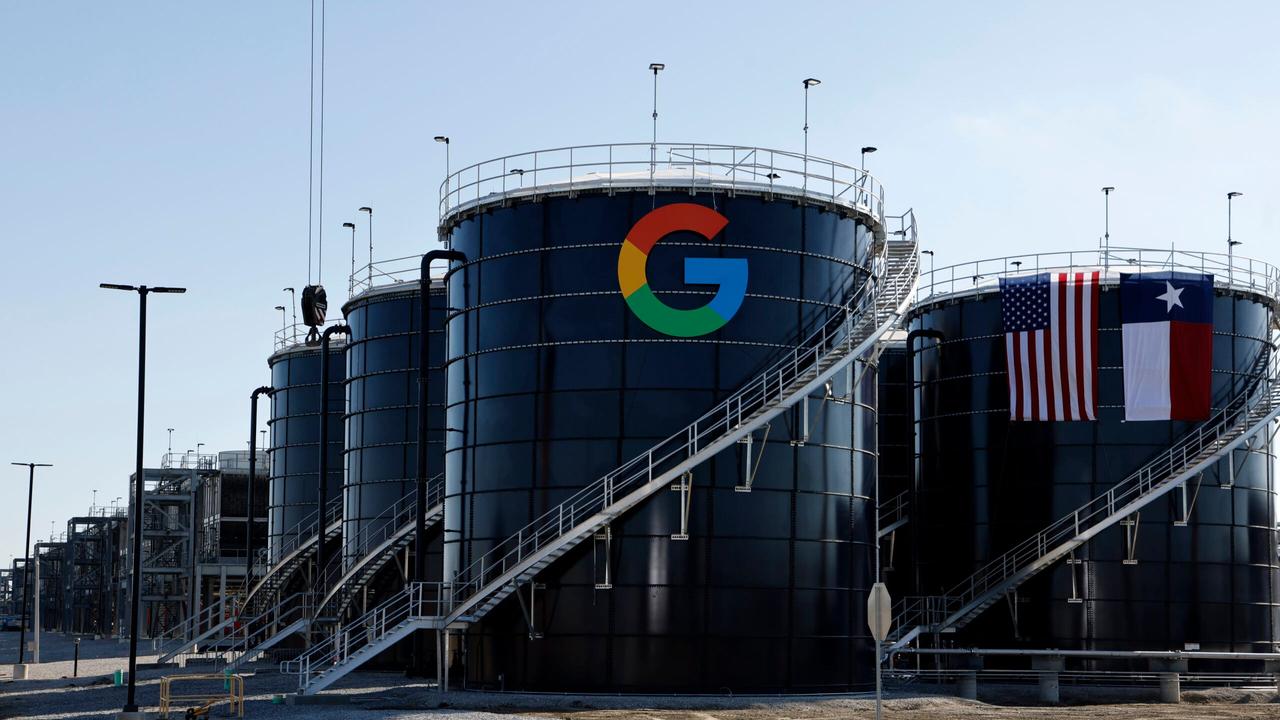
The government's designation of datacenters as critical national infrastructure creates a troubling dynamic during water shortages. This status, granted because datacenter loss could result in "major detrimental impact on the availability, integrity or delivery of essential services," may leave water companies powerless to restrict their consumption
3
.Oliver Hayes from Global Action Plan expressed concern that datacenters could receive water priority during heatwaves over households subject to hosepipe bans: "I think it is highly likely that we're going to end up seeing datacentres that are actually running chatbots, or enabling people to do benign and very wasteful, pointless things, protected and given favourable treatment when it comes to resources"
2
. Water UK has requested the government publish a drought hierarchy to clarify which sectors receive priority during water shortages2
.Water UK is pushing for comprehensive reforms including fast-tracked water supply infrastructure, reviewed abstraction limits, and minimum water efficiency standards for server farms
1
. The organization wants operators to cover infrastructure costs their facilities create and requirements to use non-potable water wherever possible, noting that Environment Agency regulations currently mandate datacenters use drinking water only2
.
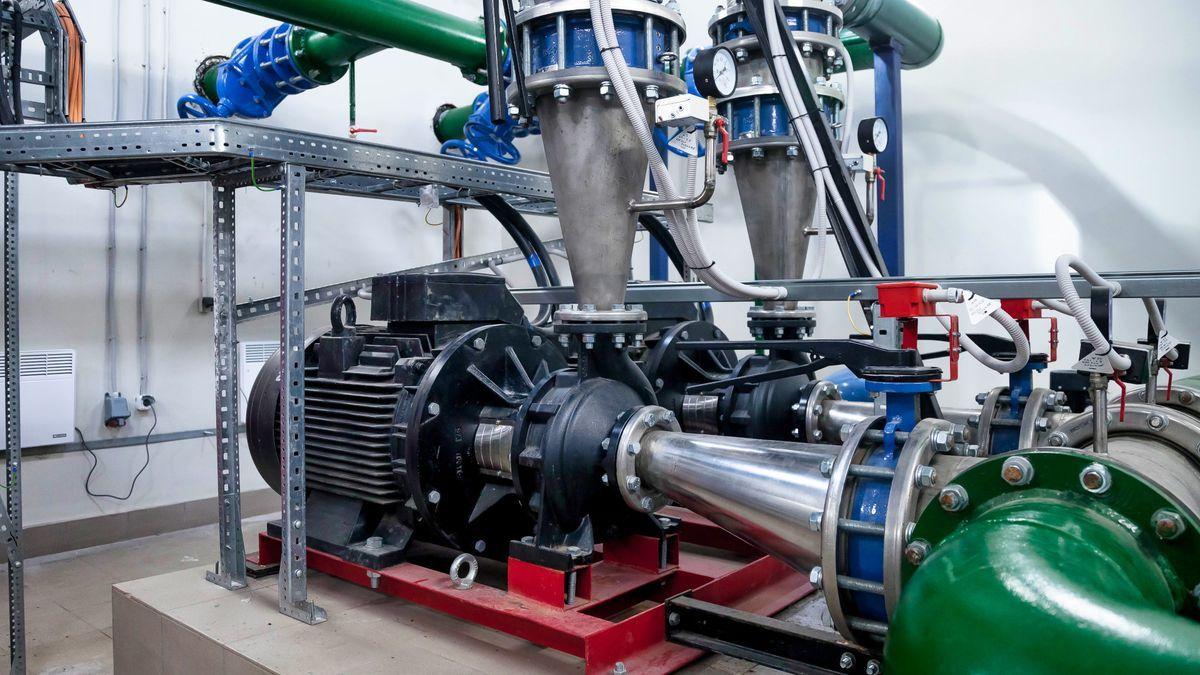
Source: TechRadar
Current economics drive operators toward cooling methods that prioritize energy savings over water conservation. With UK energy prices among the highest in the developed world, operators favor using more water to reduce power consumption
1
. Jon Chappel, Water UK's deputy director, called the exclusion of datacenters from water planning "unforgivable" and a "genuine failing of government"2
.A Water UK spokesperson emphasized the urgency: "We desperately want to supply the water that datacenters need. That's impossible because the UK government explicitly excludes them from its water planning framework for England"
1
. While water companies have received approval to build ten reservoirs, these will take years to complete, leaving the UK's AI superpower ambitions on a collision course with resource sustainability1
.Summarized by
Navi
[1]
[2]
07 Feb 2025•Technology

17 Jun 2025•Technology

03 Jun 2026•Business and Economy

1
Technology

2
Policy and Regulation

3
Science and Research