Voters Block AI Data Centers as Water Usage Hits 10 Million Gallons Daily


2 Sources
[1]
Voters rejected AI data centers over resource concerns. Here's why measuring water usage is hard
* Huge 1GW data centers from OpenAI, Meta, SpaceX, Amazon, Google and others were a key issue in the midterms, largely due to concerns over power and water use. * Liquid cooling keeps water use low inside many modern AI data centers, but external cooling still requires large power or water draw in
[2]
Can Nvidia's Liquid Cooling Solve the AI Data Center Water Crisis?
Discover how Nvidia's advanced liquid cooling technology aims to reduce AI data center water consumption while improving energy efficiency and supporting sustainable computing. . Why AI Data Centers Need So Much Water: AI data centers generate enormous heat, requiring advanced cooling systems
Share
Copy Link
Voters passed 40 of 41 ballot measures restricting new AI data centers amid concerns over resource consumption. Giant 1-gigawatt facilities from Meta, Google, and others can consume up to 10 million gallons of water daily. While Nvidia's liquid cooling technology promises reductions, measuring water consumption remains complex as operators report companywide figures rather than site-by-site data.
Voters Push Back Against AI Data Centers Over Resource Concerns
Voter concerns over AI data centers reached a tipping point this week, with 40 of 41 proposed ballot measures passing to restrict more than 2,000 new facilities planned across the nation
1
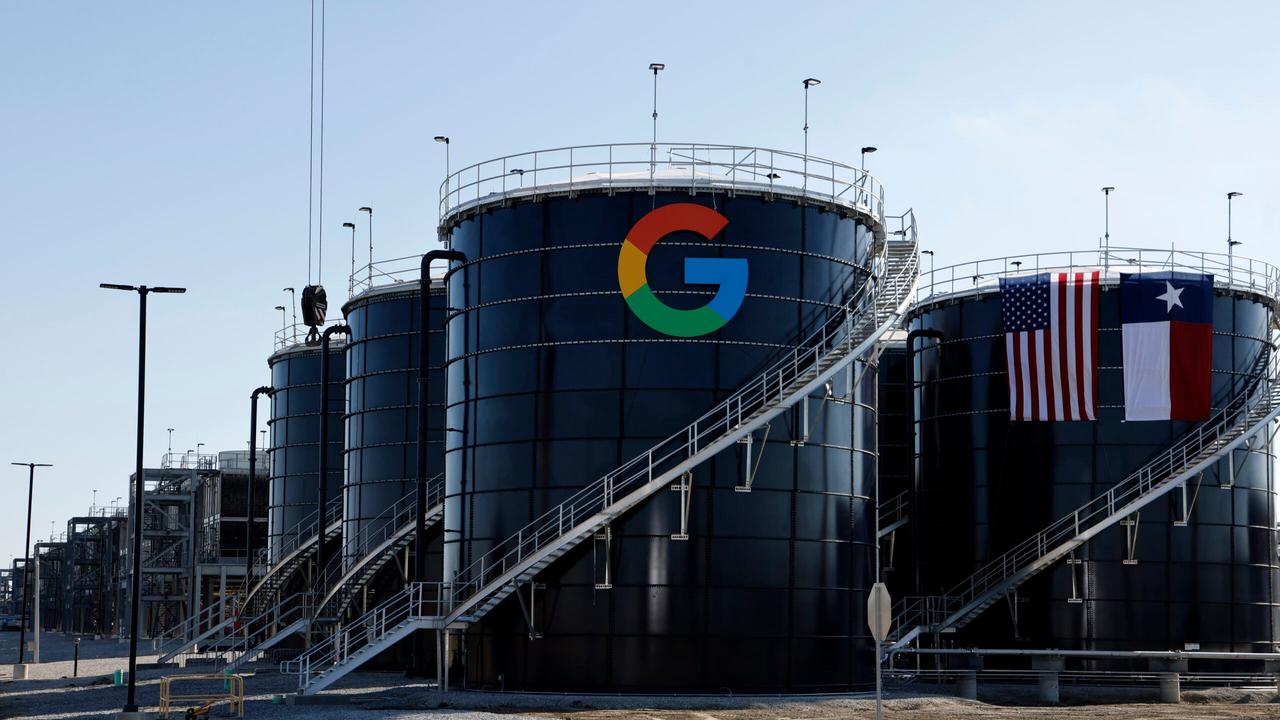
. Water usage and power consumption topped the list of ratepayer grievances, yet measuring water consumption at individual sites remains elusive. Operators typically report usage figures companywide instead of site by site, leaving communities struggling to understand the true impact on local resources.Giant 1-gigawatt AI data centers from Meta, Google, Amazon, and SpaceX can consume up to 10 million gallons of water per day, according to Shaolei Ren, a data center researcher and professor at University of California, Riverside
1
. The exact number varies dramatically depending on hardware type, location, and advanced cooling methods employed. This complexity has created room for misinformation from both builders and opponents, making transparent reporting critical.How Liquid Cooling Technology Transforms Water Consumption
AI data centers generate enormous heat that demands sophisticated cooling infrastructure. Legacy data centers rely on air cooling with large fans, but modern facilities packed with high-power GPUs require different approaches. These GPUs run so hot they can "boil your eggs," Ren noted
1
. Water proves about 3,000 times more efficient for cooling than air, according to Equinix sustainability head Christopher Wellise1
.Nvidia's latest rack-scale systems, Vera Rubin and AMD's Helios, rely on liquid cooling to manage heat generation
1
. Most large AI data centers use closed-loop systems that continuously circulate coolant through hardware, using minimal water on a daily basis. At an Equinix data center in San Jose, California, closed-loop liquid cooling keeps eight Nvidia Grace Blackwell racks running for AI marketing startup Alembic1
. Despite this efficiency, Equinix operations consumed 1.2 billion gallons of water in 2025, up 10% from the previous year1
.The Hidden Water Cost: External Cooling Systems
While closed-loop systems minimize internal water use, the AI data center water crisis persists because of external cooling requirements. "How do we reject the heat from the closed loop to the ambient environment? That's where the water usage comes in," Ren explained
1
. This external process removes heat from the separate internal system, particularly on the hottest days.Meta's 1-gigawatt data center in Lebanon, Indiana, illustrates this challenge. The company claims its "closed-loop, liquid-cooled system that recirculates the same water and will use zero water for a majority of the year"
1
. However, water allocation for the site could reach 8 million gallons per day by 2031, according to Meta's law firm1
. Meta projects this peak usage only on the hottest days, anticipating "only a few days per year" at maximum levels1
.Related Stories

Power Usage Versus Water: The Cooling Trade-Off
Two primary methods handle external cooling: dry cooling and evaporative cooling. Dry cooling uses far less water but demands significantly more power usage, especially in hotter climates where many facilities are being built. "There's no sort of silver bullet," Wellise said. "At some point you need to eject that heat out to the atmosphere. And that's where those trade-offs occur"
1
.Dry cooling relies on fans blowing air across heat exchangers, but effectiveness drops when outside temperatures climb. Data centers then activate refrigeration units to cool air first, creating a power-intensive process
1
. Evaporative cooling reduces power demands but increases water consumption, forcing operators to balance infrastructure requirements against local resource availability.Nvidia's 45°C Breakthrough and Future Solutions
Nvidia's next-generation architecture introduces specialized liquid cooling that could reshape sustainable AI data center operations. The company's warmer coolant technology enables systems to operate at 45°C, potentially reducing reliance on energy-intensive chillers and water-consuming cooling towers
2
. This 100% liquid cooling approach could bring facility-level cooling water consumption close to zero under suitable conditions2
.Yet liquid cooling cannot eliminate water consumption across the entire AI infrastructure supply chain, including electricity generation and semiconductor manufacturing
2
. High installation costs, infrastructure requirements, climate conditions, and maintenance challenges influence adoption speed2
. Watch for how quickly operators implement these advanced cooling methods and whether transparency in measuring water consumption improves as voter pressure mounts.References
Summarized by

Navi
[1]
[2]
Related Stories
Nvidia liquid cooling system slashes data center water use, but AI's broader water problem persists
22 Jun 2026•Technology

AI Data Centers: The Hidden Environmental Cost and Innovative Cooling Solutions
26 Sept 2025•Technology

Google and Amazon report record energy use as AI data centers challenge climate goals
01 Jul 2026•Business and Economy
Recent Highlights



Recent Highlights
Today's Top Stories








Don’t drown in AI news. We cut through the noise - filtering, ranking and summarizing the most important AI news, breakthroughs and research daily. Follow topics that matter to you and stay ahead.


