Ukraine tested AI-powered drones that killed without human control in battlefield milestone


3 Sources
[1]
Ukraine's one-time test used fully autonomous drones to kill Russian soldiers
Fully autonomous drones killed Russian soldiers during a battlefield test two years ago, according to a Ukrainian drone manufacturer. If true, the incident would represent another milestone in a war that has spurred unprecedented developments in military drones, robots, and AI-guided weaponry. The
[2]
Ukraine used 10 AI-controlled 'Terminator' drones to kill Russian soldiers two years ago, marking first autonomous killings of humans -- autonomous killer quadcopters left 'everything dead' says senior Ukrainian defense industry figure
'We just launch it and we know everything will be dead,' said a drone maker and technology supplier. A watershed moment occurred on the battlefields of Ukraine in 2024 that we are only just hearing about today: the use of fully autonomous drones to kill humans. Ten fully autonomous quadcopter
[3]
How Ukraine Uses A.I. to Knock Deadly Russian Drones Out of the Skies
At a launch site deep in a pine forest in central Ukraine, five men in balaclavas removed a camouflage cover from a lightweight replica of a Russian-made Shahed drone. "Pull!" one man shouted, and the winged, triangular drone flew up over the trees. Standing nearby was a miniature black rocket
Share
Copy Link
Ukrainian drone manufacturer reveals a 2024 test where fully autonomous drones with 'Terminator mode' killed Russian soldiers near Bakhmut without human intervention. The disclosure marks a watershed moment in warfare as AI-controlled drones made lethal decisions independently, while Ukraine simultaneously deploys AI-powered interceptor drones to defend against Russian Shahed drone attacks on cities.
Ukraine Tested Fully Autonomous Drones in Deadly 2024 Mission
A Ukrainian drone manufacturer has disclosed that fully autonomous drones killed Russian soldiers during a one-time battlefield test in 2024, marking what may be the first confirmed use of AI-powered drones to kill humans without human intervention
1
. Alexander Kokhanovskyy, CEO of Ukrainian drone maker Aero Center, revealed the test during an interview at a press event hosted by the Ukrainian embassy in London, describing how ten quadcopter drones were preprogrammed to fly to a front-line area near Bakhmut and Chasiv Yar before activating an AI-powered "Terminator mode" that sought out and attacked targets autonomously2
.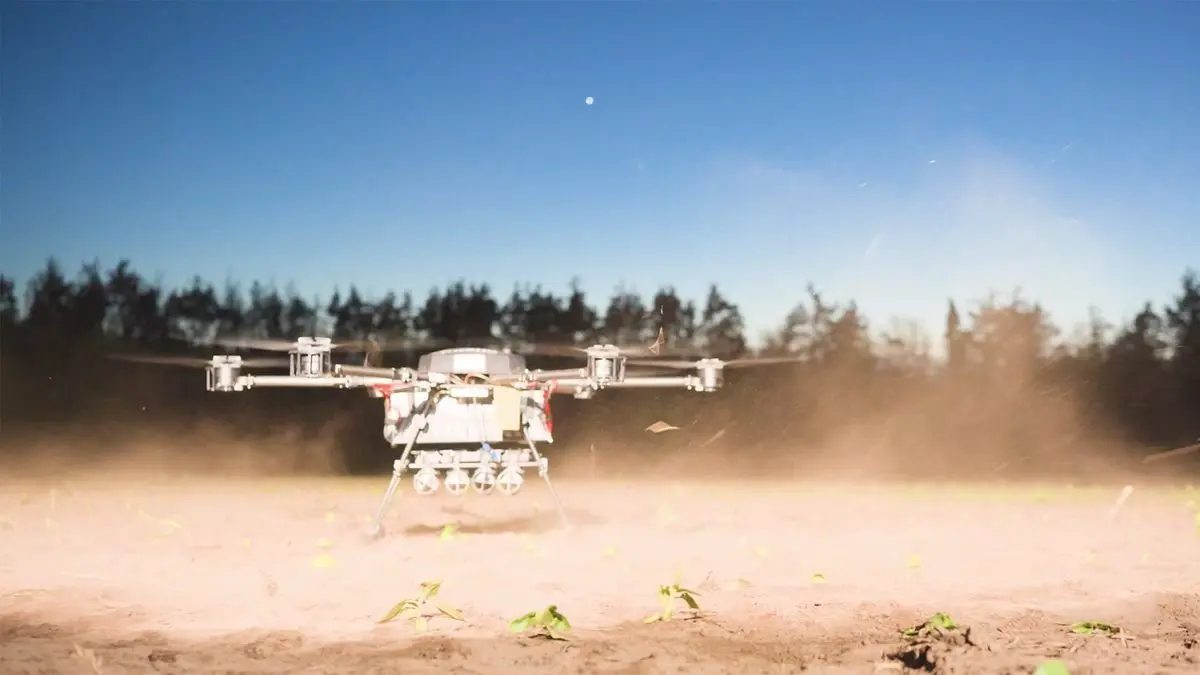
Source: Tom's Hardware
The disclosure comes two years after the incident occurred, reflecting the gravity of deploying lethal autonomous weapons in actual combat. "We just launch it and we know everything will be dead," Kokhanovskyy told New Scientist, explaining that there was no video feed or connection to the drones during the mission
2
. Human-piloted drones sent to assess the aftermath found "a couple" of dead Russian soldiers and one truck, leading to the conclusion that the AI-controlled drones had made the lethal decisions independently1
.Autonomous Weapons Raise Questions About International Humanitarian Law
The test represents a significant milestone in the Ukraine-Russia war, which has spurred unprecedented developments in military drones, robots, and AI-guided weaponry
1
. However, the one-time nature of the experiment highlights practical limitations and ethical considerations surrounding autonomous weapons. Sending fully autonomous drones to attack anything in a given area without human intervention carries risks of friendly fire incidents or attacks on civilian noncombatants, requiring careful preplanning1
.Ukraine actually maintains a ban on fully autonomous final-stage targeting of humans by its drones, though government decision-makers are reportedly in talks with defense companies about adjusting these rules
2
. A Ukrainian military commander emphasized the country's commitment to international humanitarian law and exercising "great care in decision-making in order to prevent civilian casualties," noting that drone pilots typically use semi-autonomous systems with humans making crucial control decisions1
.There is currently no commonly agreed definition of what constitutes a lethal autonomous weapon system, according to the United Nations Office for Disarmament Affairs. However, US Department of Defense policy defines lethal autonomous weapons as "weapon system[s] that, once activated, can select and engage targets without further intervention by a human operator"
1
. UN Secretary-General António Guterres called last year for a ban on autonomous weapons that can kill without human intervention, arguing that removing human judgment from warfare risks human rights2
.
Source: NYT
Related Stories


AI-Powered Interceptor Drones Defend Against Russian Shahed Attacks
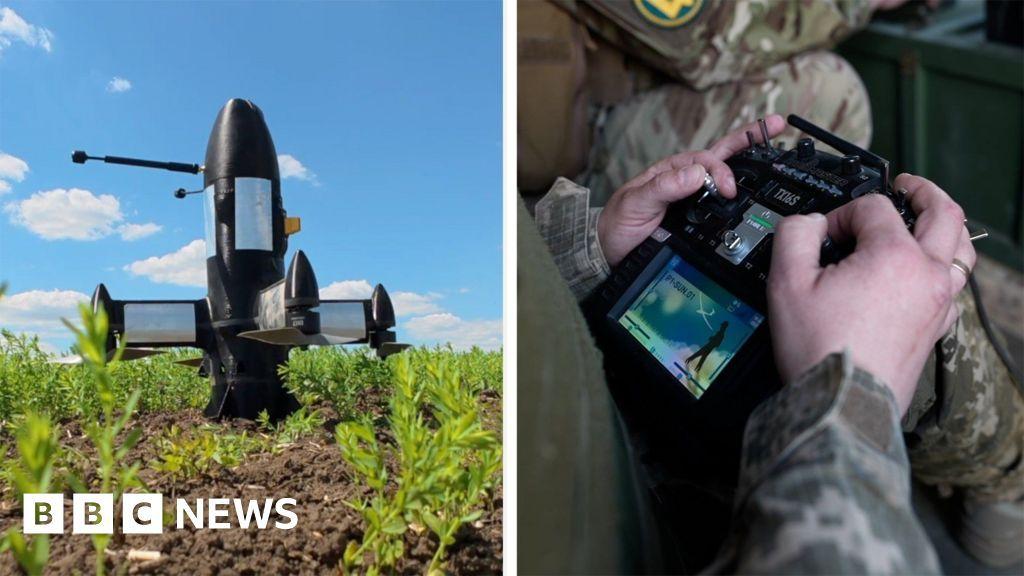
While the Terminator mode test remains a one-time experiment, Ukraine has embraced AI technology more broadly in its air defense systems. The country has deployed AI-powered interceptor drones to counter relentless Russian Shahed drone attacks on Ukrainian cities
3
. SkyFall, a major Ukrainian drone manufacturer, says its interceptors have made dozens of AI-assisted strikes on Shahed-type drones since November, among thousands of interceptions overall3
.These AI-powered interceptor drones represent a more controlled application of autonomous targeting. SkyFall's system has been trained on more than 10,000 videos of Shahed interceptions, allowing the AI to detect targets long before human pilots can
3
. However, humans remain involved in critical aspects—the pilot must authorize engagement and give a final order to strike, even as the AI handles detection and tracking3
.
Source: Ars Technica
Ukrainian defense minister Mykhailo Fedorov recently stated that a company participating in the Brave1 defense technology program created a technology that automated 95 percent of the interception process, though it cannot yet initiate launches automatically
3
. SkyFall is testing systems that could allow interceptors to stand ready to launch automatically after radar detects an attack, potentially enabling one pilot to oversee several missions simultaneously—a critical capability for Ukraine's outmanned military3
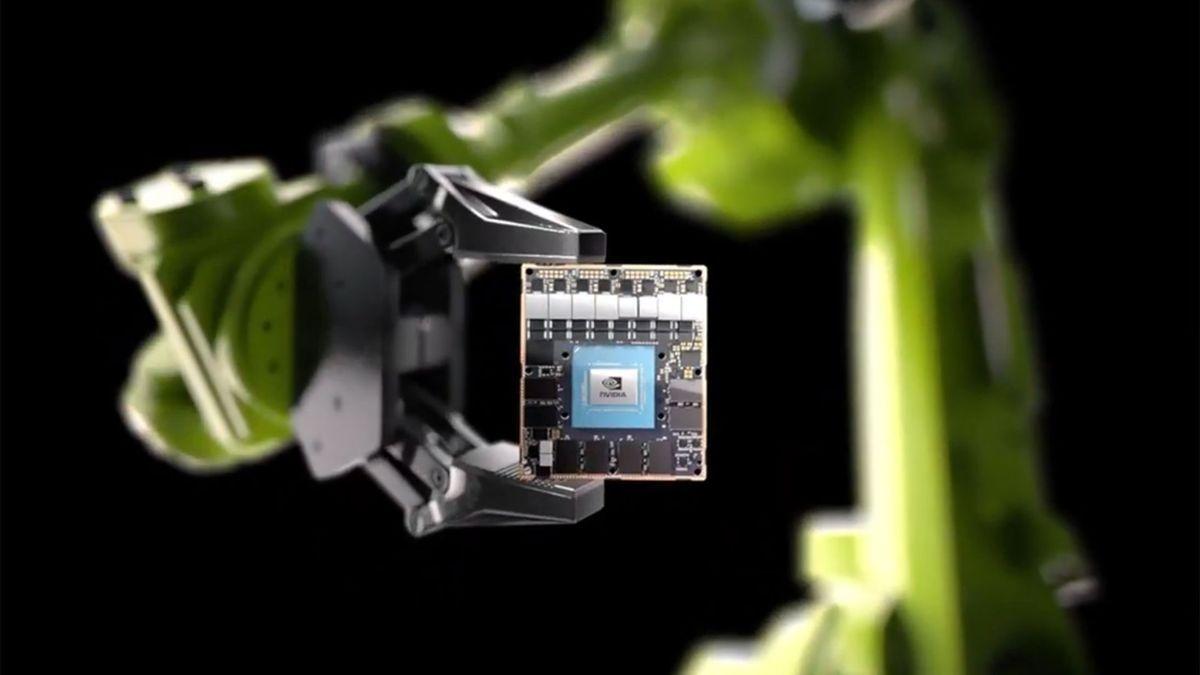
.The advances matter because Russia fires Shahed drones into Ukrainian cities in relentless daily waves, destroying infrastructure, killing civilians and sowing terror. Some Shahed variants, such as the Geran-2, are equipped with smuggled Nvidia Jetson Orin microcomputers that provide onboard video processing and autonomous decision-making capabilities, including autonomous target recognition and retargeting
1
. Ukraine has gained the capability to launch more than 5,000 drone strikes against Russian targets at ranges exceeding 20 kilometers every month1
.As human rights groups warn that reducing life-or-death decisions to algorithmic calculations threatens humanity, the war continues to produce immense troves of data that train increasingly sophisticated AI systems. Ukrainian leaders acknowledge the risks as the conflict spawns a technological revolution, but the practical demands of defending against nightly drone barrages drive adoption of highly automated air defense systems that blur the line between human control and machine autonomy.
References
Summarized by

Navi
Related Stories
Recent Highlights
1
Meta Unveils Muse Wonder Frontier AI Models, Claims Performance Matching OpenAI and Anthropic
Technology

2
IMF Report Warns AI Market Correction Could Spark Global Financial Crisis With $1.4T at Risk
Business and Economy

3
OpenAI Releases 722 AI-Generated Math Solutions, Triggering Existential Crisis in Mathematics
Technology

Recent Highlights
Today's Top Stories









Don’t drown in AI news. We cut through the noise - filtering, ranking and summarizing the most important AI news, breakthroughs and research daily. Follow topics that matter to you and stay ahead.


