US Lawmakers Challenge McDonald's on AI-Driven Pricing as Class Action Lawsuits Mount


4 Sources
[1]
US lawmakers, in letter, question McDonald's CEO about algorithmic pricing practices
Nov 3 - US Senator Elizabeth Warren and four other lawmakers questioned McDonald's (MCD.N), opens new tab use of algorithmic pricing tools in a letter to CEO Chris Kempczinski, which the lawmakers shared with Reuters. The letter, dated November 2, cites a Reuters story from September 29 that found
[2]
US Lawmakers, in Letter, Question McDonald's CEO About Algorithmic Pricing Practices
Nov 3 - US Senator Elizabeth Warren and four other lawmakers questioned McDonald's use of algorithmic pricing tools in a letter to CEO Chris Kempczinski, which the lawmakers shared with Reuters. The letter, dated November 2, cites a Reuters story from September 29 that found McDonald's uses
[3]
McDonald's CEO questioned over AI pricing tools by Elizabeth Warren, Democrats
Senator Elizabeth Warren and four other lawmakers questioned McDonald's use of algorithmic pricing tools in a letter to CEO Chris Kempczinski, which the lawmakers shared with Reuters. The letter, dated Nov. 2, cites a Reuters story from Sept. 29 that found McDonald's uses machine learning
[4]
US lawmakers, in letter, question McDonald's CEO about algorithmic pricing practices
Nov 3 - US Senator Elizabeth Warren and four other lawmakers questioned McDonald's use of algorithmic pricing tools in a letter to CEO Chris Kempczinski, which the lawmakers shared with Reuters. The letter, dated November 2, cites a Reuters story from September 29 that found McDonald's uses
Share
Copy Link
Senator Elizabeth Warren and four Democratic lawmakers are demanding answers from McDonald's CEO Chris Kempczinski about the fast-food giant's use of machine learning algorithms for pricing. The November 2 letter raises concerns that AI-driven pricing tools may inflate consumer costs and facilitate price collusion among franchisees who should compete independently.
US Lawmakers Demand Transparency on McDonald's AI Pricing System
Senator Elizabeth Warren alongside Democratic Representatives Greg Casar, Becca Balint, Jesus Garcia, and Mary Gay Scanlon sent a formal letter to McDonald's CEO Chris Kempczinski on November 2, questioning the company's deployment of algorithmic pricing tools
1
. The inquiry centers on concerns that McDonald's may be leveraging AI-driven pricing tools to extract higher prices from consumers while potentially enabling price collusion among franchisees who should operate as independent competitors2
. US lawmakers have requested a response by November 16, signaling growing congressional attention to AI applications in consumer-facing industries.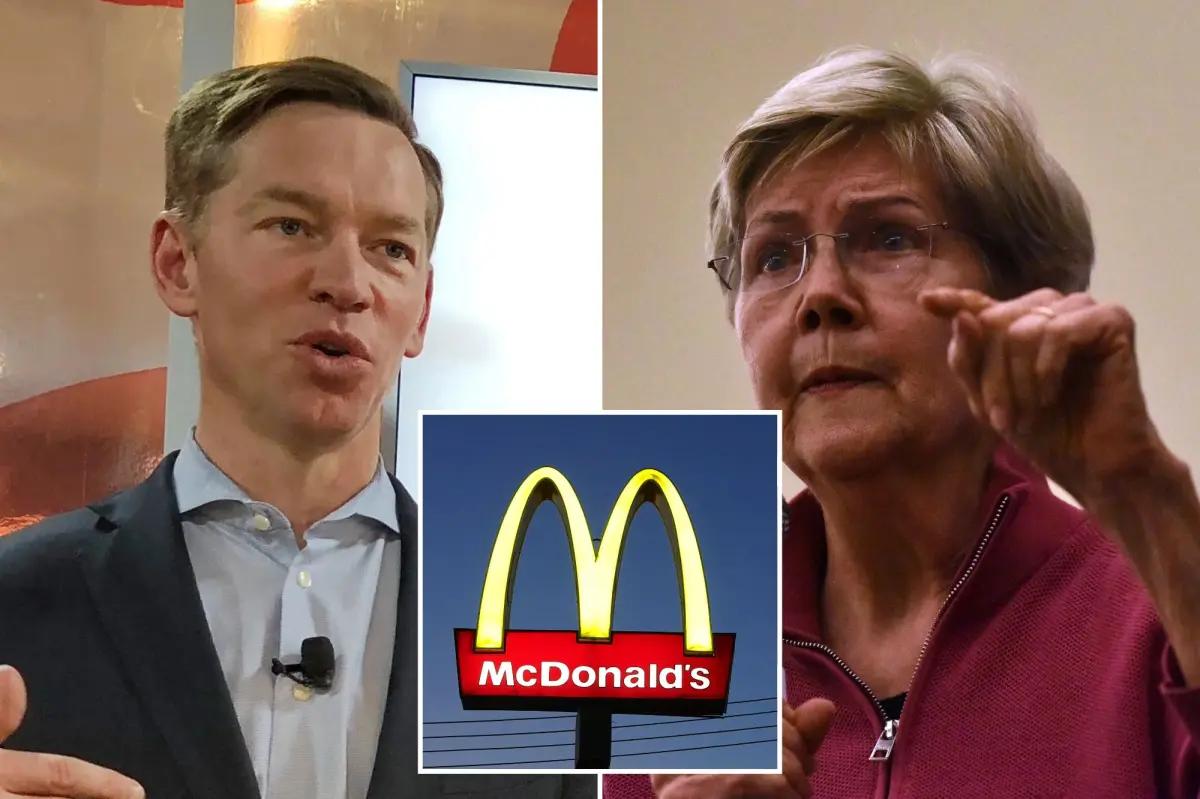
Source: New York Post
Machine Learning Algorithms Generate Optimal Price Recommendations
The lawmakers' letter references a Reuters investigation from September 29 that revealed McDonald's uses machine learning algorithms to calculate what the company describes as optimal price recommendations for each menu item at individual restaurants
3
. These AI-driven pricing tools base recommendations partly on estimated customer willingness to pay at each specific location. Three franchisees told Reuters that the pricing engine's recommendations have widened price differences between nearby restaurants, raising questions about competitive dynamics1
. The algorithmic pricing system represents a significant shift in how one of the world's largest restaurant chains approaches menu pricing strategy.
Source: Market Screener
Key Questions Target Loyalty Programs and Antitrust Reviews
The congressional letter poses several pointed questions to McDonald's CEO Chris Kempczinski, including whether the pricing tools access individual consumer data from McDonald's loyalty programs, how franchisees might be incentivized to adopt the tools, and what antitrust reviews were conducted before deployment
4
. These inquiries reflect broader concerns about price gouging and whether centralized algorithmic systems could facilitate price coordination across supposedly independent franchise operators. The focus on loyalty programs suggests lawmakers are examining whether customer-specific data might enable more sophisticated price discrimination strategies.McDonald's Defends Pricing Tools as Standard Business Practice
McDonald's has pushed back against criticism, describing the Reuters investigation as "speculative and uninformed" claims that "attempt to recast a standard business practice as something controversial"
1
. The company stated its pricing tools do not base recommendations on individual customers and emphasized that franchisees remain free to set their own prices, characterizing the tools as recommendations rather than mandates2
. McDonald's also asserted that "AI does not set the price of a Big Mac or any other menu item," maintaining that franchisees make independent pricing decisions and that recommendation tools and analytics are widespread across industries3
.Related Stories
Consumer Class Action Lawsuits Allege Illegal Price Coordination
Two consumer class action lawsuits filed in federal court in recent weeks allege McDonald's illegally coordinates menu prices across franchisees and company-owned restaurants through a centralized algorithmic pricing system
4
. These legal challenges represent a significant escalation beyond congressional scrutiny, potentially exposing the company to substantial liability if courts determine the pricing system violates antitrust laws. The lawsuits focus on whether the use of shared algorithmic tools effectively eliminates price competition among entities that should function as independent market participants.Implications for AI Adoption in Retail and Food Service
This controversy signals mounting regulatory attention to how businesses deploy machine learning and AI-driven pricing tools across consumer markets. Watch for potential regulatory frameworks that could require transparency in algorithmic pricing systems, particularly regarding what data feeds these algorithms and how recommendations influence actual pricing decisions. The outcome of both the congressional inquiry and consumer class action lawsuits may establish important precedents for how retailers and restaurant chains can leverage AI for pricing optimization without crossing into anticompetitive territory. Businesses deploying similar technologies should anticipate increased scrutiny around antitrust reviews, data usage from loyalty programs, and the practical distinction between price recommendations and coordinated pricing schemes.
References
Summarized by

Navi
Related Stories
McDonald's AI Pricing Engine Sparks Class Action Lawsuit Over Alleged Price-Fixing
29 Sept 2026•Policy and Regulation
AI Pricing Revolution: How McDonald's, Walmart and Instacart Are Changing What Americans Pay
20 Oct 2026•Business and Economy

McDonald's AI Pricing Tool Sparks Antitrust Lawsuit as Dynamic Pricing Debate Intensifies
07 Oct 2026•Policy and Regulation

Recent Highlights
1
Google DeepMind unveils Genie 4 world model with audio and 2-minute interactive simulations
Technology

2
Google Unveils Gemini 4 Carbon AI Model With Major Cybersecurity Gains, Beating Claude Opus 5.5
Technology

3
Pope Leo XIV Demands AI Disarmament and Ban on Autonomous Weapons at UN Geneva Meeting
Policy and Regulation

Recent Highlights
Today's Top Stories








Don’t drown in AI news. We cut through the noise - filtering, ranking and summarizing the most important AI news, breakthroughs and research daily. Follow topics that matter to you and stay ahead.


