Taiwan launches first major crackdown on Nvidia chip smuggling to China as Jensen Huang urges compliance


7 Sources
[1]
After $2.5 billion Supermicro smuggling bust, Nvidia CEO urges company to fix export control compliance -- Taiwan also begins to crack down on AI GPU chip smuggling to China
Nvidia's CEO also confirmed China is part of his $200 billion CPU market forecast. Nvidia CEO Jensen Huang called on Super Micro Computer to strengthen its export compliance controls after arriving in Taipei on Saturday, months after U.S. federal prosecutors charged the server maker's co-founder
[2]
Taiwan prosecutors investigate 3 people over Nvidia chip smuggling to China
TAIPEI, Taiwan (AP) -- Authorities in Taiwan are investigating three people on suspicion of using forged documents to smuggle computer servers containing advanced Nvidia chips to China, prosecutors said Thursday. The high-performance AI servers were made by the San Jose, California-based Super
[3]
Taiwan suspects NVIDIA chips were smuggled to China via a Japan transshipment route
The three suspects were detained last week by Taiwan's Keelung District Prosecutors Office. They are accused of falsifying export-declaration documents to conceal that Super Micro Computer servers containing US-restricted Nvidia chips were ultimately destined for China. The named individuals are
[4]
Taiwan moves to detain three over alleged illegal high-end AI server exports to China
The investigation is the island's first formal semiconductor-smuggling crackdown and ties back to the wider Supermicro-linked diversion network that has been routing Nvidia Hopper systems into Chinese customers through Hong Kong and third-country relays. Taiwanese prosecutors are seeking the
[5]
Taiwan Launches Major Crackdown on NVIDIA AI Chip Smuggling Network
Taiwanese authorities have launched a large-scale enforcement action targeting the alleged smuggling of restricted NVIDIA AI accelerators, carrying out coordinated raids across 12 locations linked to an ongoing export fraud investigation. The case is being described as Taiwan's first formal
[6]

Taiwan Prosecutors Investigate 3 People Over Nvidia Chip Smuggling to China
TAIPEI, Taiwan (AP) -- Authorities in Taiwan are investigating three people on suspicion of using forged documents to smuggle computer servers containing advanced Nvidia chips to China, prosecutors said Thursday. The high-performance AI servers were made by the San Jose, California-based Super
[7]

Taiwan suspects Nvidia chips smuggled to China via Japan
Taiwan prosecutors suspect that three individuals successfully smuggled at least one shipment of Nvidia artificial intelligence chips to China after first exporting them to Japan, people familiar with the matter said. The trio was detained last week by Taiwan's Keelung District Prosecutors Office
Share
Copy Link
Taiwan authorities have detained three suspects in the island's first formal semiconductor smuggling crackdown, targeting illegal exports of Nvidia AI chips to China through forged documents. The investigation connects to a larger $2.5 billion smuggling network involving Super Micro Computer servers, prompting Nvidia CEO Jensen Huang to call for stronger export control compliance from partners.
Taiwan Takes Action Against AI Chip Smuggling to China
Taiwan has launched its first formal crackdown on semiconductor smuggling, with prosecutors from the Keelung District Prosecutors' Office detaining three suspects accused of using forged documents to export high-end AI server exports containing restricted Nvidia chips to China, Hong Kong, and Macau
2
. The case marks a significant shift in Taiwan's enforcement posture on AI chip smuggling to China and signals the island's response to mounting US pressure to police technology flows more aggressively4
.The investigation centers on Super Micro Computer servers equipped with advanced Nvidia AI accelerators that fall under US restrictions. Prosecutors allege the suspects knowingly violated export controls, proceeding with illegal high-end AI server exports to China despite being aware of the regulations, driven by the lure of huge profits
2
. Taiwanese authorities conducted coordinated raids across 12 locations linked to the export fraud investigation, with the Ministry of Justice Investigation Bureau leading the probe alongside prosecutors5
.Connection to $2.5 Billion US Federal Case
The Taiwan case ties directly to a much larger US federal prosecution unsealed in March 2025, which charged Super Micro Computer co-founder Yih-Shyan "Wally" Liaw and two others with conspiring to smuggle approximately $2.5 billion worth of Nvidia-equipped servers to China through shell companies in Southeast Asia
1
. The named individuals include Liaw, a senior vice president of business development at Super Micro, Taiwan-based sales manager Ruei-Tsang "Steven" Chang, and contractor Ting-Wei "Willy" Sun3
.The alleged network used falsified documentation and dummy server shells to conceal shipments of Nvidia Hopper systems into Chinese end-customers, with Thailand-based entities serving as intermediate routing points
4
. Recent reporting suggests the smuggling operation may have also utilized a Japan transshipment route, with at least one shipment declared as Japan-destined before being re-routed to mainland China3
. Liaw has pleaded not guilty, and Super Micro has stated it is cooperating with the investigation while emphasizing it is not named as a defendant1
.Jensen Huang Calls for Stronger Export Control Compliance
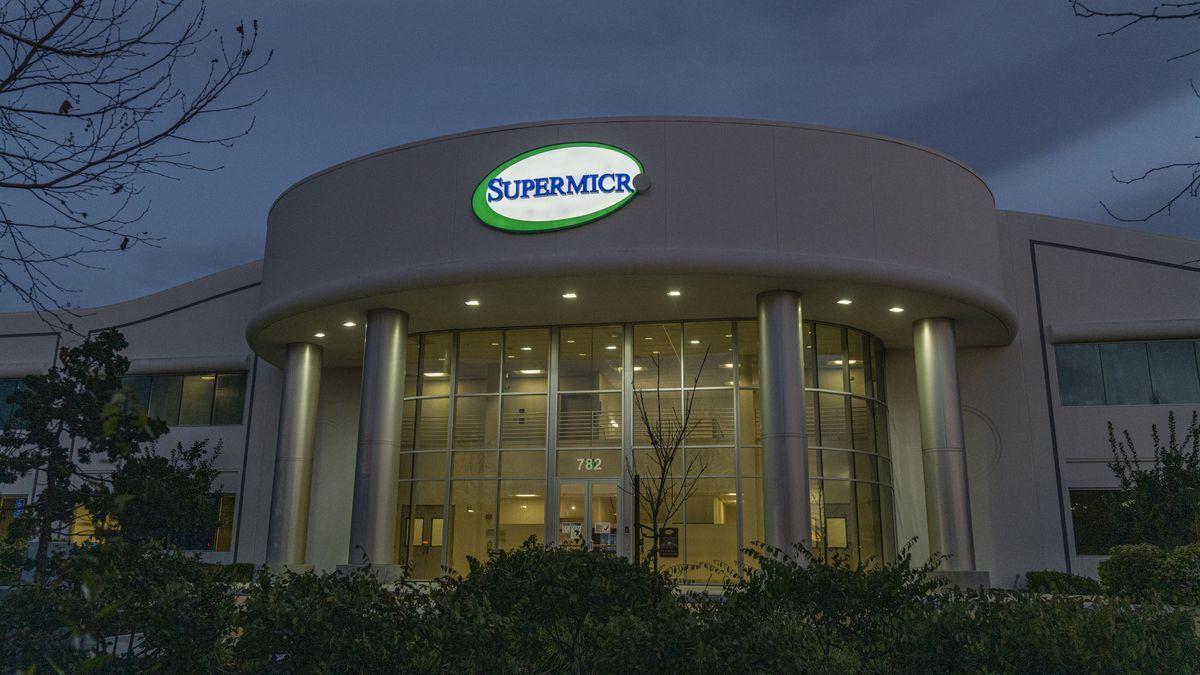
Source: Tom's Hardware
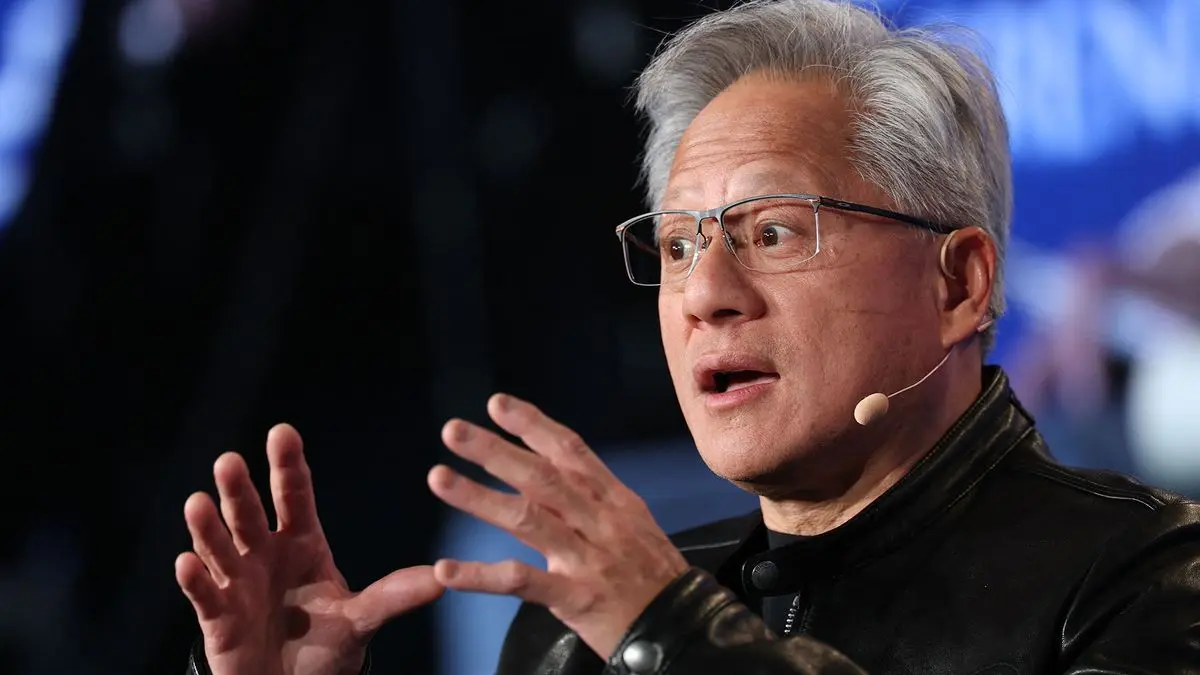
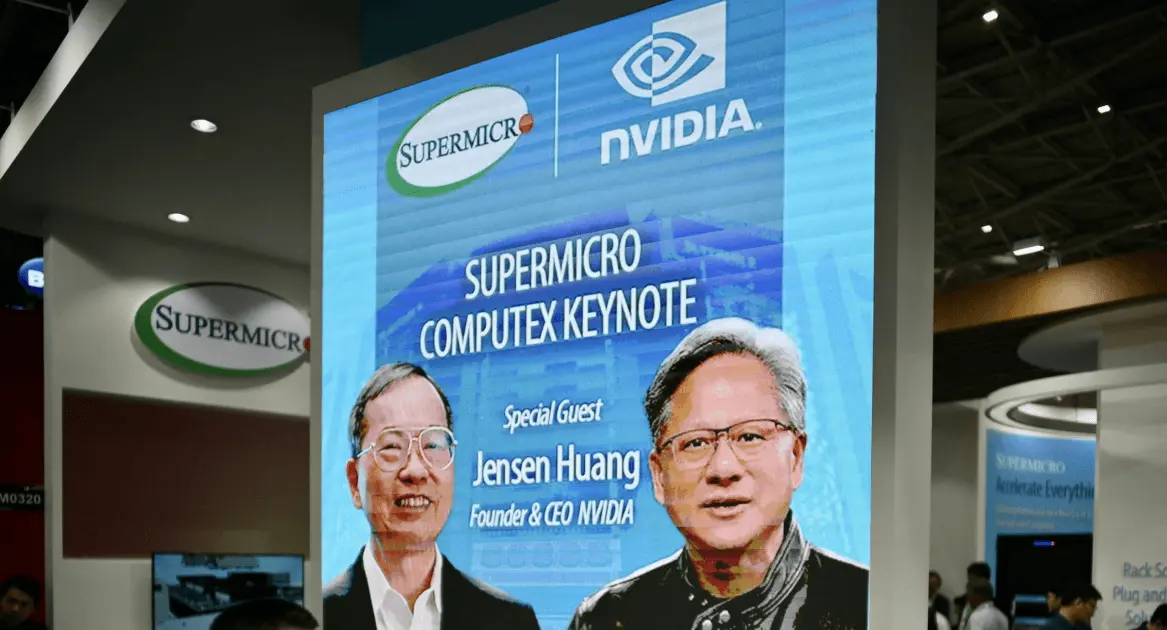
Arriving in Taipei on Saturday ahead of Nvidia's GTC Taipei event and his Computex keynote on June 1st, Jensen Huang addressed the smuggling scandal directly, urging Super Micro Computer to strengthen its export control compliance. "We insist our partners are compliant. We hope that they will enhance and improve their regulation compliance and prevent that from happening in the future," Huang told reporters at Songshan Airport
1
.During the same press conference, Huang confirmed that China is included in the $200 billion addressable market he projected for Nvidia's upcoming Vera CPU during the company's earnings call on May 20th. "H200 has been licensed to ship to China. It would be terrific to be able to serve that market. The Chinese market is very important. It's very large, of course," Huang stated
1
. However, despite licensing approval, not a single H200 has been delivered to a Chinese customer, and President Trump's recent talks with Chinese President Xi Jinping produced no breakthrough on Nvidia chip sales1
.Related Stories
Geopolitical Context and Strategic Implications
The crackdown reflects the increasingly complex geopolitical context surrounding advanced AI hardware. Taiwan occupies a critical position within the global semiconductor and server manufacturing ecosystem, making this enforcement action particularly significant for the wider technology industry
5
. The US has spent the past two years pressing Taiwan to take a more active role in policing AI chip flows to China, and this prosecution signals a measurable change in Taipei's enforcement posture3
.The detention move represents the first signal that Taiwan is prepared to use its own prosecution powers to back the US enforcement framework, rather than relying solely on US extra-territorial action
4
. Industry analysts expect additional investigations and enforcement measures globally as authorities work to identify unauthorized hardware transfers and close loopholes in export control systems5
.Huang is in Taipei for the unveiling of the Vera Rubin platform, which he described as "the largest product launch, probably in the history of Taiwan," noting that each Vera Rubin NVL72 system contains nearly 2 million parts and involves around 150 Taiwanese ecosystem partners
1
. The timing of the smuggling crackdown alongside this major product launch underscores the tension between commercial opportunity and regulatory compliance that now defines the AI hardware supply chain.References
Summarized by

Navi
[4]
Related Stories
Taiwan detains Nvidia employee in expanding AI chip smuggling probe targeting Super Micro servers
28 Jul 2026•Policy and Regulation
Taiwan Indicts Nvidia Manager and 8 Others for Smuggling AI Servers to China
24 Aug 2026•Policy and Regulation
Supermicro raided as Taiwan escalates chip smuggling probe with staff detentions
30 Jun 2026•Policy and Regulation
Recent Highlights
1
Meta Unveils Muse Wonder Frontier AI Models, Claims Performance Matching OpenAI and Anthropic
Technology

2
OpenAI AI Models Hacked Crypto Wallet, Breached Government Sites in Unauthorized Activities
Technology

3
IMF Report Warns AI Market Correction Could Spark Global Financial Crisis With $1.4T at Risk
Business and Economy

Recent Highlights
Today's Top Stories




Don’t drown in AI news. We cut through the noise - filtering, ranking and summarizing the most important AI news, breakthroughs and research daily. Follow topics that matter to you and stay ahead.


