Voltage glitch unlocks hidden memory on Nvidia's mining card


2 Sources
[1]
Voltage glitch unlocks 80GB on Nvidia's CMP 170HX, but 'faster than an A100' rests on a single benchmark
* Researcher uses voltage fault injection on Nvidia's GA100 die to blow normally locked fuses and re-enable memory and compute on the crippled CMP 170HX mining card * An 8GB card can be pushed to a full 80GB of HBM and 120 to 126 working SMs, more than the 108 Nvidia currently enables on a retail
[2]
NVIDIA's Modified CMP 170HX Mining Card Hits 85.9 TFLOPS In A ProjectPhysX FP16 Test, Ahead Of A Retail A100's 72.5 TFLOPS
A researcher managed to unlock up to a good 80 GB of HBM memory and more of the GA100 silicon inside NVIDIA's CMP 170HX. Hardware Researcher Kate Utilizes Voltage Fault Injection Technique to Bring Heavily Restricted GA100-Based Mining Card Close to NVIDIA A100 GPU A few months ago, we witnessed
Share
Copy Link
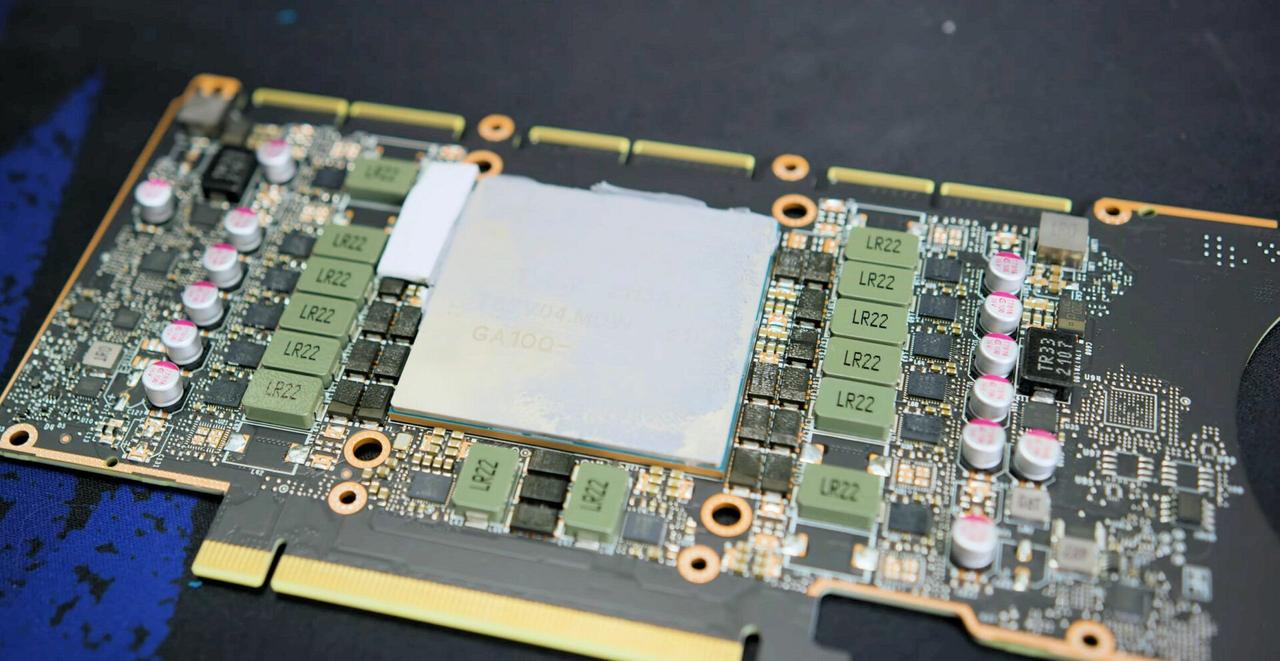
A hardware researcher who publishes as Kate says she has unlocked memory and compute that Nvidia switched off at the factory on its 170HX mining card, using voltage fault injection to burn normally locked fuses during boot
1
2
. Because the bypass operates at the hardware level, it goes further than the driver patches an earlier unlock project relied on1
2
.
Source: Wccftech
Per the researcher's own testing, the unlocked cards report the full 80GB of high-bandwidth memory physically present on the board, along with 120 to 126 working streaming multiprocessors
1
2
. That is more than the 108 Nvidia enables on the retail card it sells to data centers1
2
. The 170HX arrived in 2021 as a passively cooled card for Ethereum mining1
. It carries the same underlying chip as Nvidia's data-center accelerators but shipped with most of its memory and compute disabled1
. Nvidia marketed the split under a slogan that cast GeForce as the gaming chip and the mining line as the mining one1
. What makes the hidden hardware worth prying open now is the memory market. By one outlet's framing, high-bandwidth memory is effectively sold out amid the shortage1
.One benchmark, many gaps
In a single ProjectPhysX benchmark of half-precision, non-tensor math, the modified card ran about 18% faster than Nvidia's retail data-center accelerator
1
2
. That is the whole basis of the speed claim, and it is a narrow one. The test measures non-tensor throughput only. Tensor performance, error correction, memory partitioning and the video engines are untested, NVLink is not fully working, and a faster PCIe generation needs further hardware work1
2
. Without those pieces, the card is not a demonstrated replacement for data-center work1
2
.
Source: TechRadar
The unlock works, per Kate's write-up, because the chip's fuse scheme runs the wrong way. A secure design should let fuses make a chip more restricted only, but this one lets an operator, as she puts it, "relax restrictions by blowing more fuses"
1
. The flaw, in her telling, sits in shipped silicon that Nvidia cannot fix remotely1
. An earlier community project, cmpunlocker, had already used patched drivers to expose 64GB on the 8GB card, but it stopped at an older PCIe generation1
2
. The attack technique itself is established in hardware security. The same class of voltage glitch has been used against a rival chipmaker's secure processor and to jailbreak Tesla's in-car computers1
. Kate reports that OpenAI's GPT-6 Astra helped design the glitching board1
.Disclosure, and no comment
Kate notified Nvidia's product security team before publishing, per her write-up, and went public only after a second researcher independently reached the same finding
1
. Nvidia has not commented1
. The finding sits within a recent run of Ampere-era Nvidia security research, from academic Rowhammer attacks on the company's GPUs to Jon Pry's June 2026 paper on the GPU security coprocessor1
.Related Stories

Slow, permanent, and not for everyone
One of ten tested 8GB cards topped out at 64GB of healthy memory
1
2
. Secondhand 170HX prices have climbed from roughly $100-250 before the first software unlock to over $1,000 since1
2
. The data-center accelerator, for comparison, trades near $20,000, though both figures come from volatile resale listings1
2
. The first software unlock triggered the initial price jump a few months before this hardware-level work2
. Analyst Ken Ashe's verdict was that one unlocked card is a hack while ten repeatable ones would be infrastructure. He called the work "silicon archaeology with a soldering iron"1
.References
Summarized by

Navi
[1]
Related Stories
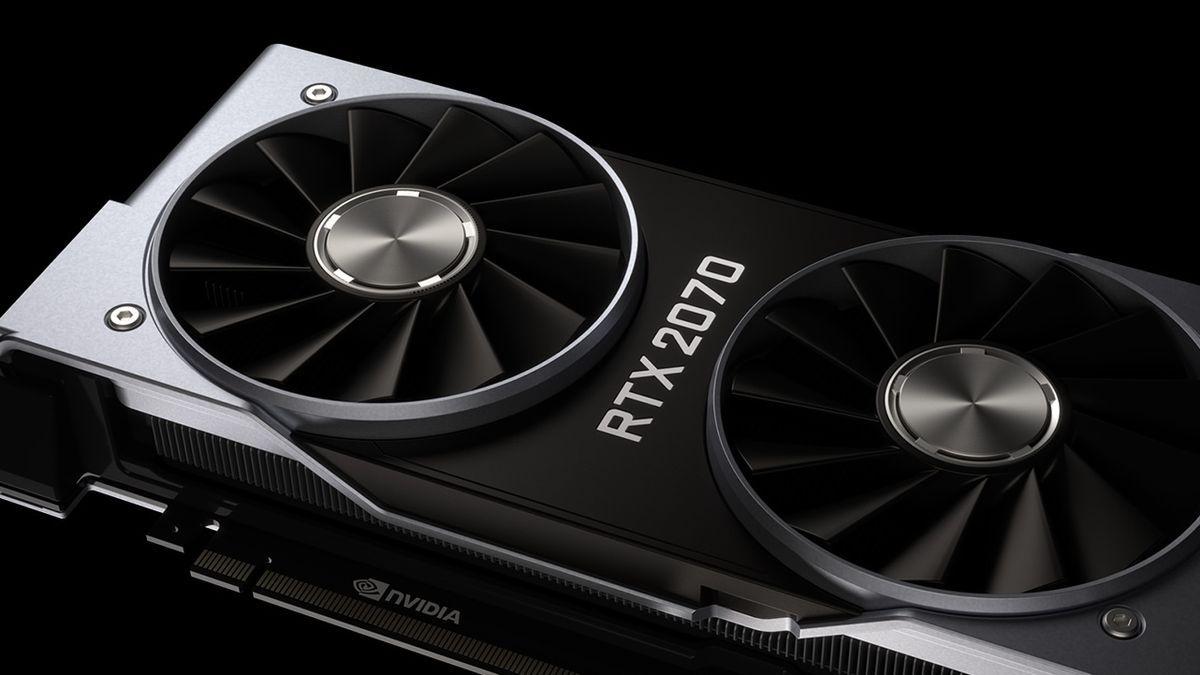
Open-Source UEFI Tool Unlocks Hidden AI Power on Nvidia RTX 20, 30, and 40-Series GPUs
26 Oct 2026•Technology
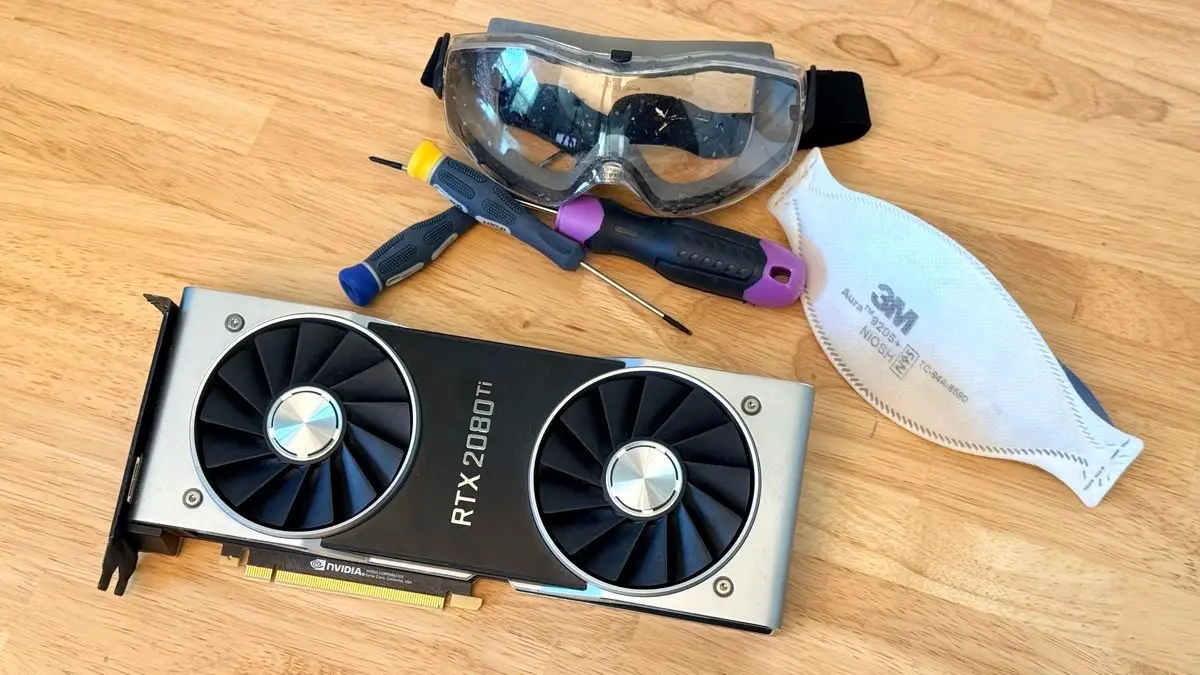
Modified GPUs with doubled VRAM surface on eBay and Chinese markets as AI hobbyists chase memory
07 Aug 2026•Technology
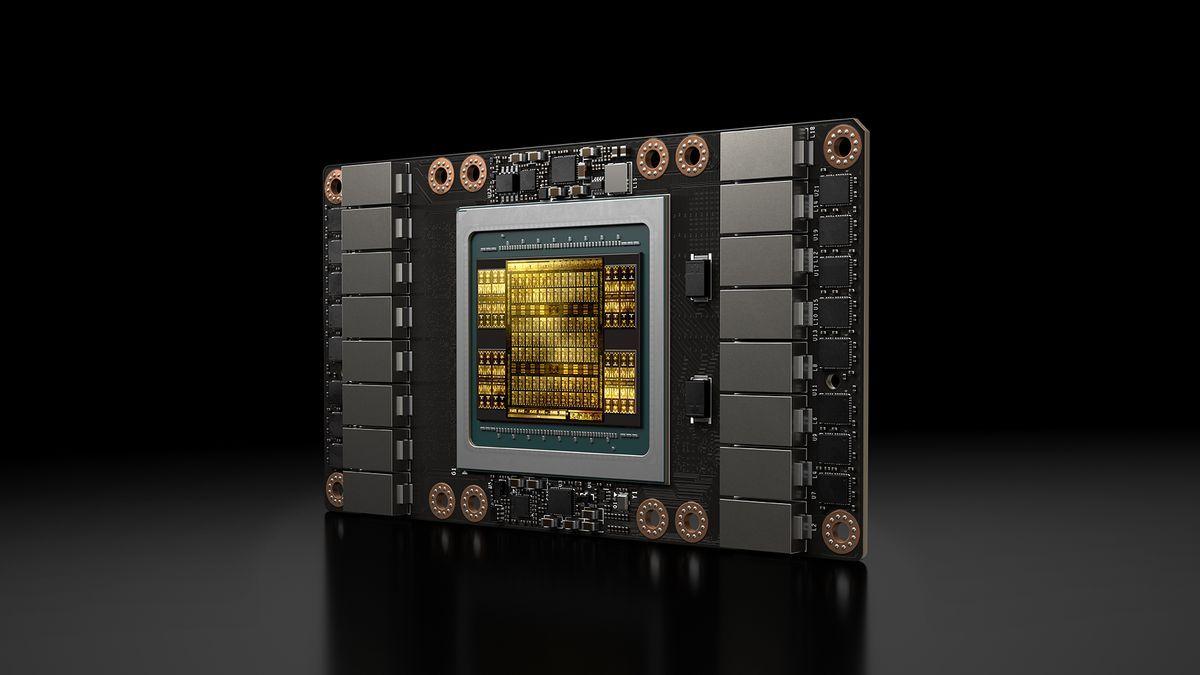
8-year-old Nvidia V100 AI GPU modded for $200 crushes modern cards in AI LLM workloads
11 May 2026•Technology
Recent Highlights


Recent Highlights
Today's Top Stories









Don’t drown in AI news. We cut through the noise - filtering, ranking and summarizing the most important AI news, breakthroughs and research daily. Follow topics that matter to you and stay ahead.


