Elizabeth Warren proposes AI tax on data centers as electricity costs climb nationwide


5 Sources
[1]
Elizabeth Warren wants to tax AI data centers as power bills climb
Serving tech enthusiasts for over 25 years. TechSpot means tech analysis and advice you can trust. Bottom line: A growing share of the artificial intelligence economy is being built not just on algorithms, but on physical infrastructure - massive data centers, energy-intensive compute, and
[2]
Elizabeth Warren: Tax AI companies to benefit all Americans
Why it matters: Warren's tax proposal is the latest progressive response to a technology that is increasingly unpopular. Driving the news: Warren argues in a Wednesday Time op-ed that the current tax code penalizes hiring people through payroll taxes while subsidizing investments in technology. *
[3]
Warren proposes taxing AI companies so 'winnings' 'benefit all Americans'
Sen. Elizabeth Warren (D-Mass.) is calling for an overhaul of the U.S. tax code to taxing artificial intelligence companies, arguing the gains from AI should "benefit all Americans." "Building an economy that works for all of us will require multiple policy responses. But it starts by
[4]
Elizabeth Warren Warns AI Could 'Break Society'
Elizabeth Warren Warns AI Could 'Break Society,' Calls For New Taxes On Automation Sen. Elizabeth Warren (D-Mass.) is calling for new taxes on artificial intelligence (AI), warning that rapid automation could deepen inequality, displace workers and concentrate wealth among tech elites. AI And
[5]

Elizabeth Warren has bold new plan to tax AI companies
There is a point where a number gets so large it stops feeling real. A billion dollars is hard enough to picture. Five trillion is just noise. That is roughly what one company is now worth. Nvidia (NVDA), the chipmaker whose hardware runs almost every major artificial intelligence (AI) system,
Share
Copy Link
Sen. Elizabeth Warren is pushing for a new tax on AI companies, targeting data centers that consume massive amounts of energy. Her proposal includes an excise tax scaled to energy usage, arguing families should recoup costs as utility bills rise. The plan arrives as Nvidia hits $5 trillion in value while households face higher electricity rates.
Elizabeth Warren Targets AI Infrastructure with New Tax Proposal
Sen. Elizabeth Warren is calling for a fundamental shift in how the United States taxes artificial intelligence, proposing a new excise tax on data centers that would scale with their energy consumption
1
. In a Time magazine op-ed published Wednesday, the Massachusetts Democrat argued that the economic gains from AI are flowing to a narrow set of firms and executives while ordinary consumers face rising power bills linked to the technology's expansion1
. "Building an economy that works for all of us will require multiple policy responses. But it starts by acknowledging: it's time to tax AI and invest in people," Warren wrote1
.
Source: TechSpot
How the Excise Tax on Data Centers Would Work
Warren's proposal centers on taxing AI companies directly, with particular focus on the AI data centers that power their systems. These facilities consume large amounts of energy, which has begun placing pressure on local power grids in some regions
1
. The senator proposed an excise tax tied to that usage, writing that "the bigger the data center, the more they pay"3
. The tax AI data center energy usage approach would allow families to recoup some expenses as electricity prices "skyrocket," Warren argued3
. Training advanced AI models and supporting inference at scale require substantial energy consumption, a key reason Warren wants to target them with this new tax structure1
.Rising Power Bills Drive Policy Response
The connection between AI infrastructure and rising power bills is becoming harder to ignore. Researchers at North Carolina State University found that data center and crypto demand could raise electricity costs by as much as 57% in some regions by 2030, with a national average increase of 6% to 29%
5
. Goldman Sachs analysts expect household electricity prices to climb another 6% through 2027, with data center growth a key reason5
. Lead researcher Jeremiah Johnson noted that U.S. power demand "was relatively flat for almost 20 years," but that run is over5
. Warren's proposal reflects this shift in how policymakers are thinking about AI, looking directly at AI data centers and the energy consumption they generate, not just at how AI systems behave1
.Wealth Tax on Billionaires and Corporate Tax Reform
Beyond the data center tax, Warren is pushing for broader changes to the tax code. She reiterated her support for a wealth tax on billionaires, specifically naming industry leaders such as OpenAI CEO Sam Altman and Amazon founder Jeff Bezos
1
. Warren criticized the current tax structure, saying it favors buying equipment over hiring people, calling existing tax breaks for technology investments "effectively a tax penalty for hiring human beings and a tax break for buying equipment"1
. The senator argues that the government should tax AI companies and data centers to help protect workers from potential job displacement due to AI and fund social programs such as universal health care, free education and stronger unemployment insurance2
.Concentration of Wealth in AI Industry
The scale of wealth concentration in the AI sector provides context for Warren's proposal. Nvidia, the chipmaker whose hardware runs almost every major AI system, became the first company in history to touch a $5 trillion market value, later pushing past $5.5 trillion
5
. This makes Nvidia worth more than the economic output of every country on Earth except the United States and China5
. Most of that value sits with a small group of founders, executives, and early investors, while the chatbot consumers use for free did not make them richer5
. "Taxing AI is one way we make sure the winnings from AI benefit all Americans, rather than channeling them only to the wealthy few," Warren wrote1
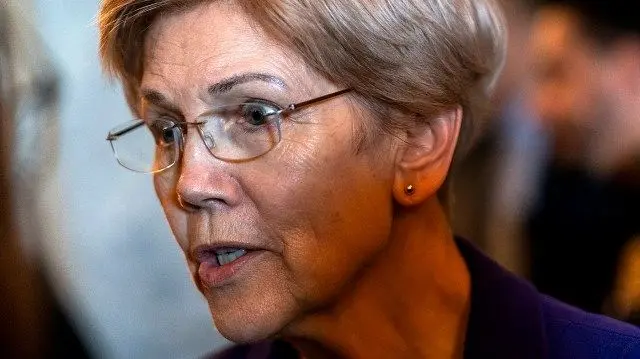
.
Source: The Hill
Related Stories
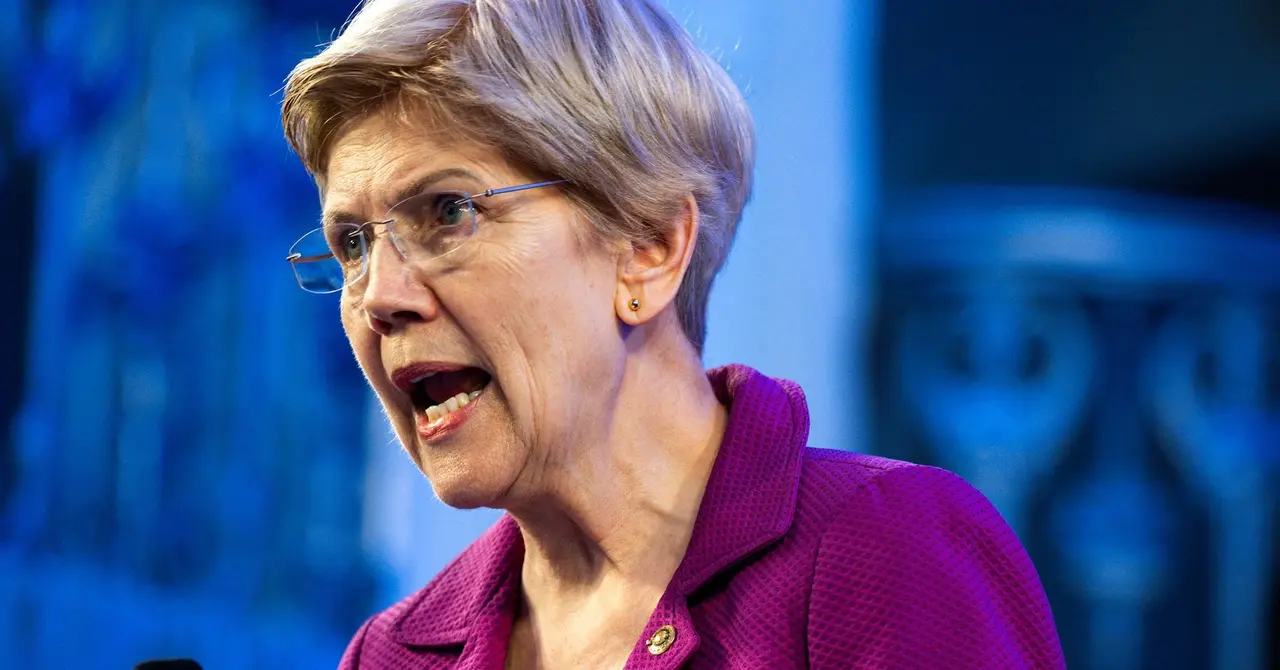
Job Displacement and Societal Inequality Concerns
Warren tied AI's growth to widening disparities in wealth and employment, warning that rapid automation could deepen societal inequality and create a "permanent underclass"
4
. She noted that Big Tech leaders themselves have warned AI could automate large portions of white-collar work, and job losses could have ripple effects, particularly in the U.S., where health insurance is often tied to employment4
. Warren said AI is already producing tech billionaires while workers face layoffs tied to automation4
. The senator acknowledged that additional ideas for taxing AI—ones that "sound radical today"—may eventually be part of the conversation, though she did not expand on specifics2
.Alternative Approaches and Political Challenges
Some in the tech industry have proposed alternative approaches to ensuring the benefits of AI for all Americans. Sam Altman recently suggested creating a public wealth fund that would give citizens a financial stake in AI-driven growth, regardless of their position in traditional markets
1
. He has also backed the idea of taxes related to automated labor, particularly as AI threatens to erode the tax base that supports programs like Social Security and Medicaid3
. Warren's proposal arrives at a time when Congress has struggled to move forward on comprehensive AI legislation, with disagreements within and between parties slowing efforts to establish rules around the technology1
. Stanford University's 2026 AI Index Report found a significant gap between how researchers and the general public view AI's impact, along with a slight increase in public concern about its risks1
. This disconnect could make it harder to build political support for new corporate taxes on AI infrastructure. For now, Warren's focus remains on aligning the tax code with the physical and economic realities of AI systems, especially the infrastructure that makes them possible1
.References
Summarized by

Navi
[4]
[5]
Related Stories
Elizabeth Warren Probes Big Tech Over AI Tax Breaks as Corporate Payments Drop 25%
28 Sept 2026•Policy and Regulation

Elizabeth Warren Calls for Immediate Pause on AI Development as Regulation Debate Intensifies
17 Sept 2026•Policy and Regulation

Elizabeth Warren warns AI bubble could trigger financial crisis like 2008
23 Apr 2026•Policy and Regulation

Recent Highlights



Recent Highlights
Today's Top Stories






Don’t drown in AI news. We cut through the noise - filtering, ranking and summarizing the most important AI news, breakthroughs and research daily. Follow topics that matter to you and stay ahead.


