Waze integrates Google Gemini AI with personalized navigation and motorcycle-focused updates


14 Sources
[1]
Waze adds new AI-powered features and customization updates
Waze, the Google-owned navigation app, is getting new AI-powered features and customization updates, including the ability to report road updates conversationally and get personalized navigation. Some of the new features are powered by Google's Gemini AI assistant, which reflects the tech giant's
[2]
Waze is getting a bunch of new AI-powered features
Waze is getting an AI makeover. Google is integrating its flagship AI assistant, Gemini, into the driving app with the goal of letting users personalize their trips a little more. Of the four new updates, only two are being described as involving Gemini. Waze says its updating its conversation
[3]
Waze Gets AI, Personalization Options -- Including One to Make It Less Chatty
Waze's Conversational Reporting feature and Less Chatty option. (Credit: Google) A new round of features for Waze aims to take Google's driving app in a more personalized direction-with AI riding shotgun. The most significant change is one that people more familiar with Google Maps might have
[4]
Waze rolls out new AI features including Motorcycle and 'Less Chatty' modes - Engadget
Waze, Google's other navigation app, is getting a collection of new AI-powered features that make it easier to navigate on a motorcycle and less annoying to receive directions. The app's new Motorcycle mode uses AI to consider the specific needs of two-wheeled vehicles, according to Google. Those
[5]

Waze's latest update is all about Gemini, and it's picking up your driving habits too
The update also makes the app's route recommendations more personalized to you. Waze is fundamentally different from Google Maps in its philosophy; it's primarily designed with drivers and riders in mind, and places a heavy emphasis on crowdsourced data. This data is also richer in detail and more
[6]

Waze now learns your preferences, and gets more conversational but less chatty
Navigation app Waze is rolling out an update to its iPhone and Android app to introduce three new AI-powered features. The first uses your journey history to understand your routing preferences in order to provide personalized navigation options ... The company says this personalized routing will
[7]

Waze is adding a bunch of AI-powered features including Motorcycle Mode, Personalized Navigation and more
Waze is a very popular navigation app, and with good reason. The unique way it alters your route to avoid even the slightest bit of traffic has endeared it to many, and lets you drive through places you may not have seen otherwise. The good news is it sounds like Waze is about to get even better,
[8]

Waze gets motorbike mode, personalised nav, and 'less chatty' mode
Waze's new features lean heavily on Google Gemini. Credit: Mashable / Waze Waze is getting a slew of AI-powered features, including personalised navigation, motorcycle mode, and the option to minimise those jump-scare alerts over your podcasts. Announced by the Google-owned platform on Monday in
[9]

Waze rolls out new customization features and more Gemini updates
This content is generated by Google AI. Generative AI is experimental Waze is powered by a passionate community of people who help each other outsmart traffic. Because no two trips are alike, we're adding new ways to customize your ride so you have even more control over your journey. We're also
[10]

Waze Is Supercharging Destination Search With Gemini AI
* Waze users will be able to speak naturally with the app to find a destination using certain filters. * The GPS navigation app's latest update includes a motorcycle mode and a "less chatty" mode to reduce interruptions. * Additionally, Wazers will be able to report road updates by talking
[11]

These Five New Waze Features Are Rolling Out Right Now
"Less chatty" mode aims to limit interruptions to your audio, while "Conversational Reporting" now supports map updates. Waze users are starting their Mondays with a sizable update. The company announced five new features for the app in a blog post this morning, with a heavy emphasis on AI
[12]

Waze Gets Many New AI-Powered Improvements
Waze is rolling out improvements and new features beginning this week, including the ability to add road reports via a brief conversation with Gemini. Should you need to report a road hazard or suggest a map update to Waze, you can now do so with Gemini. Speak naturally to Gemini and the AI will
[13]

Waze just got smarter about the routes you actually prefer
When not writing, Dave enjoys spending time with his family, running, playing the guitar, camping, and serving in his community. His favorite place is the Blue Ridge Mountains, and one day he hopes to retire there (hopefully his fear of heights will have retired by then, too!). * Waze has received
[14]

Waze gets motorcycle mode, personalized navigation and Gemini-powered features
Waze has announced a set of new features, including a dedicated motorcycle mode, personalized route suggestions, a less chatty voice guidance option, conversational map reporting, and Gemini-powered destination search. Motorcycle mode Waze has introduced a dedicated motorcycle mode that uses AI
Share
Copy Link
Google's Waze navigation app is introducing AI features powered by Gemini, including conversational reporting for road updates, personalized route suggestions based on driving habits, and a new Motorcycle mode. The update also includes a less chatty mode that reduces voice prompts while maintaining critical alerts for hazards and turns.
Waze Embraces AI Features with Google Gemini Integration
Waze, the Google-owned navigation app, is deploying a suite of AI features that mark a significant shift in how drivers interact with the platform. The update centers on Google Gemini AI integration, reflecting Google's broader strategy to embed its flagship AI assistant across its product ecosystem while positioning Waze to better compete with rivals like Apple Maps
1
2
.
Source: Android Authority
The AI-powered features introduce capabilities that transform Waze from a crowdsourced traffic tool into a more intelligent, adaptive companion for drivers and riders. These changes address both immediate user experience improvements and longer-term personalization needs that have become standard in modern navigation apps
3
.Personalized Navigation Learns Your Driving Habits
Waze now suggests routes based on both a user's trip history and its understanding of traffic patterns across cities. If you consistently prefer highways over local streets with multiple stops, the navigation app will prioritize those options in future suggestions
1
. This personalized route suggestions feature represents a catch-up moment for Waze, as many users familiar with Google Maps assumed this capability already existed3
.The system analyzes your driving habits to optimize recommendations, though users who prefer not to receive personalized navigation can disable the feature entirely in their settings. This personalization is rolling out globally on both Android and iOS platforms
4
.Conversational Reporting Expands with Voice Commands
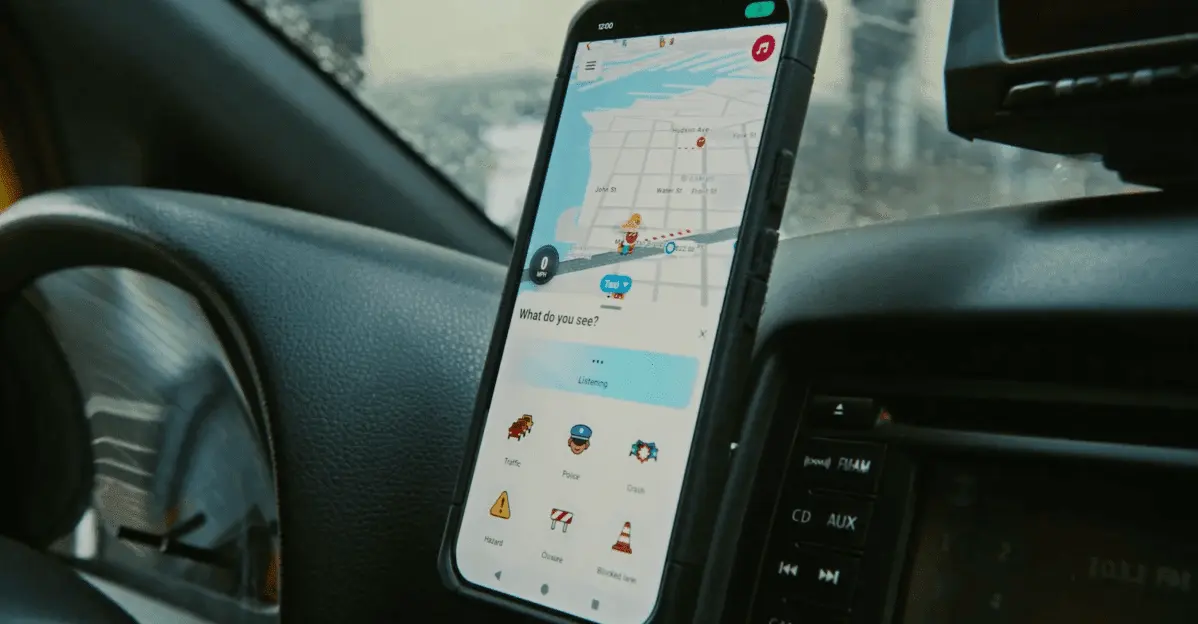
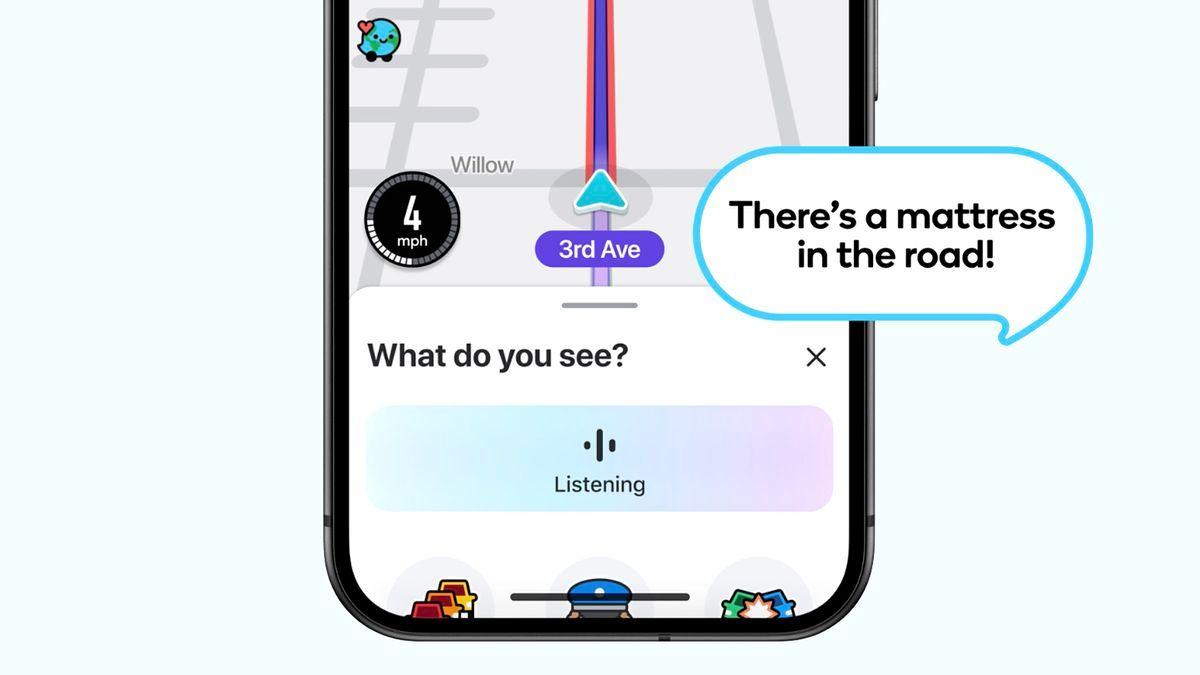
Waze's conversational reporting feature, first introduced in October 2024, now extends beyond traffic incidents to include map updates
4
. Drivers can use natural voice commands to report road closures or outdated addresses by simply saying "The road is closed here," and Waze will forward these details to local map editors1
.
Source: The Verge
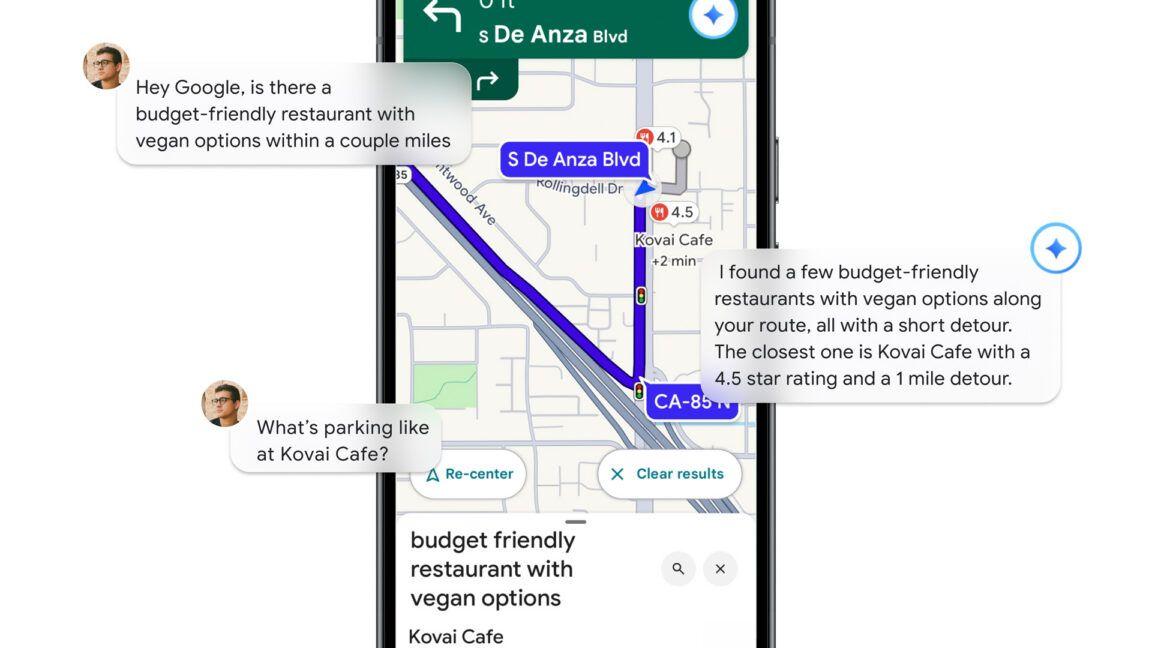
Additionally, users in the Waze beta community can now access Gemini-powered destination search through conversational queries. By tapping the search voice icon, drivers can ask questions like "Find me a coffee shop that's open right now" or "Find me a gas station nearby with the lowest prices," and receive customized results
2
5
. This feature mirrors the Ask Maps capability added to Google Maps in March, though the timeline for general availability remains unclear3
.Motorcycle Mode Addresses Two-Wheeler Specific Needs
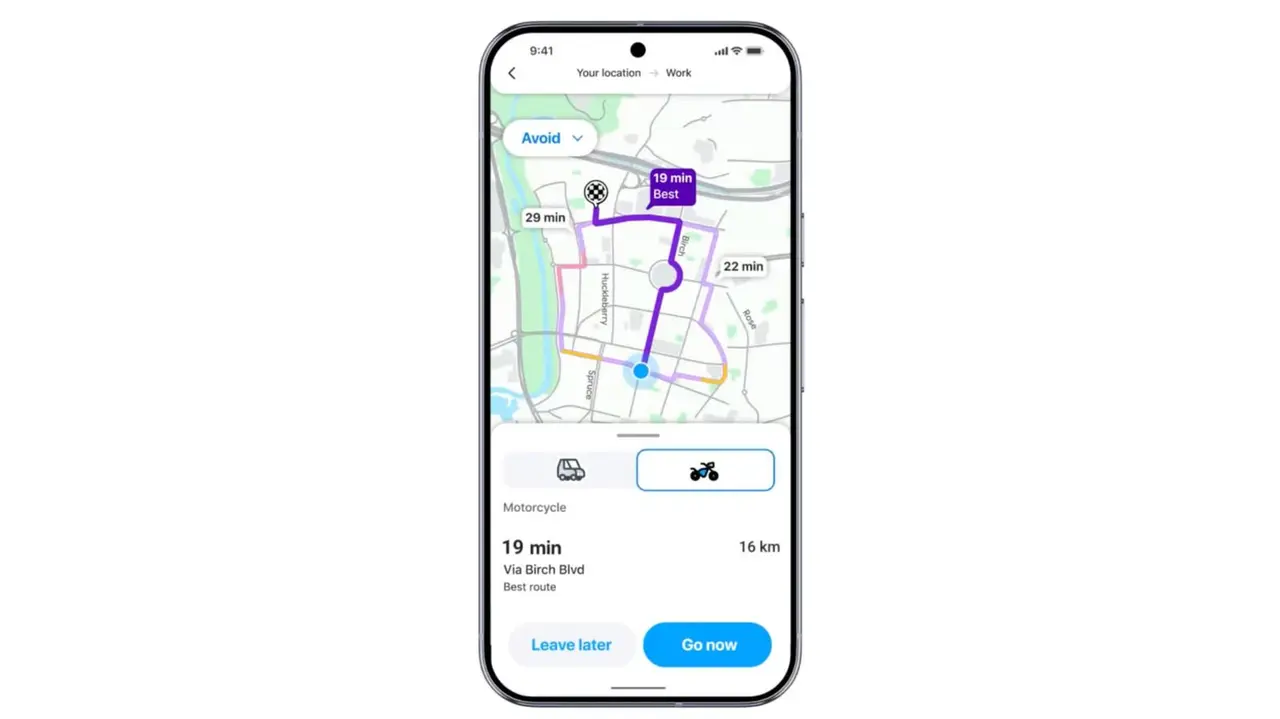
Waze is introducing Motorcycle mode that uses AI to account for two-wheeler-specific shortcuts and road restrictions, helping riders find optimal routes with more accurate ETAs
1
. The feature identifies hazards particularly challenging for motorcyclists, including potholes, speed bumps, raised crosswalks, shoulder endings, and narrow bridges4
.
Source: Engadget
While AI powers the routing logic, Waze maintains accuracy through real-time traffic data and dedicated motorcycle-focused map editors who verify hazards and route information
4
. Motorcycle mode is currently rolling out in Argentina, Brazil, Colombia, Malaysia, Mexico, Peru, and the Philippines on both Android and iOS, with additional countries planned5
.Related Stories


Less Chatty Mode Reduces Voice Prompt Interruptions
Recognizing that constant navigation prompts can disrupt music or podcast listening, Waze now offers a less chatty mode that minimizes voice interruptions
3
. When enabled, the feature reduces the frequency of voice prompts while maintaining alerts for critical information about hazards, turns, and lane changes4
. This option is now available globally on Android and iOS devices1
.What This Means for Waze's Future
These updates signal Google's continued investment in maintaining Waze as a distinct product rather than merging it with Google Maps. The emphasis on crowdsourced data and driver-focused features preserves Waze's unique appeal
5
. However, Waze still lags behind Google Maps in certain areas, notably the absence of fuel-efficient route suggestions added to Google Maps in October 2021, and the lack of optimization for hybrid or electric vehicle powertrains3
.The integration of Google Gemini AI into Waze demonstrates how conversational AI can enhance navigation through more natural interactions. As these features roll out globally, watch for how effectively the personalized navigation adapts to individual preferences and whether the Motorcycle mode expansion reaches additional markets, particularly the United States where riders are still waiting for access.
References
Summarized by

Navi
[2]
Related Stories
Recent Highlights



Recent Highlights
Today's Top Stories






Don’t drown in AI news. We cut through the noise - filtering, ranking and summarizing the most important AI news, breakthroughs and research daily. Follow topics that matter to you and stay ahead.


