White House expands pledge to utilities, data centers to control AI power costs


4 Sources
[1]
White House to rally utilities, data centers over AI power costs
WASHINGTON, July 13 (Reuters) - The White House plans to bring together utility companies and data center developers for a voluntary pledge designed to ensure rapid growth in electricity demand from artificial intelligence does not drive up power bills for households and businesses, according to
[2]
The White House's next AI energy pledge targets the utilities
Big Tech promised in March that data centres would not raise household bills. Now the administration is going after the companies that actually send the bills. The White House is preparing an event, expected within weeks, at which electric utilities, the companies that build and run data centres
[3]
White House to rally utilities, data centers over AI power costs
The White House plans a voluntary pledge for utility companies and data centers. This initiative aims to manage AI's growing electricity demand without raising consumer costs. Several major tech firms previously signed a similar pledge to fund infrastructure. The new event will broaden commitments
[4]
White House to rally utilities, data centers for AI power cost pledge, sources say
WASHINGTON, July 13 (Reuters) - The White House plans to bring together utility companies and data center developers to make a voluntary pledge designed to ensure that rapid growth in electricity demand from artificial intelligence does not drive up power bills for households and businesses,
Share
Copy Link
The White House is preparing a new event to expand its Ratepayer Protection Pledge, bringing together utility companies, data center operators, and state governors. The initiative aims to ensure surging electricity demand from AI doesn't drive up household power bills. Questions remain whether this voluntary pledge will deliver concrete commitments or remain symbolic as utilities plan $1.4 trillion in capital spending by 2030.
White House Expands AI Power Costs Initiative to Include Utilities
The White House is preparing to rally utilities and data centers for an expanded voluntary pledge designed to address AI power costs and protect consumers from rising electricity bills. Expected within weeks, the new event will bring together electric utility companies, data center developers, and state governors to commit that surging electricity demand from artificial intelligence won't burden households and businesses with higher power costs
1
2
. The guest list is still being finalized, according to three people familiar with the plans.This initiative builds on the Ratepayer Protection Pledge signed earlier this year at a White House ceremony, where Amazon, Google, Meta, Microsoft, OpenAI, Oracle, and xAI committed to finance electricity infrastructure needed for their AI projects rather than passing costs to existing utility customers . Those companies agreed to help pay for new power generation, grid upgrades, and other costs tied to their data centers, including unused reserved capacity.
Why Utilities Matter More Than Hyperscalers
The expansion to include utilities represents a strategic shift in addressing AI infrastructure expansion costs. While hyperscalers like Amazon and Google don't set retail tariffs, utilities and state regulators do
2
. Bringing in state governors, who appoint or oversee public utility commissions that approve rate increases, signals the administration understands where decision-making power actually sits. "President Trump's Ratepayer Protection Pledge has been so impactful that additional stakeholders also want to sign it," a White House official told Reuters4
.
Source: ET
The new event is expected to broaden commitments by including companies that build and operate data centers on behalf of Big Tech, alongside governors from states on the front lines of expanding power infrastructure needed to accommodate AI-driven data center energy demands
1
.The $1.4 Trillion Question and Consumer Protection Concerns
Surging demand from power-hungry data centers has prompted regulators, consumer advocates, and lawmakers in several states to warn that households could end up subsidizing grid upgrades needed to serve some of the world's largest technology companies . American utilities are planning around $1.4 trillion of capital spending by 2030 to serve AI demand, and residential customers could carry a substantial share of it
2
. Industrial users are already feeling the impact, with Rust Belt manufacturers watching capacity charges climb steeply as data centers bid for the same megawatts.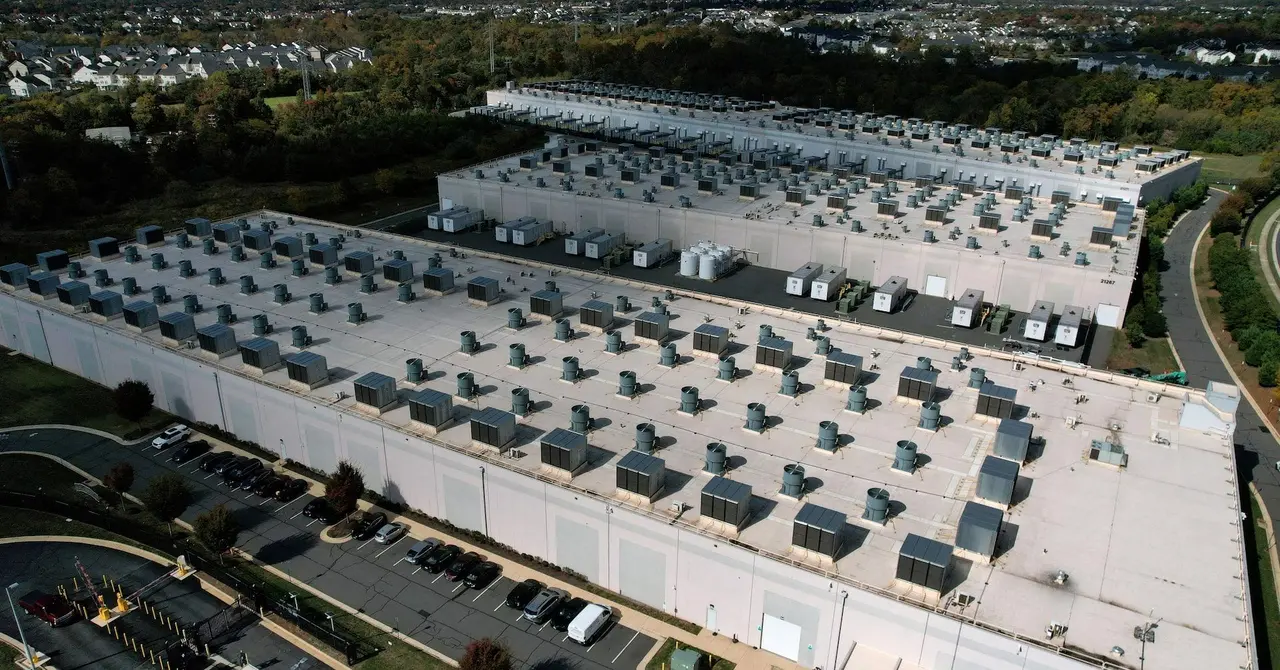
Source: Reuters
These concerns raise questions over whether the pledge will deliver concrete commitments or remain largely symbolic. The pledge remains voluntary and non-binding, and the White House has no authority over electricity markets
2
. Whatever utilities sign will be a statement of intent, filed alongside rate cases argued before commissioners who aren't bound by anything signed in Washington.Related Stories
Political Stakes and Energy Affordability
As President Donald Trump's administration pushes to accelerate AI infrastructure expansion, it hopes to avoid a political backlash over rising electricity bills
1
. The White House has argued that the United States can win the global AI race only by rapidly expanding electricity generation and transmission, while maintaining that consumers should not bear the financial burden of that buildout4
. Administration officials have cast the initiative as an effort to reassure voters that AI investment and lower energy costs can coexist.Congress has been circling the issue, with the House moving on a bill to push data center energy costs back onto the companies creating them—the same objective as the White House pledge, but pursued with a statute rather than a signing ceremony
2
. Electricity prices are the rare technology story that reaches voters through their letterbox, making this a critical political issue for an administration that has staked considerable capital on AI infrastructure. Federal energy regulators have meanwhile been fast-tracking grid connections for data centers, which speeds the buildout the pledge is meant to make painless. The event and the length of the guest list will indicate how many utilities think a voluntary promise about future rates is something they can safely make.🟡.*References
Summarized by

Navi
[2]
Related Stories
Trump demands Big Tech cover AI data center power costs as electricity prices surge 6% nationwide
25 Feb 2026•Policy and Regulation

Big Tech Signs Pledge to Pay AI Data Center Energy Costs, But Will It Protect Consumers?
04 Mar 2026•Policy and Regulation
Trump administration pressures tech companies to fund $15B power plants amid AI energy crisis
15 Jan 2026•Policy and Regulation
Recent Highlights



Recent Highlights
Today's Top Stories






Don’t drown in AI news. We cut through the noise - filtering, ranking and summarizing the most important AI news, breakthroughs and research daily. Follow topics that matter to you and stay ahead.


