World ID launches AgentKit to verify humans behind AI agents and prevent bot abuse


8 Sources
[1]
World ID wants you to put a cryptographically unique human identity behind your AI agents
Over the last few months, tools like OpenClaw have shown what tech-savvy AI users can do by setting a virtual cadre of automated agents on a task. But that individual convenience can be a DDOS-level pain for online service providers faced with a torrent of Sybil attack-style requests from thousands
[2]
World launches tool to verify humans behind AI shopping agents | TechCrunch
World, co-founded by Sam Altman, is dedicated to creating what it calls "proof of human" tech -- ID verification tools for an internet increasingly overrun by AI-generated content of dubious quality. The connection isn't lost that Altman's other company, OpenAI, has been widely blamed for creating
[3]
World pitch: scan eyeballs to tie identity to AI agents
Sam Altman has cooked up a plan to make his cryptocurrency/identity/eyeball-scanning-orb venture more useful by - you guessed it - adding agentic AI to the mix. Now the technology behind it will be used to identify the human behind bots. World, known as WorldCoin until late 2024 when AI became
[4]
Sam Altman's human verification company World builds for AI agents
The company built on the argument that humans need protection from bots is now helping bots borrow a person's humanity. World, the iris-scanning identity startup formerly known as Worldcoin, just announced the launch of AgentKit, a toolkit that lets verified humans delegate their identity to AI
[5]

Sam Altman's World Taps Coinbase's Open Protocol to Verify Humans Behind AI Agents - Decrypt
Platforms could use the technology to limit bots, scalpers, and automated abuse online. World is launching a developer toolkit designed to help websites verify that AI agents are acting on behalf of real people. Launching today in beta, AgentKit integrates World's World ID identity system with
[6]

World launches AgentKit to verify humans behind AI shopping agents
World, co-founded by Sam Altman, has introduced AgentKit, a tool designed to verify human identity behind AI shopping agents. This initiative aims to address rising concerns surrounding fraud and misuse as more consumers utilize AI agents for online purchases. The verification process hinges on
[7]

World Launches AgentKit to Verify Human-Backed AI Agents Using World ID
The new toolkit from Sam Altman's startup lets AI agents prove they are backed by a unique human while interacting with websites, APIs and other online services. World, the identity network co-founded by OpenAI CEO Sam Altman, has released AgentKit, a developer toolkit that allows AI agents to
[8]

World and Coinbase Turn AI Agents Into Trusted Shoppers | PYMNTS.com
The AgentKit beta is a developer toolkit that allows verified humans to delegate their World ID to AI agents so that these agents, which the companies dub "human-backed agents," can have an added layer of trust for interactions and transactions, World said in a Tuesday (March 17)
Share
Copy Link
World, co-founded by Sam Altman, has launched AgentKit, a beta toolkit that lets verified humans delegate their identity to AI agents. Using iris-scanning technology, the system provides cryptographic proof that real people control automated agents, helping websites distinguish legitimate activity from bot networks. The move addresses growing concerns about AI agent abuse in agentic commerce and online services.
World ID Tackles AI Agent Verification Problem
World, the identity startup co-founded by Sam Altman, has launched AgentKit, a developer toolkit designed to verify humans behind AI agents operating across the internet. The beta release addresses a pressing challenge as AI agents increasingly handle tasks like booking reservations, purchasing tickets, and browsing websites on behalf of users . Without proper verification systems, platforms face the threat of Sybil attacks where thousands of automated agents flood services simultaneously, creating what amounts to distributed denial-of-service-level disruptions .

Source: PYMNTS
AgentKit integrates World ID with the x402 protocol, an open standard developed by Coinbase and Cloudflare that enables automated programs to transact directly online
2
. The system allows verified users to register their AI agents with their World ID, which then communicates cryptographic proof of identity to websites without revealing personal information. This proof of personhood mechanism enables platforms to distinguish between legitimate agent activity and malicious bot networks attempting ticket scalping, spam campaigns, or resource exploitation3
.How Iris-Scanning Technology Powers Online Identity Verification
World ID relies on iris-scanning technology delivered through physical Orb devices that convert a user's iris into a unique and encrypted digital code stored on their phone
2
. The company, operating through its parent entity Tools for Humanity, claims nearly 18 million verified individuals have scanned their irises across nearly 1,000 Orbs deployed in more than 160 countries4
. This falls far short of the original Worldcoin goal of reaching one billion users within two years of its 2023 launch3
.
Source: TechCrunch
The verification process provides a unique human identity that users can delegate to multiple AI agents. Tiago Sada, Chief Product Officer at Tools for Humanity, compared this delegation to granting "power of attorney" to an agent, allowing websites to decide whether to trust transactions initiated by those agents
2
. The cryptographic proof of identity operates anonymously, meaning platforms can confirm a real person controls an agent without learning who that person is5
.Agentic Commerce Drives Demand for Human Verification
The timing of AgentKit's launch reflects explosive growth in agentic commerce, where AI programs browse websites and make purchases autonomously. McKinsey projects this market could reach between $3 trillion and $5 trillion globally by 2030, while Bain estimates AI agents could represent a quarter of all U.S. e-commerce within the same timeframe
4
. Major platforms including Amazon and MasterCard introduced automated buying capabilities last year, and Google recently launched its own protocol supporting the trend2
.However, platforms struggle to accommodate legitimate agent traffic while preventing bot spam and abuse. A recent federal court order against AI developer Perplexity blocked the company's Comet browser from making Amazon purchases on behalf of users, illustrating the friction between agentic systems and existing platforms
5
. DC Builder, a research engineer at the World Foundation, explained the core problem: "If you delegate an agent the ability to book tickets, you can spawn like 100,000 tickets. Even though they have the money to pay, it's not a great user experience for people competing with bots"5
.
Source: Decrypt
Related Stories
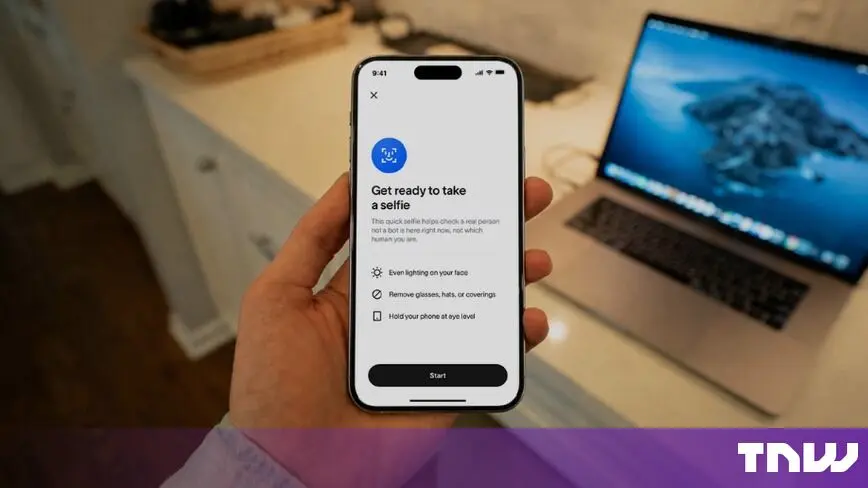
X402 Protocol Integration and Technical Implementation
AgentKit functions as a complementary extension to the x402 v2 protocol, designed so any website already using x402 can enable proof of unique human verification alongside or instead of micropayments
2
. Erik Reppel, head of engineering for Coinbase's developer platform, explained that sellers can program their systems to understand whether requests come from humans, agents, or agents tied to verified humans, then reject payments lacking proper proof5
.Rather than blocking automated traffic outright, websites can require AI agents to present an associated World ID token before accessing limited resources like restaurant reservations, ticket purchase opportunities, free trials, or bandwidth allocations . The approach also applies to reputational systems like online forums and polls where preventing automated astroturfing or dogpiling matters. Notably, using Worldcoin tokens is not necessary for AgentKit functionality, separating the identity verification from cryptocurrency requirements
5
.Privacy Concerns and Regulatory Scrutiny
World's expansion into AI agent verification carries significant baggage from its Worldcoin origins. The company has faced bans or investigations in at least ten countries over privacy and data concerns
4
. Early growth strategies focused heavily on recruiting users in the Global South, offering Worldcoin tokens as incentives to provide biometric data4
. The cryptocurrency itself has lost 76 percent of its value since launching in 2023, contributing to World's pivot away from crypto branding toward identity verification3
.The platform's struggle to maintain human connection online becomes more complex as it now helps bots borrow human identity. World points to Moltbook, the AI agent social network that registered 1.6 million agents within days of launching, as evidence of what happens without verification systems
4
. Nobody, including the platform, could reliably determine which posts came from bots, humans pretending to be bots, or how many distinct people controlled the accounts. Meta acquired Moltbook last week, though the company has historically shown little interest in policing whether content originates from real people4
. Meanwhile, OpenAI reportedly considers building a social network premised entirely on keeping bots out, potentially using World's iris-scanning Orb or Apple's Face ID for biometric proof of personhood4
.References
Summarized by

Navi
[1]
[3]
Related Stories
Sam Altman's World ID expands human verification through iris scans as bots flood the internet
25 Apr 2026•Technology

Sam Altman's World Launches in US with Eye-Scanning Orbs and Cryptocurrency
01 May 2025•Technology

Worldcoin Rebrands as 'World', Unveils New Iris-Scanning Orb Amid Expansion Plans
18 Oct 2024•Technology

Recent Highlights



Recent Highlights
Today's Top Stories





Don’t drown in AI news. We cut through the noise - filtering, ranking and summarizing the most important AI news, breakthroughs and research daily. Follow topics that matter to you and stay ahead.


