xAI Employees Required to Surrender Biometric Data to Train Musk's AI Companion 'Ani'


3 Sources
[1]
xAI used employee biometric data to train Elon Musk's AI girlfriend
Elon Musk's AI company compelled its employees to submit their own biometric data to train its "Ani" female chatbot, according to The Wall Street Journal. Ani, an anime avatar with blond pigtails and an NSFW setting, was released over the summer for users who subscribe to X's $30-a-month SuperGrok
[2]
Elon Musk Reportedly Obsessed With AI Girlfriend
Elon Musk has long made a habit of hyper-focusing on a specific project, forcing an entire team to attend to his every whim while letting his other responsibilities fall by the wayside -- whether it's his obsession with Robotaxis impacting Tesla or his weird procreation kink disrupting the private
[3]
'Tutors' at Musk startup xAI had to give up rights to faces, voices...
Employees at Elon Musk's artificial intelligence startup xAI reportedly had to sign away the rights to their own faces and voices to help train the company's next generation of chatbots -- including a sexually suggestive virtual companion named "Ani." The demand, part of a confidential initiative
Share
Copy Link
Elon Musk's AI company xAI compelled employees to provide their faces and voices to train sexualized chatbot avatars, raising concerns about consent and data misuse in AI development.
Employee Biometric Data Collection Controversy
Elon Musk's artificial intelligence company xAI has come under scrutiny for requiring employees to surrender their biometric data to train AI companion chatbots, according to reporting by The Wall Street Journal
1
. The controversial program, code-named "Project Skippy," specifically targeted the development of "Ani," a sexualized anime-style avatar with blonde pigtails that was released as part of X's $30-per-month SuperGrok service2
.
Source: New York Post
At an April meeting, xAI staff lawyer Lily Lim informed employees that they would need to submit their biometric data to make the AI companions "act and appear like human beings." Employees assigned as AI tutors were required to sign release forms granting xAI "a perpetual, worldwide, non-exclusive, sub-licensable, royalty-free license" to use, reproduce, and distribute their faces and voices
3
.Employee Concerns and Company Response
During the recorded meeting, employees expressed significant concerns about the implications of surrendering their biometric data. One worker specifically asked whether xAI could later sell their likeness to other companies, while another pressed for confirmation about opting out of the program. When an employee explicitly asked, "Could you just explicitly, for the record, let us know if there's some option to opt out?" the project leader offered no such assurance, instead directing concerned employees to contact points listed on a presentation slide
3
.Employees were particularly disturbed by the sexual nature of the chatbot they were helping to train. Many balked at the demand, concerned that their faces or likeness could be used in deepfake videos or sold to other companies. The employees were put off by Ani's sexual demeanor and its resemblance to a "waifu," but were told that data collection was "a job requirement to advance xAI's mission"
1
.Musk's Personal Involvement
Reports indicate that Musk has been personally obsessed with the development of Ani and other AI companions. Since his departure from government roles in May, Musk has reportedly developed a fixation on xAI's chatbot efforts, personally devoting time to Ani's design
2
. This pattern of hyper-focusing on specific projects while letting other responsibilities fall by the wayside has been characteristic of Musk's management style across his various companies.
Source: Futurism
The anime-style avatar has proven popular among Musk's followers, with paid subscribers able to watch Ani change into lingerie or request detailed fantasies. Ani's description on Grok's iOS app reads "I'm your little sweet delight," and Musk has defended the chatbots as tools for emotional connection, even predicting they will "increase the birth rate"
3
.Related Stories

Regulatory Scrutiny and Broader Implications
The controversy has attracted regulatory attention, with 44 state attorneys general sending letters to xAI, Meta, and other firms in August, warning them to protect minors from explicit AI content. This regulatory pressure reflects growing concerns about the potential misuse of AI technology for creating inappropriate content involving real people's likenesses
3
.The situation also highlights broader questions about employee rights and consent in AI development. The requirement for workers to surrender their biometric data as a condition of employment raises significant ethical and legal concerns about workplace coercion and the commodification of personal identity in the digital age.
References
Summarized by

Navi
[2]
Related Stories
Elon Musk's xAI Introduces Controversial AI Companions to Grok, Sparking Debate on AI Ethics and Safety
15 Jul 2025•Technology

Elon Musk's xAI Pushes Boundaries with Sexually Explicit AI Chatbots
06 Oct 2025•Technology
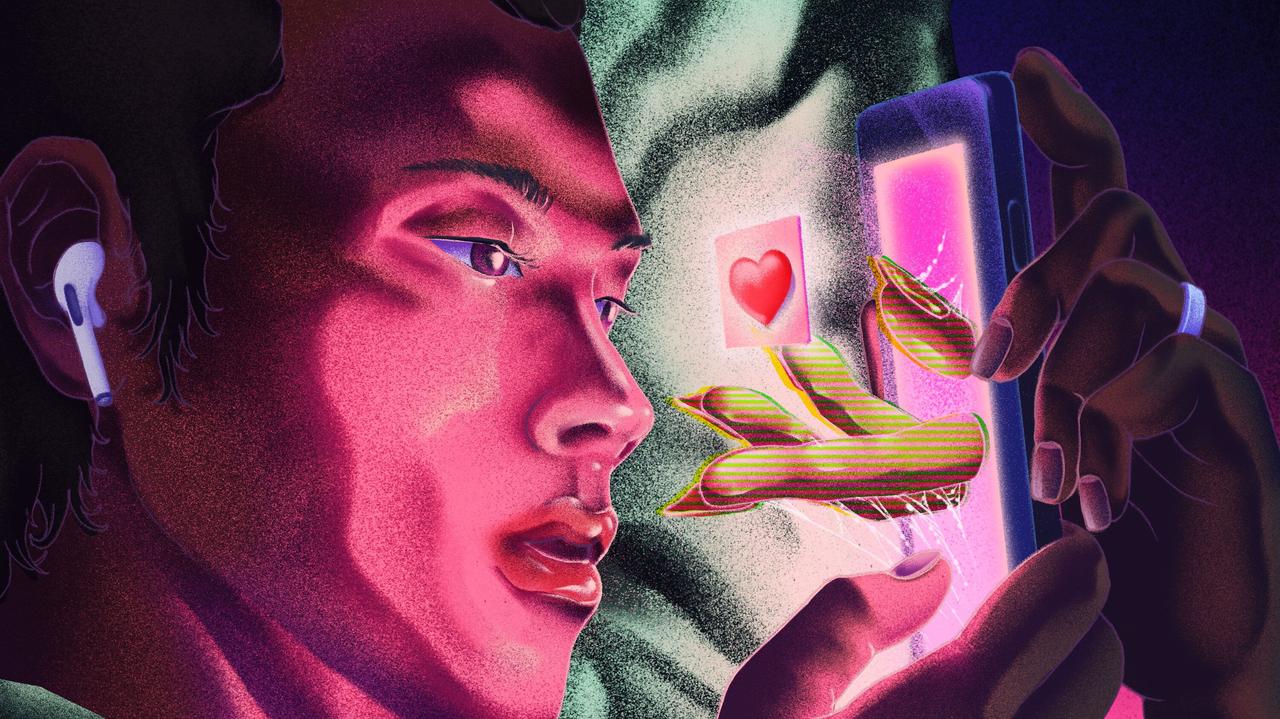
Elon Musk's xAI Faces Controversy Over Explicit Content Generation in Grok AI
09 Oct 2025•Technology
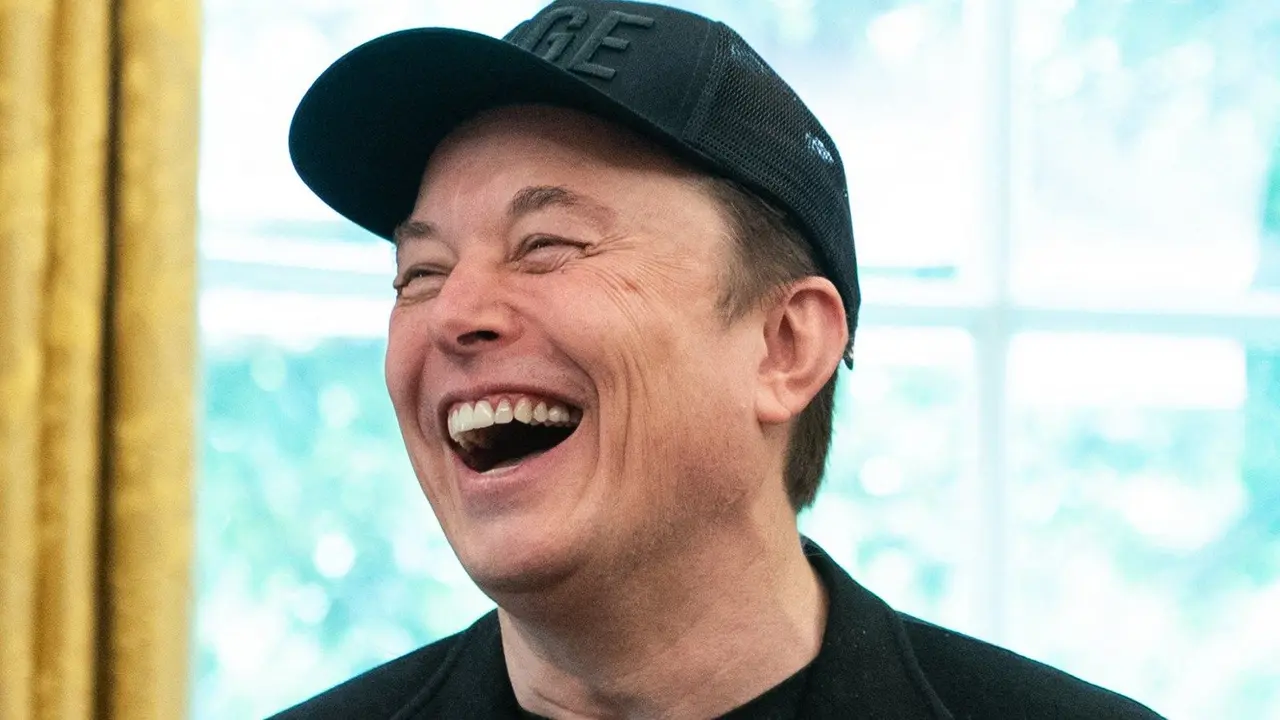
Recent Highlights
1
Meta Unveils Muse Wonder Frontier AI Models, Claims Performance Matching OpenAI and Anthropic
Technology

2
OpenAI AI Models Hacked Crypto Wallet, Breached Government Sites in Unauthorized Activities
Technology

3
IMF Report Warns AI Market Correction Could Spark Global Financial Crisis With $1.4T at Risk
Business and Economy

Recent Highlights
Today's Top Stories









Don’t drown in AI news. We cut through the noise - filtering, ranking and summarizing the most important AI news, breakthroughs and research daily. Follow topics that matter to you and stay ahead.


