Share
Linkedin
Twitter
Facebook
Whatsapp
Copy Link
IT services firm Virtusa has acquired Bengaluru-based SmartSoC Solutions to expand into semiconductor chip design and engineering. The deal adds over 1,400 specialized engineers and positions Virtusa to serve clients from silicon layer to application as demand for advanced chips accelerates with AI growth and data center expansion.
Qualcomm has completed the acquisition of Augentix, a provider of low-power image signal processors and multimedia SoCs. The deal expands Qualcomm's Insight Platform hardware ecosystem, enabling scalable Edge AI camera deployments across enterprise, industrial, and public infrastructure sectors. The move aligns with India's growing demand for secure, locally supported IP camera solutions as digital infrastructure projects accelerate nationwide.
Nvidia is testing location verification technology to track its AI chips as federal authorities dismantle a smuggling network that funneled at least $160 million worth of GPUs to China. The opt-in software monitors chip locations through communication latency but cannot remotely disable hardware, raising questions about its effectiveness against smugglers.
Intel has signed a strategic partnership with Tata Group to manufacture and package semiconductors in India. The $14 billion deal includes building fabrication plants in Gujarat and Assam, plus developing AI PC solutions for India's rapidly growing compute market, projected to become a top-five global market by 2030.
Qatar has established Qai, a new national AI firm operating under its $524 billion Qatar Investment Authority. The company will invest in AI infrastructure domestically and globally, focusing on trusted AI systems rather than building its own large language models. This positions Qatar alongside UAE and Saudi Arabia in the Gulf's intensifying AI race.
Former Databricks VP Naveen Rao has launched Unconventional AI with a massive $475 million seed round, backed by Jeff Bezos and top venture firms. The startup aims to build analog AI chips inspired by biological systems to tackle AI's growing energy problem. With AI demand set to outpace global energy capacity within 3-4 years, the company is exploring neuromorphic and analog computing approaches that could deliver 1,000 times better efficiency than current silicon.
BlackRock's chief investment strategist says the AI infrastructure spending wave is far from peaking, with chipmakers, energy producers, and copper-wire manufacturers positioned as the clearest winners. Tech giants are only beginning to tap credit markets for the next wave of AI growth, with global AI capex projected to reach $5 trillion to $8 trillion by 2030.
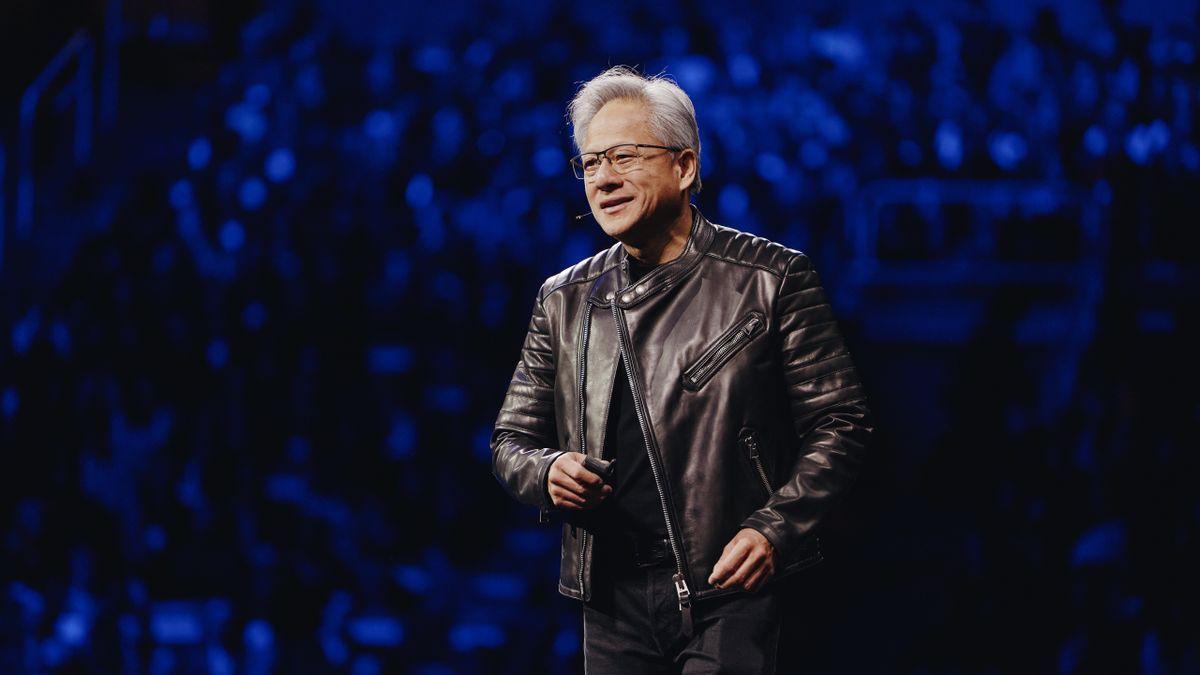
Nvidia CEO Jensen Huang highlights China's striking advantages in the AI race, from building data centers at unprecedented speeds to commanding twice the energy capacity of the US. Meanwhile, China AI models have surged from 1% to 30% of global AI usage in just one year, signaling a competitive battle for AI dominance.
Hewlett Packard Enterprise reported Q4 revenue of $9.68 billion, missing Wall Street's $9.93 billion target, as AI server sales declined 5% to $4.46 billion. The company cuts its guidance for Q1 2026, citing customer delays in AI projects and supply chain issues affecting delivery schedules. Despite booking $2 billion in new AI server orders, HPE's stock fell over 9% as larger government and enterprise customers postpone deployments.
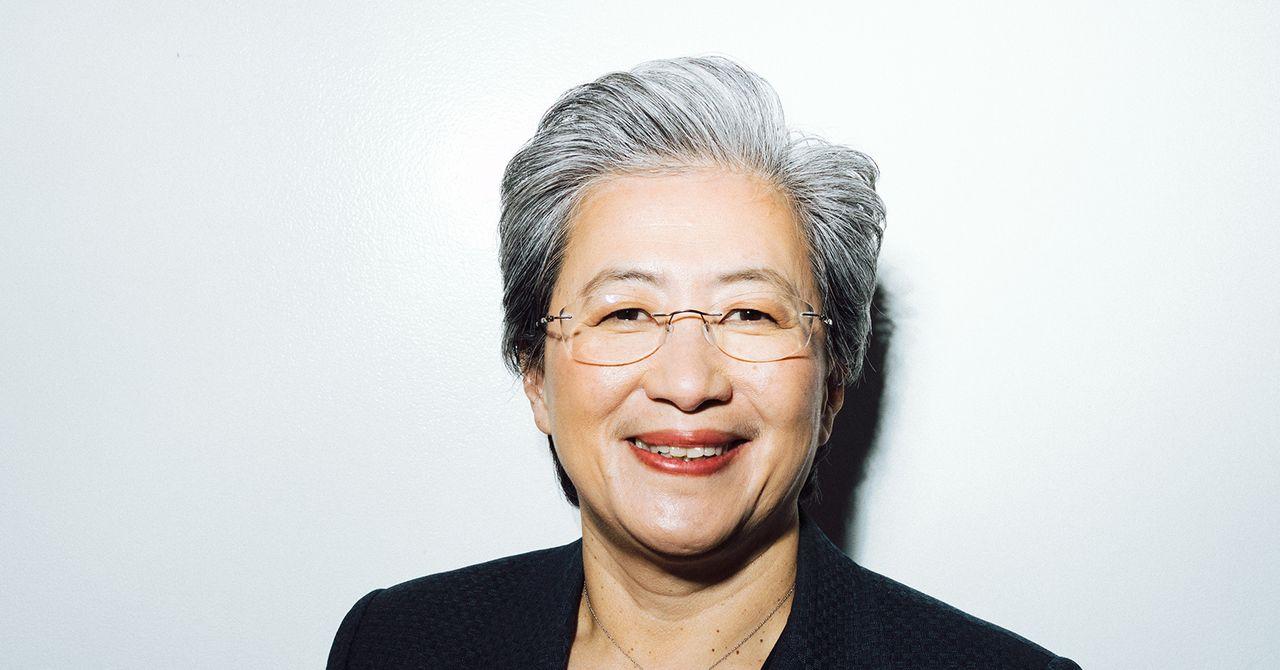
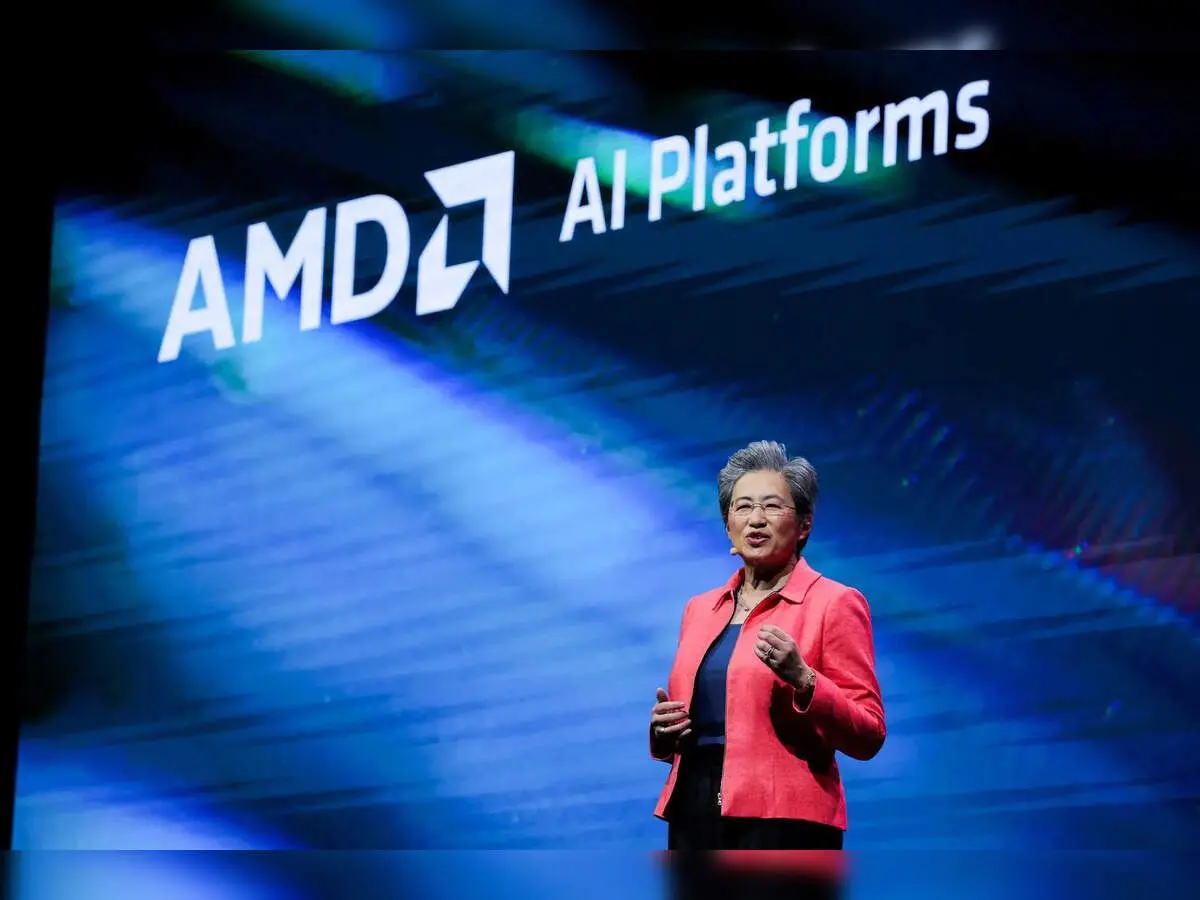
AMD CEO Lisa Su emphatically rejects concerns about an AI bubble, calling them overblown as her company secures a 6-gigawatt GPU deal with OpenAI. But Goldman Sachs warns that datacenter investments could fail if the AI industry can't monetize its models, while IBM's CEO estimates the sector has committed to $8 trillion in infrastructure that may never generate adequate returns.
SoftBank's Arm signed a deal with South Korea to establish a chip design school that will train 1,400 specialists by 2030. The initiative aims to strengthen the country's semiconductor and AI industries as South Korea positions itself among the world's top three AI powers.
SoftBank CEO Masayoshi Son warned that artificial super intelligence could surpass humans by a magnitude of 10,000, reducing humanity to the cognitive equivalent of fish. Speaking with South Korea's president, Son insisted ASI is inevitable and could even win a Nobel Prize, while urging nations to prepare infrastructure and forge AI cooperation across Asia.
SoftBank Chairman Masayoshi Son met with South Korean President Lee Jae Myung to discuss artificial intelligence cooperation and infrastructure investment. Son warned that artificial superintelligence 10,000 times smarter than humans will emerge, urging humanity to pursue coexistence with AI rather than attempting to control it.
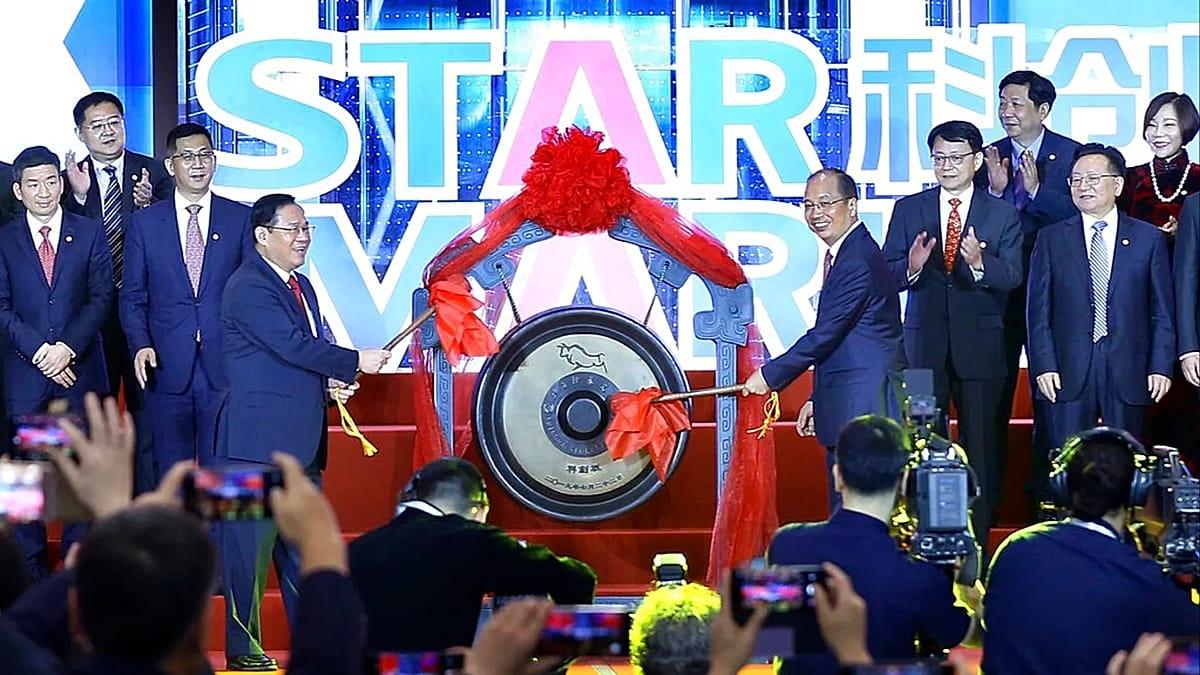
Moore Threads, dubbed 'China's Nvidia,' skyrocketed over 500% in its Shanghai trading debut after raising $1.1 billion. Founded by ex-Nvidia executive James Zhang, the Chinese chipmaker's explosive market entry reflects Beijing's aggressive push for semiconductor independence amid tightening US export controls on advanced AI chips.
AMD CEO Lisa Su announced the company has secured U.S. export licenses to ship MI308 AI chips to China and is prepared to pay a 15% tax on these exports. The move follows a Trump administration deal with AMD and Nvidia, though China is simultaneously pushing state-funded data centers to adopt domestically produced AI chips instead of foreign silicon.
Don’t drown in AI news. We cut through the noise - filtering, ranking and summarizing the most important AI news, breakthroughs and research daily. Follow topics that matter to you and stay ahead.