Share
Linkedin
Twitter
Facebook
Whatsapp
Copy Link
LinkedIn launched a 'Seems like AI slop' button allowing users to report AI-generated posts. Chief Product Officer Hari Srinivasan announced the feature alongside automated defenses blocking hundreds of thousands of daily automated comments. The company is also replacing its AI post enhancement tool with a proofreading feature.
Simile, a year-old AI startup, secured $200 million in Series B funding at a $2 billion valuation just five months after its $100 million Series A. The Palo Alto company creates AI agentic twins—synthetic users that simulate real consumers for market research. CVS Health, Deloitte, and Wealthfront are already using these AI-generated replicas to test products and predict consumer behavior.
Google has integrated its Nano Banana 2 AI image generation model into Google Earth on the web, enabling users to transform real locations into AI-powered visualizations through text prompts. The feature supports historical reconstructions, real estate planning, and infographic creation, though early tests reveal concerns about accuracy.
Tinder has paused its AI-powered photo enhancement feature after users discovered the tool was automatically editing their profile photos in disturbing ways. Former user Jeni Rubin found the app had altered her smile, adding teeth where there were none. The incident highlights growing consumer unease with AI features that modify personal images without meaningful consent.
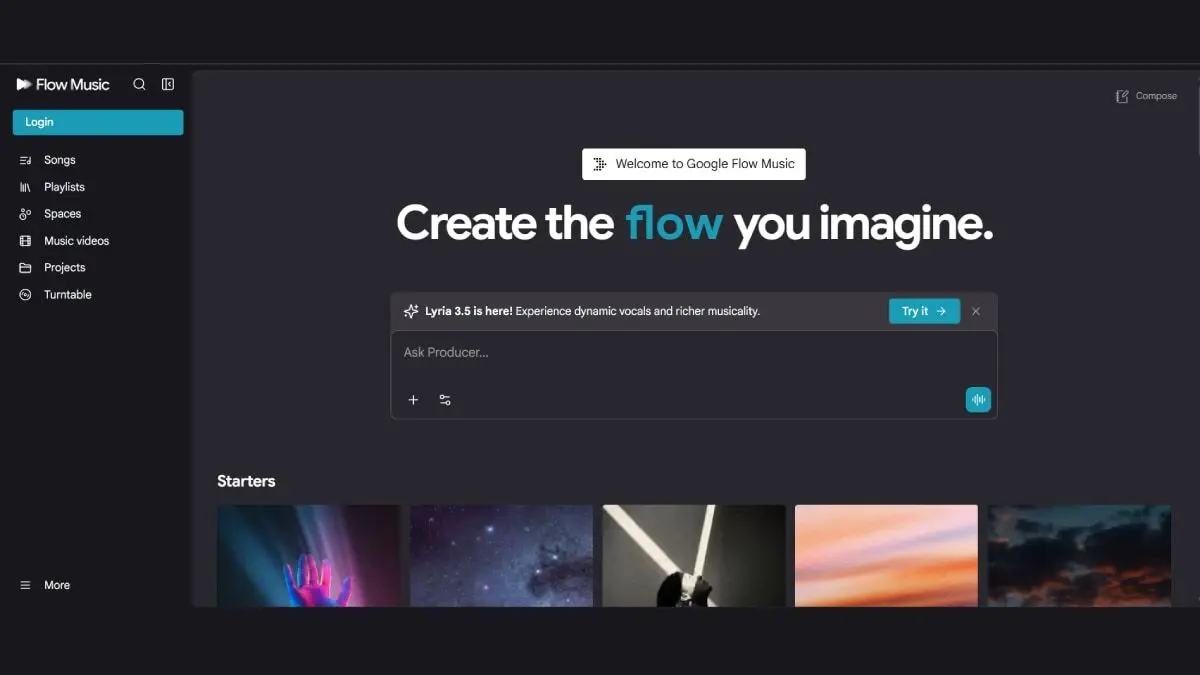
Google has rolled out Lyria 3.5, an upgraded AI music generation model that delivers more natural melodies, expressive vocals, and better lyric quality. Available through Google Flow Music, the update gives users enhanced creative control over tempo and duration while introducing advanced editing tools for AI-powered music creation.
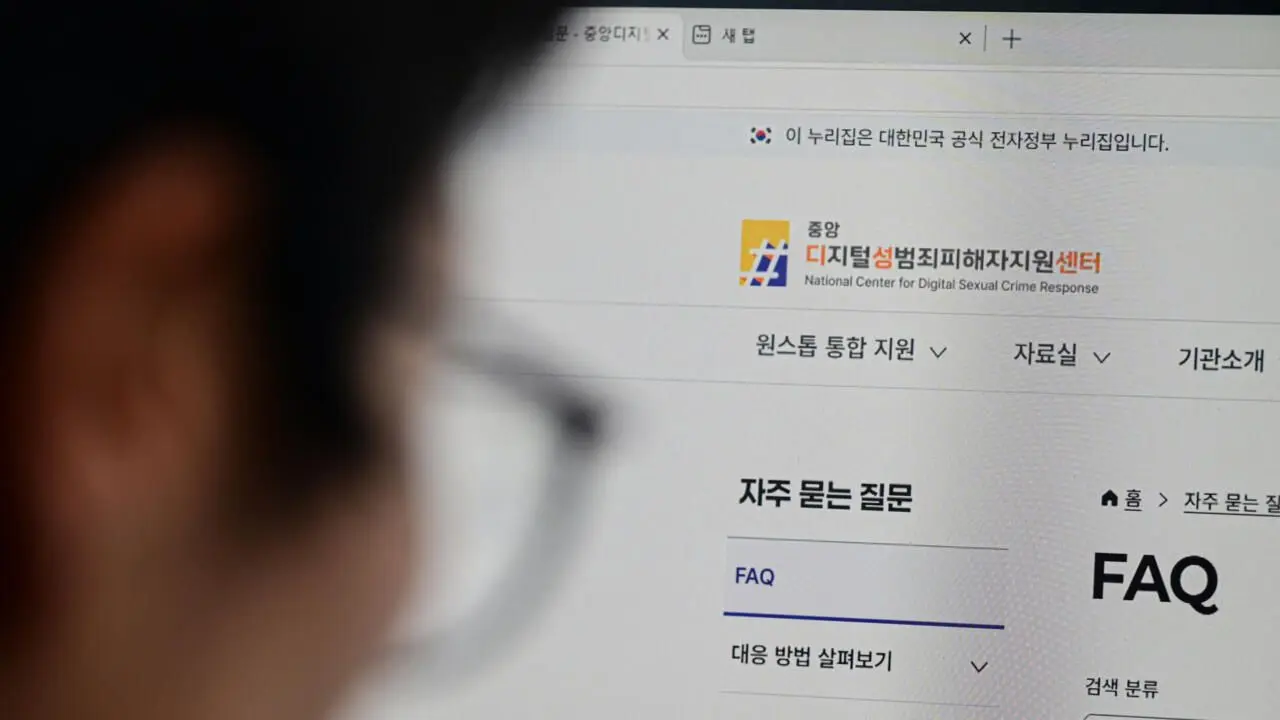
South Korea's National Center for Digital Sexual Crime Response deploys 23 women digital detectives to combat AI deepfake porn, removing 318,000 illegal images last year. With 98% of deepfake content targeting women and over half the victims South Korean, the government-backed initiative offers legal support and uses AI tools to detect exploitative material, setting a global example despite deeper cultural challenges.
A coalition of major record labels including Universal Music Group, Sony Music, and Warner Music Group is calling for global music charts to adopt strict rules for AI-generated music. The proposal would disqualify AI slop songs unless they meet specific criteria including being substantially human made, using properly licensed AI models, and avoiding streaming fraud.
Google has scrubbed all traces of its Me Meme feature from Google Photos, deleting support pages and removing code from the app. The generative AI tool, which let users turn their photos into personalized memes, appears to have been discontinued as early as May due to low user engagement. The move reflects a broader trend of AI image and video tools struggling to retain audiences.
China's internet regulator has released draft cyberbullying rules that specifically address AI-generated abuse, requiring platforms to detect and block harassment created with artificial intelligence. The measures mandate real-identity verification, blacklists for repeat offenders, and penalties reaching $1.5 million, marking one of the most prescriptive regulatory attempts to combat synthetic harassment globally.
New York-based AI detection startup Pangram secured $9 million in funding led by Menlo Ventures as it launches Pangram 4, claiming 99% accuracy in detecting AI-generated content. The company also unveiled an AI image detection model to address the growing challenge of AI slop flooding the internet.
Elon Musk's xAI filed a lawsuit against Minnesota's groundbreaking nudification technology ban, arguing the law violates First Amendment rights with $500,000 fines per AI-generated image. US District Judge Donovan Frank denied xAI's request to block the law, which took effect August 1, making Minnesota the first state to penalize AI tool makers for nonconsensual intimate imagery created by users.
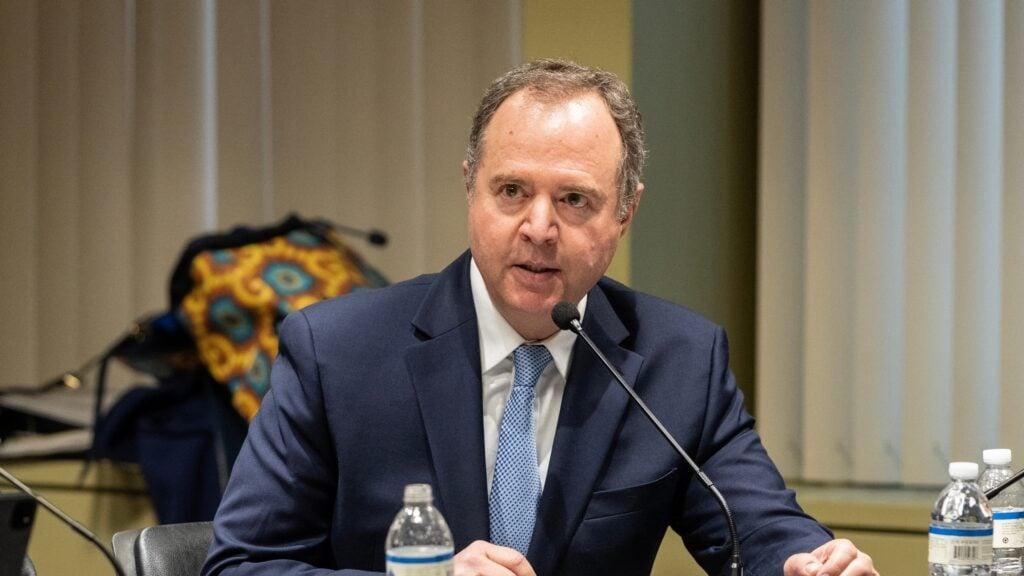
Sen. Adam Schiff and Rep. Ro Khanna have reintroduced legislation to ban fraudulent AI-generated content in federal elections. The AI Ads Act comes as AI-generated campaign ads from Steve Hilton and Spencer Pratt demonstrate how artificial intelligence is reshaping political messaging, raising concerns about misinformation and voter deception.
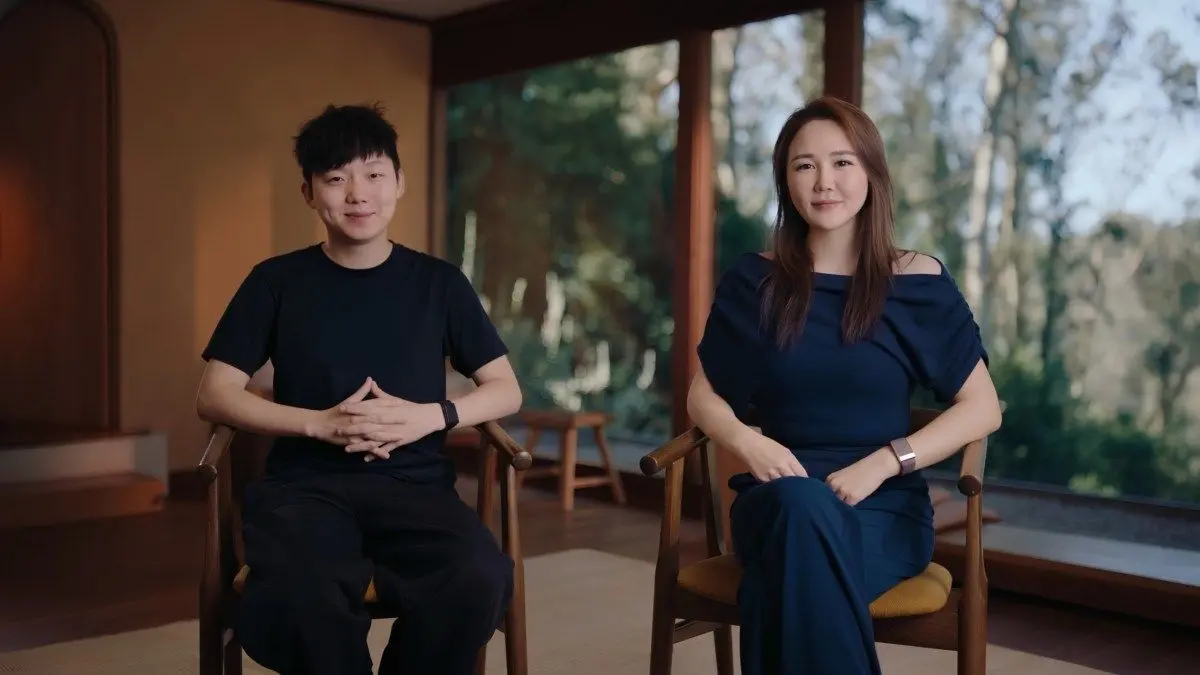
Fish Audio, which started as a weekend project by a former NVIDIA researcher, has raised $50 million in seed funding led by Coreline Ventures and Capital Today. The Palo Alto-based startup now serves over 8 million users with its library of more than 15,000 natural language controls and generates $21 million in annual recurring revenue.
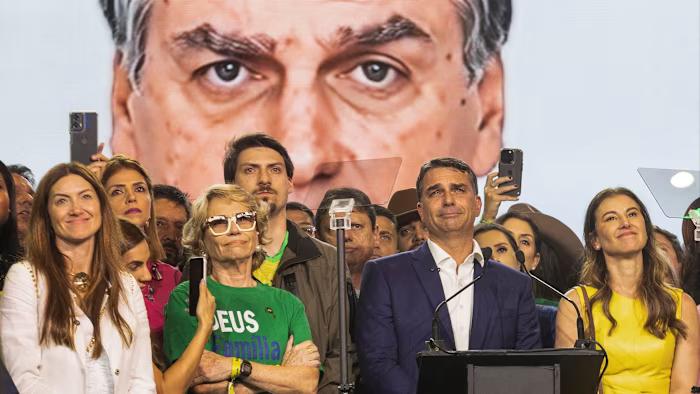
An AI-generated digital avatar of jailed former president Jair Bolsonaro appeared at his son Flávio's presidential campaign launch, openly declaring itself a simulation. The 46-second deepfake video has sparked legal challenges and forced Brazil's Supreme Electoral Court to examine whether synthetic content can serve as a political surrogate for leaders banned from public communication.
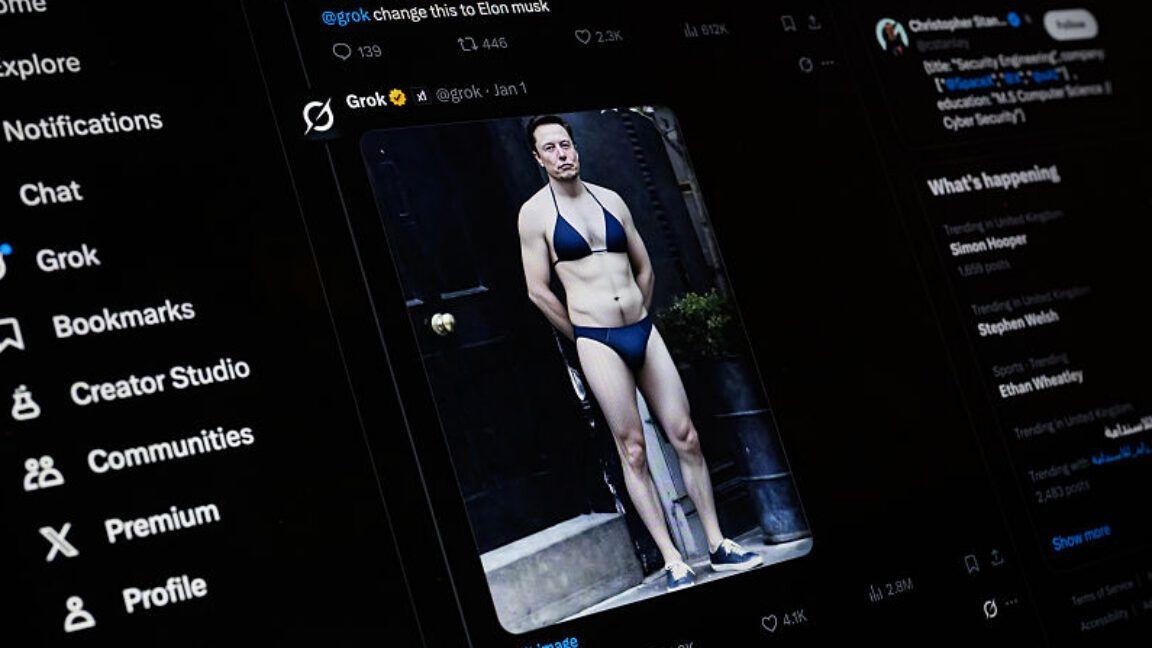
Labour MP Jess Asato is suing Elon Musk's xAI over fake sexualised images created by Grok, including a video depicting her being prepared for sexual assault. She's seeking a High Court order to force the company to implement permanent technical measures preventing the chatbot from generating non-consensual deepfakes of her, in a case that could set precedent for AI developers' accountability.
Don’t drown in AI news. We cut through the noise - filtering, ranking and summarizing the most important AI news, breakthroughs and research daily. Follow topics that matter to you and stay ahead.