Share
Linkedin
Twitter
Facebook
Whatsapp
Copy Link
Social media platforms, particularly X, are drowning in AI-generated fake videos and images about the Iran war. State actors and engagement farmers are spreading visual misinformation that's been viewed hundreds of millions of times, while Elon Musk's Grok chatbot repeatedly fails to verify false claims, instead sharing AI-generated images as proof.
A pair of documentaries dissect artificial intelligence through contrasting approaches. 'Deepfaking Sam Altman' features a virtual Sam Bot after OpenAI's CEO ignored interview requests, while 'The AI Doc' interviews leading AI lab chiefs including Altman, Dario Amodei, and Demis Hassabis. Both films examine whether AI will enlighten humanity or trigger job displacement and cognitive decline.
X announced it will temporarily demonetize creators who post AI-generated videos of armed conflict without proper disclosure. The policy targets unlabeled AI-generated war footage that flooded the platform following recent U.S. and Israeli airstrikes in Iran, with fake videos racking up tens of millions of views and spreading misinformation during critical moments.
Meta was granted a patent in December 2025 for an AI system that could maintain user profiles after death by simulating social media activity. The technology uses past posts, likes, and comments to generate responses on behalf of deceased users. While Meta says it has no plans to deploy this, experts warn it reframes death as an engagement problem and could disrupt the mourning process.
Nepal's Thursday election faces an unprecedented wave of AI disinformation as political parties deploy deepfake videos and AI-generated images to manipulate voters. With over 600 cases reported and 80% of internet traffic flowing through social media, experts warn the country lacks the expertise to combat machine-generated content that threatens democratic integrity.
The US Supreme Court has declined to hear a landmark case challenging whether AI-generated art can receive copyright protection. Computer scientist Stephen Thaler's 14-year legal battle over an AI-created image ends with courts maintaining that human authorship remains essential for copyright eligibility, setting a precedent that could shape creative industries.
Xicoia, the AI talent studio behind controversial AI-generated actress Tilly Norwood, announced plans to launch the Tillyverse—a digital universe for AI characters to build careers. The move comes as SAG-AFTRA enters critical contract negotiations, with AI protections at the center of discussions. The studio hired former Amazon Prime Video executive Mark Whelan to lead the expansion.
Political parties in New Zealand are deploying AI-generated content in election campaigns, but existing laws offer no mandatory AI disclosure requirements. With AI slop flooding social media and the National Party already using AI attack ads, experts warn current regulations written in a pre-AI era cannot protect electoral integrity ahead of the closely contested 2026 election.
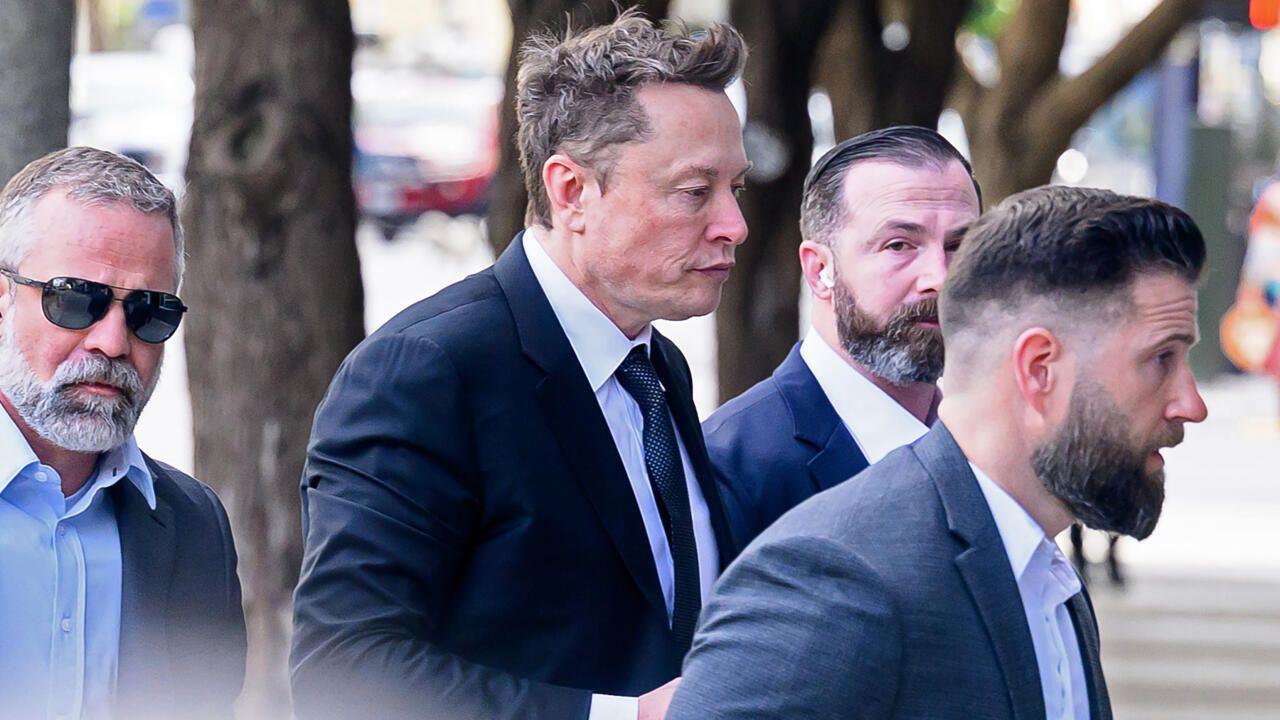
Elon Musk's newly released deposition reveals sharp attacks on OpenAI's safety practices as his lawsuit heads to trial. The tech executive claims xAI better prioritizes AI safety, pointing to lawsuits alleging ChatGPT led users to suicide while asserting no such incidents occurred with Grok—despite his own AI facing investigations over non-consensual images.
A fake AI-generated review of Resident Evil Requiem appeared on Metacritic before being removed. The review was written by a non-existent author named Brian Merrygold with an AI profile image labeled as a ChatGPT file. VideoGamer, the site that published it, had recently laid off its editorial staff to pivot to AI-generated content, raising serious questions about content quality control at major review aggregators.
AI music generator Suno announced it has reached 2 million paid subscribers and $300 million in annual recurring revenue, up from $200 million just three months ago. Despite this rapid growth, the company faces ongoing copyright infringement lawsuits from major record labels, though Warner Music Group recently settled and signed a licensing deal. The expansion highlights tensions between AI innovation and intellectual property rights in music.
Google has unveiled Nano Banana 2, officially known as Gemini 3.1 Flash Image, marking a significant upgrade to its popular AI image generator. The new model delivers Pro-level results with faster image generation speeds and becomes the default across all Gemini apps today. With enhanced world knowledge, character consistency for up to five characters, and improved text rendering, the release strengthens Google's position against competitors like OpenAI and Midjourney.
The Bank of Italy has filed a complaint with judicial authorities after deepfake scams featuring Governor Fabio Panetta emerged across media platforms. The fabricated videos show Panetta falsely endorsing investment products on well-known TV shows, highlighting the growing threat of AI-powered fraud targeting financial institutions and public trust.
A modder has created a browser extension for Chrome and Firefox that transforms Steam's buried AI disclosures into unavoidable pop-up warnings. While Valve requires developers to disclose AI usage, these statements typically appear near the bottom of store pages. The new tool surfaces this information immediately, though it relies on self-reported data and won't catch undisclosed AI content.
Albanian actor Anila Bisha is suing her government for €1.17 million after her AI avatar, initially created for a government e-services portal, was promoted to AI minister without her consent. The legal battle highlights critical questions about image rights and the ethical implications of AI as her likeness delivers parliamentary speeches she never agreed to perform.
Don’t drown in AI news. We cut through the noise - filtering, ranking and summarizing the most important AI news, breakthroughs and research daily. Follow topics that matter to you and stay ahead.