Share
Linkedin
Twitter
Facebook
Whatsapp
Copy Link
Adobe launched Quick Cut, a new AI video editing feature in Firefly that automatically assembles raw footage and B-roll into a structured first draft. Users describe their video goals using text prompts, and the tool edits out irrelevant parts while creating transitions. Available now in beta for Firefly subscribers starting at $10 per month, the feature targets social media creators, product reviewers, and podcasters looking to reduce editing time.
Gucci sparked controversy by using AI-generated images to promote its upcoming Milan Fashion Week show, drawing criticism for abandoning human models and photographers. Critics question how the technology aligns with the fashion house's claims of celebrating creativity and Italian craftsmanship, with some calling the content 'AI slop.'
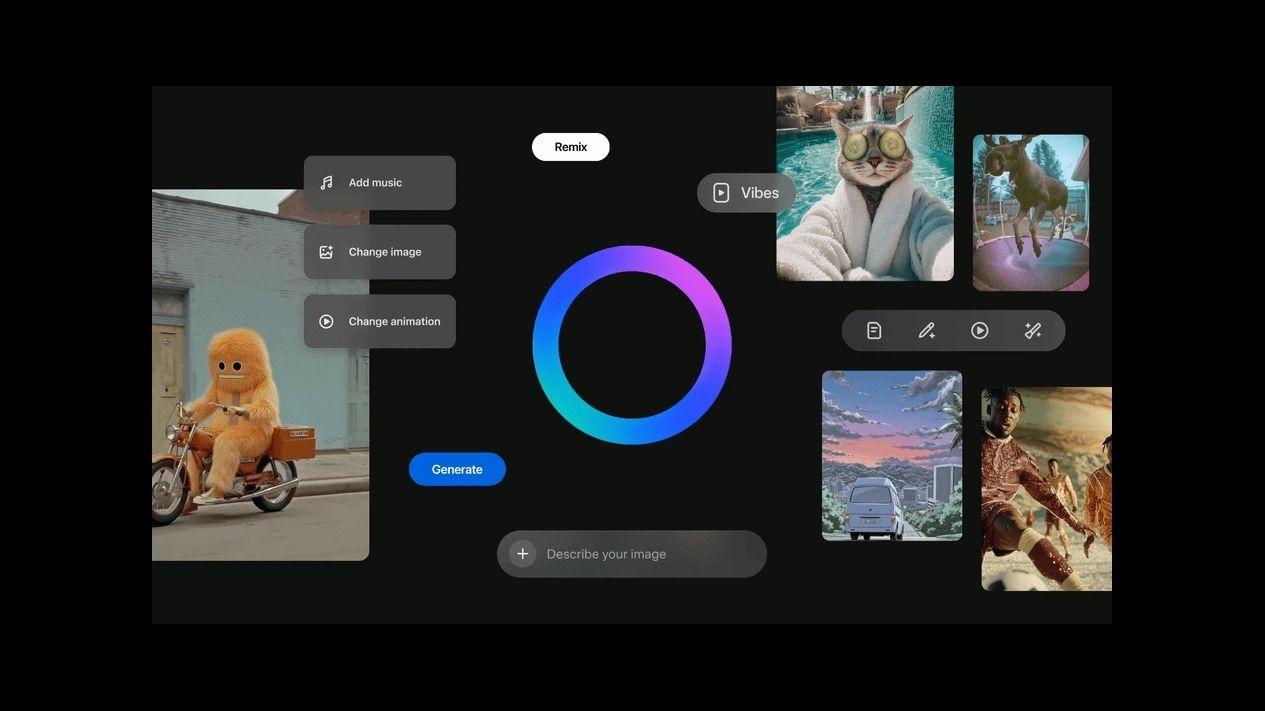
Google has acquired ProducerAI, an AI-powered music platform backed by The Chainsmokers, integrating it into Google Labs. The generative AI music tool uses Google DeepMind's Lyria 3 model to transform text and image prompts into audio, enabling users to generate beats, remix songs, and create custom soundtracks through conversational AI. The move expands Google's AI music capabilities amid ongoing copyright debates in the industry.
Steam Next Fest is facing a crisis as the February 2026 event features 3,455 demos, many containing AI-generated art and flipped assets that aren't properly disclosed. Players are resorting to popularity sorting to avoid the flood of GenAI junk, which undermines the event's purpose of promoting indie games. Even Palworld's publishing lead has publicly stated he won't check out demos with AI art capsules.
Scammers are leveraging AI to create sophisticated travel scams that even experienced travelers struggle to detect. McAfee reports a 900% surge in AI travel scams over the past year, with 1 in 5 Americans falling victim while booking travel. Traditional red flags like poor grammar have vanished as AI tools generate flawless phishing emails, fake booking sites, and deepfake voice calls that impersonate airline representatives and hotel staff.
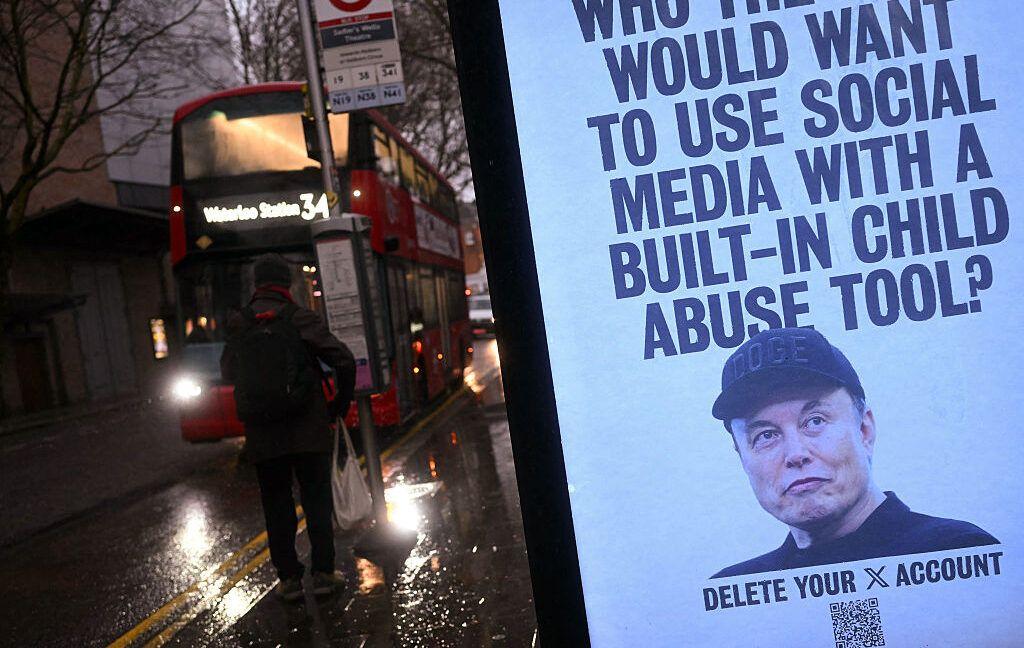
A global coalition of more than 60 privacy watchdogs has issued a stark warning to the generative AI industry: companies creating realistic synthetic images of people must comply with existing data protection laws. The joint statement, signed by regulators including the UK's ICO and Ireland's DPC, addresses growing concerns about non-consensual intimate imagery, defamatory content, and exploitation of vulnerable groups, particularly children.
The artificial intelligence revolution is transforming cinema, with 90% of film professionals already using AI tools according to a 2025 survey. While the Berlin Film Festival maintained a cautious stance, filmmakers and industry leaders voiced concerns about job displacement in film industry roles, from voice actors to technicians. The OpenAI and Disney agreement highlights AI's transformative potential, raising urgent questions about intellectual property and authorship.
Pinterest users report widespread issues with the platform's AI moderation system incorrectly flagging hand-drawn artwork as AI-modified while actual AI-generated content overwhelms their feeds. Artists say the faulty account moderation is banning users randomly and forcing them to spend hours appealing decisions, undermining their brands and wasting time they could spend creating art.
A popular Android AI app exposed over 12 terabytes of user data, including 1.5 million images and 385,000 videos, through a misconfigured Google Cloud Storage bucket. Cybersecurity researchers warn that 72 percent of AI apps analyzed show similar security vulnerabilities, raising concerns about how these rapidly deployed tools handle user privacy.
Indie game publisher Finji alleges TikTok used generative AI to modify its game advertisements without consent, creating racist and sexualized depictions of characters. Despite having AI features disabled, Finji discovered the problematic AI-generated ads only after fans reported them. TikTok's response has been inconsistent, initially denying the issue before acknowledging it but offering no clear resolution.
AMC Theatres reversed its decision to screen an AI-generated short film after online backlash, highlighting the growing war over AI in Hollywood. The Thanksgiving Day short film, which won the Frame Forward AI Animated Film Festival, was set to appear in pre-show advertising but faced immediate criticism from filmmakers and audiences concerned about the future of creativity and jobs in the entertainment industry.
Google Labs has launched Pomelli, a free AI-powered marketing tool that generates professional-quality product images from basic photos. The new Photoshoot feature uses generative AI to create studio-quality images with custom backgrounds and lighting, designed specifically for small and medium-sized businesses. While the tool offers cost-effective solutions for e-commerce sellers, it raises concerns as 58 percent of UK photographers report losing work to AI.
A viral AI video featuring Tom Cruise and Brad Pitt in a rooftop fight scene generated over 1.8 million views and triggered panic across Hollywood. But visual effects artist Aron Peterson uncovered evidence suggesting ByteDance's Seedance 2.0 used green-screen footage with stuntmen rather than creating the scene from a simple prompt alone, raising questions about AI video generation capabilities.
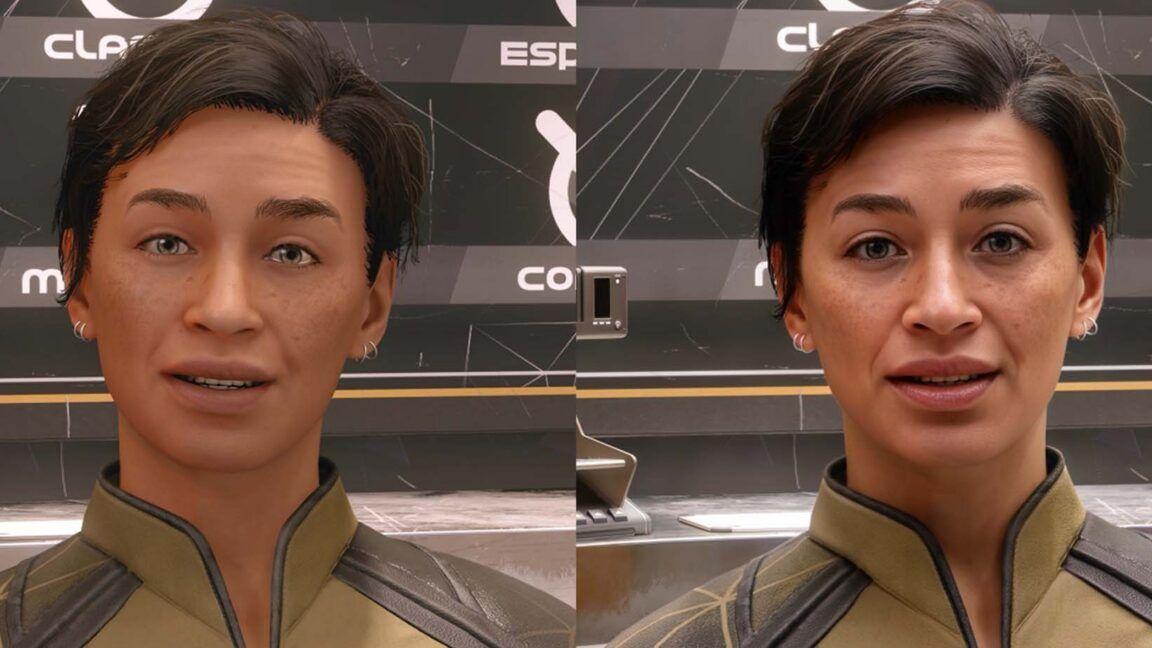
The gaming industry faces mounting tension as AI integration divides developers and players. Arc Raiders sold 12 million copies but faced criticism for AI voices, while Transport Fever 3 is reworking handcrafted character art after players mistook it for AI-generated content. With 47% of developers expecting quality decline and studios like Krafton freezing hiring for AI-first strategies, the backlash reveals deeper concerns about human creativity and the future of game development.
Viktor Orban's Fidesz party released a controversial AI-generated campaign video depicting a Hungarian soldier's execution, drawing fierce condemnation from opposition leader Peter Magyar. The 33-second video, confirmed to use Google's AI models, highlights growing concerns about artificial intelligence in political campaigns ahead of Hungary's April 12 parliamentary election.
Don’t drown in AI news. We cut through the noise - filtering, ranking and summarizing the most important AI news, breakthroughs and research daily. Follow topics that matter to you and stay ahead.