Share
Linkedin
Twitter
Facebook
Whatsapp
Copy Link
Shantanu Narayen will exit his role as Adobe CEO after 18 years, triggering a 7.5% share drop amid mounting investor concerns over the company's AI strategy. The leadership change comes as Adobe faces intensifying competition from AI-powered design tools threatening its dominant market position. Despite reporting first-quarter revenue of $6.40 billion, Adobe's shares have fallen 22% this year.
Grammarly pulled its controversial AI Expert Review feature after journalist Julia Angwin filed a class-action lawsuit alleging the company used her identity and hundreds of other writers without permission. The tool, which simulated editorial feedback from figures like Stephen King and Carl Sagan, sparked backlash over unauthorized use of individuals' likenesses for commercial gain.
Google's AI Futures Fund has invested $1 million in Animaj, an AI animation studio producing children's content for YouTube that generated 22 billion views last year. The deal includes early access to Google's Veo, Gemini, and Imagen models. However, child safety groups like Fairplay for Kids criticize the move, arguing that AI-generated videos designed for babies displace critical developmental activities and harm young viewers.
ElevenLabs announced its 1 Million Voices Initiative at SXSW, offering free AI voice restoration to people who've lost their ability to speak. The program, championed by Rebecca Gayheart Dane, honors her late husband Eric Dane, who regained his voice through the technology before his death from ALS. The initiative demonstrates how AI can be used for good in restoring communication and personal identity.
Canva has launched Magic Layers, an AI-powered feature that transforms flat AI-generated images into fully editable designs with separate layers. The tool addresses one of the biggest frustrations in AI content creation: the inability to make precise edits without regenerating entire images. Available now in public beta across the US, UK, Canada, and Australia, it works on any PNG or JPEG file.
Meta announced new AI-powered scam detection tools for Facebook, WhatsApp, and Messenger to combat rising fraud. The company removed 159 million scam ads and 10.9 million fraudulent accounts in 2025, while partnering with law enforcement to arrest 21 alleged scammers and disable over 150,000 accounts linked to scam centers.
Ben Diskin, who voiced Mega Man in the best-selling Mega Man 11, won't return for the 2027 sequel after Capcom refused to work under a union contract. Despite promises of AI protections, the actor says he can't risk working without enforceable legal safeguards. SAG-AFTRA has now issued a Do Not Work order against the project.
OpenAI is preparing to integrate its Sora AI video generation tool directly into ChatGPT, according to sources familiar with the company's plans. The move would allow millions of ChatGPT users to create videos from text prompts without switching apps. While the standalone Sora app will remain available, this integration marks a significant push toward expanding ChatGPT's multimodal capabilities.
Particle6's AI-generated character Tilly Norwood has released a music video titled Take the Lead, and the reception has been brutal. Critics are calling it the worst song they've ever heard, with lyrics defending AI's role in entertainment while the video struggles to gain traction—just 4,000 views in four hours. The release intensifies debates about AI in entertainment and whether AI creations can replace human creative workers.
YouTube is rolling out its likeness detection technology to government officials, political candidates, and journalists through a pilot program. The tool identifies unauthorized AI-generated content featuring their faces and allows removal requests. Initially launched to 4 million creators last year, the expansion aims to protect public conversation integrity while balancing free expression concerns around parody and satire.
Meta's Oversight Board issued a sharp rebuke of the company's handling of AI-generated content, calling for a complete overhaul of its detection and labeling systems. The criticism follows a fake AI video depicting damage in Haifa during the Israel-Iran conflict that garnered over 700,000 views without proper labeling, exposing critical gaps in Meta's current approach to synthetic media moderation.
X has rolled out a new button that lets users block Grok from editing images they upload to the platform. However, the feature only prevents direct tagging requests and leaves multiple loopholes open. Users can still download, screenshot, and re-upload photos to bypass the protection, raising questions about the effectiveness of X's response to regulatory scrutiny over non-consensual imagery.
Australia has activated sweeping age verification laws requiring platforms to verify user ages before granting access to pornography, R18+ games, and sexually explicit AI chatbots. The rules carry penalties up to A$49.5 million per breach, but experts warn about VPN workarounds and data privacy concerns as major porn sites block Australian users rather than comply.
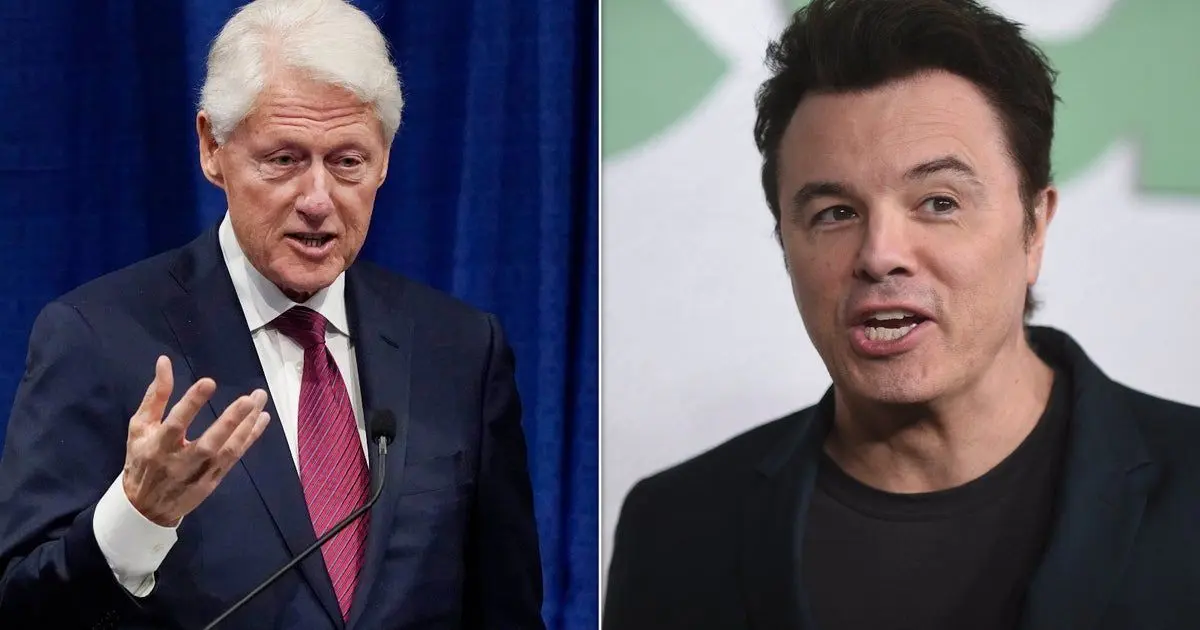
Seth MacFarlane turned to AI technology to portray Bill Clinton in Peacock's Ted series after traditional methods proved unsuccessful. The Family Guy creator's eerily accurate transformation has sparked debate about AI as a creative tool versus concerns about replacing human artists in entertainment production.
AI video generation startup Luma unveiled Luma Agents, powered by its new Unified Intelligence architecture, to handle end-to-end creative production across text, image, video, and audio. The system addresses AI's memory problem by maintaining persistent context, enabling one campaign to shrink from $15 million and 12 months to under $20,000 in 40 hours.
Don’t drown in AI news. We cut through the noise - filtering, ranking and summarizing the most important AI news, breakthroughs and research daily. Follow topics that matter to you and stay ahead.