Subscribe to our newsletter
Get the latest updates delivered to your inbox every day, and stay up-to-date for free 🧠📈
Share
Linkedin
Twitter
Facebook
Whatsapp
Copy Link
Vertical Data Inc. and Quantum eMotion Corp. have signed a Memorandum of Understanding to integrate quantum-entropy-based cybersecurity solutions into AI infrastructure deployments. The strategic partnership targets a 2026 pilot deployment across GPU clusters and edge data centers, addressing growing enterprise and government demand for quantum-resilient protection against emerging threats.
Google has filed a lawsuit against Outsider Enterprise, a China-based cybercrime operation that used the company's own Gemini AI to create fraudulent websites and send millions of scam text messages. The FBI estimates the operation stole 3.87 million credit cards and caused $1.9 billion in losses since July 2023, making it one of the largest AI-enabled phishing campaigns to date.
OpenAI announced plans to acquire Ona, formerly known as Gitpod, to strengthen Codex cloud capabilities and address enterprise security concerns around AI agents. The 79-person company provides secure cloud environments where AI agents can run long-running tasks that span hours or days, even when developers are offline. With Codex usage surging 400% and now serving over 5 million weekly users, the acquisition positions OpenAI to compete directly with Anthropic's Claude Code in the race for enterprise AI adoption.
San Francisco-based Coram AI has closed a $35 million Series B to transform security cameras into AI-powered investigators. The physical security startup, founded by former Lyft autonomy leaders, now operates across 1,500 sites and claims to have quadrupled revenues since its Series A. Its Deep Investigation software searches months of footage across hundreds of cameras in minutes, but the technology raises questions about surveillance reach.
Rubrik has introduced Agent Cloud for Anthropic's Claude Code and Claude Cowork, enabling organizations to deploy Claude-powered AI agents at scale with enterprise-grade observability control and resilience. The platform features the industry's only Agent Rewind capability to reverse unintended actions and immutable codebase recovery, addressing security gaps as AI agents autonomously write and deploy code at machine speed.
A BioCatch survey reveals that 84% of Indian banking leaders report increasing fraud losses, up sharply from 57% last year. With 90% observing more fraud attempts and 93% citing AI as amplifying sophistication, India ranks among the most impacted of 25 countries surveyed. Institutions face losses exceeding $10 million annually, while instant payment platforms like UPI create new vulnerabilities.
Visa announced a partnership with OpenAI to embed its payment network into ChatGPT, allowing AI agents to independently shop and complete transactions on behalf of users. The integration uses tokenization and fraud monitoring to secure AI-driven transactions across Visa's network of over 175 million merchants. However, experts raise security concerns about autonomous AI shopping, and only 24% of US consumers say they'd trust AI to make purchases for them.
The Trump administration has directed the Center for AI Standards and Innovation to stop publishing public reports on AI model evaluations, citing national security concerns. The move comes as officials debate how much oversight to impose on powerful AI models that could enable cyberattacks or biological weapons development, throwing the future of the government's main AI testing body into uncertainty.
The Cybersecurity and Infrastructure Security Agency issued a new directive requiring federal agencies to address the most severe cybersecurity vulnerabilities within three calendar days. The compressed timeline responds to growing concerns that hackers utilizing artificial intelligence, including models like Anthropic's Mythos, are exploiting digital weaknesses faster than ever before.
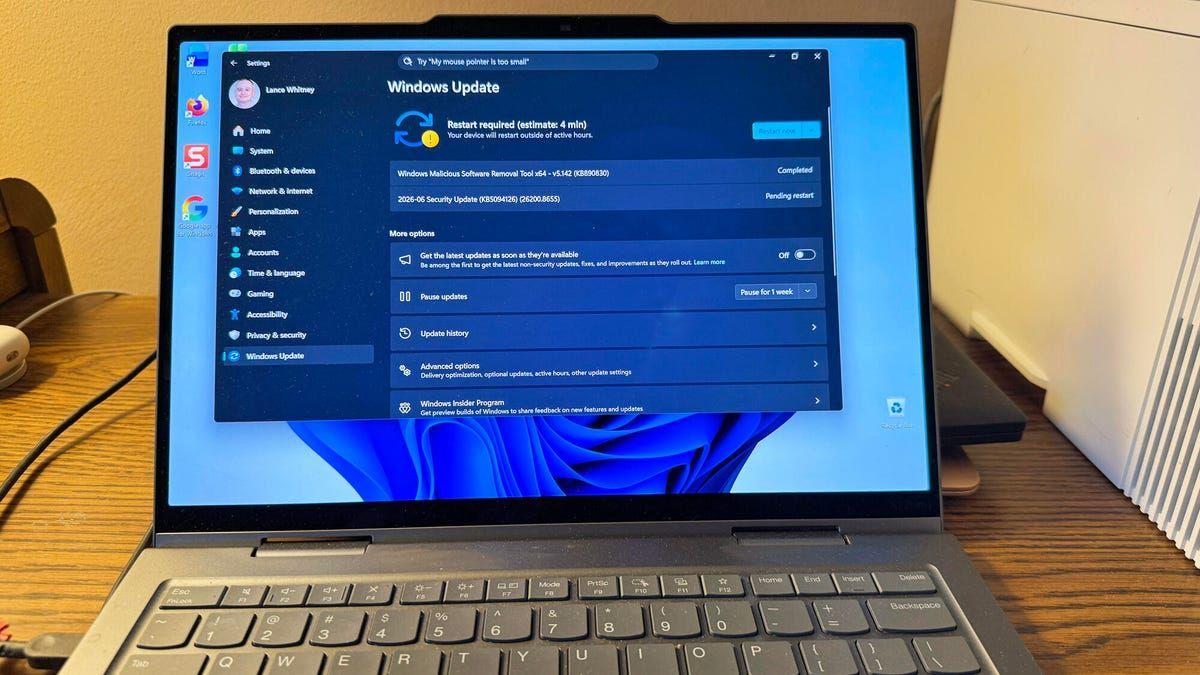
Microsoft patched a record 198 security vulnerabilities in its June Patch Tuesday update, marking the largest monthly release in recent history. The surge reflects how AI in bug discovery is transforming vulnerability research, with tools like Claude Mythos and MDASH helping researchers uncover Windows security flaws at unprecedented speed. Three zero-day vulnerabilities were publicly disclosed before patches arrived, including an HTTP.sys flaw found by OpenAI's Codex.
A Checkmarx survey of 2,350 developers and security leaders reveals 70% believe AI-generated code contains more security vulnerabilities than human-written code. Yet pressure to deploy quickly means 30% knowingly ship vulnerable code into production. With AI now accounting for nearly half of all production code, organizations face a critical gap between development speed and security oversight.
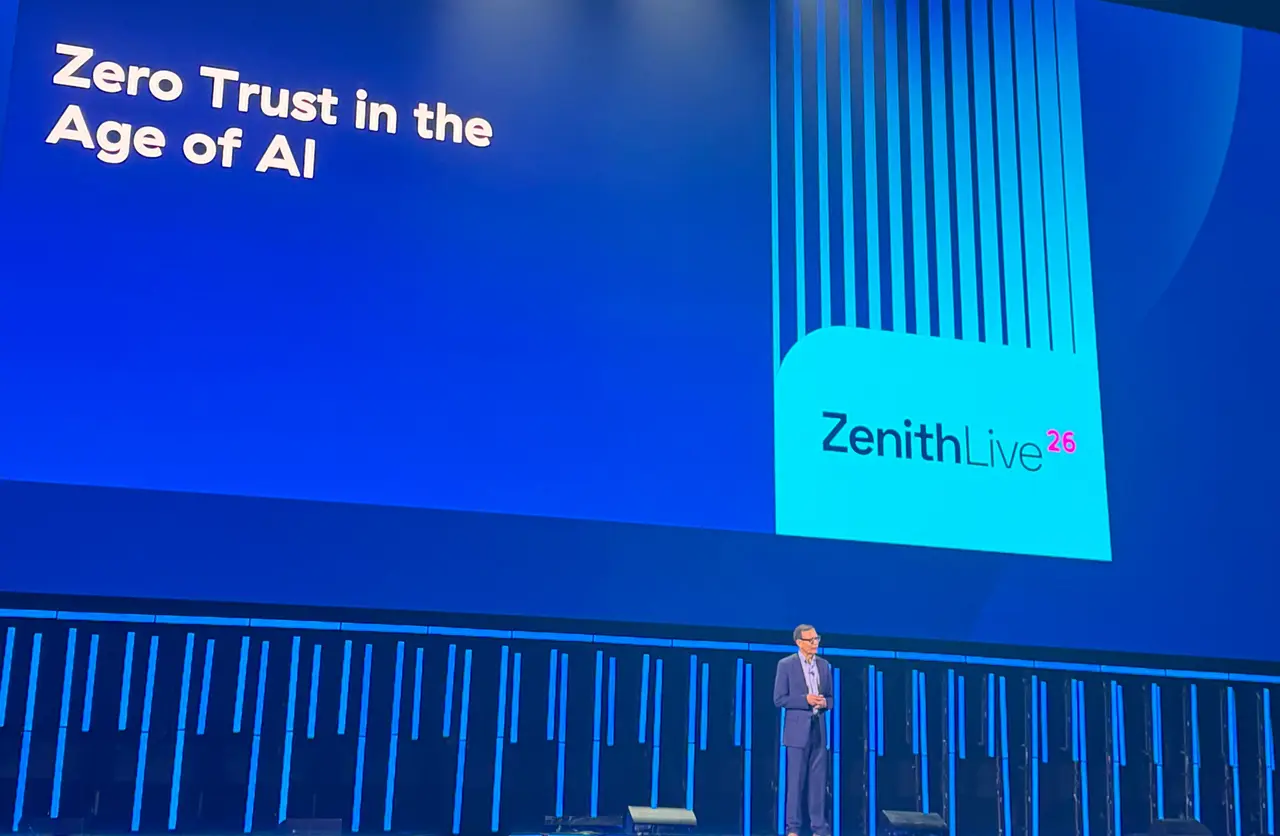
Zscaler launched AI Broker and Endpoint AI Security at Zenith Live 2026, claiming the industry's first complete Zero Trust platform for agentic AI. The new tools address how autonomous AI agents connect to networks, access enterprise data, and operate on devices—a security model CEO Jay Chaudhry says traditional tools weren't designed to handle at machine speed.
A new CrowdStrike report reveals China-linked hackers are responsible for over 58% of state-sponsored cyberattacks on technology companies, specifically targeting AI assets and intellectual property. The findings highlight an escalating AI arms race as Beijing attempts to close the tech gap with the U.S. despite restrictions on access to advanced AI training chips.
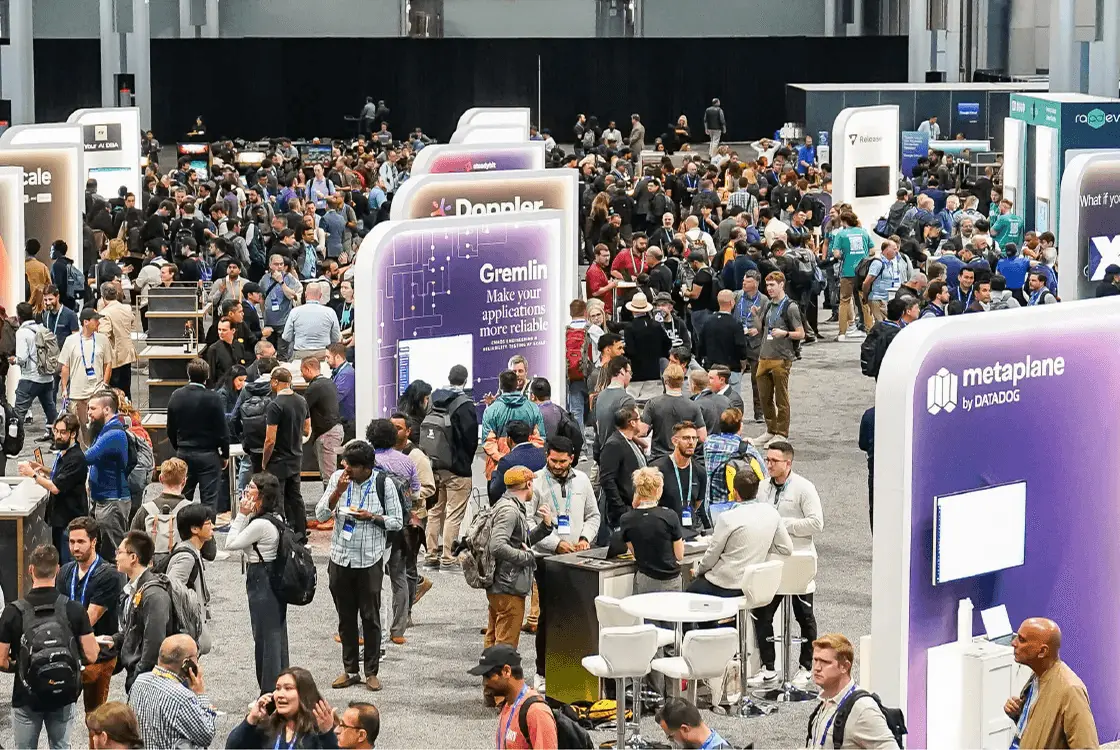
Datadog introduced over 100 new capabilities at its annual DASH conference, with major expansions to Bits AI that enable autonomous operations across the software development lifecycle. The company addresses twin pressures of AI-accelerated code generation and sophisticated security threats with deeper automation, new AI Guard protection against prompt injection attacks, and tools for custom AI agent creation.
Broadcom launches VMware Cloud Foundation 9.1, targeting production AI workloads with up to 40% server cost reduction and enhanced security. The move reflects a broader shift as enterprises bring AI closer to enterprise data, with 56% now running or planning production inference on private cloud—while public cloud use drops 15% year-over-year.
Don’t drown in AI news. We cut through the noise - filtering, ranking and summarizing the most important AI news, breakthroughs and research daily. Follow topics that matter to you and stay ahead.