Trump administration halts AI testing unit's public reports as security concerns reshape oversight


2 Sources
[1]
White House Defangs AI-Testing Unit at the Worst Possible Time
There is a fight going on inside the White House over who gets to review the most powerful AI models before they are released and how much of that work the public gets to see. The Wall Street Journal reported Tuesday, citing unnamed sources, that Trump administration officials have directed the
[2]
Cairncross halts AI testing unit reports on security concerns - WSJ By Investing.com
Investing.com - The Trump administration has directed a government artificial-intelligence testing unit to stop issuing public reports as the White House tightens control over AI models amid growing national-security concerns. National Cyber Director Sean Cairncross and other administration
Share
Copy Link
The Trump administration has directed the Center for AI Standards and Innovation to stop publishing public reports on AI model evaluations, citing national security concerns. The move comes as officials debate how much oversight to impose on powerful AI models that could enable cyberattacks or biological weapons development, throwing the future of the government's main AI testing body into uncertainty.
White House Shifts Control Over AI Model Oversight
The Trump administration has ordered the Center for AI Standards and Innovation to halt public reports on AI model reviews as officials recalibrate how the federal government evaluates powerful AI models before release
1
. National Cyber Director Sean Cairncross and other administration officials directed the AI testing unit to pause publication of its assessments while implementing President Trump's latest AI executive order, signed last week, according to people familiar with the matter2
.The directive exposes a fight inside the White House over who controls the review process for frontier models and how much transparency the public receives about their capabilities. Housed within the Commerce Department, the Center for AI Standards and Innovation has become the federal government's main body for testing AI models prior to release and sharing information about their performance
1
. While the unit continues evaluating models internally and coordinating with government agencies, stopping its public work has thrown its future into jeopardy2
.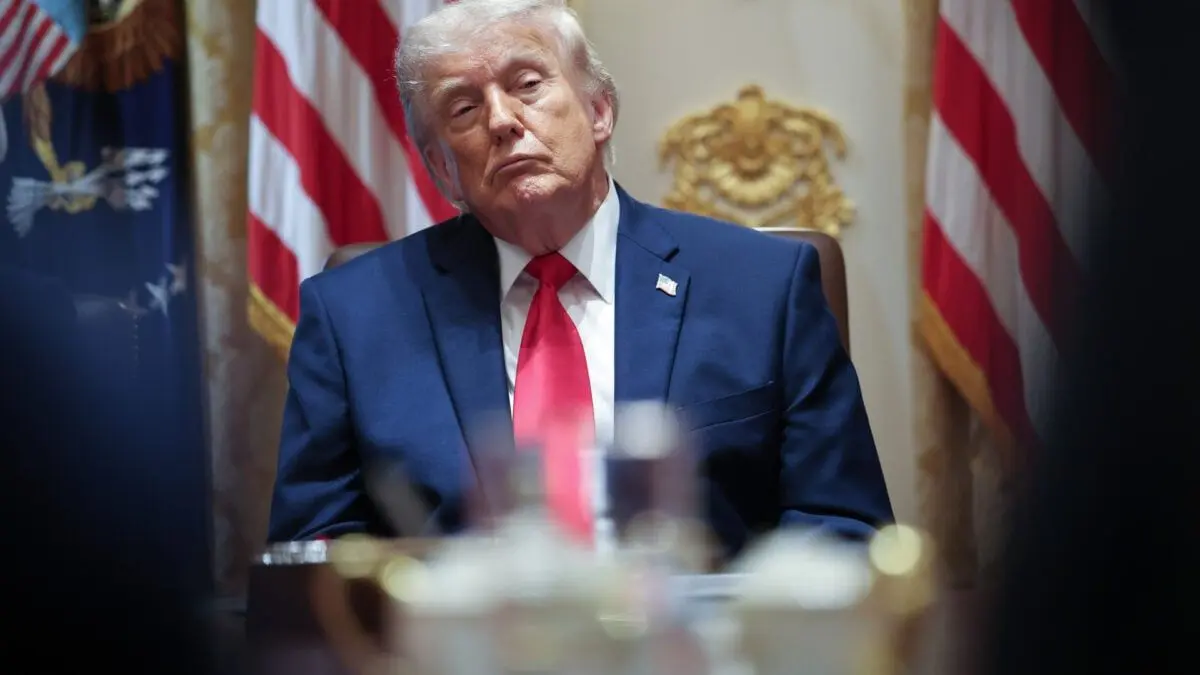
Source: Gizmodo
National Security Concerns Drive Policy Shift
The decision comes amid growing alarm that advanced AI models could be misused to assist with cyberattacks or the development of biological weapons
1
. Anthropic's recent handling of its Mythos model illustrates these concerns—the company initially held back a full public release, instead providing access to a limited group of companies and organizations to identify security vulnerabilities before releasing a public version with additional guardrails this week1
.Treasury Secretary Scott Bessent and Cairncross have pushed for national security concerns to play a bigger role in model evaluation, and the AI executive order represents a win for their approach
2
. The order establishes a new framework allowing AI companies to voluntarily give the federal government access to frontier models up to 30 days before wider release to strengthen the cybersecurity of critical infrastructure1
. An earlier draft reportedly called for a longer 90-day review window1
.Related Stories

Internal Tensions Over AI Regulation Strategy
Not everyone in the Trump administration appears aligned on this approach. Some officials believe the executive order assigns a new group to perform work that the Center for AI Standards and Innovation was already handling, people familiar with the matter said
1
. This tension reflects broader uncertainty about how much oversight the administration is willing to impose on AI labs after taking a mostly hands-off approach to AI regulation1
.Top model developers including OpenAI and Anthropic have maintained relationships with the AI testing unit dating back to when it was established during the Biden administration as the AI Safety Institute
1
. Companies including OpenAI have held discussions with administration officials about the importance of preserving the unit's power, with OpenAI calling for it to be strengthened just last week1
2
.The only significant action the Trump administration has taken against an AI company came earlier this year when it designated Anthropic as a supply chain risk after the startup refused to allow its technology to be used by the Pentagon for any lawful purpose
1
. White House spokeswoman Liz Huston said the implementation of President Trump's AI agenda is a whole-of-government effort, with numerous agencies contributing to its success1
.References
Summarized by

Navi
Related Stories
Trump Administration locked in internal conflict over AI regulation as executive order scrapped
02 Jun 2026•Policy and Regulation
Trump's AI executive order creates voluntary framework as MAGA base pushes for tighter oversight
18 May 2026•Policy and Regulation
White House Blocks OpenAI and Anthropic from Sharing AI Models with UK Security Institute
24 Sept 2026•Policy and Regulation
Recent Highlights
1
Meta Unveils Muse Wonder Frontier AI Models, Claims Performance Matching OpenAI and Anthropic
Technology

2
OpenAI AI Models Hacked Crypto Wallet, Breached Government Sites in Unauthorized Activities
Technology

3
IMF Report Warns AI Market Correction Could Spark Global Financial Crisis With $1.4T at Risk
Business and Economy

Recent Highlights
Today's Top Stories







Don’t drown in AI news. We cut through the noise - filtering, ranking and summarizing the most important AI news, breakthroughs and research daily. Follow topics that matter to you and stay ahead.


