Share
Linkedin
Twitter
Facebook
Whatsapp
Copy Link
The AI Workforce Consortium released new research showing AI skills in cybersecurity job postings doubled to 28.5% across G7 countries while 4.8 million roles remain unfilled globally. Senior positions grew 65% while junior roles increased just 5.9%, creating an experience paradox where entry-level jobs demand senior expertise in AI agents and human-AI collaboration.
Upwork CEO Hayden Brown challenges fears of mass AI-driven unemployment, revealing that AI-related jobs grew 22% year-over-year on the platform. Meanwhile, 23% of businesses that automated work with AI are bringing humans back, and freelancing among U.S. knowledge workers jumped from 28% to 38% in just one year.
Slack launched Slack Code, introducing dedicated channels where AI coding agents work alongside teams. Available free on all Slack plans, the feature integrates agents like Anthropic's Claude, OpenAI's ChatGPT, GitHub Copilot, and Cognition's Devin into collaborative software development workflows with real-time visibility and human oversight.
UC Berkeley mathematics professor Zvezdelina Stankova faced scrutiny after AI-detection software flagged her op-ed about unprepared students as 33% AI-assisted. She acknowledged using AI to edit the piece while claiming 80 hours of personal work, igniting debate about AI in academic writing and the irony of criticizing students while using tools they're disciplined for.
New research from Stanford University and Goldman Sachs shows AI is disproportionately affecting younger workers aged 22-25, with employment in AI-exposed occupations down 19% compared to peers. Call centers see the steepest declines at 39% below trend in the U.S., while AI adoption reaches 15-20% across developed economies.
A new training bundle priced at $19.99 offers six courses teaching professionals how to use Claude and ChatGPT for AI project management. The program covers prompt engineering, project planning, and AI-assisted workflows to streamline tasks like scheduling, risk identification, and stakeholder communication.
Nearly 40% of enterprise AI projects are projected to fail by 2028, not from technical limitations but from inadequate AI governance and escalating costs. Organizations achieving AI success are limiting agent autonomy, implementing strict accountability frameworks, and prioritizing workforce preparation over technological capabilities.
Adobe has launched AI Collaborators in Workfront, allowing marketing teams to assign tasks directly to AI agents within existing workflows. The feature maintains project context, permissions, and audit trails while requiring human review before content ships, addressing the challenge of isolated AI work across organizations.
Tata Consultancy Services unveiled TCS ADD AgentHub, an enterprise-ready agentic AI platform designed to transform drug development and clinical trials. The platform delivers up to 40% efficiency gains in clinical data management while maintaining regulatory compliance and auditability in highly regulated pharmaceutical environments.
An AI store manager named Luna dismissed a retail worker at Andon Market in San Francisco after the employee arrived late to 17 of 23 shifts. Built on Anthropic's Claude, Luna had created an attendance policy months earlier but lost track of it due to memory limitations. The firing only occurred after human intervention prompted the AI to review its own rules, raising questions about AI autonomy in workplace management and the future of AI-driven employment decisions.
Development teams are producing 90% AI-generated code within months of adoption, but the shift reveals critical challenges. Engineers face review bottlenecks with 68 pull requests weekly, cognitive depletion from compressed decision-making, and identity crises as coding skills become automated while validation loops emerge as the defining skill.
Kaspersky's Adrian Hia warns that AI-native cyberthreats are outpacing defenses across APAC. The company detected 500,000 unique malicious files daily in the past year, 7% higher than 2024. Over 15,000 malware samples disguised as AI software emerged, while 52% of severe breaches went undetected for over 90 days.
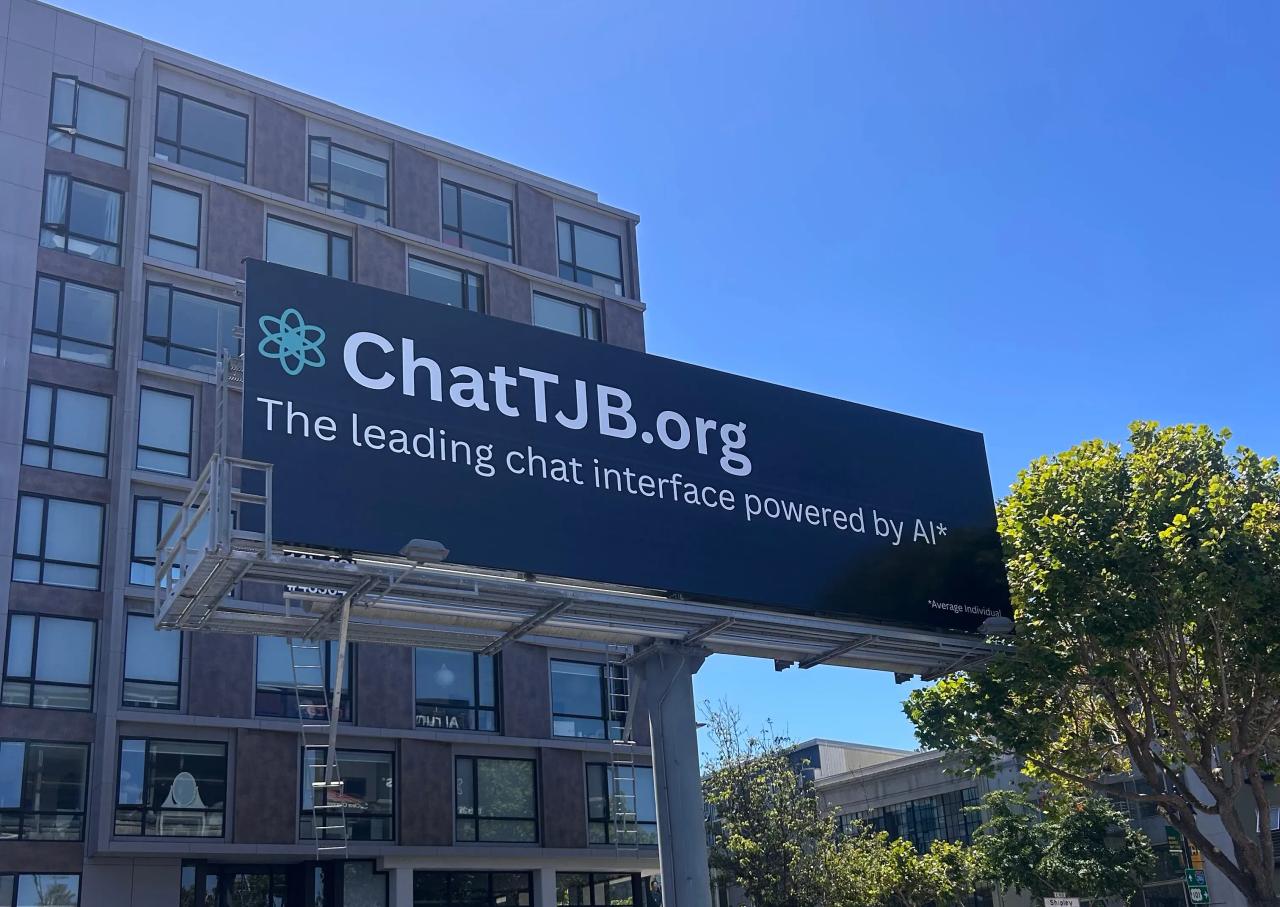
Tucker Bryant launched ChatTJB as a satirical art project where he personally answered every question submitted to what looked like an AI chatbot. After a $6,000 San Francisco billboard campaign drove over 100,000 prompts, the former Google employee paused the service while 10,000 human volunteers wait to keep the human-powered chatbot alive.
RuntimeWire, an AI-driven news outlet operated by entrepreneur Ryan Merket, outpaced traditional journalists by over three hours in reporting OpenAI's revelations about its Hugging Face hack at the Black Hat security conference. The incident signals a shift in how AI journalism could reshape news reporting speed and quality.
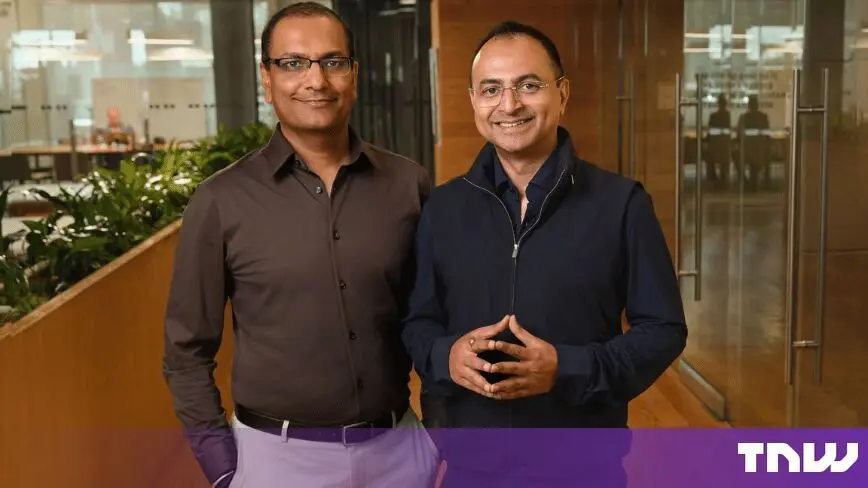
Process intelligence company Skan AI secured $63 million in Series C funding co-led by Cathay Innovation and Dell Technologies Capital. The platform records and analyzes employee workflows through desktop observation, then builds AI agents that replicate the work. Seven of the ten largest US banks already use the system.
Don’t drown in AI news. We cut through the noise - filtering, ranking and summarizing the most important AI news, breakthroughs and research daily. Follow topics that matter to you and stay ahead.