Share
Linkedin
Twitter
Facebook
Whatsapp
Copy Link
The United Nations partnered with Google to launch the UN System Data Commons, replacing the legacy UNData portal with an AI-ready data infrastructure that supports natural language queries and the Model Context Protocol. UNICEF benchmarks revealed AI models achieve only 21.2% accuracy on global development questions, highlighting the urgent need for authoritative data access.
Stanford researchers deployed 37,000 AI agents organized as a Virtual Biotech company to accelerate drug discovery. The AI co-scientists autonomously analyzed over 55,000 clinical trials and identified a promising lung cancer treatment targeting CD276 protein. Google's Co-Scientist system proposed novel cancer-fighting strategies by analyzing 700+ papers, demonstrating AI's role in scientific breakthrough.
Stanford researchers unveiled Paper2Agent, an open-source AI framework that converts scientific papers into interactive agents. Published in Nature, the tool turns static research into dynamic AI collaborators that can reproduce analyses, apply methods to new data, and even discover new connections between studies—like identifying MPHOSPH9's link to ADHD risk.
Addigy unveiled its Intelligence Suite, an AI-powered platform that helps IT teams and Managed Service Providers (MSPs) automate Apple device management while maintaining strict control over AI usage. The suite includes AI Script Assist for automation, natural language reporting, and AI compliance benchmarks to address shadow AI risks.
Miami-based Comp AI raised $34 million in Series A funding led by Roo Capital and Grand Ventures to expand its agentic AI platform beyond compliance automation into continuous cybersecurity. The startup, which grew to over 1,000 customers and achieved 15x annual recurring revenue growth since launching in January 2025, uses AI agents to automate security policies, evidence collection, and penetration testing while maintaining human oversight.
UTHealth Houston researchers developed an AI tool that performs mental health evaluations at nearly the same accuracy as psychiatric teams. The system analyzes video recordings of patients to assess conditions like schizophrenia, bipolar disorder, and obsessive-compulsive disorder across 10 diagnostic criteria, bringing AI-assisted psychiatry closer to clinical deployment.
AI in payroll is reshaping how growing businesses handle one of their most critical functions. As companies scale from 40 to 150 employees, payroll complexity multiplies with multi-location operations and varying compliance requirements. New AI-powered systems act as intelligent reviewers, flagging discrepancies early and reducing manual workload while keeping humans in control of final decisions.
AI is quietly transforming the labor market—not through mass layoffs, but by suppressing wage growth in AI-exposed occupations and reducing job openings for young workers. New research reveals a 6.7% decline in real wages since 2023 for roles most vulnerable to AI, while Gen Z workers face a 19% employment gap in AI-exposed jobs compared to their peers.
Tokyo and Chicago-based CADDi has raised $114 million in Series D funding at a $1.2 billion valuation, more than doubling from $470 million in March 2025. The AI startup specializing in manufacturing software plans to expand its manufacturing AI data platform across North America while developing proprietary AI models for engineering drawings and CAD files.
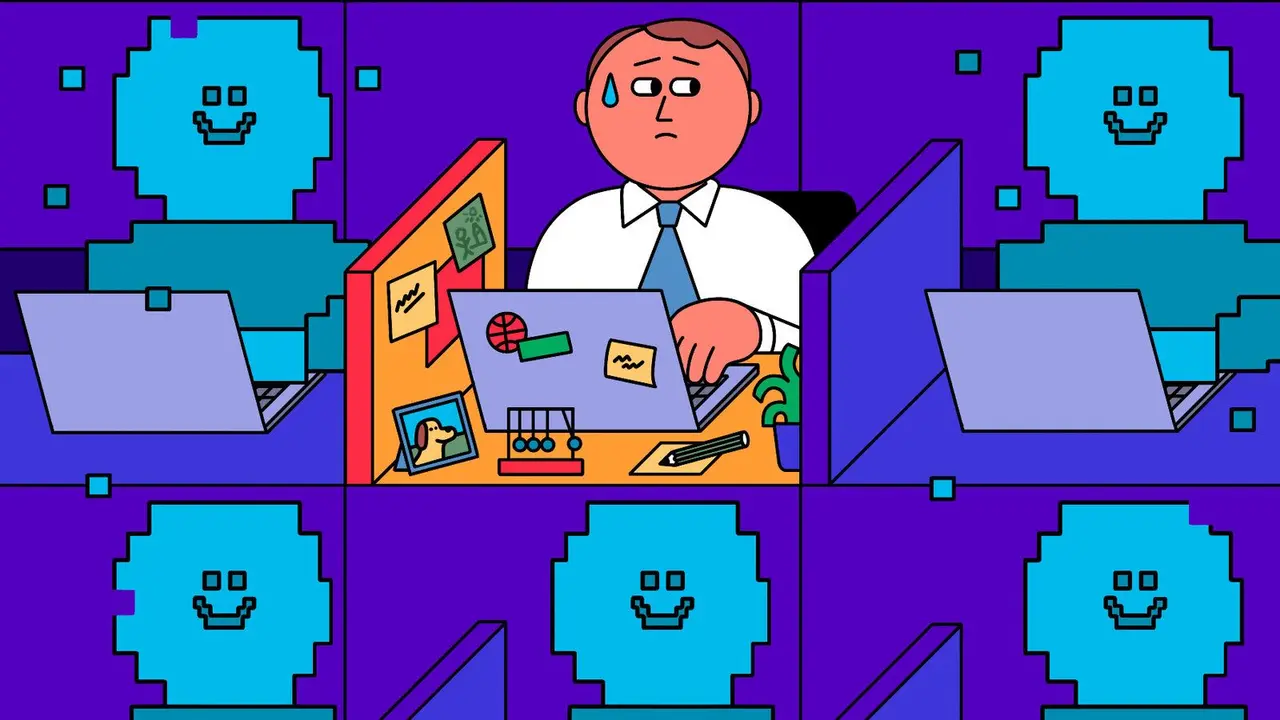
A GoTo report reveals that while AI saves workers 2.3 hours daily, 83% fear being blamed or fired for AI errors. With 60% feeling pressured to use workplace bots and only 24% of small businesses having AI policies, the lack of company guidelines is creating a trust crisis in AI-driven workplaces.
Autodesk unveiled its next-generation Autodesk Assistant at Autodesk University 2026, bringing agentic AI across its Forma, Fusion, and Flow industry clouds. The AI-powered tool addresses labor shortages and complexity in construction by automating 3D building models and connecting project data across design, manufacturing, and operations lifecycles.
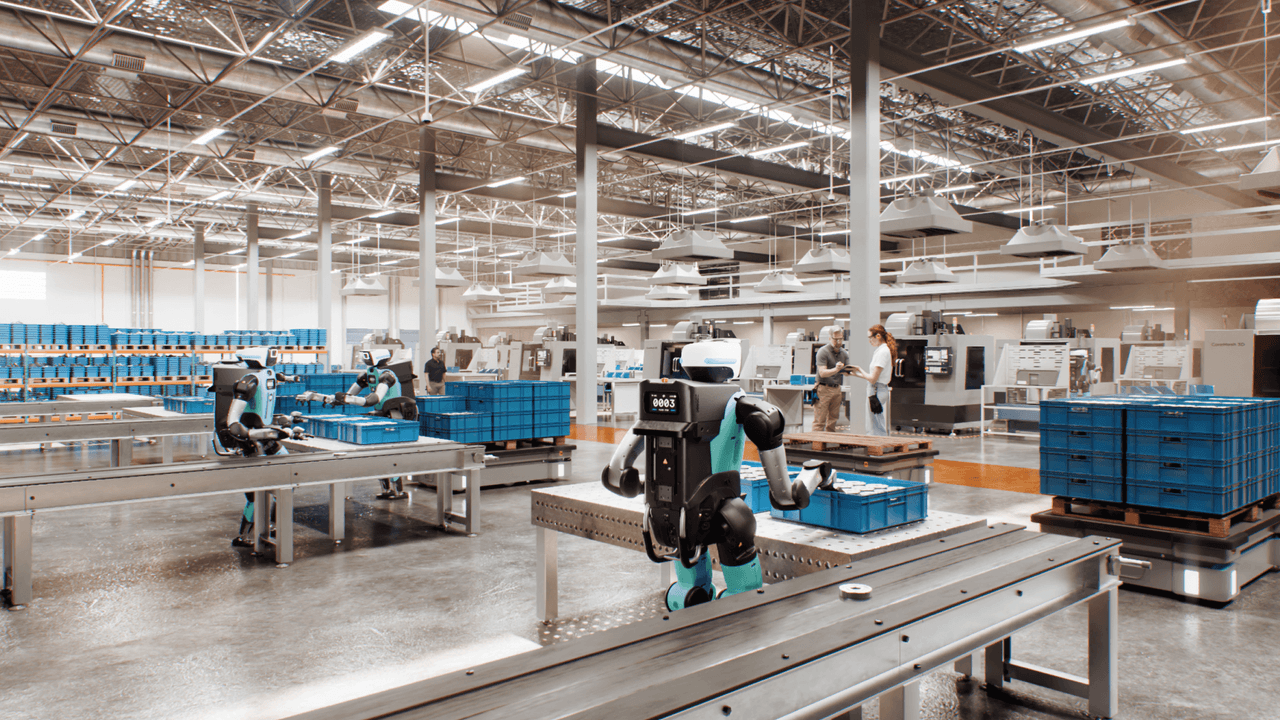
Agility Robotics launched Digit 5, its next-generation humanoid robot engineered to work safely near humans in warehouses and factories without barriers. The robot works alongside people using AI-driven safety features, lifts 50 pounds repeatedly, and has secured over $300 million in multi-year orders as of May 2026.
Leaked documents expose OpenAI's Project Lily initiative where hundreds of contractors review real ChatGPT conversations to improve AI responses. Users remain largely unaware that humans reading ChatGPT prompts can access sensitive personal information despite anonymization efforts.
Companies rushing to deploy AI agents face a critical question: where should automation end and human judgment begin? While 58% of small businesses now use AI, industry experts warn that success requires redesigning workflows around AI rather than simply adding tools to existing processes. The distinction between tasks suited for autonomous execution versus those requiring human oversight could determine competitive advantage.
The FTC's $193,000 settlement against DoNotPay highlights the urgent need for human-in-the-loop AI oversight in enterprise settings. Experts reveal why confidence scores fail, how real-time human oversight should work, and why explainability is a compliance control, not just a technical feature.
Don’t drown in AI news. We cut through the noise - filtering, ranking and summarizing the most important AI news, breakthroughs and research daily. Follow topics that matter to you and stay ahead.