Share
Linkedin
Twitter
Facebook
Whatsapp
Copy Link
Picsart has introduced an AI agent marketplace where creators can hire AI assistants to handle specific tasks like resizing social content, remixing photos, and editing product images for Shopify. With over 130 million users worldwide, the AI-powered design platform is positioning itself to compete in the growing demand for agentic AI systems that can execute tasks autonomously.
Chinese AI robotics company Galbot has taught a Unitree G1 humanoid robot to play tennis against humans with remarkable success. Using a new system called LATENT, researchers trained the robot with just five hours of motion fragments rather than complete tennis sequences, achieving up to 96% success rates in simulation. The breakthrough suggests robots can learn complex physical tasks from imperfect data.
A breakthrough brain implant for paralysis allowed two participants to type using their thoughts at speeds reaching 22 words per minute with just 1.6% error rate. The BrainGate system translates neural signals into text by decoding intended finger movements on a virtual QWERTY keyboard, bringing assistive communication technology closer to real-time conversation speeds for people with severe motor impairments.
Major studies from Swansea University and the University of Houston reveal AI functions as a creative collaborator that enhances brainstorming by 76% in novelty. However, the technology can slow experienced designers during implementation, adding 57% more time as experts revise AI-generated output to match their practiced routines.
Australian tech entrepreneur Paul Conyngham used ChatGPT and other AI tools to help create what may be the first bespoke cancer vaccine for a dog. His Staffordshire bull terrier mix Rosie showed tumor shrinkage after receiving the personalized mRNA vaccine. But experts warn the viral story oversimplifies AI's role—human researchers designed and manufactured the treatment, while chatbots primarily assisted with literature searches and data interpretation.
BuzzFeed unveiled Branch Office at SXSW, an independent spinoff company developing AI apps including Conjure, BF Island, and Quiz Party. The struggling media company, which posted a $57.3 million net loss last year and has "substantial doubt" about continuing as a business, is betting on AI-powered consumer apps to solve financial woes. But the Austin presentation met with silence and skepticism from the tech-forward audience.
Climate scientists are integrating AI into their research workflow, using large language models like ChatGPT and Gemini to answer pressing questions about temperature rise, precipitation patterns, and extreme weather. Google Research released Groundsource for flash flood prediction with 82% accuracy, while Google DeepMind tested Gemini as an AI co-scientist to assess Atlantic Meridional Overturning Circulation collapse risks 10 times faster than traditional methods.
Embark Studios has re-recorded AI-generated voice lines in Arc Raiders with professional human actors following player criticism. CEO Patrick Söderlund acknowledged a clear quality difference, stating that real actors deliver superior performance. Despite the game's success with nearly 500,000 peak players on Steam, the studio is responding to concerns about immersion while maintaining AI as a production tool for testing.
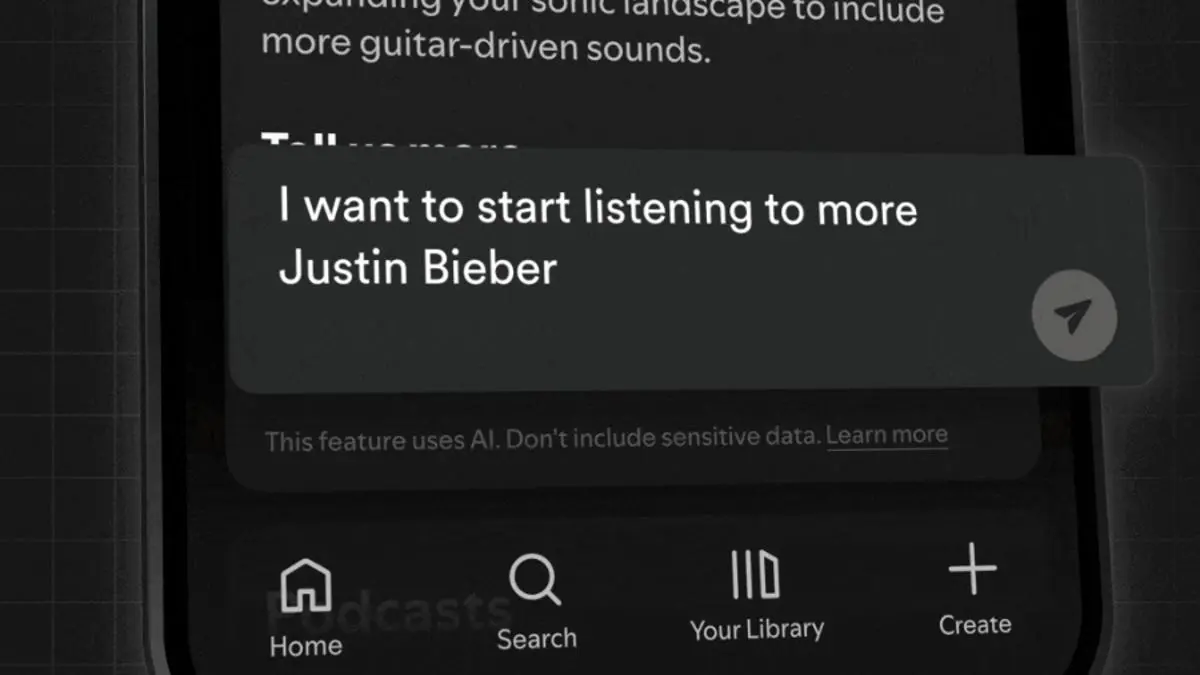
Spotify announced Taste Profile at SXSW, an AI-powered feature that lets Premium users personalize their algorithmic recommendations. Co-CEO Gustav Söderström revealed the beta will launch in New Zealand first, allowing listeners to review and customize how the app understands their music taste across genres, artists, and vibes.
Robotics company Sunday has achieved unicorn status with a $165 million Series B funding round at a $1.15 billion valuation. The startup, founded by Tony Zhao and Cheng Chi, is preparing to deploy Memo, a household humanoid robot designed to handle everyday tasks like laundry and dishwashing. With beta deliveries starting in months, Sunday aims to solve robotics' biggest challenge: turning real-world home complexity into autonomous intelligence.
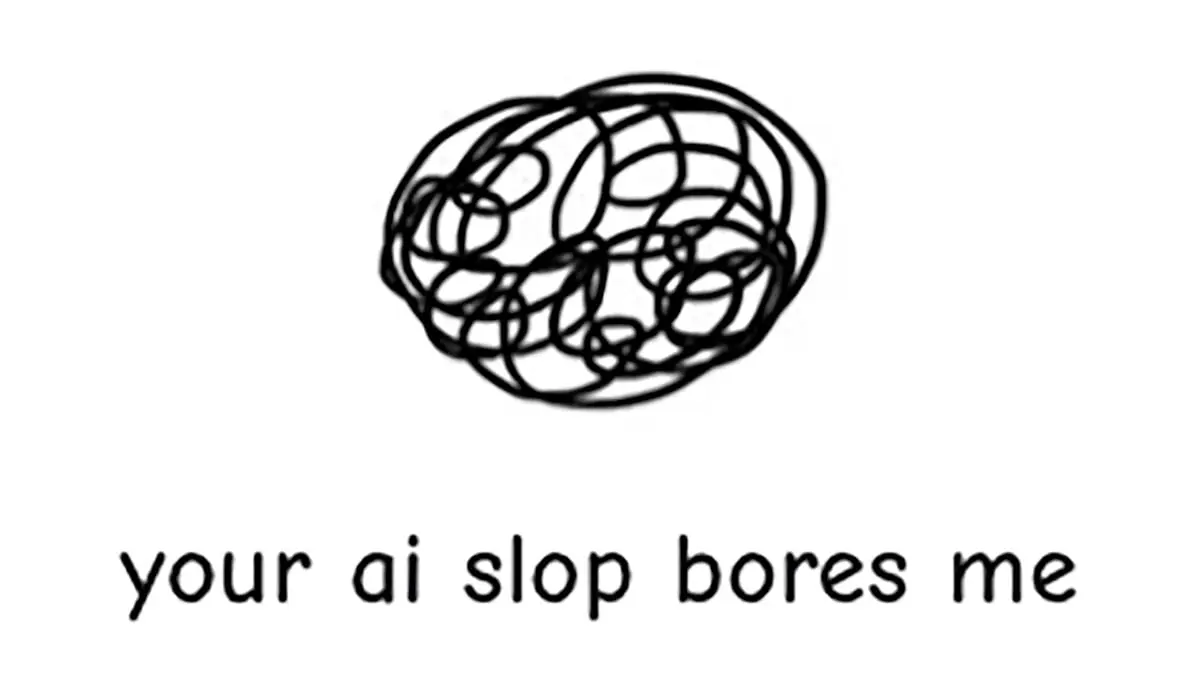
A new viral website called Your AI Slop Bores Me is flipping the script on artificial intelligence. Created by developer Mihir Maroju, the site lets real people answer prompts as if they were ChatGPT—complete with a 60-second time limit. With over 1 million unique visitors and 25,000 Discord members, it's becoming more than just a fleeting internet trend. The platform highlights growing frustration with low-quality AI-generated content while celebrating human creativity and personality.
Research published in Trends in Cognitive Sciences reveals that Large Language Models like ChatGPT are creating sameness in human writing and thinking. Scientists warn that AI influence extends beyond direct users, threatening cognitive diversity and collective intelligence as one-third of Americans now use these tools regularly.
ElevenLabs announced its 1 Million Voices Initiative at SXSW, offering free AI voice restoration to people who've lost their ability to speak. The program, championed by Rebecca Gayheart Dane, honors her late husband Eric Dane, who regained his voice through the technology before his death from ALS. The initiative demonstrates how AI can be used for good in restoring communication and personal identity.
Ford launched Ford Pro AI this week at Work Truck Week in Indianapolis, offering a free AI assistant to all U.S.-based Pro telematics subscribers. The system analyzes over 1 billion data points daily to help fleet managers monitor seatbelt use, fuel consumption, and vehicle health while reducing operational costs. Built on Google Cloud, the tool targets a business division that generated $66.3 billion in revenue and $6.8 billion in net income during 2025.
Open-source maintainers face an unprecedented wave of AI-generated security reports flooding their inboxes. While tools like Anthropic's Claude Opus 4.6 discovered over 500 zero-days in initial testing, the cURL project saw legitimate bug reports drop to just 5% as AI slop overwhelms volunteer teams. Some projects have shut down bug bounty programs entirely, while others search for ways to filter quality submissions from automated noise.
Don’t drown in AI news. We cut through the noise - filtering, ranking and summarizing the most important AI news, breakthroughs and research daily. Follow topics that matter to you and stay ahead.