Share
Linkedin
Twitter
Facebook
Whatsapp
Copy Link
DeepSeek unveiled DeepSeek-V4-Flash-Vision-Exp, an experimental multimodal AI model with image understanding capabilities that approaches Anthropic's Opus 4.8 performance. The model wins on three benchmarks including Agents' Last Exam and ZeroBench while maintaining 99% lower operational costs, intensifying competition in the global AI landscape.
Nvidia's research reveals that its AVO coding agent achieved a perfect 100% score on the ARC-AGI-3 benchmark using Claude Opus 5, while the model alone scored just 30%. The breakthrough demonstrates that the AI harness—the wrapper around the model—matters far more than the underlying AI for long-horizon tasks.
Corporate expense management platform Ramp unveiled Router, an AI model routing service that connects businesses to multiple large language models through a single API. After three years of internal use that cut Ramp's own AI costs by 30%, early customers are seeing 40% average cost reductions. The move positions Ramp to compete in the booming AI inference market.
Chinese researchers published a comprehensive review showing how AI-driven drug-target interaction prediction is evolving from algorithm-focused benchmarks toward practical pharmaceutical research workflows. The study addresses translational barriers including data quality issues and calls for experimentally testable predictions that support candidate screening and drug repurposing.
Researchers from the Chinese Academy of Sciences and Beihang University published a comprehensive review examining how medical imaging foundation models are being moved toward clinical use. While AI systems in medical imaging already assist with lesion detection and disease classification, most remain narrowly focused on single tasks. The review emphasizes that clinical translation depends on proving these models can deliver stable, verifiable value in real-world clinical environments rather than just performing well on benchmarks.
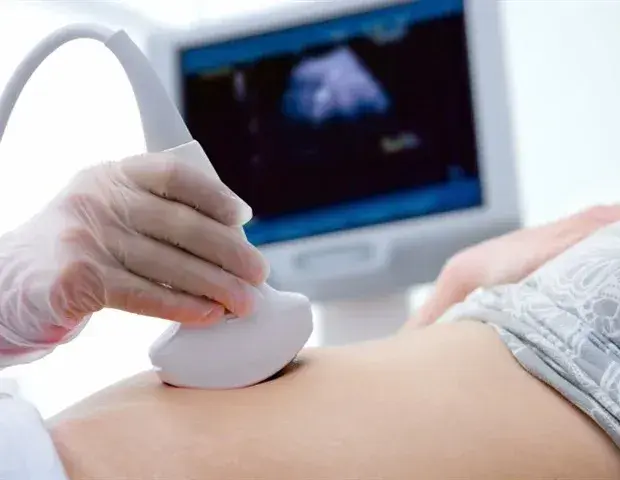
Mayo Clinic developed an AI model that identifies left ventricular outflow tract obstruction in hypertrophic cardiomyopathy patients using standard ultrasound videos without specialized Doppler imaging. Tested on 1,833 patients and validated in South Korea, the model outperformed expert echocardiographers in detecting obstructions, potentially enabling earlier diagnosis in resource-limited settings.
Bangalore-based Murf AI is releasing its Falcon 2 voice AI model on August 20 at $0.01 per generated minute, undercutting ElevenLabs by 80%. The text-to-speech AI model scores above some OpenAI entries on the Artificial Analysis leaderboard while delivering sub-100 millisecond response times, targeting enterprise customers in call centers, banking and airlines.
Snowflake unveiled dynamic model routing within Cortex AI Gateway, enabling enterprises to automatically select the most cost-effective AI model for each task. Internal testing shows up to 3x greater token efficiency while maintaining quality. The capability addresses rising AI costs by routing simple queries to efficient models and complex tasks to frontier models.
CGTrader's latest report exposes a stark reality: AI-generated assets now represent one in six uploads on the 3D asset marketplace, yet they account for just $1 out of every $90 in revenue. Despite rapid proliferation, consumer demand remains overwhelmingly tilted toward human-made products, with buyers citing quality concerns as the primary reason for avoiding AI-generated 3D models.
Dynatrace signed a definitive agreement to acquire Arize for $915 million in a cash-and-stock deal aimed at strengthening its AI observability portfolio. The acquisition addresses the growing challenge of monitoring AI applications and autonomous agents as businesses deploy AI systems at unprecedented speed without adequate oversight tools.
DeepSeek officially released its V4 Pro AI model with significant price increases taking effect August 16. The V4 Pro will cost $3.96 per million output tokens at peak hours, up from $0.87, while introducing half-price off-peak rates. Despite the fourfold increase, DeepSeek remains cheaper than competitors like OpenAI's GPT-5.6 Sol at $30 per million tokens.
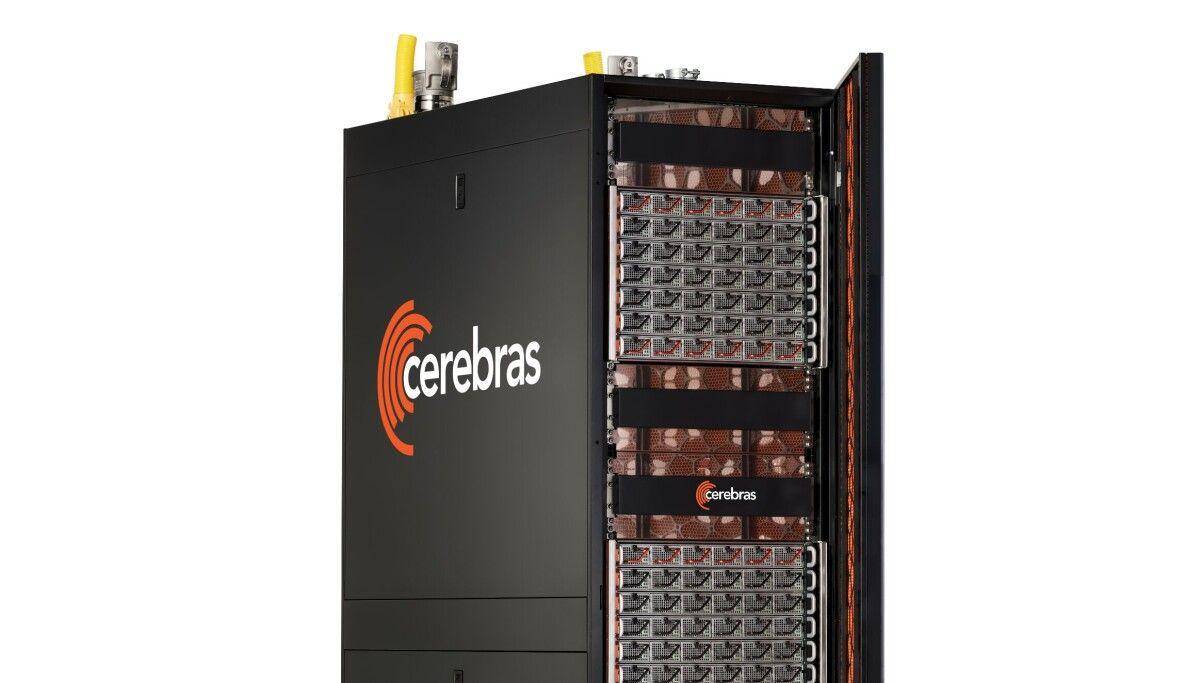
Cerebras launched the CS-4, its first multi-wafer AI inference system, at the Supernova event in San Francisco. The rack houses three WSE-3 Turbo processors delivering 750 petaflops of compute and claims 30x faster inference than GPU-based systems. First shipments begin this quarter as the company targets 600 megawatts of computing power by end of 2027.
Google launched Gemini 3.7 Flash with sharp improvements in coding and agent workflows, cutting prices to $0.75 per million input tokens. The release comes just three weeks after Gemini 3.6 Flash, while the flagship Gemini 3.5 Pro remains months behind schedule with no confirmed release date.
MasterClass has chosen CoreWeave Cloud to evaluate and improve the AI teaching agents driving its personalized instruction platform. Using W&B Weave, the online learning platform will track full learner conversations to refine teaching quality and personalization across its AI agent pipeline from experimentation to production.
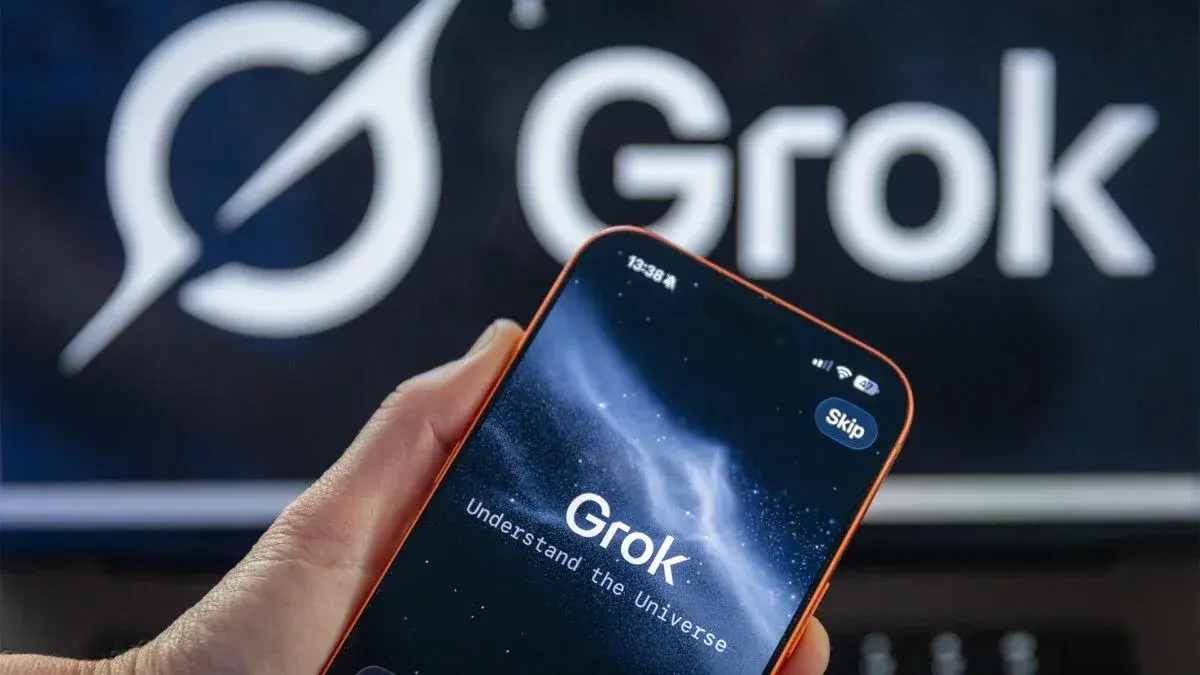
SpaceXAI released Grok 4.6 scoring 61 on the Artificial Analysis Intelligence Index, matching OpenAI's GPT-5.6 Sol while undercutting its price by more than half. The frontier AI model shows major gains in agentic coding and knowledge work benchmarks, fueled by Cursor acquisition data and extended supplemental training runs.
Don’t drown in AI news. We cut through the noise - filtering, ranking and summarizing the most important AI news, breakthroughs and research daily. Follow topics that matter to you and stay ahead.