Share
Linkedin
Twitter
Facebook
Whatsapp
Copy Link
OpenAI is preparing for a fourth-quarter 2026 initial public offering, hiring finance executives and holding talks with Wall Street banks. Valued at $500 billion but unprofitable until 2030, the company faces mounting questions about whether AI companies can justify their massive infrastructure costs. The move comes as rival Anthropic projects breaking even two years earlier.
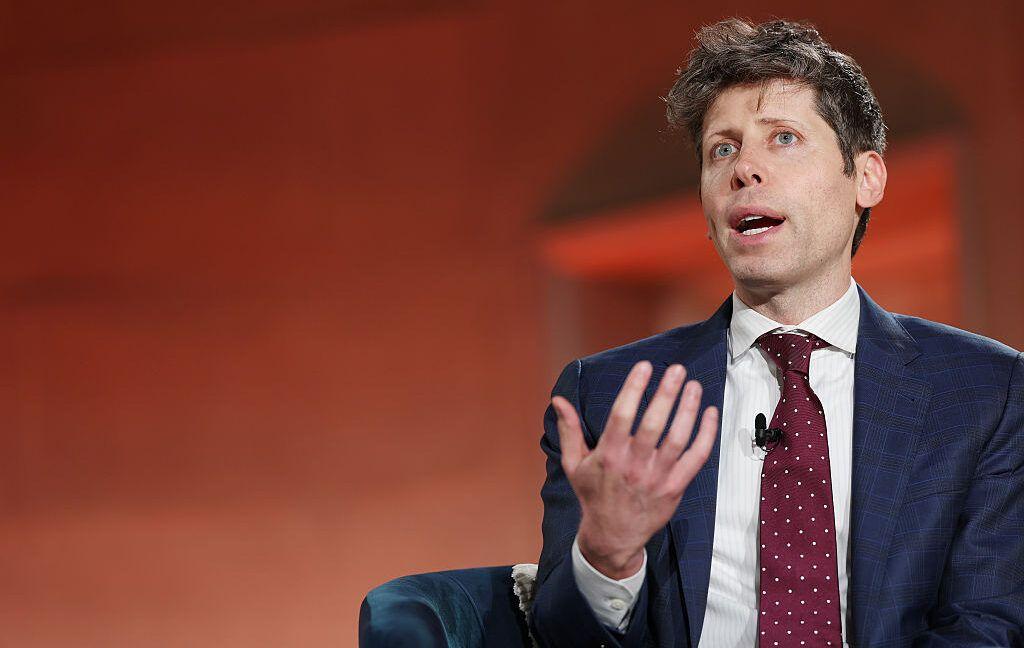
OpenAI CEO Sam Altman claims AI will introduce strong deflationary forces that could make daily expenses cheaper and increase the real value of money. Speaking at a company town hall, he argued that enhanced individual productivity through AI could invert historical economic trends—even as OpenAI burns billions quarterly and slows hiring.
OpenAI's Sora AI video creation app is struggling after its explosive October launch. App downloads dropped 45% in January to 1.2 million installs, while consumer spending fell 32% to $367,000. Competition from Google's Gemini and Meta AI, coupled with copyright infringement challenges from Hollywood studios, has dampened user interest in the once-promising AI video social network.
OpenAI announced it will retire GPT-4o and several other ChatGPT models on February 13, just two weeks after the announcement. Despite the model's beloved conversational style and warmth, OpenAI says only 0.1% of users still choose it daily, representing about 800,000 people. The company previously reversed this decision after intense user backlash but now feels confident that GPT-5.2 and new personalization features can satisfy longtime fans.
OpenAI's Sam Altman predicted 2025 would be the year AI agents join the workforce, but reality proved more complex. While programmers embraced tools like Cursor and Claude Code, enterprise AI adoption faced hurdles around trust and reliability, with concerns over AI-driven job displacement mounting as artificial intelligence was cited in over 55,000 U.S. layoffs.
Dr. Madhu Gottumukkala, acting director of CISA, uploaded sensitive government documents into the public version of ChatGPT last summer, triggering automated security alerts. The incident has sparked a Department of Homeland Security investigation into potential data exposure and raises critical questions about federal AI governance and human element vulnerability in cybersecurity.
OpenAI is developing a social media platform that requires users to verify their identity through biometric data like iris scanning or Apple's Face ID. The bot-free network, led by a small team of fewer than 10 people, aims to solve the AI bot problem plaguing platforms like X by implementing proof-of-personhood technology potentially linked to Sam Altman's Worldcoin project.
Microsoft reported $81.3 billion in revenue and $38.3 billion in net income, but Wall Street responded with skepticism. Investors worry about massive capital expenditures of $72.4 billion and the company's heavy reliance on OpenAI, which accounts for 45% of its $625 billion backlog. CEO Satya Nadella defended the strategy, citing tripled Copilot usage and 4.7 million GitHub Copilot subscribers.
Amazon is negotiating a $50 billion investment in OpenAI as part of a massive $100 billion funding round that could value the AI company at $830 billion. SoftBank is also in talks to invest up to $30 billion more, while Microsoft and Nvidia consider joining. The capital raise comes as OpenAI faces mounting costs and investor concerns about its ability to deliver returns on its $1.4 trillion in spending commitments.
Flora has secured $42 million in Series A funding led by Redpoint Ventures to expand its node-based design platform. The startup unifies multiple generative AI models from OpenAI, Google, and others into a single creative workflow, serving designers at Nike, Levi's, and Pentagram. Flora plans to scale enterprise sales and add traditional editing capabilities.
OpenAI unveiled Prism, a free AI workspace for scientists that integrates GPT-5.2 with LaTeX editing. Built on acquired platform Crixet, it aims to streamline drafting research papers and managing citations. The company receives 8.4 million weekly science queries on ChatGPT, but concerns about AI-generated research quality persist as studies show human-led work remains superior.
OpenAI co-founder and president Greg Brockman and his wife Anna donated $25 million to the pro-Trump super PAC MAGA Inc. in September 2025, representing the largest contribution in the six-month fundraising cycle. The donation highlights growing political involvement by tech executives as the Trump administration pushes pro-AI policies and seeks to dismantle state-level AI regulations.
Pinterest announced plans to lay off less than 15% of its workforce—roughly 700 employees—by late September 2026 as part of a strategic shift to AI. The company will reallocate resources to AI-focused roles while reducing office space, incurring pre-tax restructuring charges of $35 million to $45 million. Despite the AI investment push, investor skepticism sent shares tumbling nearly 10%.
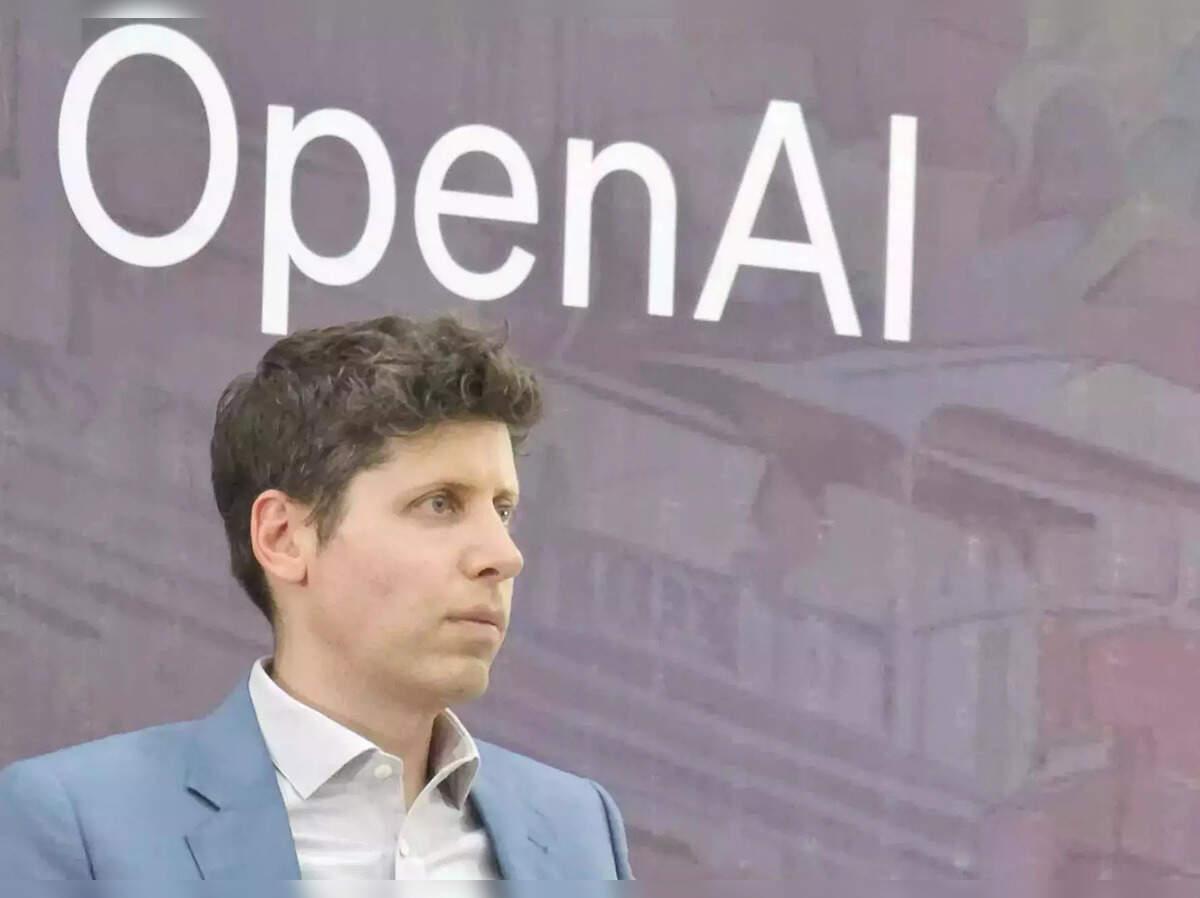
OpenAI CEO Sam Altman revealed plans to dramatically slow hiring as AI tools enable smaller teams to accomplish more work. Speaking at a town hall event, Altman emphasized avoiding aggressive hiring followed by layoffs, while acknowledging ChatGPT's writing performance declined due to focus on coding and math capabilities in GPT-5.2.
OpenAI has established a new AI for Science team led by Kevin Weil to help scientists accelerate research across mathematics, physics, chemistry, and biology. The company reports that 1.3 million weekly users now send 8.4 million messages on advanced science topics, representing 47% growth over the past year. GPT-5.2 achieves 92% accuracy on graduate-level benchmarks, though questions remain about long-term validation.
Don’t drown in AI news. We cut through the noise - filtering, ranking and summarizing the most important AI news, breakthroughs and research daily. Follow topics that matter to you and stay ahead.