Share
Linkedin
Twitter
Facebook
Whatsapp
Copy Link
The viral ChatGPT caricature trend has millions sharing AI-generated images of themselves, but cybersecurity experts warn these uploads pose serious risks. Images and personal details shared with OpenAI could be retained indefinitely and potentially exploited by fraudsters for deepfakes, impersonation, and personalized scams.
Anthropic's darkly comedic Super Bowl commercials took aim at AI chatbots with ads, and the strategy paid off. Claude jumped from No. 41 to No. 7 on the U.S. App Store, achieving its highest rank ever. Daily active users surged 11% post-game, outpacing ChatGPT's 2.7% and Google Gemini's 1.4% gains as the OpenAI rivalry intensifies.
The Federal Trade Commission has escalated its investigation into Microsoft, issuing civil investigative demands to at least half a dozen competitors. The probe examines whether the tech giant illegally monopolizes the enterprise software market through its cloud services, AI offerings like Copilot, and licensing practices that may restrict customers from using rival platforms.
OpenAI officially retired its GPT-4o model on February 13, just before Valentine's Day, leaving thousands of users who formed deep emotional and romantic attachments to the AI chatbot in distress. The decision has sparked a global #Keep4o movement, with over 20,000 petition signatures and widespread criticism of the company's handling of user dependency and mental health concerns.
OpenAI has warned US lawmakers that Chinese AI startup DeepSeek is using sophisticated distillation techniques to replicate American AI models. The company alleges DeepSeek employees developed methods to circumvent access restrictions through obfuscated third-party routers. This practice raises national security risks and threatens the business model of US AI companies that have invested billions in infrastructure.
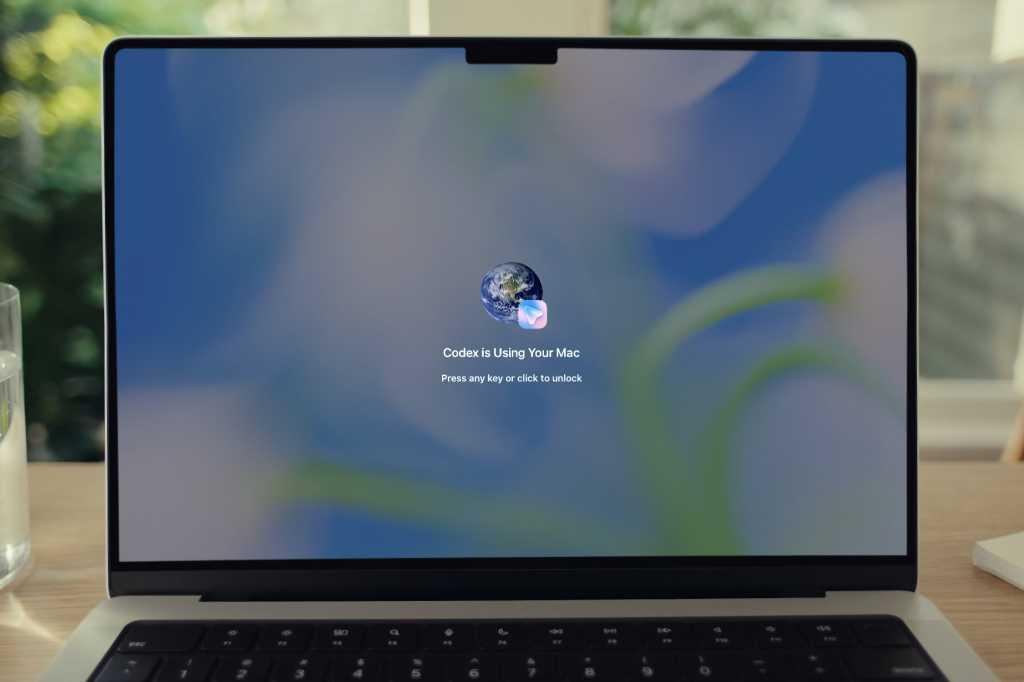
OpenAI released GPT-5.3-Codex-Spark, its first production AI model running on non-Nvidia hardware from Cerebras Systems. The lightweight coding model delivers over 1,000 tokens per second—roughly 15 times faster than its predecessor—using Cerebras' wafer-scale chips packed with 4 trillion transistors. The release marks the first milestone in OpenAI's $10 billion partnership with the AI chipmaker.
Tech entrepreneur Matt Shumer's essay comparing AI's workplace impact to COVID-19 has sparked intense debate. With over 80 million views, the post claims artificial intelligence will soon displace professional jobs, but critics argue the AI panic relies on anecdotes rather than concrete data about labor market disruption.
Anthropic reached a milestone in January, with one in five U.S. businesses now paying for its AI tools—up from one in 25 last year. The surge positions Anthropic as the fastest-growing AI tool while OpenAI maintains its lead at 36%. But this isn't a zero-sum game: 79% of OpenAI users also pay for Anthropic, suggesting businesses are willing to invest in multiple AI platforms as overall adoption reaches 47%.
SoftBank Group swung back to profitability with $1.62 billion in net income for Q3, reversing a $369 billion yen loss from the previous year. The turnaround was driven primarily by a $4.2 billion gain from its OpenAI stake, part of $17 billion in total gains from the ChatGPT-maker. The technology investor sold its Nvidia position for $5.8 billion to deepen its focus on AI infrastructure and private AI platforms.
The Pentagon is pushing Anthropic to allow military use of Claude AI for all lawful purposes, but the company refuses to budge on restrictions around autonomous weapons and mass domestic surveillance. With a $200 million contract at stake, the Defense Department threatens to end the partnership while other AI companies show more flexibility.
Korea's mobile platform giant Kakao has announced a strategic partnership with Google to collaborate on on-device AI services and embed its technologies into Google's extended reality devices including AI glasses. The partnership will focus on optimizing Kakao's Kanana chatbot for Android while exploring new interfaces for XR form factors.
Anthropic has upgraded Claude's free tier with features previously locked behind a paywall, including file creation, Connectors for app integration, and customizable Skills. The move positions Claude as a stronger competitor to ChatGPT, especially as OpenAI recently introduced ads to its platform. Users can now create Word documents, PowerPoint presentations, and spreadsheets while connecting to external services like Google Workspace and Canva.
A former OpenAI researcher resigned this week citing concerns that ChatGPT ads could manipulate users, drawing parallels to Facebook's privacy erosion. Meanwhile, Perplexity walked away from advertising entirely, stating that ads fundamentally conflict with user trust in AI. The moves highlight a growing industry divide over how AI companies should monetize their services.
A grassroots boycott against ChatGPT has attracted over 700,000 supporters, with activists urging users to cancel subscriptions over OpenAI's political donations and government contracts. The QuitGPT movement highlights growing tensions between AI utility and ethical concerns, as actor Mark Ruffalo and thousands pledge to switch to alternative AI chatbots.
OpenAI has deployed a custom version of ChatGPT on the Pentagon's GenAI.mil platform, joining Google and xAI in providing advanced AI tools to the U.S. military. While the system includes safeguards for unclassified work, experts warn that user over-reliance and human error could pose significant security risks.
Don’t drown in AI news. We cut through the noise - filtering, ranking and summarizing the most important AI news, breakthroughs and research daily. Follow topics that matter to you and stay ahead.