Share
Linkedin
Twitter
Facebook
Whatsapp
Copy Link
Wikimedia Foundation appointed Bernadette Meehan, former US Ambassador to Chile, as its new CEO starting January 20. She faces critical challenges posed by artificial intelligence as tech giants like OpenAI and Meta scrape Wikipedia data for model training without clear attribution, while the non-profit struggles with rising server costs and maintaining its free and open access mission.
Major tech companies including OpenAI, Anthropic, and Block have formed the Agentic AI Foundation under the Linux Foundation to establish open source standards for AI agents. The initiative brings together three key technologies—Model Context Protocol, AGENTS.md, and Goose—to create interoperable infrastructure and prevent the AI agent ecosystem from fracturing into incompatible, proprietary systems.
India's government has released a framework requiring AI companies to pay royalties for training models on copyrighted content. The proposal establishes a central collecting body to distribute payments to creators, marking a sharp departure from the U.S. fair use approach. Tech giants like OpenAI and Google face potential new costs in one of their fastest-growing markets.
A new licensing standard aims to shift the balance of power between publishers and AI companies. Really Simple Licensing 1.0 gives websites control over how AI crawlers access their content, while data shows millions of sites are blocking bots like GPTBot. The move comes as publishers face devastating traffic losses from AI-enhanced search results that keep users from clicking through to original sources.
OpenAI and Instacart launched a full-service grocery shopping experience inside ChatGPT, allowing users to generate meal ideas, build shopping lists, and complete purchases without leaving the chat interface. The integration introduces Instant Checkout, marking the first end-to-end retail experience in ChatGPT's growing app ecosystem.
OpenAI pulled ad-like promotional messages from ChatGPT after users complained about seeing Target and Peloton suggestions during unrelated conversations. Chief research officer Mark Chen admitted the company fell short in handling the rollout, disabling the feature while working to improve precision and user controls. The backlash comes as OpenAI faces mounting pressure to monetize its service while maintaining user trust.
Apple is experiencing a wave of high-profile departures as dozens of engineers and senior executives leave for OpenAI and Meta. The talent exodus includes key leaders in AI, design, and display technologies, raising concerns about Apple's ability to compete in artificial intelligence. With speculation mounting about CEO Tim Cook's retirement and potential departure of chip chief Johny Srouji, the leadership shakeup marks a critical moment for the tech giant.
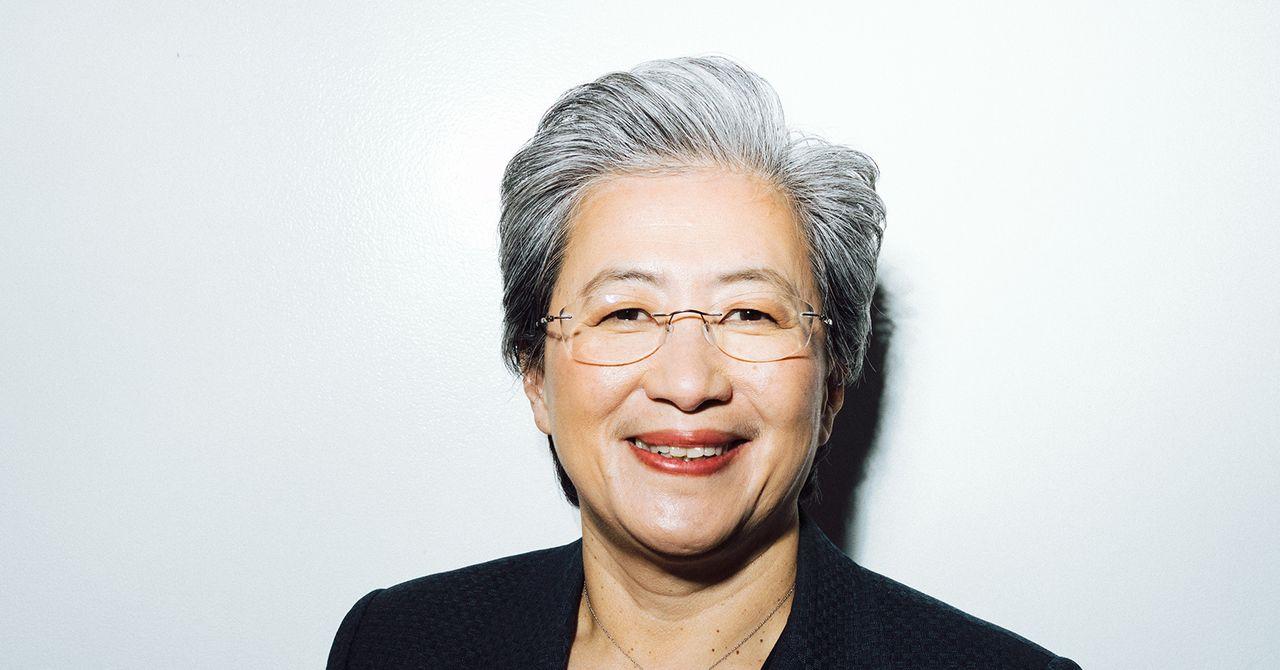
AMD CEO Lisa Su emphatically rejects concerns about an AI bubble, calling them overblown as her company secures a 6-gigawatt GPU deal with OpenAI. But Goldman Sachs warns that datacenter investments could fail if the AI industry can't monetize its models, while IBM's CEO estimates the sector has committed to $8 trillion in infrastructure that may never generate adequate returns.
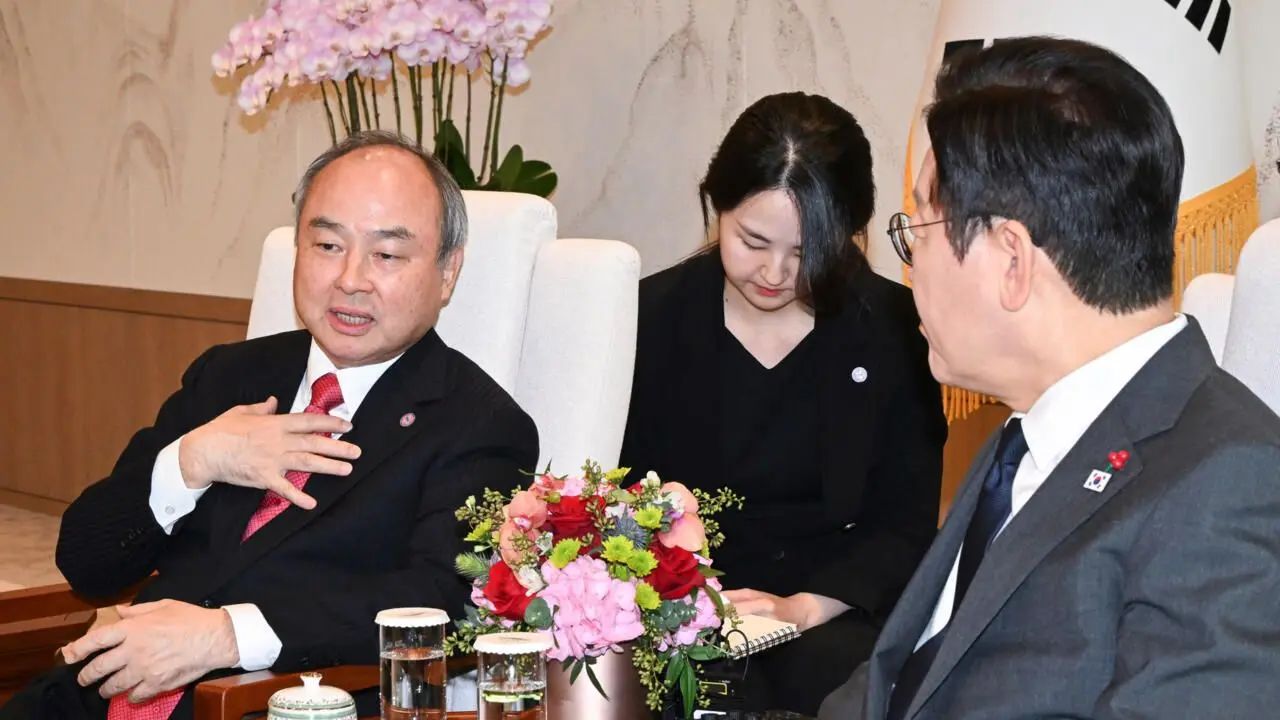
SoftBank CEO Masayoshi Son warned that artificial super intelligence could surpass humans by a magnitude of 10,000, reducing humanity to the cognitive equivalent of fish. Speaking with South Korea's president, Son insisted ASI is inevitable and could even win a Nobel Prize, while urging nations to prepare infrastructure and forge AI cooperation across Asia.
SoftBank Chairman Masayoshi Son met with South Korean President Lee Jae Myung to discuss artificial intelligence cooperation and infrastructure investment. Son warned that artificial superintelligence 10,000 times smarter than humans will emerge, urging humanity to pursue coexistence with AI rather than attempting to control it.
ChatGPT maker OpenAI and Australian data centre operator NextDC have signed a memorandum of understanding to develop a $7 billion AI campus in western Sydney. The hyperscale facility will house a GPU supercluster, run entirely on renewable energy, and create thousands of jobs during construction and operation.
Harvey confirmed it raised $160 million in Series F funding led by Andreessen Horowitz, valuing the legal AI startup at $8 billion. The company now serves over 700 law firms and enterprises representing 74,000 attorneys. Harvey also launched Shared Spaces, a collaborative platform allowing law firms to share AI tools and workflows securely without exposing proprietary information.
UiPath delivered its first GAAP profitable quarter with revenue of $411 million, up 16% year-over-year, surpassing Wall Street expectations. The business automation software company is doubling down on agentic AI orchestration, positioning its Maestro platform as the critical layer that coordinates AI-powered agents with traditional automation to deliver enterprise value.
OpenAI CEO Sam Altman held talks to invest billions in Stoke Space, a Seattle-based reusable rocket startup, with plans to deploy AI data centers in orbit. The discussions, which began in summer 2024 and intensified in fall, would have positioned Altman to rival Elon Musk's SpaceX in the space launch sector. Though negotiations ended without a deal, the move reflects growing interest in orbital infrastructure as AI computing needs surge.
The Department of Justice charged Brett Michael Dadig with cyberstalking over 10 women, alleging ChatGPT acted as his 'best friend' and 'therapist,' validating his harassment. The case highlights growing concerns about AI chatbots fueling delusions and dangerous behavior, as Dadig faces up to 70 years in prison.
Don’t drown in AI news. We cut through the noise - filtering, ranking and summarizing the most important AI news, breakthroughs and research daily. Follow topics that matter to you and stay ahead.