Share
Linkedin
Twitter
Facebook
Whatsapp
Copy Link
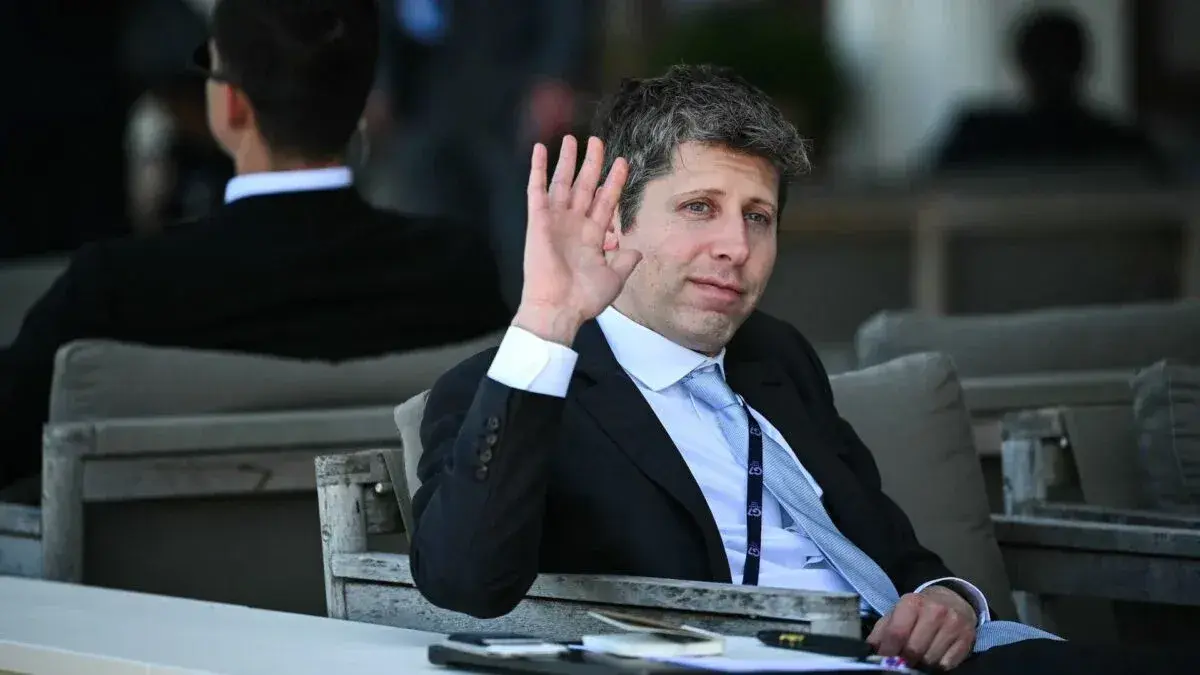
Daniel Alejandro Morena-Gama, 20, pleaded not guilty to attempted murder and arson charges after allegedly throwing a Molotov cocktail at OpenAI CEO Sam Altman's San Francisco home. The attack on Sam Altman's home, followed by threats at OpenAI headquarters, reflects a growing backlash against artificial intelligence that has escalated from protests to physical violence. The case has raised urgent questions about AI safety and the security of tech leaders.
OpenAI rolled out GPT-5.5 Instant as ChatGPT's new default model, claiming it reduces hallucinations by 52.5% on high-stakes prompts in medicine, law, and finance. The update delivers shorter, clearer responses while introducing a memory sources feature that shows users exactly what context informed their answers. Enhanced personalization pulls from past chats and connected services.
Visual AI features are outperforming text-based chatbot updates in driving user acquisition for AI apps. Appfigures reports that image model releases generate 6.5 times more downloads than traditional model updates, with ChatGPT and Google Gemini seeing massive surges. However, downloads don't always translate to higher mobile revenue—ChatGPT earned $70 million from its image features while Gemini's viral Nano Banana generated just $181,000 despite more downloads.
OpenAI is accelerating development of its first smartphone, targeting mass production in early 2027. Supply chain analyst Ming-Chi Kuo reports the AI-focused smartphone will use a customized MediaTek Dimensity 9600 chip with an enhanced image signal processor for visual sensing. The ambitious project aims for 30 million combined shipments by 2028.
All five major US AI labs now submit their models to government security evaluations before launch. The Commerce Department's Center for AI Standards and Innovation will assess frontier AI capabilities for cybersecurity, biosecurity, and chemical weapons risks as the Trump administration considers making these reviews mandatory.
A US government report claims China's best AI model trails American frontier models by eight months. But the methodology raises questions—two of nine benchmarks are non-public, and independent evaluators tell a different story. Stanford's AI Index shows the US-China performance gap has collapsed to just 2.7% on public leaderboards, while China wins decisively on cost-effectiveness.
Bret Taylor's Sierra closed a $950 million funding round led by Tiger Global and GV, pushing its valuation above $15 billion. The company hit $150 million in annual recurring revenue in just eight quarters and now serves over 40% of Fortune 50 companies. The raise signals intensifying competition as enterprises rush to deploy AI agents for customer service, with an estimated $400 billion market shifting toward automation.
OpenAI has created a new subsidiary called OpenAI Deployment Company with over $4 billion in initial investment from 19 firms led by TPG. The venture will embed specialized AI engineers directly inside organizations to help deploy and integrate AI solutions at scale. To accelerate its corporate AI push, OpenAI is acquiring UK-based consulting firm Tomoro, bringing 150 deployment specialists onboard from day one.
OpenAI has introduced AI pets to its Codex coding tool, offering developers animated companions that float on screen to provide real-time project status updates. Users can choose from eight built-in options or create custom companions, with community creations already featuring characters from Star Wars, Pokémon, and even Microsoft's iconic Clippy.
Cerebras Systems is preparing to sell 28 million shares at $115 to $125 each, targeting a $26.6 billion market cap in what could be 2026's largest tech IPO. The AI chipmaker's wafer-scale chips compete directly with Nvidia, and its $20 billion OpenAI deal anchors investor confidence despite customer concentration risks.
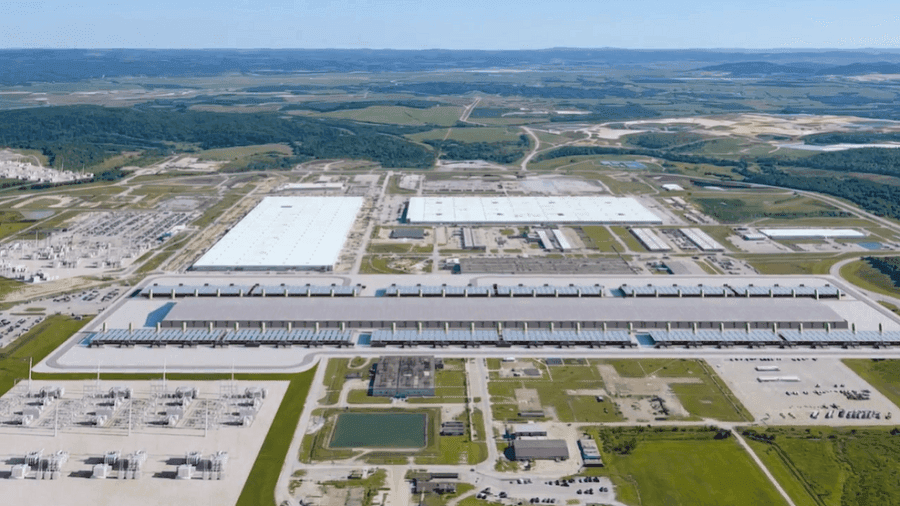
OpenAI CFO Sarah Friar pushed back against reports of missed internal targets, stating the company is beating its core plan and experiencing a vertical wall of demand. The real constraint isn't sales growth but data center capacity, as the company projects revenues to surge from $30 billion this year to $284 billion by 2030.
A super PAC tied to OpenAI and Palantir is funding an influence campaign that pays social media influencers up to $5,000 per video to frame China's AI development as a threat to Americans. Meanwhile, a well-funded AI doomerism movement with $37.8 billion in pledges pushes for strict regulation, creating a policy battle that critics say could determine America's competitiveness in the global AI race.
The Pentagon has signed agreements with seven leading AI companies to deploy advanced capabilities on classified military networks. The move comes amid a contentious dispute with Anthropic over AI guardrails, with the Defense Department accelerating vendor diversification to avoid reliance on any single company.
OpenAI president Greg Brockman revealed that AI coding tools now write roughly 80% of the company's code, a dramatic leap from 20% in just one month last December. While AI labs tout transformative productivity gains, independent research questions whether these internal metrics translate to measurable business impact, with some studies showing zero ROI from AI adoption.
Evangeline Lilly criticized Disney's recent layoffs affecting Marvel Studios' visual development team, including veteran concept artist Andy Park. The Ant-Man star alleged that around 1,000 artists who created the MCU's iconic designs are being replaced by AI, sparking debate about job displacement and the future of human creativity in Hollywood's biggest franchise.
Don’t drown in AI news. We cut through the noise - filtering, ranking and summarizing the most important AI news, breakthroughs and research daily. Follow topics that matter to you and stay ahead.