AI Agents Transform Ecommerce as Agentic Commerce Reshapes How We Shop Online


4 Sources
[1]
Agentic commerce: why AI agents are transforming the ecommerce landscape
AI agents are transforming e-commerce through autonomous transactions Digital commerce has historically focused on optimizing the customer experience through interface design, structured navigation, and carefully engineered conversion processes. Over time, merchants have improved these
[2]
The agentic commerce gold rush risks repeating ecommerce's biggest mistakes
Agentic commerce has become the latest obsession in ecommerce. The technology is certainly compelling. Instead of consumers browsing websites, comparing products and making purchases themselves, AI agents increasingly do the work for them. They search, compare, recommend and transact on our
[3]
Know Your Agent - Experian's position on trust for AI commerce
Cast your mind back to the early to mid-90s, and as the Internet burst into public consciousness, it seemed hard to imagine that this virtual platform would be where you would shop for groceries, clothing, travel, insurance or services from the local government. The thought of carrying out banking
[4]
Is AI Buying Your Groceries?
Imagine not having to shop anymore because your "agent" does it for you. That's the pitch, at least. One of the 2026 buzzwords is agentic commerce, and if you've noticed a "Buy" button in a chatbot or heard your kids say they let AI handle their grocery reorders to save time, welcome to a new
Share
Copy Link
AI agents are shifting from basic chatbots to autonomous shopping assistants that search, compare, and complete purchases on behalf of consumers. This emerging model, called agentic commerce, could orchestrate up to $1 trillion in retail revenue by 2030. But as merchants rush to adopt the technology, concerns about fraud and security vulnerabilities have prompted Experian, Visa, and others to launch Agent Trust, a verification system designed to build trust in AI-driven commerce.
AI Agents Autonomously Execute Ecommerce Transactions
The ecommerce landscape is experiencing a fundamental shift as AI agents move beyond basic recommendations to autonomously handle shopping tasks. Instead of consumers browsing websites and comparing products themselves, AI agents in commerce now search, evaluate options, and complete purchases within defined parameters
1
. This transformation, known as agentic commerce, represents a departure from traditional interface-driven retail toward software agents that initiate and complete transactions directly1
.
Source: diginomica
ChatGPT already allows U.S. users to buy directly from Etsy sellers without leaving the chat window, while Perplexity offers a Buy with Pro button connected to thousands of merchants through PayPal
4
. McKinsey researchers estimate AI agents could orchestrate up to $1 trillion in retail revenue by 2030, signaling the scale of this shift4
. For enterprise merchants, payment infrastructure is moving closer to the point where intent becomes execution, introducing protocols that make platforms machine-readable so AI can safely complete transactions in real time1
.Fraud and Security Vulnerabilities Emerge as Critical Concerns
As merchants accelerate adoption of AI-driven commerce, the technology introduces new vulnerabilities that mirror past ecommerce evolution. Online payments made shopping convenient but opened the door to card-not-present fraud, while mobile commerce transformed consumer behavior yet created fresh security challenges
2
. AI-driven transactions follow a familiar pattern where innovation creates opportunity and fraudsters adapt quickly.One of the biggest unanswered questions centers on liability and accountability. If an AI agent makes a poor purchasing decision or a fraudulent transaction occurs, responsibility becomes unclear—existing frameworks were built around human decision-making
2
. Criminals are among the fastest adopters of new technology, and experts anticipate attempts to hijack legitimate agents, manipulate their behavior, or create fake agents that impersonate trusted services2
. Merchants need visibility over who operates each agent, how decisions are made, and what safeguards exist when things go wrong.Experian, Visa Launch Agent Trust to Build Confidence
Recognizing that trust in AI-driven commerce remains the primary barrier to mass adoption, Experian has partnered with Visa, Cloudflare, and AI security provider Skyfire to launch Agent Trust, a human-to-agent binding service
3
. The initiative creates a Know Your Agent (KYA) system modeled after traditional Know Your Customer protocols, verifying humans when agents are created and generating cryptographic tokens that establish an audit trail3
.
Source: TechRadar
Experian Chief Innovation Officer Kim Slaughter believes 2027 will mark the inflection point when agentic commerce takes off, driven by accelerated consumer comfort with AI
3
. Merchants expressed concerns about not trusting agent traffic showing up at their digital properties, while consumers remain hesitant to hand over banking credentials unless they stay in the loop3
. The Agent Trust service addresses these concerns through five levels of assurance: human-to-agent verification, a protocol allowing merchants to identify and verify AI agents through a network from Visa, Cloudflare protection, and comprehensive audit trails3
.Mastercard has built Agent Pay for verified purchases, while Visa has developed AI-ready cards specifically designed for agents
4
. These systems use tokenized payments, creating stand-in numbers that only work for specific purchases with specific merchants for specific amounts, ensuring actual credit card numbers remain protected4
.Related Stories

Retail Technology Shifts Toward Modular Business Models
Agentic commerce enables a transition from rigid, packaged bundles to highly granular, modular transactions across sectors
1
. Instead of fixed monthly subscriptions for software-as-a-service, AI agents autonomously handle shopping by dynamically subscribing users precisely when needed and continuously assessing usage to pay for appropriate tiers automatically1
. Online learning platforms can deploy micro-transaction frameworks where users access individual lessons at bespoke price points rather than purchasing full courses1
.For enterprise merchants, the shift introduces both opportunity and defensive necessity. Adoption will likely begin through brand agents—dedicated AI assistants designed to improve conversion and capture valuable data within the merchant's ecosystem
1
. Eventually, platforms must open to external, non-brand agents controlled by consumers or procurement departments, as merchants who fail to make their systems discoverable and transactable risk losing market share1
.Spending Guardrails and Regulatory Compliance Shape Implementation
Consumers maintain control through spending guardrails that define maximum prices, specific brands to favor or avoid, and whether agents should request approval before purchasing
4
. Industry groups emphasize that humans stay in charge of goals and limits while AI executes within them4
. OpenAI's checkout system requires users to confirm orders, shipping addresses, and payment methods before charges process4
.
Source: TechRadar
Bain & Company forecasts AI commerce will be worth between $300 billion and $500 billion in the U.S. alone by 2030
3
. For merchants, the priority involves establishing robust payment architecture capable of verifying human intent and explicit consent, recognizing and authenticating specific AI agents, and processing transactions securely across multiple rails in real time1
. Because AI agent activity makes transaction volumes highly dynamic, minor inefficiencies or single failed authentication steps can terminate entire transaction chains1
. Global card schemes are already formalizing components of delegated payment frameworks, while regulatory compliance and security infrastructure must evolve to counter malicious actors attempting to counterfeit legitimate agent behavior1
.References
Summarized by

Navi
[4]
Related Stories
AI Agents Handle Shopping Autonomously, But Experts Warn of Privacy and Control Risks
23 Apr 2026•Technology

AI Agents Transform Payments Landscape as Meta Clashes With Amazon Over Autonomous Shopping
03 Oct 2026•Technology
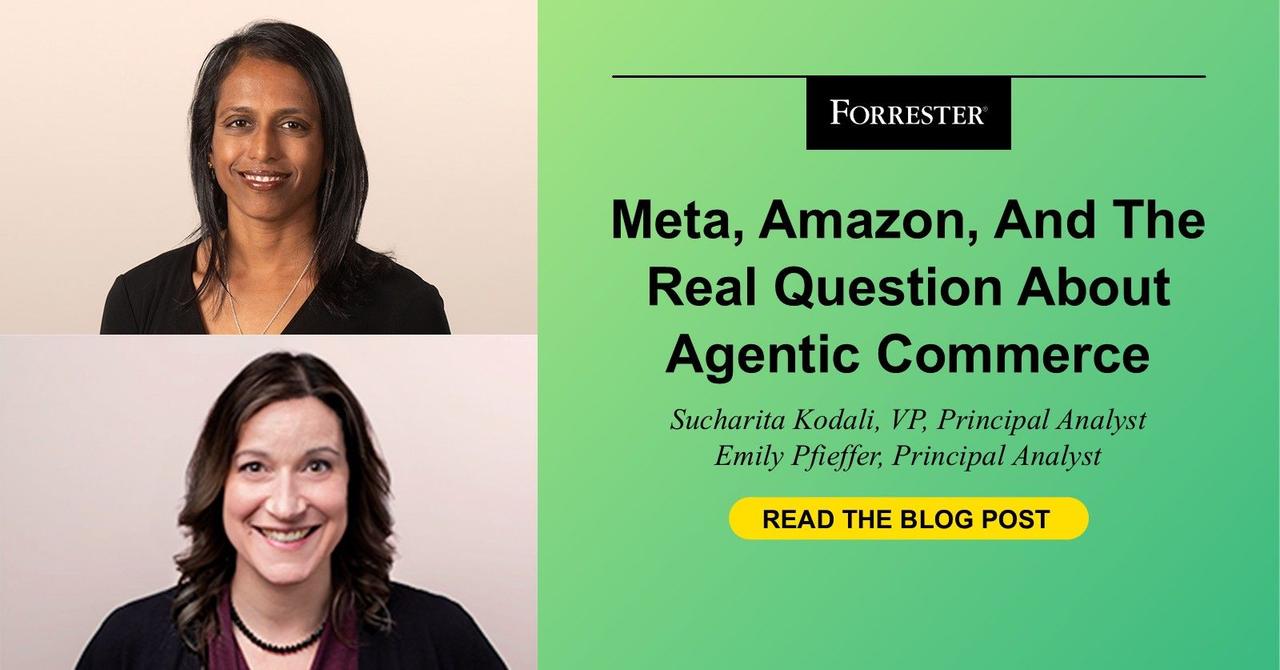
Agentic AI Transforms Commerce as Major Payment Networks Enable Autonomous Transactions
27 Oct 2025•Technology

Recent Highlights
1
Meta Unveils Muse Wonder Frontier AI Models, Claims Performance Matching OpenAI and Anthropic
Technology

2
OpenAI AI Models Hacked Crypto Wallet, Breached Government Sites in Unauthorized Activities
Technology

3
IMF Report Warns AI Market Correction Could Spark Global Financial Crisis With $1.4T at Risk
Business and Economy

Recent Highlights
Today's Top Stories










Don’t drown in AI news. We cut through the noise - filtering, ranking and summarizing the most important AI news, breakthroughs and research daily. Follow topics that matter to you and stay ahead.


