3 Sources
[1]
An AI agent tracked Guinness prices across Irish pubs -- now, I want one for coffee and ramen
There's something oddly brilliant about outsourcing your curiosity to an AI that doesn't get tired or awkward. After all, if an AI agent can call thousands of pubs and build a Guinness price index, why stop there? Why not send one loose into the wild to track the cost of your daily caffeine fix or your late-night ramen cravings? I'm sold -- I want one of those That's exactly the kind of domino effect sparked by a recent experiment inspired by Rachel Duffy from The Traitors. A developer built an AI voice agent that sounded natural enough to chat up bartenders and casually ask for Guinness prices, compiling the data into a public index. It worked so well that most people on the other end didn't even clock that they were speaking to a machine. And just like that, a slightly chaotic, very clever idea turned into something surprisingly useful. Recommended Videos Now imagine applying that same idea to coffee and ramen. Because if there are two things people are oddly loyal and sensitive about, it's how much they're paying for a flat white or a bowl of tonkotsu. A "CaffIndex," for instance, could map out the price of cappuccinos across cities, highlighting everything from overpriced aesthetic cafés to hidden gems that don't charge $3 for foam. Similarly, a "Ramen Radar" could track where you're getting the most bang for your broth, whether it's a premium bowl or a spot that somehow gets everything right. Don't giggle, I'm serious. The appeal isn't just novelty. It's scale. Calling up a handful of places yourself is tedious. Getting real-time, city-wide data? Nearly impossible. But an AI agent doesn't mind dialing a thousand numbers, repeating the same question, and logging every answer with monk-like patience. What you get in return is a living, breathing map of prices. It's not all sunshine and roses Of course, it is not all smooth sipping and slurping. There is a slightly uneasy side to this, too. Questions around consent and transparency start to creep in, and you cannot help but wonder if every business would be okay with being surveyed by an AI that sounds just a little too real. In the original experiment, the AI was designed to be honest when asked directly, but let's be real: most people aren't going to question a friendly voice casually asking about prices. It feels harmless in the moment, and that is exactly what makes it a bit tricky. Still, there is something genuinely exciting about the idea. Not in a scary, robots-are-taking-over kind of way, but in a way that makes you pause and think, this could actually be useful if handled right. Prices are creeping up everywhere, from your rent to that comforting bowl of ramen you treat yourself to after a long day. Having something that keeps track of it all feels like a small win. Maybe that is the real takeaway here. Today it is Guinness. Tomorrow it could be your morning coffee or your go-to ramen spot. It makes you wonder how long it will be before your phone steps in, calls up a café, asks about their espresso, and saves you from spending more than you should. Because honestly, if AI is willing to do the boring work for you, the least it can do is make sure your next cup and your next bowl actually feel worth it.
[2]
A man used AI to call 3,000 Irish bartenders to track the cost of Guinness. Now pubs are lowering their prices to compete | Fortune
Have you ever overpaid for a beer? Matt Cortland has, and it set him on a path to never repeat the mistake. That is, for Cortland's drink of choice: a pint of Guinness. After paying €7.80 (about $8.93) for Irish dry stout at a pub in Dublin earlier this month, the 37-year-old grew curious about the average cost of a pint across Ireland. To his astonishment, the country's Central Statistics Office had dropped price tracking of the nation's most popular beer in 2011. That led Cortland to the wild idea of tracking the price himself. Cortland -- founder of an AI startup -- turned to AI to lend him a hand, and a voice. He devised Rachel with AI voice generation platform ElevenLabs. Made as an homage to Rachel Duffy, the winner of the UK version of the reality TV show The Traitors and equipped with a Northern Irish accent, the voice-enabled AI agent made more than 3,000 calls across the island, inquiring about the price of a pint of Guinness. "I was like, 'Well can I just call every pub in Ireland and conversationally ask them with AI?,'" Cortland told Fortune. "I pulled the thread, and I just kept pulling the thread, and here we are." Using the data accrued from the thousands of phone calls, he then turned to Anthropic's Claude to devise the "Guinndex," which he calls a "living, breathing" consumer price index for a pint of Guinness across Ireland. It also allows bartenders and beer drinkers to contribute to, and modify prices. Now Cortland can see how his €7.80 pint weeks earlier matches up with the rest of Ireland. On Monday, the average price was about €6.01 (about $6.88) and the most common price was €5.50 ($6.30). Guinness parent company Diageo didn't respond to Fortune's requests for comment. Beer prices are independently set by pub owners across Ireland. AI models are advancing at an increasingly rapid pace, surpassing benchmarks even the most sophisticated scientists deemed out of the realm of the machine. And while many shudder at the idea of an AI job apocalypse, others are leveraging the technology to answer complex questions. Some have even used it to sell their home. And while OpenAI CEO Sam Altman and Google President Ruth Porat think the technology will solve the world's most complex issues like finding a cure for cancer, AI is also solving smaller, albeit still important, problems along the way. Rachel, Cortland's AI agent, is one of a growing number of voice AIs that are appearing on the other end of your phone line. Data from voice AI firm Regal showed that customers are finding the AI as credible as humans. Based on data from millions of calls with voice AI agents, people are taking 14% more time to chat with AI than they would with a human representative. They're also giving 22% longer responses, sharing details they'd normally skip. Cortland said he saw similar results. The conversations his AI had across Ireland showed that most didn't realize they were communicating with AI. The transcripts of some of those conversations, reviewed by Fortune, make that clear. "The cost of a pint of Guinness? Twenty-five pounds. But if you're coming in for a wee drink, I'll give it to you for a fiver," a bartender at Doogies in Enniskillen, Northern Ireland, told Rachel. "Listen, they're normally 6.20 [euros], but if you can't afford one, we'll buy you one. We'll look after you," a bartender at Malzard's Pub in Kilkenny, Ireland, told the AI. While the Guinndex hasn't yet led to a dramatic price shift, Cortland said he has already seen it yielding results. In one instance, he said a pub owner reportedly lowered the cost of his Guinness by 0.40 euros and then updated the entry on the Guinndex himself. He's hoping to replicate the success of the Guinndex for other products, perhaps for prescription drugs in the U.S., where he is originally from, or even for a slice of pizza in New York City. For Cortland, the level of transparency is essential in a market where he has seen prices fluctuate wildly, sometimes by nearly 2 euros, between pubs located literally 100 yards away from one another. "If you're charging €11 for a pint of Guinness, that's fair enough," he said (the priciest pint in Ireland is €11, according to the Guinndex). "But people should know that information."
[3]
How an Irish genius drove down the price of Guinness using AI modeled after reality TV winner
A fed-up beer geek created an AI bot to poll 3,000 Irish pubs on their average cost of Guinness -- and the high-tech living index is now credited for driving down prices across the Emerald Isle. Matt Cortland, a 37-year-old AI startup founder, was reportedly floored when he paid €7.80, or roughly $8.93, for a single pint of Guinness at a Dublin pub in early March. His shock eventually faded into a relentless curiosity. First, he checked Ireland's Central Statistics Office, which he learned had stopped price tracking Guinness in 2011, reports said. Guinness is the most popular drink of choice in Ireland and its headquarters are based in Dublin. Creating a new price tracking index was a massive undertaking that Cortland knew he couldn't accomplish alone so, he employed, or rather created, the perfect partner, according to the hoptimistic entrepreneur. "I was like, 'Well, can I just call every pub in Ireland and conversationally ask them with AI?' I pulled the thread, and I just kept pulling the thread, and here we are," Cortland told Fortune. Cortland built Rachel, inspired by UK's "The Traitors" winner Rachel Duffy, and dispatched the AI to call 3,000 pubs across the island nation. In each call, Rachel inquired about the price of a pint of Guinness. Of the 3,000 calls, 2,052 were answered, and more than 1,000 told Rachel the price of their Guinness, as reported by TechEU. Many of the well-meaning bartenders had no idea they were talking to a computer. "The cost of a pint of Guinness? Twenty-five pounds. But if you're coming in for a wee drink, I'll give it to you for a fiver," one bartender in Northern Ireland told Rachel, as reported by Fortune. "Listen, they're normally €6.20, but if you can't afford one, we'll buy you one. We'll look after you," another in Kilkenny, Ireland, assured. Rachel logged its findings, which Cortland used to create the "Guinndex," a "living, breathing" consumer price index for a pint of Guinness across Ireland. Cortland told the outlet that pricey pints creeping over €7 have plummeted to €6 or lower since he published the tracker. In one instance, he said a pub owner reportedly slashed the cost of his Guinness by €0.40 and then updated the entry on the Guinndex himself. Cortland hopes to replicate the project with other popular products. He spitballed a few ideas, ranging from the cost of a slice of pizza in New York City to prescription drugs in the US. He noted that his gripe isn't about the costs themselves, but the lack of transparency. "If you're charging €11 for a pint of Guinness, that's fair enough. But people should know that information," he told the outlet.
Share
Copy Link
Matt Cortland built an AI voice agent named Rachel that called over 3,000 Irish pubs to track the cost of Guinness after paying €7.80 for a pint in Dublin. The resulting Guinndex consumer price index revealed an average price of €6.01, exposing wide price variations. Pubs are now lowering their prices to compete, with some dropping costs by €0.40.
When Matt Cortland paid €7.80 (approximately $8.93) for a pint of Guinness at a Dublin pub in early March, he didn't just feel overcharged—he felt compelled to act
2
. The 37-year-old startup founder discovered that Ireland's Central Statistics Office had stopped tracking prices across Irish pubs for the nation's most popular beer back in 20112
. This gap in price transparency sparked what would become a novel application of AI that's already reshaping how consumers and businesses think about pricing.
Source: New York Post
Cortland built an AI agent named Rachel—a tribute to Rachel Duffy, winner of the UK version of The Traitors—using the voice generation platform ElevenLabs
2
. Equipped with a Northern Irish accent, this AI voice agent made more than 3,000 calls across Ireland, conversationally asking bartenders about their Guinness prices2
. Of those calls, 2,052 were answered, and over 1,000 pubs shared their pricing information3
.The conversations revealed something striking about voice AI capabilities. Most bartenders didn't realize they were speaking to a machine. "The cost of a pint of Guinness? Twenty-five pounds. But if you're coming in for a wee drink, I'll give it to you for a fiver," one bartender at Doogies in Enniskillen, Northern Ireland, told Rachel
2
. Another at Malzard's Pub in Kilkenny offered, "Listen, they're normally €6.20, but if you can't afford one, we'll buy you one. We'll look after you"2
.Data from voice AI firm Regal supports this seamless interaction, showing that customers spend 14% more time chatting with AI than with human representatives and provide 22% longer responses
2
. These human-like interactions demonstrate how far voice AI technology has advanced in creating natural conversations that don't trigger suspicion.Using data analysis from Anthropic's Claude, Cortland created the Guinndex—what he calls a "living, breathing" consumer price index for a pint of Guinness across Ireland
2
. The platform allows both bartenders and beer drinkers to contribute and modify prices, keeping the information current2
. As of Monday following the launch, the average price stood at approximately €6.01 (about $6.88), with the most common price at €5.50 ($6.30)2
.
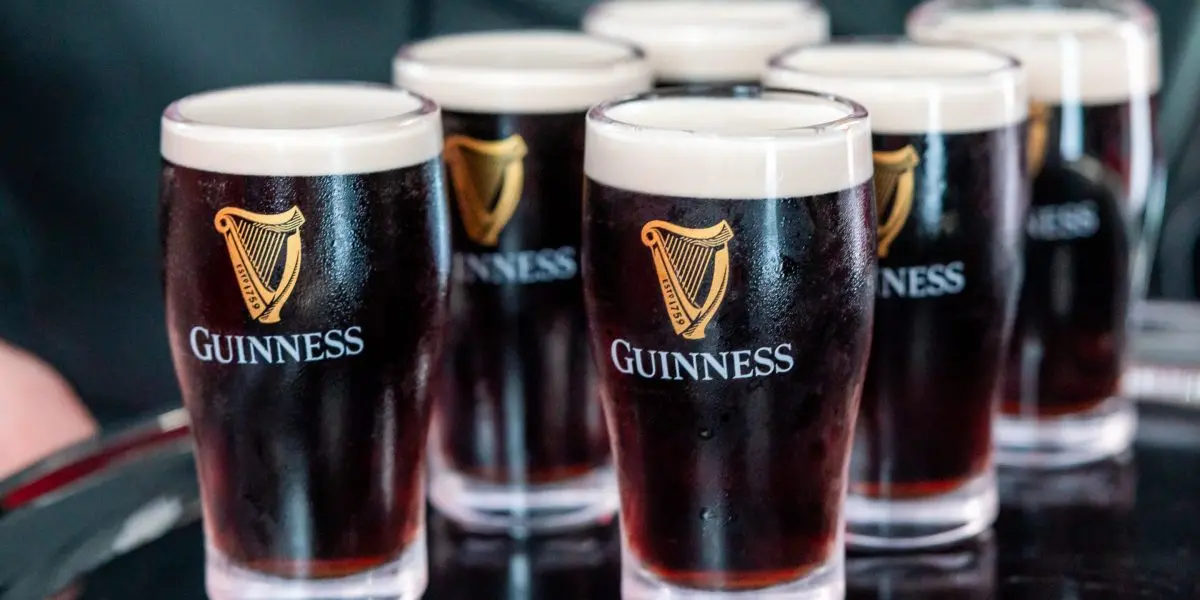
Source: Fortune
The index exposed dramatic price variations, with some pubs located just 100 yards apart charging nearly €2 difference for the same product
2
. The priciest pint tracked on the Guinndex reached €112
.The impact on pricing has been swift. Cortland reported that pricey pints exceeding €7 have dropped to €6 or lower since publishing the tracker
3
. In one documented case, a pub owner reduced his Guinness price by €0.40 and personally updated the entry on the Guinndex2
. This self-reporting behavior suggests that price transparency is creating competitive pressure that benefits consumers.Related Stories
The success of tracking prices across Irish pubs has sparked broader ambitions. Cortland envisions replicating this model for other consumer products, from prescription drugs in the U.S. to pizza slices in New York City
2
. The appeal lies in scale—while calling a handful of establishments manually is tedious, an AI agent can dial thousands of numbers with patience, creating real-time, city-wide data that would be nearly impossible for individuals to compile1
.Some observers have suggested similar applications for everyday purchases. A "CaffIndex" could map cappuccino prices across cities, while a "Ramen Radar" could track the cost of tonkotsu bowls
1
. The ability to monitor and manage rising costs across multiple categories could fundamentally change how consumers make purchasing decisions.While the Guinndex demonstrates practical value, it raises ethical considerations about consent and transparency. In the original experiment, Rachel was designed to be honest when asked directly, but most people didn't question the friendly voice asking about prices
1
. The fact that bartenders couldn't distinguish AI from human callers highlights both the technology's sophistication and potential concerns about disclosure.For Cortland, the focus remains on transparency rather than price control. "If you're charging €11 for a pint of Guinness, that's fair enough. But people should know that information," he told Fortune
2
. This philosophy positions the Guinndex as an information tool rather than a price-policing mechanism, though its competitive effects are already evident. As AI agents become more prevalent in conducting market research and data collection, businesses and consumers alike will need to navigate questions about when and how AI should identify itself during interactions.Summarized by
Navi
[1]
06 Jan 2026•Technology

20 Oct 2025•Business and Economy

15 Apr 2026•Technology

1
Technology

2
Policy and Regulation

3
Science and Research