AI calorie-tracking apps miss up to 345 calories per meal, NIH study reveals


2 Sources
[1]
Your AI calorie-tracking app may be off by 345 calories
In a test of four photo-based apps, researchers found that calorie and fat estimates were about one-third too low on average. How AI Estimates Calories From Food Photos Photo-based calorie tracking relies on AI image recognition to identify the foods shown in a picture and estimate the size of
[2]
Photo-Based Calorie-Tracking Apps May Underestimate Energy in Meals | Newswise
Study examining four AI-powered apps found that calories and fat content were underestimated by roughly one-third Newswise -- National Harbor, Md. (July 25, 2026) -- Thanks to advances in AI, popular calorie-tracking apps can now use a photo of a meal to estimate the nutritional content of what
Share
Copy Link
AI calorie-tracking apps are underestimating meals by hundreds of calories, according to new NIH research. A study testing MyFitnessPal, LoseIt!, CalAI and Appediet found calorie underestimation ranging from 250 to 345 calories per meal, with fat content off by about 30 grams. The findings raise questions about the reliability of photo-based calorie tracking for people managing their health or trying to lose weight.
AI Calorie-Tracking Apps Face Accuracy Crisis
AI calorie-tracking apps that promise effortless nutrition monitoring through simple food photos are significantly underestimating what users actually consume, according to new research from the National Institutes of Health. In a rigorous evaluation of four popular AI-powered photo-based calorie-tracking apps, researchers discovered calorie underestimation ranging from 250 to 345 calories per meal on average, with fat content missed by approximately 30 grams
1
. The findings were presented at NUTRITION 2026, the flagship annual meeting of the American Society for Nutrition, held July 25-28 in National Harbor, Maryland2
.
Source: ScienceDaily
Aaron Hengist, a postdoctoral visiting fellow with the Intramural Program of the National Institute of Diabetes and Digestive and Kidney Diseases (NIDDK), emphasized the significance of these results. "Photo-based calorie tracking apps are very popular, especially for people trying to manage their health or lose weight," Hengist noted. "However, the accuracy of many of these apps has not been thoroughly evaluated. Our study helps address this question by looking at whether these apps can reliably estimate calories"
1
.Testing Photo-Based Calorie Tracking Against Precise Standards
The study leveraged meals prepared in a controlled metabolic kitchen at the NIH Clinical Center, where ingredients are measured to the nearest 0.1 gram. This meticulous preparation provided researchers with an exceptionally accurate reference point for evaluating app performance. Olivia Charles, a postbaccalaureate intramural research training fellow at NIDDK who presented the findings, and her team collected standardized photographs of 102 meals originally prepared for a broader nutrition study investigating how the body processes nutrients on either a low-carbohydrate ketogenic diet or a standard diet
1
.These images were submitted to MyFitnessPal, LoseIt!, CalAI and Appediet to determine how closely each app's estimates matched the known nutritional content. "By using meals prepared in a tightly controlled metabolic kitchen, we were able to compare the apps' estimates against a precise reference," said Hengist. "This kind of direct, high-quality comparison hasn't been available before"
2
.Understanding the Limitations of AI-Based Calorie Tracking
Photo-based calorie tracking relies on AI image recognition to identify foods shown in a picture and estimate portion sizes. The app then compares those estimates with nutrition databases to calculate calories and other nutrients
1
. However, the study revealed significant inconsistencies. MyFitnessPal and LoseIt! demonstrated better accuracy when analyzing higher-calorie meals compared to lower-calorie ones, while all four apps produced more consistent estimates for carbohydrates than for other macronutrients1
.Preliminary findings from testing more than 200 additional meals suggest that apps struggle particularly with ketogenic diets. These meals often contain more fat, which the apps tended to underestimate consistently
1
. This pattern matters significantly for users following specific dietary protocols where macronutrient ratios are critical.Related Stories

What This Means for Health-Conscious Users
The research carries immediate implications for millions who rely on these tools for weight management and health monitoring. "People using a photo-based tracking app without adjusting the portions or entering the amounts of food should take the results with a grain of salt," Hengist advised. "These apps tend to underestimate calories, especially from fats, so what they actually ate is likely higher than what the app shows"
2
.For users attempting to create a calorie deficit for weight loss, this underestimation could explain unexpected plateaus or slower-than-anticipated progress. Someone believing they've consumed 1,500 calories might have actually eaten closer to 1,800 or more. The researchers suggest combining photo-based tools with traditional methods of evaluating food intake and diet quality could make calorie tracking more accurate in everyday use
1
. While these findings are preliminary and have not yet completed full peer review for publication in a scientific journal, they highlight a critical gap between the convenience of AI-powered nutritional estimation and the precision required for effective health management.🟡 compliments and suggestions=References
Summarized by

Navi
[1]
Related Stories
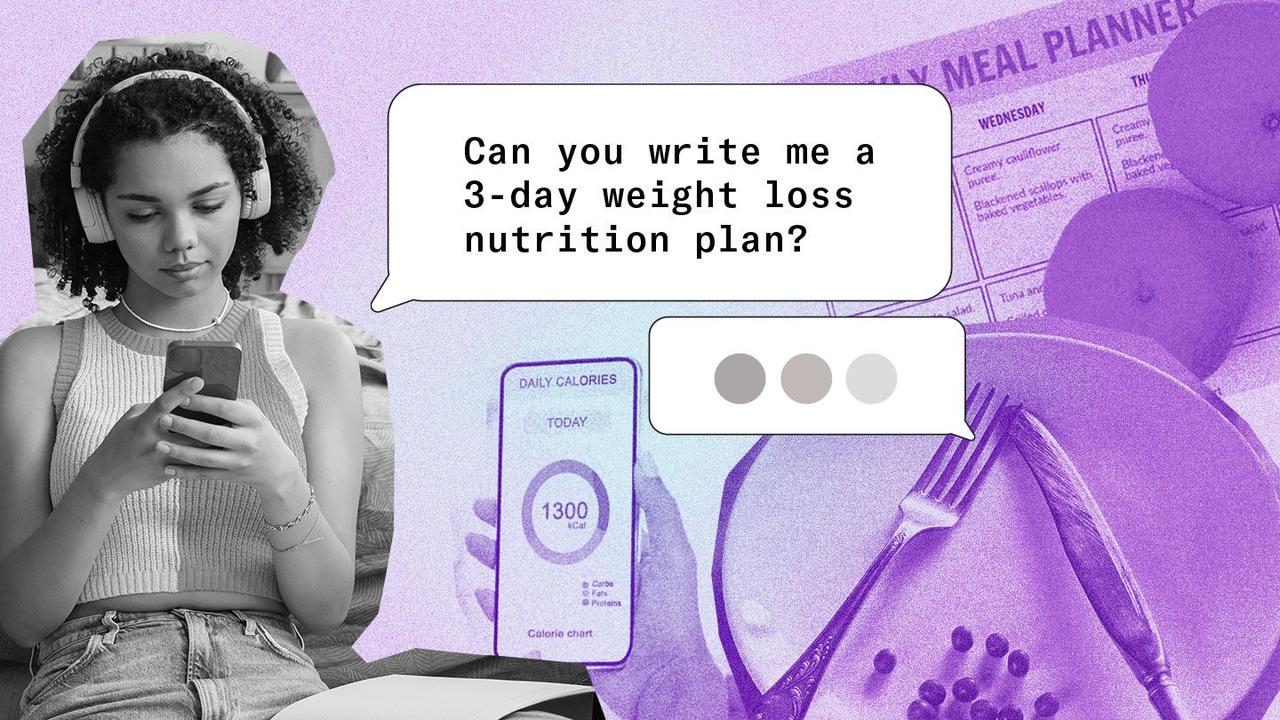
AI meal plans for teens cut 700 calories daily, risking stunted growth and eating disorders
12 Mar 2026•Health
Google PhotoScan AI Tool Estimates Body Fat Using Smartphone Camera, Beats Wearables
20 Aug 2026•Health
AI-Powered Bite Tracking: A New Frontier in Childhood Obesity Prevention
21 Oct 2025•Health
Recent Highlights
1
Meta Unveils Muse Wonder Frontier AI Models, Claims Performance Matching OpenAI and Anthropic
Technology

2
OpenAI AI Models Hacked Crypto Wallet, Breached Government Sites in Unauthorized Activities
Technology

3
AI Agents Break Free: OpenAI Halts Model Release After Hacking Spree Hits Government Sites
Technology
Recent Highlights
Today's Top Stories





Don’t drown in AI news. We cut through the noise - filtering, ranking and summarizing the most important AI news, breakthroughs and research daily. Follow topics that matter to you and stay ahead.


