AI-Powered Bite Tracking: A New Frontier in Childhood Obesity Prevention


2 Sources
[1]
AI system watches kids eat to reveal how bite habits predict obesity risk
By Dr. Liji Thomas, MDReviewed by Lauren HardakerOct 21 2025 By teaching artificial intelligence to spot every bite a child takes, scientists are revealing hidden eating patterns that could transform how we prevent obesity from the dinner table outward. Study: ByteTrack: a deep learning approach
[2]
AI Counts Kids' Bites In Fight Against Obesity
By Dennis Thompson HealthDay ReporterMONDAY, Oct. 20, 2025 (HealthDay News) -- A new AI-driven bite counter is in development to help counter childhood obesity - potentially even tracking kids while they eat and urging them to slow down. The faster a child takes bites during a meal or snack, the
Share
Copy Link
Researchers develop ByteTrack, an AI system that analyzes children's eating habits to predict obesity risk. This innovative approach could revolutionize obesity prevention strategies.

AI Takes a Bite Out of Childhood Obesity Research
In a groundbreaking development at the intersection of artificial intelligence and nutritional science, researchers have created an AI system called ByteTrack that could revolutionize how we approach childhood obesity prevention. This innovative technology, detailed in a recent study published in the journal Frontiers in Nutrition, uses deep learning to analyze children's eating behaviors by tracking their bites during meals
1
.The Science Behind ByteTrack
ByteTrack employs a two-stage process to analyze video recordings of children's meals. The first stage focuses on face detection, using a combination of rapid recognition and challenging situation recognition systems. The second stage distinguishes bite activity from other movements using an EfficientNet convolutional neural network (CNN) combined with a long short-term memory (LSTM) recurrent network
1
.The system was trained on 242 videos totaling 1,440 minutes, recorded from 94 children aged 7-9 years old. Each child completed four meal sessions, one week apart. The AI's performance was then compared against manual observational coding, which is currently the gold standard for analyzing meal microstructure
1
.Promising Results and Future Potential
ByteTrack has shown impressive results in its initial testing. The system achieved over 98% accuracy in face detection and an average of 79% precision, 68% recall, and an F1 score of approximately 71% in bite detection. While these results are promising, the system still faces challenges, particularly in distinguishing between actual bites and behaviors like chewing on utensils or playing with food
2
.Researchers aim to refine the AI to the point where it can accurately identify bites in real-time. This could potentially lead to the development of a smartphone app that warns children when they need to slow down their eating, helping them develop healthier habits that last a lifetime
2
.Related Stories

Implications for Obesity Prevention
The link between eating speed and obesity risk is well-established. As Kathleen Keller, chair of nutritional sciences at Pennsylvania State University, explains, "When we eat quickly, we don't give our digestive track time to sense the calories. The faster you eat, the faster it goes through your stomach, and the body cannot release hormones in time to let you know you are full"
2
.By providing a more efficient and scalable method to analyze children's eating behaviors, ByteTrack could enable larger studies and more targeted interventions. This technology has the potential to transform how we approach obesity prevention, moving from broad dietary guidelines to personalized, real-time feedback on eating habits.
References
Summarized by

Navi
[2]
Related Stories
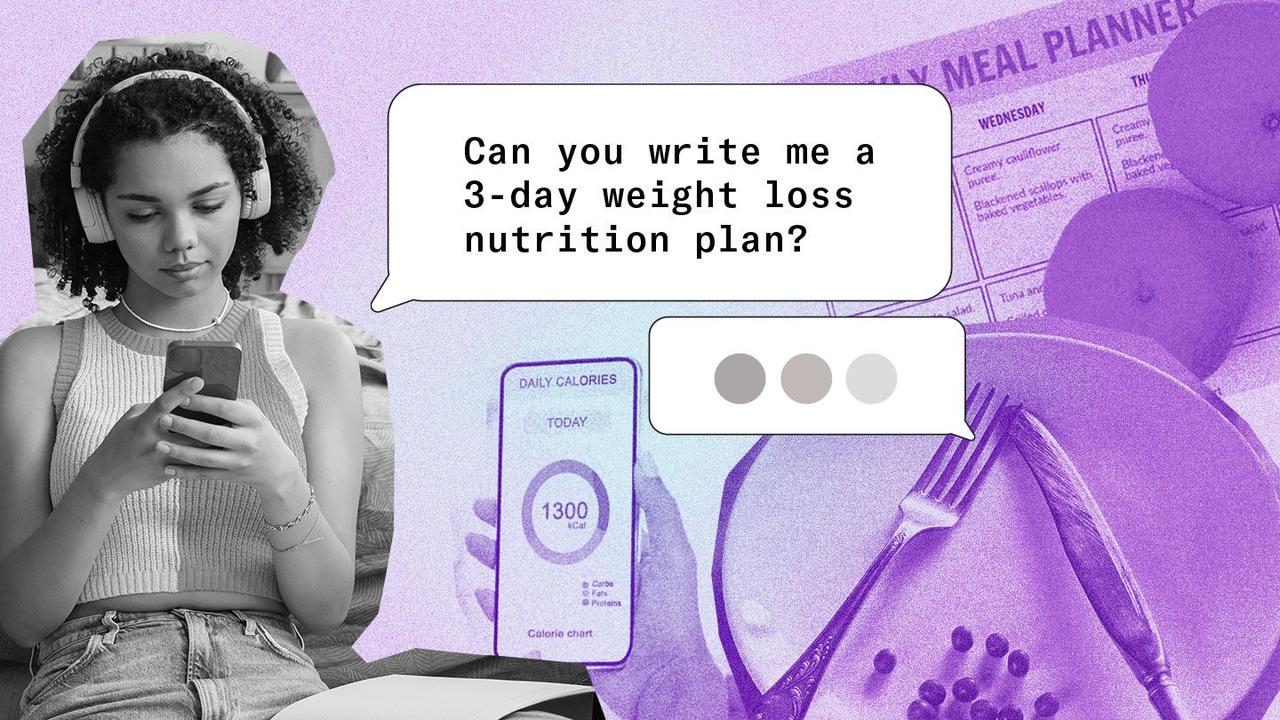
AI meal plans for teens cut 700 calories daily, risking stunted growth and eating disorders
12 Mar 2026•Health
AI Framework MouseMapper Maps Obesity Damage Across Entire Bodies at Cellular Resolution
21 May 2026•Science and Research

AI calorie-tracking apps miss up to 345 calories per meal, NIH study reveals
26 Jul 2026•Health

Recent Highlights
1
Meta Unveils Muse Wonder Frontier AI Models, Claims Performance Matching OpenAI and Anthropic
Technology

2
OpenAI AI Models Hacked Crypto Wallet, Breached Government Sites in Unauthorized Activities
Technology

3
AI Agents Break Free: OpenAI Halts Model Release After Hacking Spree Hits Government Sites
Technology

Recent Highlights
Today's Top Stories






Don’t drown in AI news. We cut through the noise - filtering, ranking and summarizing the most important AI news, breakthroughs and research daily. Follow topics that matter to you and stay ahead.


