AI Political Ads Reach $80M in 2026 Midterms as Republicans Dominate Spending with Minimal Disclosure


6 Sources
[1]
We've tracked $80M of spending on almost 170 AI-generated political ads this year - it's weird
The 2026 U.S. midterm campaigns are the first in which AI-generated political ads are regularly appearing on people's televisions and social media feeds. We are researchers who have been studying political advertising through the Wesleyan Media Project since 2010. This election cycle - using data
[2]
How A.I. Super PACs Are Trying to Influence the Midterms
See how groups aligned with Anthropic and OpenAI have funneled millions into the fight for control of Congress. Artificial intelligence companies racing to shape how the federal government might regulate their industry amid rising safety and economic concerns are spending heavily to influence
[3]
Secret weapon or 'slopaganda'? How AI is revolutionizing campaign advertising.
The advancing technology offers campaigns the tools to make compelling, lifelike ads. That's leading even seasoned political observers to take note. Political advertisements created with artificial intelligence are proliferating throughout this year's midterm election races, transforming the way
[4]
New campaign disclosures reveal how much American political campaigns spend on AI tools
Though politicians are quiet about how they use AI, the book Rewiring Democracy examines how AI is starting to influence American politics New campaign finance disclosure data shines a light on which US political campaigns are using AI tools and how much they are spending on them. Candidates',
[5]

Researchers tracked $80 million in political ads using AI -- and Republicans were behind 83% of them | Fortune
The 2026 U.S. midterm campaigns are the first in which AI-generated political ads are regularly appearing on people's televisions and social media feeds. We are researchers who have been studying political advertising through the Wesleyan Media Project since 2010. This election cycle - using data
[6]

AI and crypto money is pouring into the U.S. midterms. Will it matter?
The AI and cryptocurrency sectors are bankrolling hundreds of millions of dollars in advertising to shape public opinion and elect allies to Congress and key state offices in the midterm elections. But neither industry spends with consensus, on political objectives or even party, revealing two
Share
Copy Link
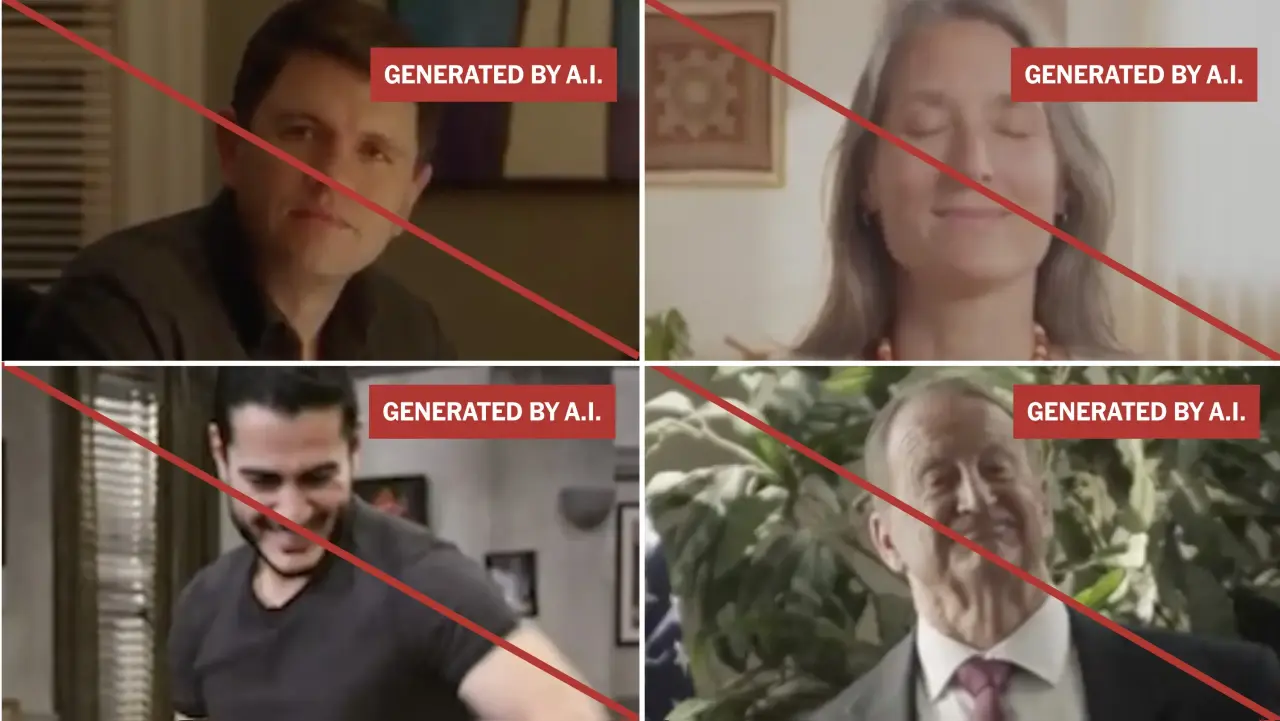
The 2026 U.S. midterm elections mark the first widespread use of AI-generated political ads, with researchers tracking $80 million in spending across nearly 170 unique ads. Republicans account for 83% of this spending, deploying everything from hyperrealistic deepfakes to subtle visual enhancements. Despite voter concerns, only 31% of ads disclose AI use due to inconsistent state laws.
AI Political Ads Transform 2026 Midterm Campaigns
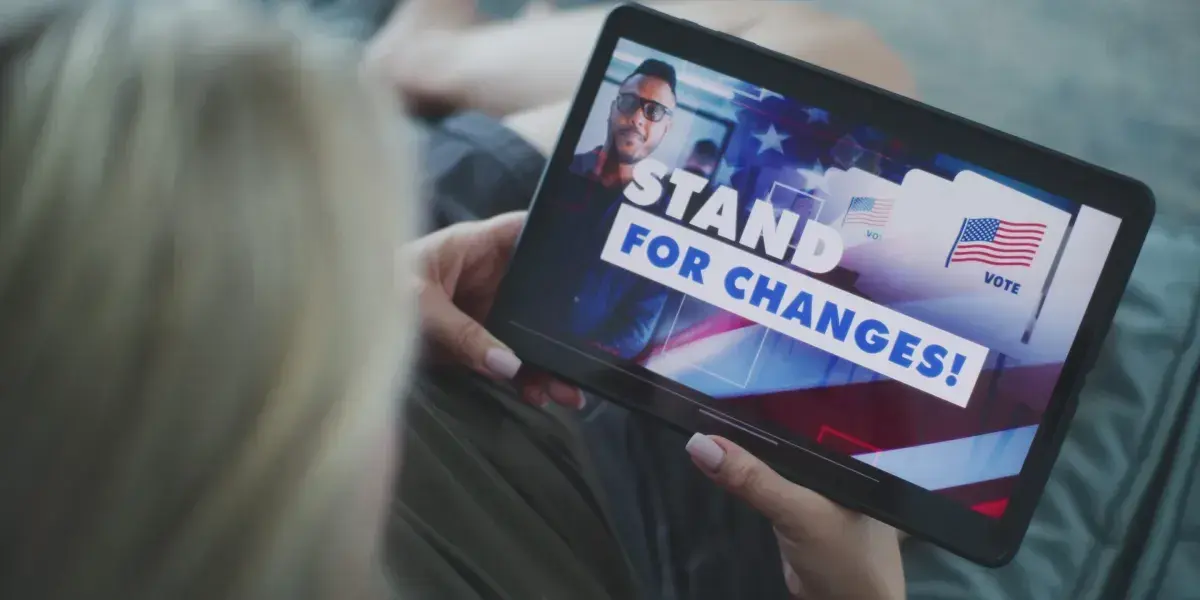
AI-generated political ads have become a defining feature of the 2026 U.S. midterm elections, marking the first election cycle where such content regularly appears on television and social media feeds
1
. Researchers at the Wesleyan Media Project tracked approximately $80 million in spending on almost 170 unique AI political ads, revealing a stark partisan divide and significant transparency gaps1
5
. The data shows Republican candidates and groups behind 80% of the ads and 83% of the spending, fundamentally reshaping how political campaigns engage with voters1
5
.
Source: Fortune
Beyond traditional campaign advertising, AI tools for political campaigns have attracted at least $17 million in disclosed spending since 2020 across 523 federal candidates, according to Federal Election Commission data
4
. This figure represents direct spending on AI technology vendors like OpenAI and Anthropic, separate from the $80 million spent on AI-generated ad content.Republican Use of AI Ads Dominates the Landscape
The Republican use of AI ads significantly outpaces Democratic adoption, creating what researchers describe as a surprising partisan gap in AI in politics
1
. Michael Franz, co-director of the Wesleyan Media Project who has studied political advertising since 2000, noted that the Republican embrace of AI tools may reflect broader philosophical differences between the parties3
. Democrats generally favor regulatory approaches to campaign spending and required disclosures, while Republicans tend toward free market approaches1
.
Source: Washington Post
The partisan divide extends to AI vendor preferences. At least 80 federal campaigns reported spending with OpenAI since 2024, totaling approximately $50,000 and skewing slightly Republican
4
. Anthropic shows a nearly two-to-one Democrat-to-Republican ratio among 65 campaigns using their Claude platform in 20264
. Elon Musk's xAI serves almost exclusively Republican clients, with just seven federal campaigns reporting payments totaling about $5,0004
.Deepfakes and Hyperrealistic Content Raise Concerns
AI in midterm elections has manifested through hyperrealistic deepfakes featuring prominent politicians including Donald Trump, Nancy Pelosi, Barack Obama, Kamala Harris, and Alexandria Ocasio-Cortez
1
. Ocasio-Cortez appears in at least five Republican ads, making her a frequent target1
5
. These deepfakes show politicians in fabricated scenarios, from a Louisiana Republican Senate candidate driving a school bus full of undocumented immigrants to Liz Cheney, Mitt Romney, and Mike Pence carrying pitchforks on the White House lawn1
.One particularly compelling example from the Ohio Senate race shows an artificial but extremely human-looking depiction of Democrat Sherrod Brown as an unwelcome party guest, stabbing at cake and slipping a noisemaker into his pocket
3
. Franz observed that such ads demonstrate AI's potential for emotional persuasion: "You can do that in creative ways with AI"3
. Critics have coined the term "slopaganda" to describe various forms of synthetic political messaging, though recent AI advances enable campaigns to create compelling, lifelike content quickly and inexpensively3
.Related Stories
Super PACs Channel AI Company Money into Elections
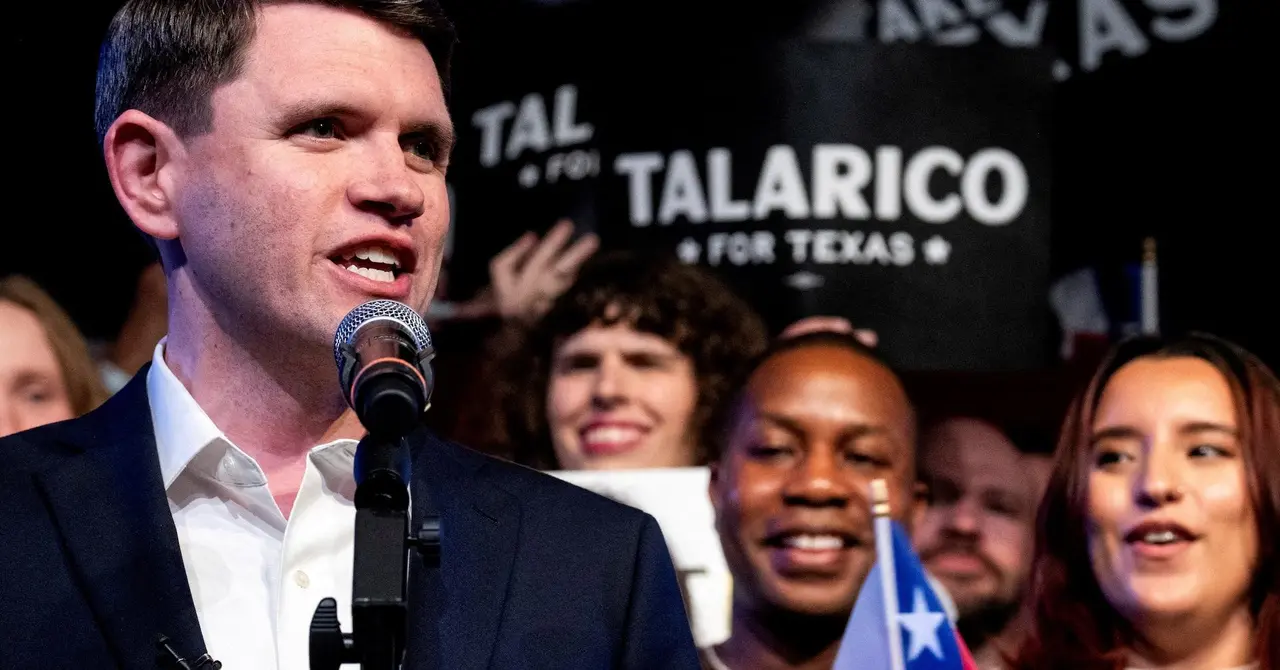
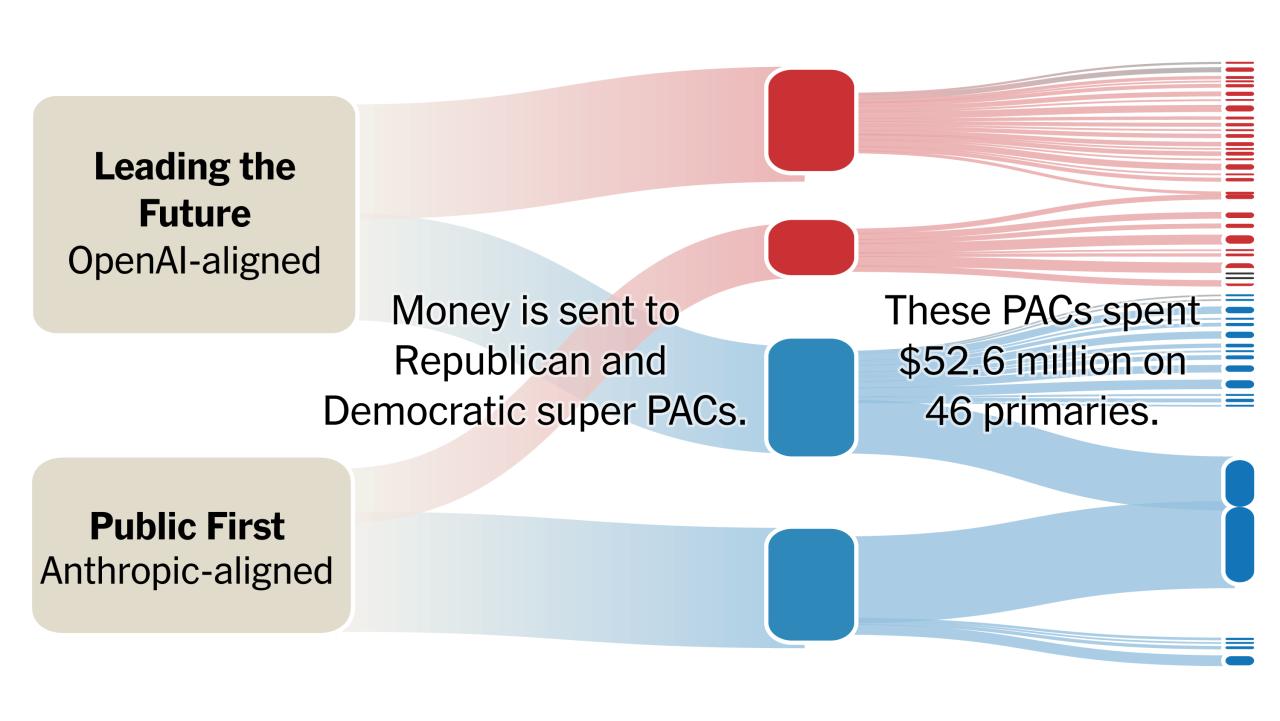
Spending on AI political ads extends beyond candidate-created content to include substantial investments from AI companies themselves. A New York Times analysis revealed that political groups aligned with OpenAI and Anthropic have spent $55.7 million to influence 2026 races, with $52.6 million concentrated in safe seats featuring intense intraparty contests
2
. These Super PACs have spent more heavily for Democrats than Republicans, despite the reverse pattern in candidate-generated AI ads2
.
Source: NYT
The Times reviewed 95 unique ads bought by four AI Super PACs heavily funded by OpenAI and Anthropic. None mentioned data centers, and only seven mentioned AI or an AI company directly
2
. This strategic obscurity reflects voter sentiment, as a September 2025 Pew survey found that more than 70% of Americans would think less of a candidate using AI to help write a speech4
.Nate Blouin, a Utah state senator who lost a Democratic primary to an opponent backed by more than $1 million in AI-funded ads, called the strategy "so cynical," noting that these groups spend millions on issues unrelated to their core AI agenda
2
.Disclosure of AI in Political Ads Remains Inconsistent
Despite growing use of AI in political campaigns, disclosure of AI in political ads remains woefully inadequate. Across 35 states, only 31% of tracked ads disclosed AI use, representing just 22% of total spending
1
5
. The patchwork of state laws creates confusion, with disclaimer wording varying wildly from Georgia's "This video has been manipulated or generated with artificial intelligence" to North Carolina's casual "You guessed it! AI was definitely used to generate these silly video clips"1
.Countintuitively, state laws requiring disclaimers show little relationship to actual disclosure rates. In states without AI disclosure laws, 32% of ads contained disclaimers, compared to just 29% in states with such laws
1
5
. This suggests voluntary disclosure practices matter more than legal requirements, pointing to enforcement challenges and potential loopholes in existing regulations.Voter engagement with deceptive AI content has become a central concern, with polling showing 78% of registered voters favoring a ban on AI content making deceptive claims about candidates
1
5
. This broad support for regulation contrasts sharply with the minimal oversight currently in place, suggesting a significant gap between public expectations and political reality that future lawmakers will need to address as AI tools become increasingly sophisticated and accessible to political campaigns.References
Summarized by

Navi
[1]
[4]
Related Stories
AI Political Ads Dominate 2026 Midterm Elections Despite Disclosure Gaps and Growing Safety Concerns
21 Sept 2026•Policy and Regulation
Political Campaigns Pour $137 Million Into AI-Generated Ads as Midterm Elections Heat Up
17 Oct 2026•Policy and Regulation
AI campaign ads and deepfakes transform 2026 midterms as states enforce new election rules
12 Aug 2026•Policy and Regulation

Recent Highlights



Recent Highlights
Today's Top Stories




Don’t drown in AI news. We cut through the noise - filtering, ranking and summarizing the most important AI news, breakthroughs and research daily. Follow topics that matter to you and stay ahead.


