AI Data Centers Hit Power Wall as Energy Infrastructure Becomes the New Battleground


4 Sources
[1]
Solving for AI's power problem
The AI race has long been defined by how quickly firms can stand up GPUs. Now, Elon Musk and other leaders say they expect physical bottlenecks, including a shortage of electricity needed to power data centers, to slow down competitors. As utilities warn of multiyear waits for new connections,
[2]
Europe should make AI data centres prove value before grid priority
Data centres and AI developers seeking scarce grid capacity should prove credible demand and pay the costs they create. Manufacturing and defence production must not be sacrificed for AI data centres. Governments, households and businesses have a stake in how electricity networks accommodate the
[3]
The AI data center race is now a race to power
AI investment will follow reliable, affordable and flexible power The race for AI leadership has largely been framed as a contest for the best chips, models and talent up until now. But behind every algorithm, model, query, and breakthrough is the energy that powers it all. As AI moves from R&D
[4]
AI and energy - can on-site power generation meet Ai's voracious energy needs?
As part of his attempt to reclaim the data center narrative in the US, President Donald Trump back in March ordered AI leaders to make their own power and not eat into the available public supply. Seven leading tech firms - Google, Microsoft, Meta, Oracle, xAI, OpenAI and Amazon signed a "ratepayer
Share
Copy Link
The AI race has shifted from GPU availability to electricity access as data centers face multiyear grid connection waits. Industry leaders now pursue on-site power generation, microgrids, and grid optimization to meet AI's voracious energy needs while utilities struggle with concentrated demand.
Speed to Power Defines the New AI Race
The competition for AI dominance has fundamentally shifted from acquiring GPUs to securing electricity. Industry leaders including Elon Musk now identify physical bottlenecks, particularly electricity shortages needed for AI data centers, as the primary constraint slowing competitors
1
. This transformation has created a new industry mantra: "speed to power," referring to how quickly a data center can establish electrical connections1
. The stakes are substantial, with NVIDIA's CEO noting that every quarter delay in a gigawatt data center translates to $10 billion in missed revenue4
.The Grid Capacity Challenge and Connection Queues
When utilities announce multiyear waits for new connections, they're revealing a deeper infrastructure problem. Brian Janous, co-founder of Cloverleaf Infrastructure, explains that the grid operates at only 55% capacity on average because it must accommodate peak usage during the coldest winter nights and hottest summer days
1
. For most hours, sufficient energy exists to meet data center needs, yet access remains constrained. Globally, an estimated 2,500 gigawatts of generation capacity sits waiting in connection queues3
. In Europe's FLAP-D hubs (Frankfurt, London, Amsterdam, Paris, and Dublin), AI data centers can wait up to a decade for grid integration, while facilities take just four years to build3
.Projected Growth in Data Center Electricity Consumption
The International Energy Agency forecasts that global data center electricity consumption will reach approximately 945 terawatt-hours by 2030, more than double its 2024 level
2
. This projection encompasses data centers broadly, not AI alone, yet the concentration of these facilities in particular locations complicates grid integration. The challenge extends beyond total generation capacity to whether electricity is available where and when needed. AI workloads have transformed power consumption patterns dramatically. William Mao, Vice President of Energy Infrastructure at Delta Electronics, notes that loads no longer measure in kilowatts but in megawatts, fluctuating in milliseconds1
. These rapid swings strain energy infrastructure in ways traditional steady data center loads never did.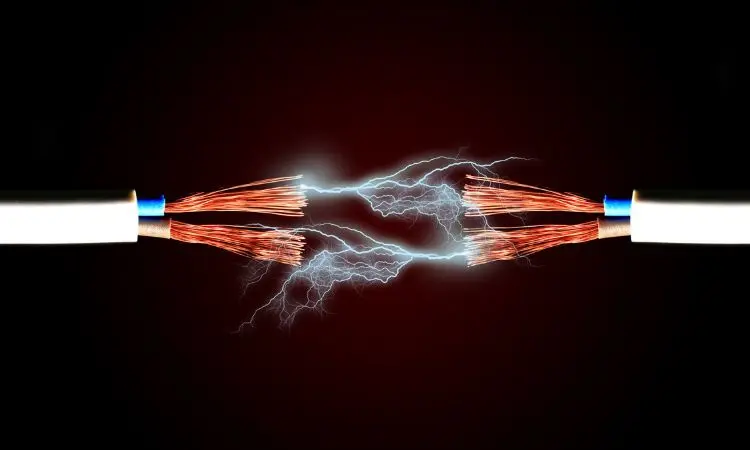
Source: diginomica
On-Site Power Generation Gains Momentum
President Donald Trump ordered AI leaders to generate their own power rather than consume public supply, with seven major tech firms—Google, Microsoft, Meta, Oracle, xAI, OpenAI, and Amazon—signing a "ratepayer protection pledge"
4
. This commitment elevates the profile of on-site power generation for companies planning massive infrastructure rollouts. KR Sridhar, founder and CEO of Bloom Energy, observes that electricity demand for on-site power generation extends beyond data centers across multiple market segments in this digital age4
. Bloom Energy expects one quarter of all commercial and industrial facilities in the United States to be fully powered on-site by 20304
.Microgrids as Bridging Infrastructure
Allan Schurr, Chief Commercial Officer at ERock, argues that going completely off-grid represents a high-carbon, high-cost commitment
1
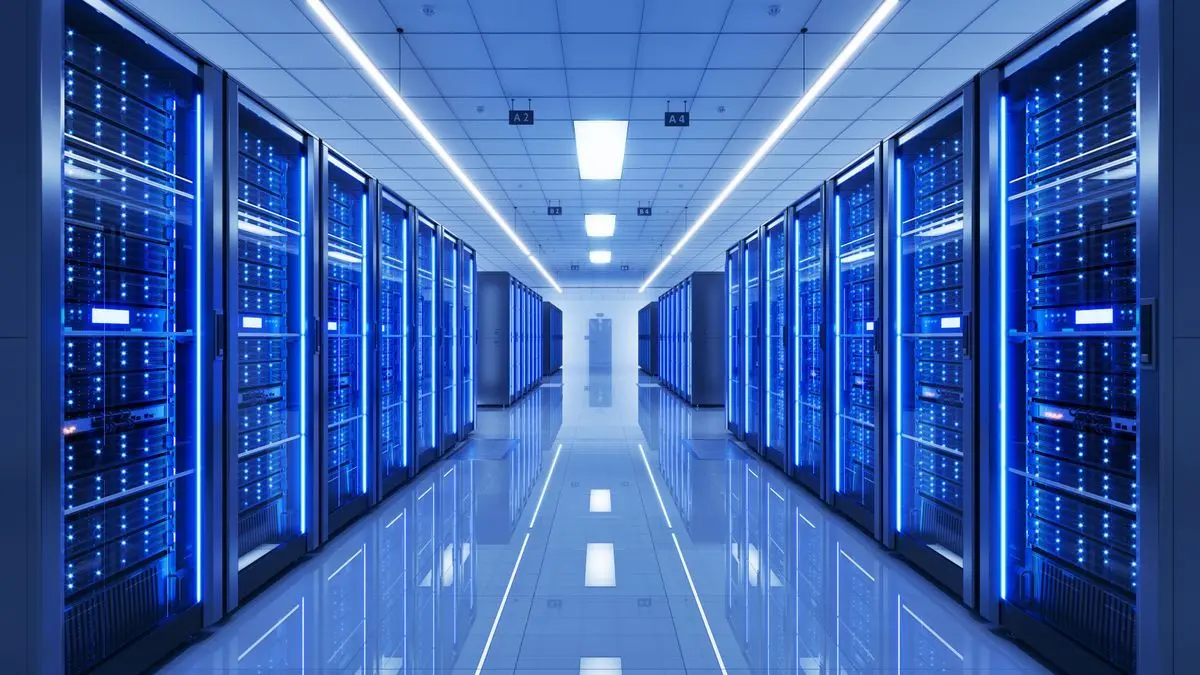
. Instead, he promotes microgrids—localized power sources powered by various generation methods—as bridges until grid connections arrive. Building a transmission substation takes three to four years, while ERock constructs a 350-megawatt microgrid in 16 months1
. After data centers join the public grid, microgrids can still cover peak demand and maintain operations during grid failures. Both Schurr and Janous caution that independent operation has pitfalls, as the grid provides critical services like balancing supply and demand to maintain power stability and restarting systems after blackouts1
.
Source: TechRadar
Optimizing Power Infrastructure from Grid to Rack
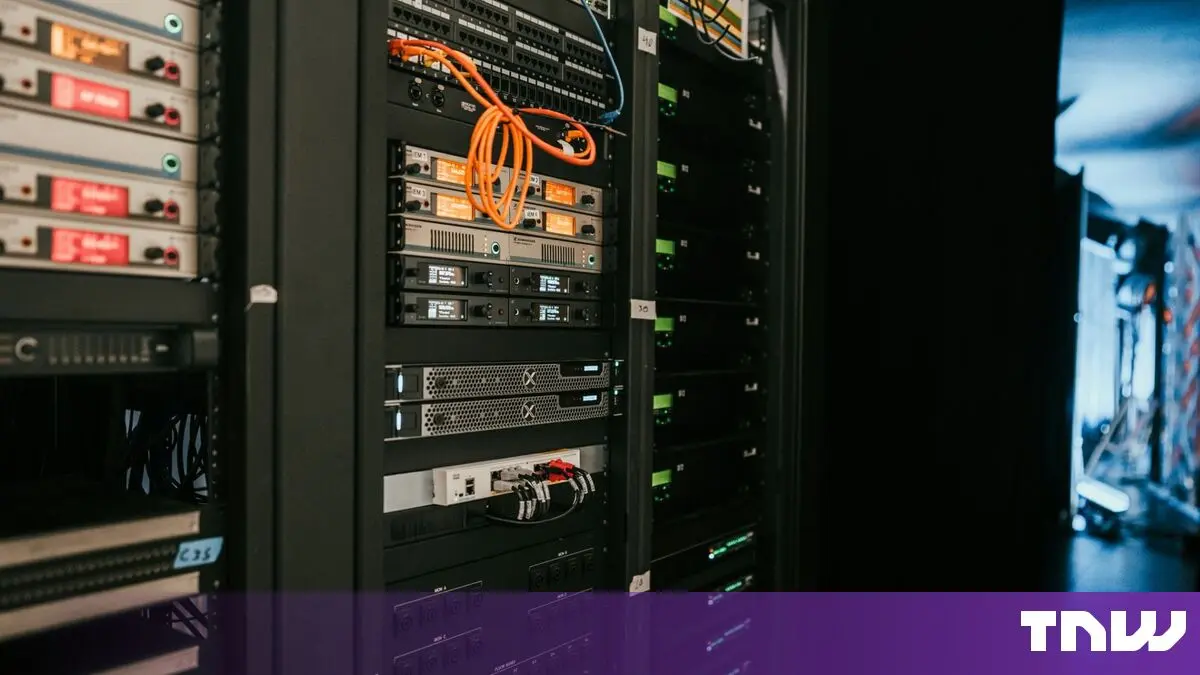
Delta Electronics addresses the journey power takes after reaching a data center's entrance. Power typically passes through multiple conversion stages before reaching server racks. Delta's solid-state transformers convert medium-voltage AC to 800-volt DC used by racks in fewer stages, potentially reducing energy losses and failure points
1
. Mao explains that reducing distribution chain steps while removing intermediate power layers increases reliability1
. Delta's control platform coordinates different power sources, from utility grid power and natural gas generation to solar and fuel cells, with sophisticated controls and buffering to manage AI's volatile power consumption1
.
Source: The Next Web
Related Stories
Nuclear Energy and Long-Term Power Agreements
Large-scale power solutions increasingly include nuclear energy. Mao points to Microsoft's 20-year deal with Constellation Energy to purchase power from a restarted Three Mile Island reactor in Pennsylvania for its data centers
1
. He expects the most common setup for large sites to pair natural gas generators with energy storage, noting that substantial power blocks are necessary to move the needle significantly1
. Nuclear power, combined with renewables and established infrastructure, positions certain regions favorably. Europe's mix of nuclear and renewable energy, alongside deep industrial expertise, should make it a natural home for next-generation AI infrastructure3
.Flexibility and Demand Management Solutions
While major grid upgrades could take up to 15 years, flexibility can unlock existing capacity more quickly
3
. Energy management systems give operators visibility and control to optimize energy use across buildings, transport, and industry. These technologies shift non-critical demand, such as heating, cooling, and EV charging, away from peak periods through demand shifting. Energy storage complements this by storing lower-cost or surplus electricity for use during highest demand. If European AI data centers offered just 30 hours of flexibility per year, available grid capacity could more than double3
. Data centers themselves can become active grid assets through intelligent power management systems, battery storage, and microgrids.Europe's Opportunity Cost and Priority Debate
Europe faces critical decisions about allocating scarce power consumption resources. Data centers and AI developers seeking limited grid capacity should demonstrate credible demand and accept the costs they create before receiving regulatory and government approvals
2
. An MIT study found that 95% of companies' generative AI pilots produced no measurable return, raising questions about prioritizing unproven applications2
. The broader concern involves opportunity costs of using scarce energy infrastructure for activities lacking demonstrated business value. Manufacturing, domestic production of energy equipment, and defense production must not be sacrificed for AI data centers without commensurate value2
. AEP Ohio's experience illustrates why expressions of interest require financial backing before becoming the basis for expensive infrastructure decisions. An initial pool of roughly 30 gigawatts of data center requests narrowed to about 13 gigawatts after customers paid for engineering studies, with binding agreements subsequently covering approximately 5.6 gigawatts2
.Accelerating Permitting and Connection Processes
Governments and grid operators must accelerate permitting and connection timelines. Greater transparency around expected grid connection schedules, supported by delivery milestones and regular reporting, enables developers and investors to plan with certainty
3
. The approach needs to shift from "first come, first served" to "first ready, first connected," prioritizing viable, grid-supportive projects over speculative applications. UK efforts to remove "zombie projects" demonstrate how queue reform can shorten waiting times and strengthen investor confidence, helping shrink waits that reached 15 years for some projects3
. Timing challenges persist as AI data centers become operational in two to three years while supporting energy infrastructure requires longer development. Wait times for new natural gas turbines extend as long as five years, with step-up transformers requiring up to three years2
. Cloverleaf Infrastructure has delivered about 7 gigawatts of sites in 18 months by identifying locations with spare grid capacity and developing "powered land" around them, with another 10-12 gigawatts in the pipeline1
.References
Summarized by

Navi
[1]
[3]
Related Stories
AI energy consumption strains power grid as data center demand drives costs up for manufacturers
06 Jul 2026•Policy and Regulation
Power Infrastructure Emerges as the Biggest Bottleneck Choking AI Data Centers Growth
20 Oct 2026•Business and Economy
AI Data Centers Hit Power Grid Limits as Energy Demand Outpaces Infrastructure Growth
15 Sept 2026•Policy and Regulation

Recent Highlights


Recent Highlights
Today's Top Stories









Don’t drown in AI news. We cut through the noise - filtering, ranking and summarizing the most important AI news, breakthroughs and research daily. Follow topics that matter to you and stay ahead.


